
The hospitality landscape of Jasper National Park was forever altered in the summer of 2024 when a devastating wildfire swept through the townsite in Alberta, Canada. For decades, the hotels and lodges within this protected wilderness served as a cornerstone of the regional economy, providing thousands of suites, luxury rooms, and rustic cabins to travelers from around the globe. When the smoke cleared, the tourism community was left to count the cost, not just in hectares of forest, but in the physical structures that defined the stay experience in the Rocky Mountains. Understanding exactly how many hotels burned and the extent of the damage to those that survived is essential for anyone tracking the recovery of this iconic destination.
The Impact of the 2024 Wildfire on Jasper’s Hotel Infrastructure
The wildfire that breached the town of Jasper was characterized by extreme heat and fast-moving flames, which prioritized the destruction of older wooden structures and properties located on the southwestern edge of the townsite. The loss of hotel inventory was significant, affecting both modern motels and historic lodging houses. In total, while the town lost roughly 30% of its overall structures, the hotel sector saw varying degrees of impact ranging from total loss to minor smoke damage.
Identifying the Total Loss Properties
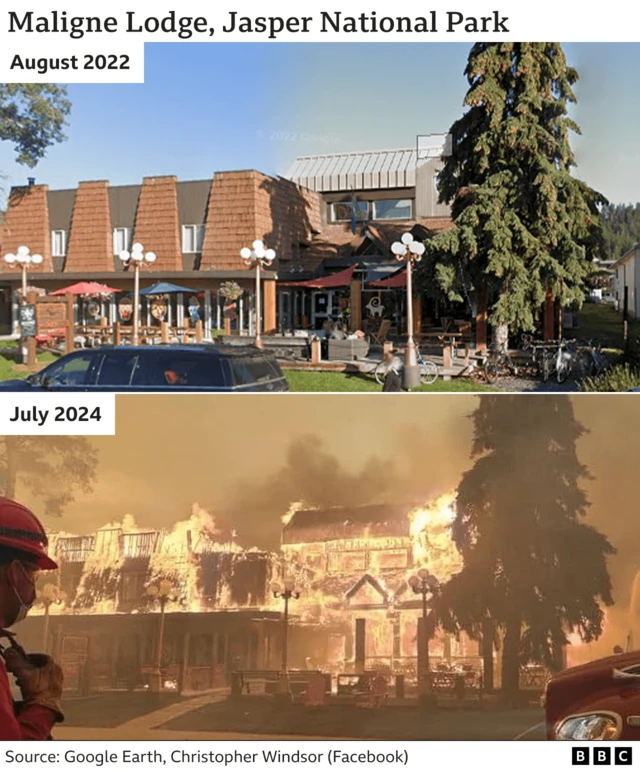
The most significant casualty in the Jasper hotel sector was the Maligne Lodge. Situated at the south end of Connaught Drive, this long-standing establishment was one of the first major commercial properties to be consumed by the flames. The Maligne Lodge was known for its diverse room types, including family suites with kitchenettes and an indoor pool that served as a favorite for budget-conscious travelers. The fire completely leveled the main guest room wings, leaving behind only charred foundations and structural debris. This loss alone removed over 100 rooms from the town’s total accommodation capacity.
Another property that suffered catastrophic damage was the Mount Robson Inn. While not entirely leveled like its neighbor, the inn saw a substantial portion of its building destroyed. The Mount Robson Inn was a staple for family vacations, offering high-end breakfast amenities and spacious suites. The fire significantly impacted the structural integrity of the front-facing buildings, requiring a total overhaul and rebuilding phase that will take years to complete.
Properties with Partial Damage and Structural Impact
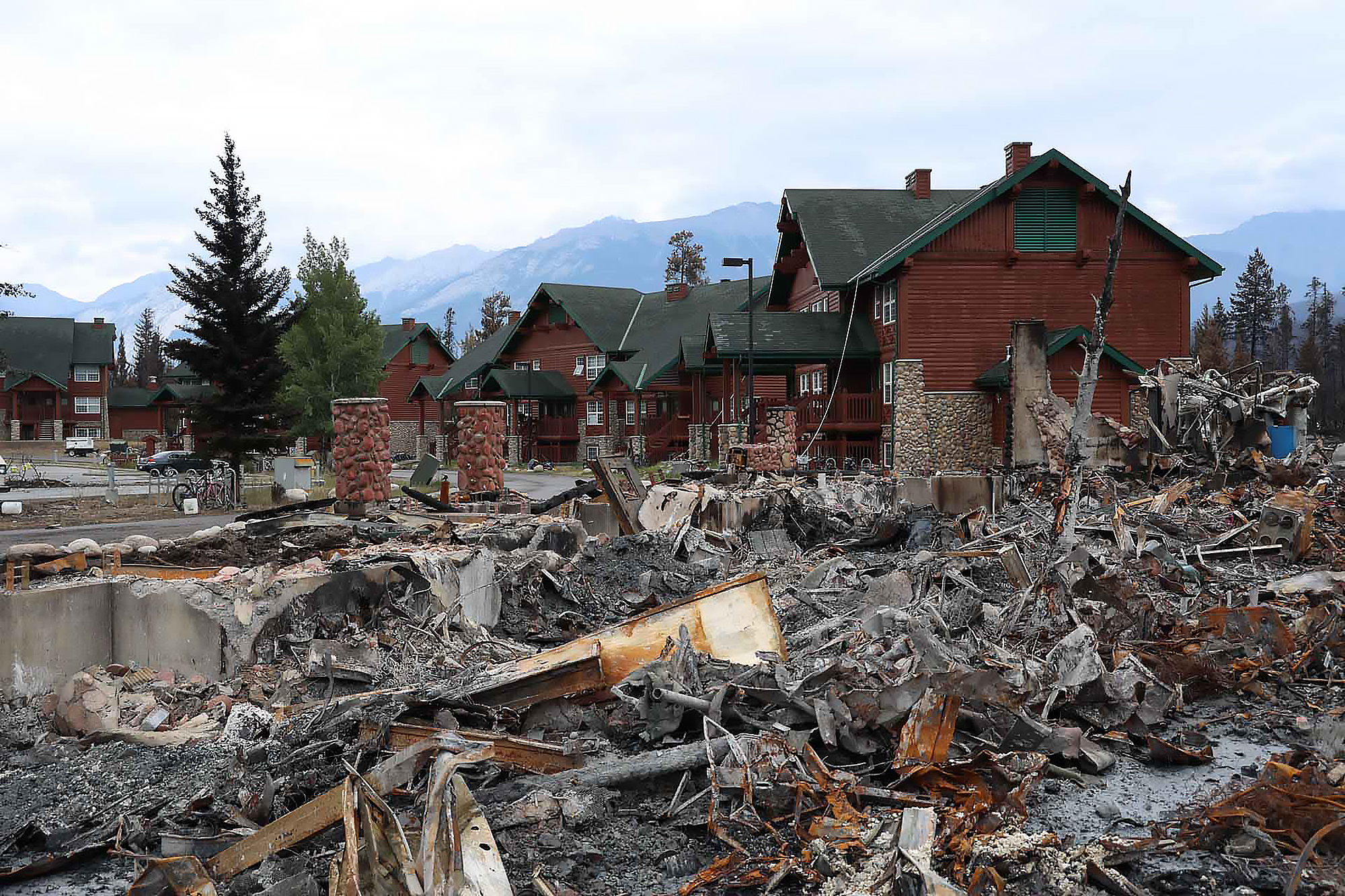
Beyond the total losses, several hotels experienced partial damage that forced long-term closures. The Tekarra Lodge, located just outside the main townsite, was at high risk due to its timber-frame construction and forested surroundings. While several of its historic cabins were preserved thanks to the efforts of structural protection units, the lodge did lose several outbuildings and staff housing units. This has presented a unique challenge for management, as the loss of staff accommodation often dictates the operational capacity of the hotel suites themselves.
The Alpine Village Cabin Resort also faced a precarious situation. Located across the Athabasca River, this resort is a collection of high-end cabins. While the majority of the guest cabins remained standing, the surrounding landscape was heavily scorched, and several service buildings were compromised. For these types of properties, the “damage” is not just measured in burned wood, but in the loss of the aesthetic and privacy that their forest-based amenities once provided.
Status of Key Accommodation Hubs in Jasper
Despite the severity of the fire, a surprising number of Jasper hotels remained standing. The town center, where many of the most historic and densest hotel structures are located, was largely spared due to the heroic efforts of firefighters and the implementation of high-volume sprinkler systems.
The Survival of Historic Lodges
One of the greatest sighs of relief for the Canada hospitality industry was the survival of the Fairmont Jasper Park Lodge. As the park’s premier luxury resort, the lodge consists of a sprawling main building and dozens of guest cabins surrounding Beauvert Lake. Initial reports were grim, but later assessments confirmed that the main lodge and the vast majority of the guest rooms were untouched. However, the resort did lose several operational buildings and some staff housing. The preservation of this landmark ensures that the luxury tier of Jasper accommodations remains viable as the park recovers.

In the heart of the townsite, the Athabasca Hotel and the Whistler’s Inn also survived. These hotels are foundational to the town’s history, featuring architecture that dates back to the early 20th century. The Athabasca Hotel, with its vintage lobby and classic “O’Shea’s Restaurant,” serves as a cultural anchor. Similarly, Whistler’s Inn, known for its rooftop hot tubs and central location, escaped the flames. The survival of these properties means that hundreds of rooms in the mid-range and heritage categories remain available for future seasons.
Perimeter Resorts and Rural Stays
The hotels located on the northern and eastern edges of the town generally fared better than those to the south. Properties like the Forest Park Hotel and Chateau Jasper remained intact. The Forest Park Hotel, which recently underwent significant renovations to its spa and suite offerings, serves as a critical asset for the town’s reopening strategy. Chateau Jasper, known for its indoor pool and underground parking, also avoided structural damage, though it required extensive cleaning of its ventilation systems due to heavy smoke inhalation.
The Lobstick Lodge and Marmot Lodge, both managed by Pursuit, also survived the fire. These hotels are vital for group tours and large families, offering hundreds of rooms and several dining outlets. Their survival, along with the Jasper Inn and Suites, provides a necessary buffer for the local economy, ensuring that when the park fully reopens, there is still a significant number of “pillows” available for visitors.
The Recovery Process for Jasper’s Hospitality Sector
Rebuilding a hotel in a national park is a vastly different undertaking than a standard urban construction project. The hospitality sector in Jasper must navigate federal regulations, environmental impact assessments, and a shortened construction season due to the Rocky Mountains climate.
Rebuilding the Maligne Lodge
For the owners of the Maligne Lodge, the path forward involves a complete redesign. Modern building codes and fire-smart principles will likely dictate the new structure. This means the future iteration of the lodge will likely feature non-combustible siding, specialized roofing materials, and advanced interior sprinkler systems that exceed previous standards. While the loss was devastating, it offers an opportunity to modernize the suites and amenities to meet 21st-century luxury and environmental standards, potentially including solar integration and high-efficiency HVAC systems.
Safety Inspections and Reopening Protocols
For the hotels that survived, the process of reopening is not as simple as unlocking the doors. Every property, from the Pyramid Lake Resort to the Bear Hill Lodge, must undergo rigorous air quality testing and deep cleaning. Wildfire smoke can permeate carpets, curtains, and even the drywall of hotel suites, leaving behind fine particulate matter that can be harmful to guests.
Professional restoration crews have been tasked with:
- Replacing all HEPA filters in hotel HVAC systems.
- Steam cleaning all soft furnishings in guest rooms and lobbies.
- Inspecting roofs and gutters for embers or heat damage that may not be visible from the ground.
- Testing water systems for contamination or pressure issues caused by the fire-fighting efforts.
Future Implications for Hotel Resilience in Mountain Regions
The fire in Jasper National Park serves as a wake-up call for the hotel industry across North America. Properties like Pine Bungalows and others that rely on a “rustic” feel are now evaluating how to balance their aesthetic with the need for fire-resistant landscaping.
Hoteliers are increasingly looking at “FireSmart” programs, which involve removing flammable vegetation from the immediate perimeter of buildings—a move that can change the look of a resort but significantly increase its chances of survival. For the Jasper hotel community, the focus has shifted from mere aesthetics to a combination of safety, sustainability, and structural resilience.
The loss of the Maligne Lodge and the damage to the Mount Robson Inn represent a loss of history and capacity, but the survival of the majority of the town’s hotels ensures that the heart of Jasper hospitality continues to beat. As rebuilding begins, the goal is to create a more resilient accommodation network that can withstand the increasing challenges of the mountain environment while continuing to provide the world-class service that Jasper National Park is famous for.
LifeOutOfTheBox is a participant in the Amazon Services LLC Associates Program, an affiliate advertising program designed to provide a means for sites to earn advertising fees by advertising and linking to Amazon.com. Amazon, the Amazon logo, AmazonSupply, and the AmazonSupply logo are trademarks of Amazon.com, Inc. or its affiliates. As an Amazon Associate we earn affiliate commissions from qualifying purchases.