
The question of whether individuals with past felony convictions can vote is a critical aspect of civic life and societal reintegration, particularly in a state as populous and politically significant as California. For many, the ability to participate in the democratic process is a cornerstone of their civic lifestyle, influencing their sense of belonging and agency within their community. California has undergone significant reforms in recent years, reshaping the landscape of voting rights for those previously disenfranchised due to criminal convictions. Understanding these changes is essential for anyone interested in the state’s progressive approach to justice reform and the broad implications for civic engagement.
Understanding California’s Evolving Franchise Laws for Individuals with Past Convictions
The right to vote is a fundamental aspect of citizenship, yet for a substantial portion of the population with felony convictions, this right has historically been curtailed. California has a complex history regarding felon disenfranchisement, reflecting a broader national debate on balancing public safety with civil rights. However, the state has progressively moved towards expanding voting access, aligning with a rehabilitative rather than purely punitive approach to justice.
Historical Context and the Road to Reform
Historically, many states, including California, imposed stringent voting restrictions on individuals convicted of felonies, often extending beyond the period of incarceration. These laws stemmed from a mix of historical precedents, including common law practices and post-Reconstruction efforts to disenfranchise specific populations. For decades, individuals in California serving felony sentences in prison or on parole were explicitly prohibited from voting. This policy meant that even after completing their incarceration, parolees remained disenfranchised, unable to participate in local, state, or federal elections.
The shift began gaining momentum in the early 21st century, driven by advocacy groups, civil rights organizations, and a growing recognition of the importance of reintegrating returning citizens into society. Proponents argued that denying the right to vote to individuals who had served their time undermined rehabilitation efforts, discouraged civic participation, and disproportionately affected minority communities. This advocacy culminated in legislative efforts and, significantly, a statewide ballot initiative that fundamentally altered the state’s approach.
Current Legal Framework: What the Law Says Now
Today, California stands out as one of the states with the most expansive voting rights for individuals with felony convictions. The most significant change came with the passage of Proposition 17 in November 2020. Prior to Proposition 17, individuals on parole for a felony conviction were ineligible to vote. Proposition 17 amended the state constitution to restore the right to vote to all individuals with felony convictions who are not currently incarcerated.
This means that if you have a felony conviction in California, your voting rights depend primarily on your current status:
- Incarcerated: If you are currently serving a state or federal prison sentence for a felony conviction, you cannot vote. This includes individuals awaiting trial or sentencing if they are detained in prison.
- On Parole: If you have been released from state or federal prison and are currently on parole for a felony conviction, you can vote. This is the direct result of Proposition 17.
- On Probation: If you are on probation for a felony conviction, you can vote. This right was already established prior to Proposition 17.
- Post-Sentence: If you have completed your felony sentence, including any parole or probation period, and are no longer incarcerated, you can vote. Your rights are fully restored.
- Misdemeanor Convictions: Individuals with misdemeanor convictions, even if incarcerated for them, retain their right to vote. The disenfranchisement applies only to those currently incarcerated for a felony.
The current legal framework represents a significant step towards ensuring that past mistakes do not permanently bar individuals from participating in the civic life of their community. It fosters a more inclusive democratic process, allowing more citizens to have a say in the governance that affects their daily lives.
Navigating the Path to Voter Registration and Participation
For individuals with past felony convictions, understanding their eligibility is the first step; the next is successfully navigating the voter registration process. While the laws in California are generally favorable, practical steps are required to ensure one’s ability to cast a ballot. This process is crucial for anyone seeking to fully integrate into the civic fabric of communities like Los Angeles, San Francisco, or San Diego.
Eligibility Criteria: Who Can and Cannot Vote
Beyond the felony conviction status, general voter eligibility rules in California still apply. To register and vote, an individual must:
- Be a U.S. citizen.
- Be a resident of California.
- Be at least 18 years old on or before Election Day.
- Not currently be found mentally incompetent to vote by a court.
- Not currently be serving a state or federal prison sentence for a felony conviction.
It is important to emphasize that if an individual’s conviction was for a misdemeanor, or if they are in county jail awaiting trial or serving a misdemeanor sentence, they retain the right to vote. The key disqualifier for felony offenses is current incarceration in a state or federal prison. This distinction is vital for accurate self-assessment of eligibility.
The Registration Process for Returning Citizens
The process of registering to vote for returning citizens is largely the same as for any other eligible California resident, yet specific considerations can be helpful.
1. Verifying Eligibility:
Before registering, individuals should confirm they meet the criteria, especially regarding their conviction status. If unsure, they can contact their county elections office or seek assistance from non-profit organizations specializing in voter rights.
2. How to Register:
- Online: The easiest way to register is through the California Secretary of State‘s website. The online form is straightforward and guides users through the necessary information.
- By Mail: Voter registration forms are available at post offices, libraries, county election offices, and Department of Motor Vehicles (DMV) offices. These can be filled out and mailed in.
- In Person: Registration can also be completed at county election offices or during specific events designed for voter outreach.
3. Providing Information:
Applicants will need to provide their full name, residential address (where they live, not necessarily where they receive mail), date of birth, driver’s license or California identification card number, and the last four digits of their Social Security number. If they don’t have a driver’s license or state ID, they can still register, and the state will assign a unique identifier.
4. Automatic Voter Registration:
California also has an automatic voter registration system through the DMV. When eligible citizens interact with the DMV, they are automatically registered to vote unless they opt out. This system helps capture a broader range of eligible voters, including some returning citizens.
5. Deadlines:
While California offers same-day voter registration at polling places and county election offices up to and including Election Day, it’s always best to register early to ensure all information is processed well in advance of an election. The standard registration deadline is 15 days before an election.
Successfully registering to vote is a powerful step in reaffirming one’s place within the community and exercising a fundamental civic right. For returning citizens, this act symbolizes full reintegration and the ability to shape the political landscape of their home state, from Sacramento to their local city councils.
The Broader Impact on Civic Lifestyle and Community Integration
The restoration of voting rights for convicted felons in California extends far beyond the mere act of casting a ballot; it profoundly impacts the civic lifestyle and overall reintegration of individuals into their communities. The ability to vote is a tangible symbol of citizenship and belonging, fostering a sense of responsibility and participation that is vital for both individuals and society.
Beyond the Ballot Box: Reintegration and Social Capital
For individuals returning from incarceration, the journey of reintegration is multifaceted, encompassing employment, housing, family reunification, and social acceptance. Denying the right to vote can perpetuate a sense of otherness and exclusion, hindering successful reintegration. When individuals can vote, it signals that society recognizes their capacity for rehabilitation and their value as contributing members. This recognition can boost self-esteem, encourage engagement in other civic activities, and strengthen social capital within communities.
The active participation of returning citizens in the electoral process can also enrich the political discourse. They bring unique perspectives shaped by their experiences, advocating for policies related to criminal justice reform, re-entry services, and community development. This engagement can lead to more informed policymaking and a more representative government that addresses the needs of all its constituents. Furthermore, the act of voting can strengthen community ties, as individuals join others in collective action, fostering a shared sense of civic purpose.
Resources and Support for Exercising Your Rights
Navigating the nuances of voter eligibility and registration can still be challenging, especially for those who have been out of the civic loop for extended periods. Fortunately, numerous organizations in California are dedicated to supporting returning citizens in exercising their right to vote. These resources play a crucial role in demystifying the process and providing necessary assistance.
- County Elections Offices: The primary resource for all voter-related questions. Every county in California has an elections office that can provide personalized assistance regarding eligibility, registration, and polling place information.
- Non-Profit Organizations: Groups like the ACLU of California, VoteRiders, and the Restore Your Vote Coalition often run campaigns specifically aimed at educating and registering individuals with felony convictions. They provide materials, organize events, and offer direct support.
- The California Secretary of State’s Office: The official source for statewide voting information, including comprehensive guides for individuals with past convictions. Their website offers detailed FAQs and resources in multiple languages.
These organizations and governmental bodies work collaboratively to ensure that the spirit of Proposition 17 is fully realized, empowering returning citizens to become active participants in their democracy.

Comparing California to Other States: A National Perspective on Felon Voting Rights
California’s progressive stance on felon voting rights highlights a broader national spectrum of laws, which range from highly restrictive to fully inclusive. This comparison underscores California’s commitment to a civic lifestyle that prioritizes reintegration and a more expansive view of citizenship.
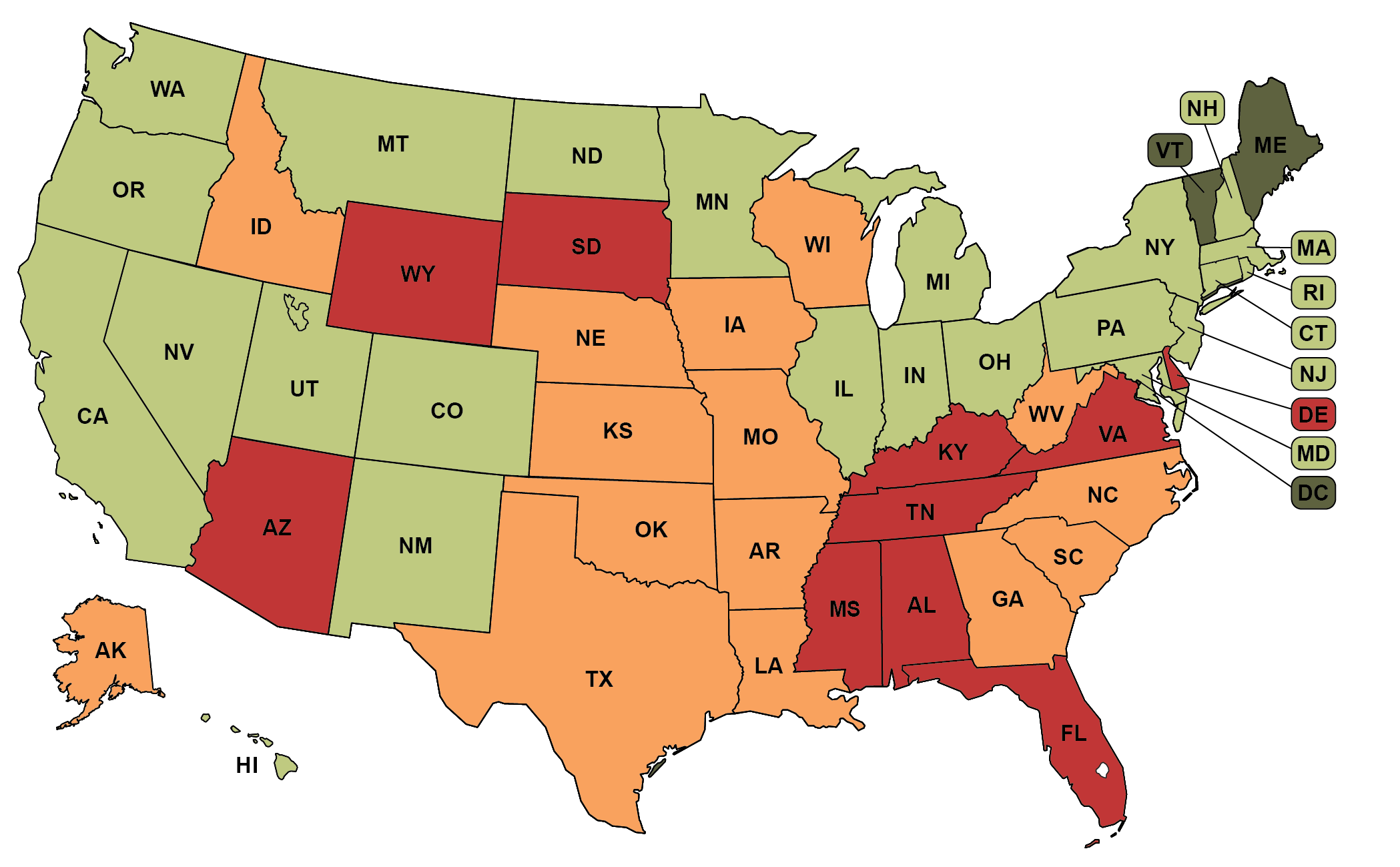
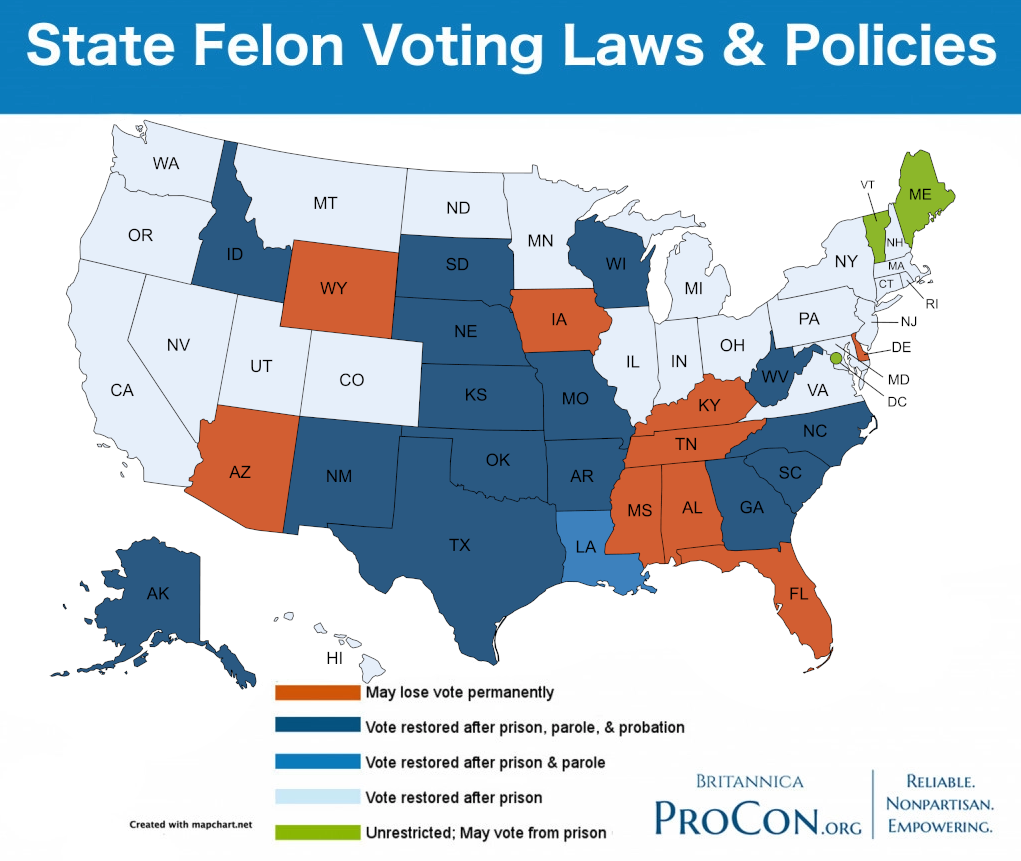
According to the National Conference of State Legislatures, state laws on felon voting rights vary significantly. At one end of the spectrum are states like Maine and Vermont, which allow felons to vote even while incarcerated. Washington D.C. also falls into this category for local elections. These jurisdictions embody the most expansive interpretation of voting rights, asserting that imprisonment should not negate one’s fundamental right to participate in democracy.
On the other end, some states, such as Florida (prior to recent reforms) and Kentucky, historically maintained some of the strictest laws, requiring individuals to complete all terms of their sentence, including parole and probation, and sometimes even requiring a separate application process to restore voting rights. While Florida voters passed an amendment in 2018 to automatically restore voting rights to most felons upon completion of their sentences (excluding murder and sex offenses), subsequent legislative action complicated this by requiring the payment of all outstanding fines and fees, creating new barriers.
California, with its passage of Proposition 17, places itself firmly among the states that have largely removed barriers for individuals with felony convictions once they are released from prison. By restoring voting rights to those on parole, California has taken a significant step towards mirroring the more inclusive policies seen in states like Maine and Vermont, albeit not extending to currently incarcerated individuals. This progressive approach is not merely a legal technicality; it reflects a distinct philosophy about civic life, rehabilitation, and the societal value of second chances. For individuals living in or considering moving to California, understanding these rights is a crucial element of planning their civic and personal lifestyle within the state.
LifeOutOfTheBox is a participant in the Amazon Services LLC Associates Program, an affiliate advertising program designed to provide a means for sites to earn advertising fees by advertising and linking to Amazon.com. Amazon, the Amazon logo, AmazonSupply, and the AmazonSupply logo are trademarks of Amazon.com, Inc. or its affiliates. As an Amazon Associate we earn affiliate commissions from qualifying purchases.