
Navigating the landscape of long-term accommodation in California requires a clear understanding of its stringent rent control laws. Designed to protect tenants from excessive rent increases and arbitrary evictions, these regulations, primarily embodied by the Tenant Protection Act of 2019 (AB 1482), significantly impact how properties are managed and rented across the state. However, not all rental units fall under the purview of these laws. Identifying which properties are exempt is crucial for both prospective long-term residents and property owners alike, shaping decisions around housing searches, lease agreements, and investment strategies.
The California Context: Understanding Rent Control Legislation
Before delving into exemptions, it’s essential to grasp the core components of California’s statewide rent control law, AB 1482. This legislation introduced two primary protections for tenants:
- Rent Caps: Limits on how much landlords can increase rent annually, generally capped at 5% plus the percentage change in the cost of living (Consumer Price Index, or CPI), with a maximum total increase of 10%.
- “Just Cause” Eviction Protections: Requires landlords to have a valid, legally specified reason to evict a tenant who has resided in a property for 12 months or more. These “just causes” are categorized as “at-fault” (e.g., non-payment of rent, lease violations) or “no-fault” (e.g., owner move-in, withdrawal from the rental market, significant renovations).
These statewide protections interact with—and sometimes supersede—existing local rent control ordinances, creating a multi-layered regulatory environment. Understanding the exemptions to AB 1482 is the first step in determining a property’s status within this framework.
Key Exemptions to Statewide Rent Caps (AB 1482)
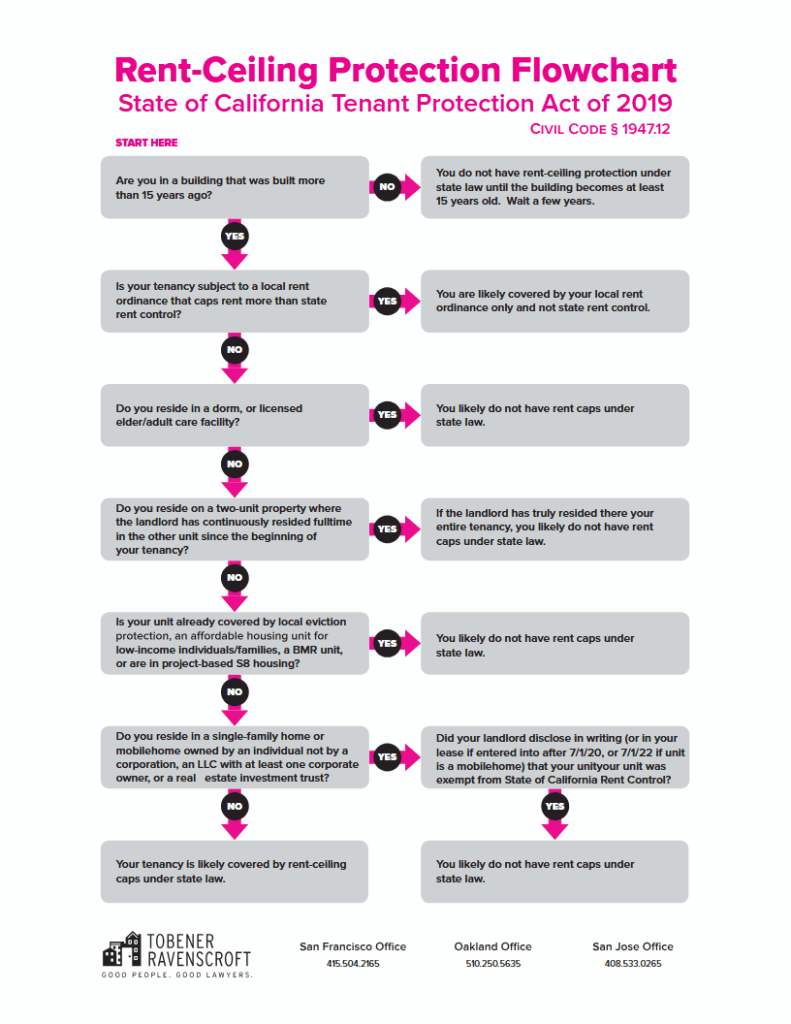
Not every long-term rental property in California is subject to the annual rent cap. Several specific categories of residential accommodations are explicitly exempt, primarily based on the property’s age, ownership structure, or specific use.
New Construction Exemption
One of the most significant exemptions applies to newly constructed units. AB 1482 exempts rental units that have been issued a certificate of occupancy within the last 15 years. This “15-year rolling exemption” is designed to encourage new housing development by allowing developers and owners of newer properties more flexibility in setting initial rents and subsequent increases. The exemption rolls forward, meaning a property built in 2010 would be exempt until 2025, a property built in 2020 would be exempt until 2035, and so on. This exemption is crucial for those seeking modern accommodation options, as it suggests potential for higher, less regulated rent adjustments.
Single-Family Homes and Condominiums
Many single-family homes and condominiums are also exempt from AB 1482’s rent cap provisions, but with a critical caveat. To qualify for this exemption, the property must not be owned by a corporation, a real estate investment trust (REIT), or a limited liability company (LLC) in which at least one member is a corporation. Additionally, the owner must provide specific notice to the tenant that the property is exempt from rent control. This distinction is vital for private landlords and tenants alike; a single-family home owned by an individual is likely exempt, while the same home owned by a corporate entity would typically be subject to the rent cap.
Owner-Occupied Duplexes
Properties that consist of a duplex where the owner occupies one of the units as their primary residence at the beginning of the tenancy, and continues to occupy it, are also exempt from the rent cap. This exemption acknowledges the unique circumstances of owner-occupiers in smaller multi-unit dwellings, providing them with greater control over their immediate living environment and investment.
Other Specific Exemptions
Several other types of accommodation are exempt, reflecting various policy considerations:
- Affordable Housing: Units restricted by deed, regulatory restriction contained in an agreement with a government agency, or other recorded document as affordable housing for persons and families of very low, low, or moderate income. These properties are already subject to other forms of rent regulation.
- Dormitories: Housing accommodations owned and operated by an institution of higher education or a kindergarten and grades 1 to 12 school, where that housing is provided to its students.
- Non-Profit Hospitals/Care Facilities: Housing provided by a non-profit hospital, extended care facility, or licensed residential care facility for the elderly or persons with disabilities.
- Religious Facilities: Housing accommodations where the tenant or occupant is required to share bathroom or kitchen facilities with the owner of the property (or the owner’s spouse, domestic partner, child, grandchild, parent, or grandparent) who occupies the property as their principal residence. This exemption applies mostly to room rentals within an owner’s home.
- Mobile Homes: Mobile homes are generally covered by the Mobilehome Residency Law, which has its own set of tenant protections, thus exempting them from AB 1482.
Exemptions to “Just Cause” Eviction Protections (AB 1482)
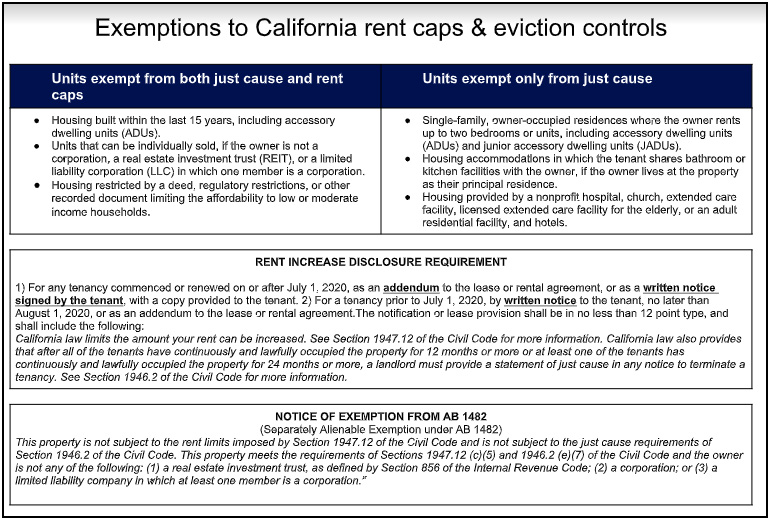
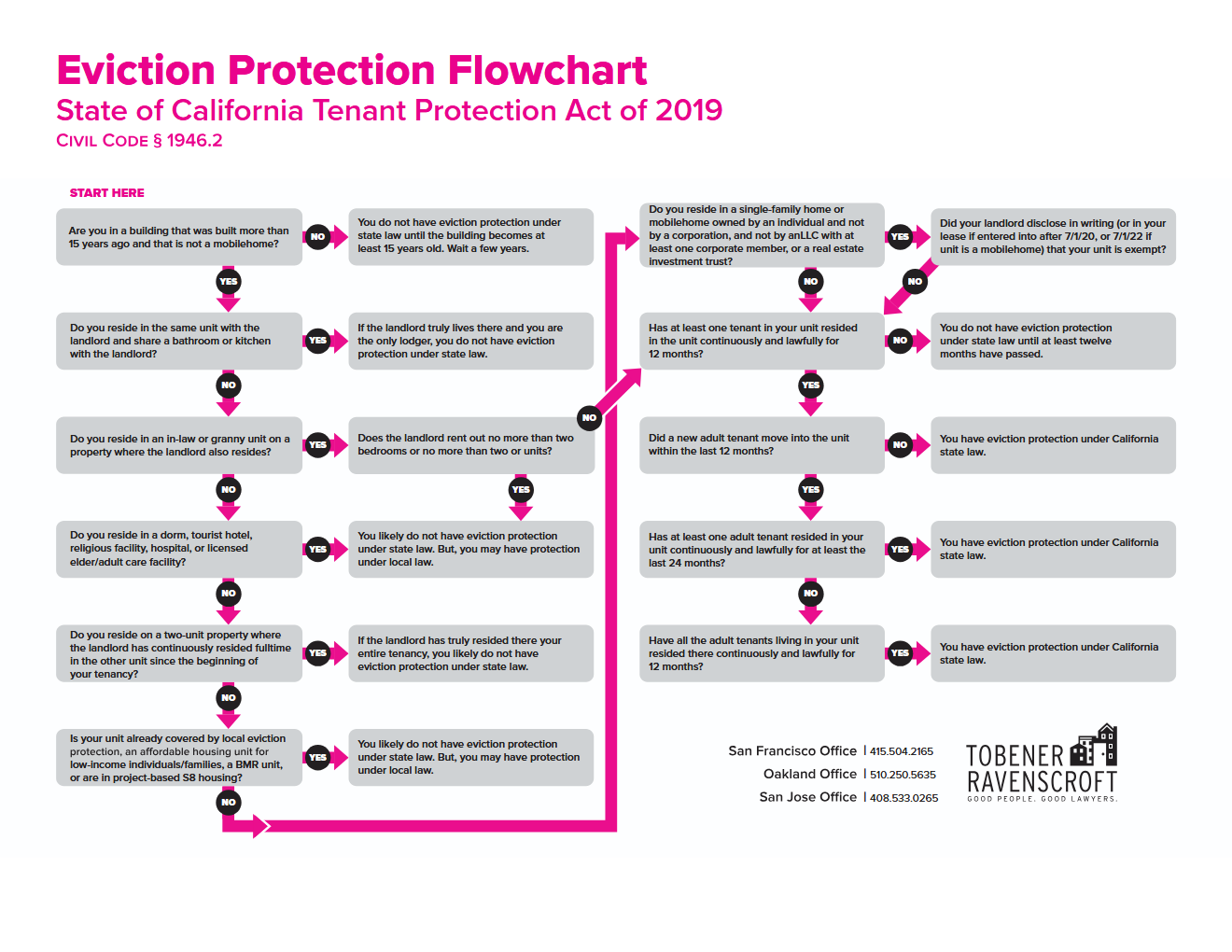
Similar to rent caps, the “just cause” eviction protections under AB 1482 also have specific exemptions. These define situations where a landlord can terminate a tenancy without needing to cite one of the “just causes.”
New Construction and Specific Property Types
The same properties exempt from rent caps often enjoy exemptions from “just cause” eviction protections as well. This includes:
- Units issued a certificate of occupancy within the last 15 years.
- Single-family homes and condominiums, provided they are not owned by corporations, REITs, or certain LLCs, and the required notice is provided to the tenant.
- Owner-occupied duplexes.
Owner Move-In Exemption (Limited)
While “owner move-in” is generally considered a “no-fault just cause” for eviction, there’s a nuanced exemption to the protections themselves. If a landlord lives in the unit with the tenant and rents out an additional room, they may not need to establish “just cause” to terminate the tenancy, especially within the context of shared living spaces. This is distinct from an owner moving into a separate, vacant unit.
Temporary or Transient Occupancy
The “just cause” eviction protections typically do not apply to temporary or transient occupancy, such as hotel or motel stays, which are generally under 30 days. This category is distinct from long-term residential accommodation, where the intent is for continuous residency.
Local Rent Control Ordinances: Additional Exemptions and Nuances
Beyond statewide law, many California cities have their own, often older and more robust, rent control ordinances. These local laws can introduce additional layers of exemptions or apply rent control to properties that would be exempt under AB 1482. AB 1482 is designed to set a statewide floor for tenant protections, meaning local ordinances that provide greater protections than AB 1482 remain in effect.
For instance, cities like Los Angeles, San Francisco, and Oakland have long-standing rent control laws with specific effective dates that determine which properties are covered. These local ordinances often exempt:
- Newer Construction (Local Definition): The “new construction” exemption in local ordinances might define a different cutoff date than AB 1482’s 15-year rolling exemption. For example, some cities might only cover units built before a specific year (e.g., 1978), meaning units built after that date are locally exempt but may still be covered by AB 1482 if they are older than 15 years.
- Single-Family Homes and Condominiums: Some local ordinances do cover single-family homes and condominiums, even if they are individually owned, which would be an exception to the statewide exemption.
- Subsidized Housing: Often exempt from local rent control as they are already regulated by other programs.
- Owner-Occupied Units: Similar to statewide law, many local ordinances provide exemptions for owner-occupied properties, though the specifics (e.g., number of units, type of dwelling) can vary.
When considering a long-term stay in a California city with its own rent control ordinance, it is imperative to research both statewide law and the specific local regulations, as the most tenant-protective law generally applies.
Practical Considerations for Renters and Property Owners
Determining whether a long-term accommodation is exempt from rent control can be complex. Here are practical steps for both renters and property owners:
For Renters
- Ask Direct Questions: When inquiring about a property, directly ask the landlord or property manager if the unit is subject to rent control and “just cause” eviction protections, and if not, why.
- Verify Exemption Notices: For single-family homes and condominiums that claim exemption, ensure the landlord provides the legally required written notice in the lease agreement. Without this notice, the property might still be subject to AB 1482.
- Check Property Age: Research the age of the building. The county assessor’s office or property records can often provide the date of the certificate of occupancy, which is key for the 15-year exemption.
- Consult Local Resources: If you are considering accommodation in a city with its own rent control laws (e.g., Los Angeles, San Francisco, Oakland, San Jose, Berkeley), contact the local rent board or housing department for specific guidance on their ordinances and exemptions.
- Seek Legal Advice: If you are uncertain about a property’s status or believe your rights are being violated, consult with a tenant rights attorney or a housing counseling agency.
For Property Owners
- Understand Your Obligations: Familiarize yourself thoroughly with both AB 1482 and any applicable local rent control ordinances. Ignorance of the law is not an excuse.
- Provide Proper Notice: If your property is exempt from AB 1482 (e.g., a qualifying single-family home or condo), you must provide specific written notice to the tenant in the lease agreement or as an addendum. Failure to do so can render the exemption invalid.
- Document Everything: Maintain meticulous records of property age, ownership structure, and any notices provided to tenants.
- Consult Professionals: Work with attorneys or property management experts who specialize in California landlord-tenant law to ensure compliance and avoid costly errors.
Understanding the various exemptions to California’s rent control laws is paramount for anyone involved in long-term accommodation within the state. These nuances dictate the rights and responsibilities of both landlords and tenants, influencing rental market dynamics, pricing strategies, and housing stability. By carefully assessing these exemptions, individuals can navigate the complex world of California housing with greater clarity and confidence.
LifeOutOfTheBox is a participant in the Amazon Services LLC Associates Program, an affiliate advertising program designed to provide a means for sites to earn advertising fees by advertising and linking to Amazon.com. Amazon, the Amazon logo, AmazonSupply, and the AmazonSupply logo are trademarks of Amazon.com, Inc. or its affiliates. As an Amazon Associate we earn affiliate commissions from qualifying purchases.