
Donating eggs is a profound decision, offering a lifeline to individuals and couples struggling with infertility. For many, it’s also a significant personal commitment, raising practical questions, including the potential for financial compensation. In California, a state known for its progressive healthcare landscape and diverse population, the question of compensation for egg donors is not only relevant but central to understanding the full scope of this altruistic act. This article delves into the realities of egg donation compensation in California, exploring the ethical considerations, the process, eligibility, and how this decision can align with various lifestyle choices.
Understanding Compensation and Ethical Guidelines in California
The ability to receive compensation for egg donation in California is a widely recognized practice, distinct from the illegal “sale” of human organs or tissues. The compensation is generally understood to acknowledge the donor’s time, effort, discomfort, and the significant commitment required for the medical process. This distinction is crucial and upheld by guidelines from professional organizations such as the American Society for Reproductive Medicine, which provides recommendations on appropriate compensation ranges to avoid undue inducement while fairly recognizing the donor’s contribution.
In California, fertility clinics and agencies operate under these guidelines, ensuring that compensation is handled ethically. The state’s robust legal framework surrounding reproductive technologies further protects both donors and recipients, clarifying the rights and responsibilities of all parties involved. This ethical foundation means that while donors are compensated, the act remains rooted in altruism, facilitating the creation of families for those who might not otherwise have the opportunity.
The compensation received by egg donors in California is not merely payment for biological material but rather a recognition of the extensive commitment involved. This commitment includes numerous clinic visits, medical procedures, potential side effects from medication, and a significant amount of time and emotional investment. For individuals contemplating egg donation, understanding this ethical framework is paramount, as it frames the financial aspect within a broader context of social responsibility and personal contribution.
The Lifestyle Impact: Eligibility, Process, and Time Commitment
Considering egg donation involves understanding its significant impact on one’s lifestyle. It’s not a decision to be taken lightly, as it requires dedication, adherence to medical protocols, and a willingness to navigate a potentially emotional journey. The eligibility criteria are stringent, designed to protect the health of both the donor and the potential child, as well as to maximize the chances of a successful outcome for the recipient.
Eligibility Requirements for Egg Donors
Most fertility clinics in California follow similar, rigorous guidelines for donor eligibility. These often include:
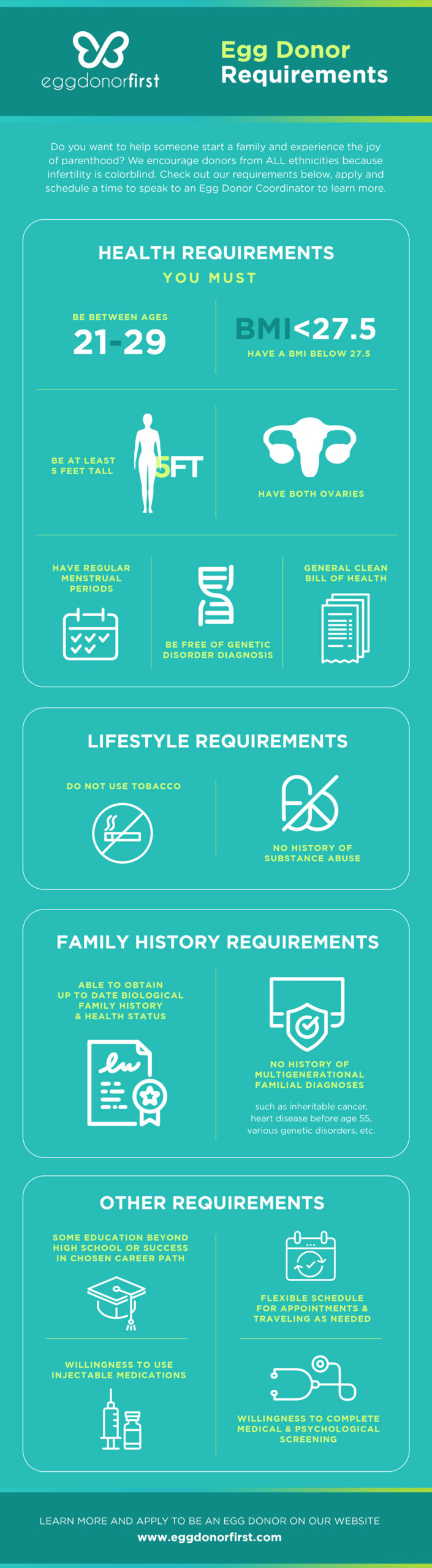
- Age: Donors are typically between 21 and 30 years old. This age range is considered optimal due to higher egg quality and reduced risks.
- Health: Excellent physical and mental health is required. Donors undergo extensive medical screenings, including physical exams, blood tests for infectious diseases (like HIV, hepatitis), genetic testing, and psychological evaluations. A healthy BMI is also often a prerequisite.
- Lifestyle: Donors must lead a healthy lifestyle, free from smoking, illegal drug use, and excessive alcohol consumption. A stable and supportive environment is also considered.
- Family History: A detailed family medical history is taken to screen for inheritable genetic conditions.
- Psychological Evaluation: A psychological assessment ensures the donor understands the implications of donation and is emotionally prepared for the process.
Meeting these criteria is the first step in aligning one’s lifestyle with the demands of egg donation. It ensures that the donor is well-suited for the process, both physically and emotionally, and underscores the seriousness of the commitment.
The Donation Process and Time Commitment
The egg donation process is multi-phased and spans several weeks or months, significantly impacting a donor’s daily routine.
- Application and Screening: This initial phase involves completing detailed questionnaires, medical record reviews, and undergoing comprehensive health and psychological screenings. This can take several weeks.
- Matching: Once approved, donors are matched with recipients. This can vary in duration, from a few weeks to several months, depending on specific donor profiles and recipient needs.
- Medication and Monitoring: This is the most intensive phase. Donors self-administer fertility medications (hormone injections) for approximately 10-14 days to stimulate their ovaries to produce multiple eggs. During this period, frequent clinic visits (every 1-3 days) are required for blood tests and ultrasounds to monitor ovarian response. This phase demands flexibility for appointments and careful adherence to medication schedules.
- Egg Retrieval: The retrieval is a minor surgical procedure performed under light sedation. It typically takes about 20-30 minutes, followed by a recovery period of a few hours at the clinic. Donors usually experience some discomfort, cramping, or bloating for a few days post-retrieval and require rest.
- Post-Retrieval Follow-up: A follow-up appointment is typically scheduled a week or two after retrieval to ensure recovery is progressing well.
The cumulative time commitment for screening, medication, and retrieval can be substantial, requiring donors to integrate medical appointments and self-care into their work, academic, or personal schedules. For someone with a busy lifestyle, this necessitates careful planning and support. Understanding this commitment upfront is crucial for managing expectations and ensuring a smooth donation journey.
Financial Considerations and Compensation Ranges
The financial compensation for egg donation in California is a significant aspect that can influence a donor’s decision, often enabling them to achieve specific financial goals or support their lifestyle. While clinics adhere to ethical guidelines preventing “undue inducement,” the compensation aims to fairly acknowledge the substantial time, effort, and physical discomfort involved.

Typical Compensation in California
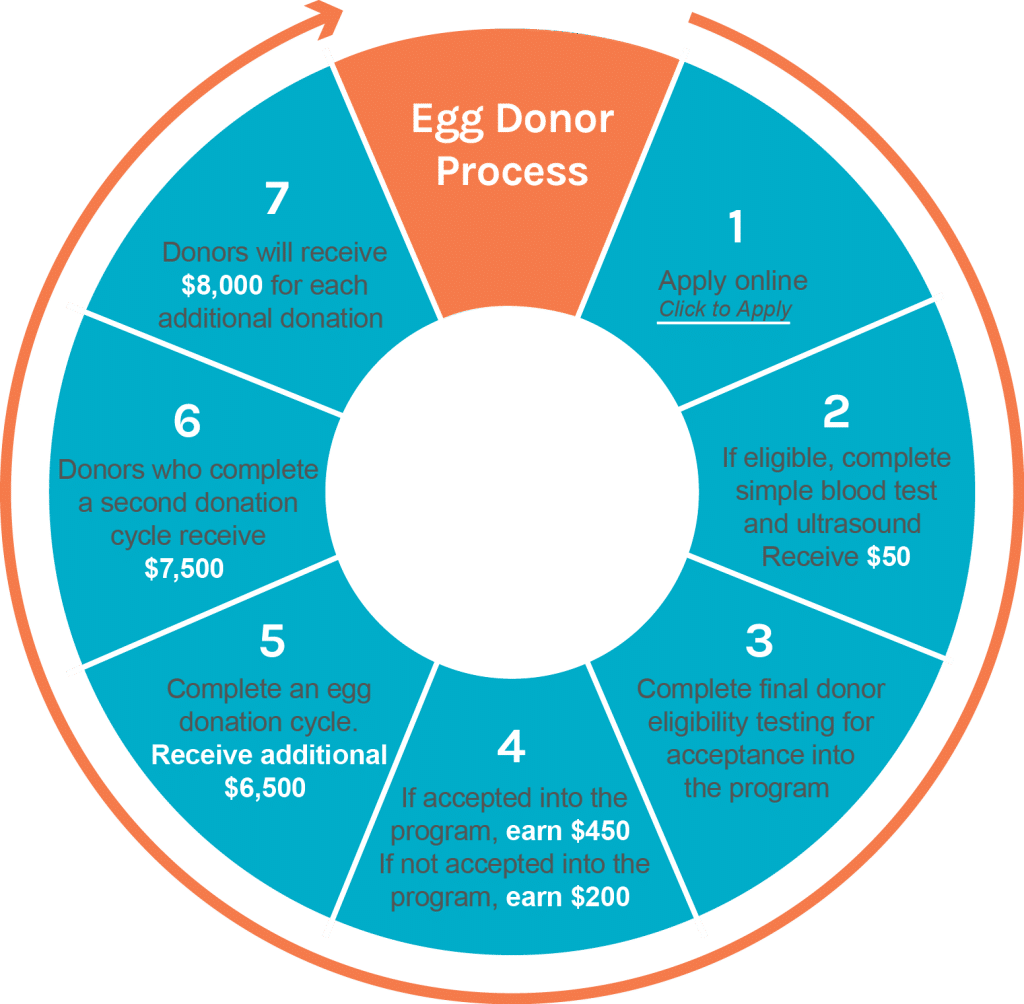
Compensation for egg donors in California typically ranges from $8,000 to $15,000 per cycle. This figure can vary based on several factors:
- Clinic/Agency: Different fertility clinics and egg donor agencies may offer slightly different compensation packages.
- Donor Profile: Factors such as prior successful donations, specific genetic traits, educational background, and unique characteristics (e.g., specific ethnicities that are in high demand) can sometimes influence the compensation offered. However, these are generally secondary to health and eligibility.
- Location within California: While state-wide averages exist, compensation might slightly differ between major metropolitan areas like Los Angeles or San Francisco compared to other regions.
It’s important to note that this compensation covers the donor’s time, effort, travel expenses for appointments, and any potential discomfort or lost wages during the process. It is generally not considered “payment for eggs” in the traditional sense but rather a stipend for their involvement in a complex medical procedure.
What the Compensation Covers (and Doesn’t)
The compensation package usually includes:
- Direct Payment: The agreed-upon fee for completing the donation cycle.
- Medical Expenses: All medical procedures, medications, screenings, and monitoring related to the donation cycle are covered by the recipient or agency. Donors should never incur out-of-pocket medical costs for the donation.
- Travel and Accommodation: If a donor is required to travel from out of town to a specific clinic, agencies often provide reimbursement for flights, accommodation, and ground transportation.
- Lost Wages: Some agencies may offer additional compensation for verified lost wages due to clinic appointments or recovery, though this varies.
However, donors should be aware that the compensation typically does not cover:
- Long-term Health Insurance: While the donation process itself is covered, donors should ensure they have their own health insurance for general medical needs.
- Taxes: Compensation for egg donation is considered taxable income. Donors should consult with a tax professional to understand their obligations.
- Unforeseen Complications: While rare, severe complications from egg donation can occur. Donors should discuss potential risks and how they are managed with their clinic and ensure they understand any insurance provisions in place for such eventualities.
For many young women, this compensation can be life-changing. It might facilitate educational pursuits, help pay off student loans, fund a down payment, or allow for significant travel experiences—all contributing to a desired lifestyle. Understanding the financial benefits and their implications is a practical aspect of the egg donation journey.
Navigating the Ethical Landscape and Practicalities
Beyond the financial and medical aspects, egg donation in California is interwoven with profound ethical and personal considerations. For donors, it’s a decision that can shape their understanding of their own body, their role in society, and their personal legacy. Navigating these complexities is a critical part of the lifestyle choice associated with becoming an egg donor.
Personal Motivation and Impact
While compensation is a factor, many women are driven by a genuine desire to help others build families. This altruistic motivation is often at the heart of their decision. Donors frequently report a deep sense of fulfillment and pride in contributing to someone else’s happiness. This emotional reward is a significant component of the overall “lifestyle benefit” for many.
However, donors must also consider the psychological impact. While counseling is a standard part of the screening process, reflecting on the implications of having biological offspring they will never know, and understanding the potential for future contact (if anonymous vs. open donation), is crucial. This reflection ensures that the decision aligns with their personal values and long-term emotional well-being.
Choosing a Reputable Clinic or Agency
Selecting a reputable fertility clinic or egg donor agency in California is paramount. Donors should look for:
- Accreditation and Experience: Clinics should be accredited by relevant professional bodies and have a proven track record of successful cycles and donor care.
- Transparency: Clear communication about the process, risks, compensation, and legal agreements is essential.
- Support System: Access to medical and psychological support throughout the entire process.
- Ethical Practices: Adherence to ASRM guidelines and a strong commitment to donor welfare.
Examples of well-known fertility centers in California include the Southern California Reproductive Center in Los Angeles, Fertility and Reproductive Health Center at UCSF Medical Center in San Francisco, and San Diego Fertility Center in San Diego. Prospective donors should research multiple options, read reviews, and ask detailed questions during initial consultations.
The Long-Term Perspective
Donating eggs is a singular event with potential long-term implications. Donors often wonder about future contact with potential offspring or their families, the health implications of hormone stimulation, and their own future fertility. Reputable clinics provide extensive counseling to address these concerns, offering clarity on the legal agreements regarding anonymity or open donation. For many, the decision to donate eggs is a powerful affirmation of their capacity for generosity, impacting not just their immediate financial or personal situation but contributing to a broader sense of purpose and fulfillment in their life’s narrative. It’s a testament to how personal choices can profoundly influence the lives of others, creating a lasting legacy.
LifeOutOfTheBox is a participant in the Amazon Services LLC Associates Program, an affiliate advertising program designed to provide a means for sites to earn advertising fees by advertising and linking to Amazon.com. Amazon, the Amazon logo, AmazonSupply, and the AmazonSupply logo are trademarks of Amazon.com, Inc. or its affiliates. As an Amazon Associate we earn affiliate commissions from qualifying purchases.