
The question of whether undocumented immigrants can access food stamps in California touches upon complex intersections of state policy, federal law, and the fundamental issue of human welfare. While federal programs like the Supplemental Nutrition Assistance Program (SNAP), commonly known as food stamps, have strict eligibility requirements tied to legal immigration status, California has historically distinguished itself through progressive policies aimed at supporting all its residents. Understanding this nuanced landscape is crucial for grasping the realities faced by a significant portion of the state’s population and the unique lifestyle challenges they navigate daily.
The Landscape of Food Security for Undocumented Residents
Food security is a cornerstone of a stable and healthy lifestyle, yet for many undocumented immigrants in the United States, access to this basic necessity is fraught with systemic barriers. At the federal level, SNAP is the primary program designed to combat food insecurity. However, federal regulations generally restrict SNAP eligibility to U.S. citizens and certain qualified non-citizens, which typically excludes individuals without legal immigration status. This federal mandate means that the vast majority of undocumented immigrants nationwide are barred from receiving direct federal food assistance.
This federal exclusion creates significant vulnerabilities for undocumented families, many of whom are essential workers contributing substantially to California’s economy, particularly in agriculture, construction, and service industries. Without access to federal safety nets, these families often rely on low-wage jobs, informal support networks, and community-based organizations to put food on the table. The daily struggle for food security profoundly impacts their lifestyle, often leading to difficult choices between food, housing, and healthcare, and contributing to higher rates of poverty and health disparities within these communities. This scenario highlights a distinct aspect of the lifestyle endured by many within the state, where resilience and resourcefulness become paramount in the face of institutional limitations.
California’s Unique Approach: State-Level Initiatives
California, renowned for its independent stance on immigration and social welfare, has implemented various state-funded programs and policies to address the needs of its diverse population, including undocumented residents. While California cannot unilaterally extend federal SNAP benefits to undocumented individuals, it has created alternative pathways and support systems. This progressive approach is a testament to the state’s commitment to ensuring that even its most vulnerable residents have access to basic necessities, thereby shaping a distinct “lifestyle” environment compared to other states.
State-Funded Food Assistance for Specific Populations
One of the most significant state-level interventions involves specific categories of individuals. For instance, children are often treated differently under state policy. California has expanded eligibility for its state-funded food assistance programs, such as CalFresh (the state’s version of SNAP), to include children regardless of their parents’ immigration status, provided the children themselves are U.S. citizens or eligible non-citizens. This means that mixed-status families, where some members are citizens or legal residents and others are undocumented, can apply for CalFresh for their eligible family members. This policy ensures that the youngest and often most vulnerable members of these families have a better chance at nutritional stability, positively influencing their developing lifestyles.
Beyond children, California has also been at the forefront of extending benefits to specific adult populations. As of recent legislative changes, California is phasing in eligibility for state-funded CalFresh benefits to certain non-citizens who were previously ineligible due to their immigration status. This includes undocumented individuals aged 55 and older, and eventually all income-eligible undocumented adults. This gradual expansion reflects a growing recognition within the state that ensuring food security for all residents, irrespective of their immigration status, is not just a moral imperative but also contributes to the overall health and economic stability of communities. These state-specific expansions are critical in addressing the food security needs that federal law overlooks, creating a distinct aspect of lifestyle support for these vulnerable groups.
Medi-Cal and Broader Social Safety Nets
While not directly food stamps, California’s Medi-Cal program (the state’s Medicaid program) also plays a vital role in the overall well-being and lifestyle of undocumented immigrants. California has expanded Medi-Cal eligibility to all income-eligible residents, regardless of immigration status. Access to healthcare, even if separate from food assistance, is intrinsically linked to food security. Healthy individuals are better able to work, earn income, and afford food. Conversely, poor health often exacerbates food insecurity. The holistic approach of providing both healthcare and, increasingly, food assistance at the state level demonstrates California’s unique commitment to supporting the lifestyles of all its residents.
Navigating the System: Eligibility and Application
For undocumented immigrants seeking food assistance in California, understanding the specific eligibility criteria and application process is paramount. The system is designed to comply with federal guidelines while maximizing state-level provisions.
Understanding CalFresh for Mixed-Status Households
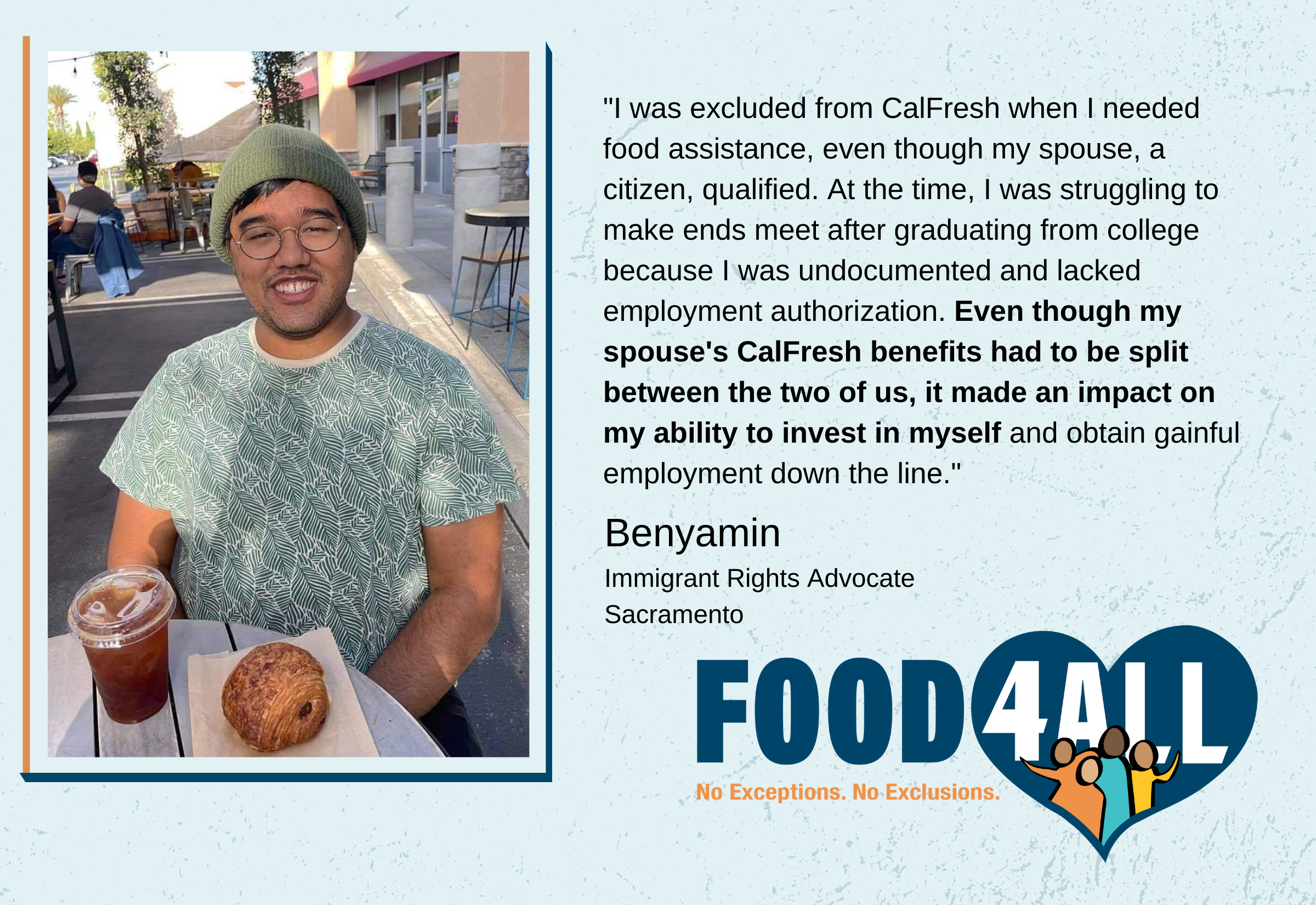
In mixed-status households, where some family members are U.S. citizens or legal residents and others are undocumented, only the eligible family members can receive CalFresh benefits. When applying, the income and resources of all household members, including undocumented individuals, are counted to determine the household’s overall eligibility and benefit amount. However, the undocumented members themselves do not receive benefits. This can be a complex process, requiring careful documentation and understanding of household composition. Organizations across California offer assistance with these applications, helping families navigate the bureaucratic hurdles that often characterize such benefits. This aspect profoundly influences the daily lifestyle of families, requiring careful financial planning and a deep understanding of eligibility nuances.
State-Specific Expansions: Who Qualifies Now?
As California continues to expand CalFresh eligibility to specific undocumented populations, individuals must be aware of the phased implementation. Currently, undocumented individuals aged 55 and older who meet income and other program requirements are eligible for state-funded CalFresh. This expansion is a landmark step, recognizing the specific vulnerabilities faced by older adults who may have worked in California for decades without access to federal safety nets. The eventual expansion to all income-eligible undocumented adults represents a complete overhaul of how food security is addressed for this demographic, fundamentally altering their lifestyle prospects. It’s crucial for interested individuals to check the latest guidelines through their local county social services agency or trusted community organizations.
Beyond Food Stamps: Community Support and Advocacy
While state programs are expanding, community-based organizations, food banks, and advocacy groups play an indispensable role in providing immediate food assistance and advocating for broader systemic change. These entities form a vital part of the support ecosystem for undocumented immigrants in California, complementing government efforts and addressing gaps in coverage. Their presence shapes the local lifestyle by creating resilient networks of mutual aid.
Food Banks and Pantries
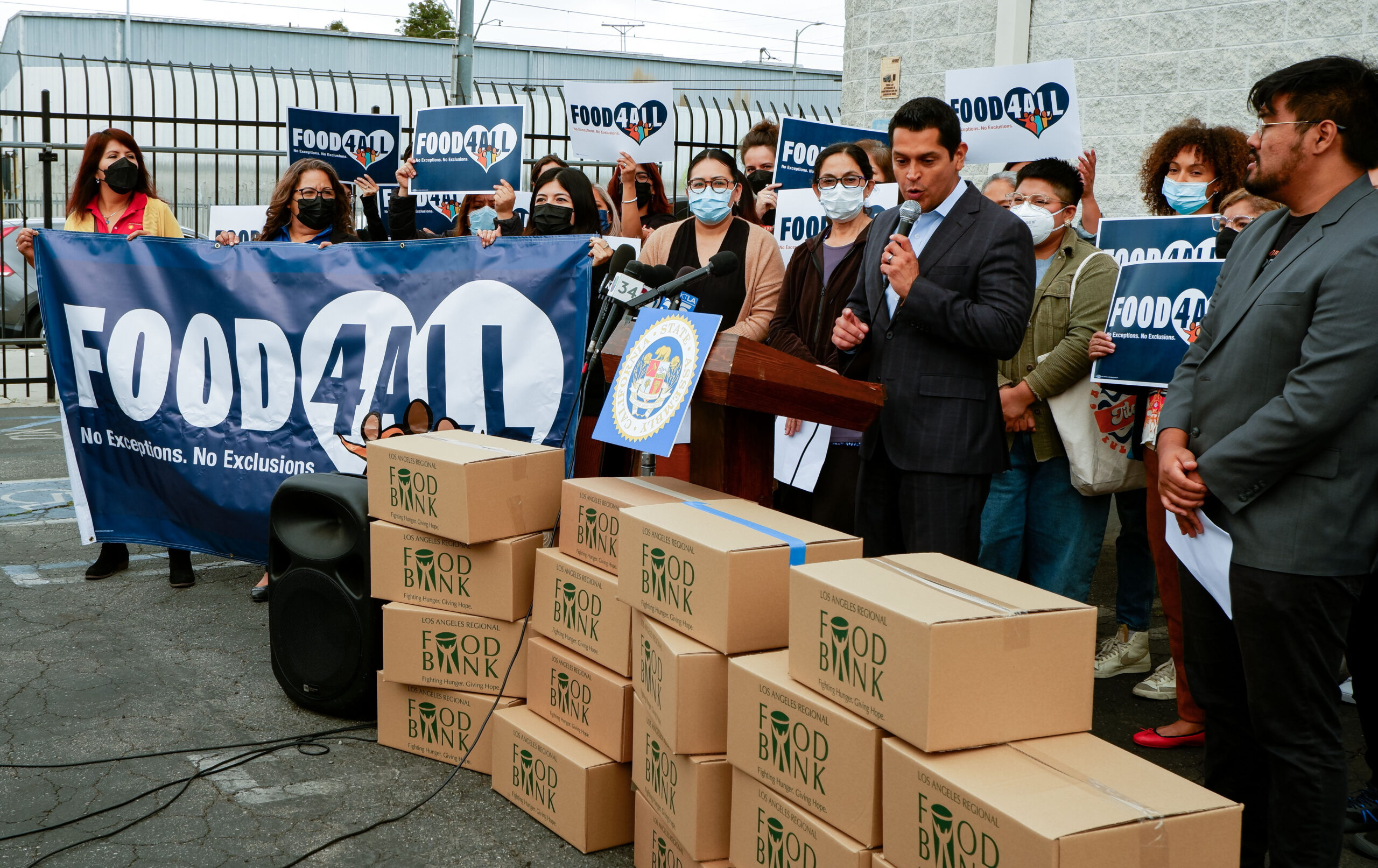
Across California, a robust network of food banks and pantries provides emergency food assistance to anyone in need, regardless of immigration status. Organizations like the California Association of Food Banks (CAFB) and numerous local food pantries operate on the principle of universal access. These organizations are often the first point of contact for undocumented families facing hunger, offering everything from fresh produce to shelf-stable goods. They are critical lifelines, ensuring that even those explicitly excluded from government programs can still access food, directly mitigating the harshest aspects of food insecurity on daily lifestyle.
Advocacy and Future Prospects
Advocacy groups consistently push for further expansion of state-funded food assistance, arguing that food security is a human right and that excluding individuals based on immigration status undermines public health and economic stability. These organizations highlight the significant contributions of undocumented immigrants to California’s economy and social fabric, making a strong case for inclusive policies. The ongoing legislative efforts and the phased expansion of CalFresh demonstrate the power of this advocacy. As California continues to evolve its approach, the goal remains to create a more equitable and food-secure environment for all residents, profoundly impacting the collective lifestyle of the state. The discussions and actions surrounding these policies significantly define the progressive lifestyle culture that California strives to embody.

The Broader Impact on Lifestyles and Well-being
The ability or inability of undocumented immigrants to access food stamps and other food assistance programs has profound implications for their overall lifestyle and well-being. Food security directly affects physical health, mental health, educational outcomes for children, and economic stability for families. When families are food insecure, they face chronic stress, poor nutrition, and reduced capacity to thrive. Children in such households are more likely to experience developmental delays and academic struggles, perpetuating cycles of poverty.
California’s proactive stance in expanding state-funded food assistance marks a significant departure from federal policy and offers a glimpse into a more inclusive future. By working to ensure that more of its residents have access to nutritional support, California is not only addressing immediate hunger but also fostering healthier, more stable communities. This commitment to inclusivity fundamentally shapes the “lifestyle” narrative of the state, demonstrating a society that values the well-being of all its members, regardless of their immigration status. While challenges remain, the progress made in California offers a vital model for how states can mitigate federal restrictions and work towards universal food security, thereby enhancing the quality of life for all its diverse populations.
LifeOutOfTheBox is a participant in the Amazon Services LLC Associates Program, an affiliate advertising program designed to provide a means for sites to earn advertising fees by advertising and linking to Amazon.com. Amazon, the Amazon logo, AmazonSupply, and the AmazonSupply logo are trademarks of Amazon.com, Inc. or its affiliates. As an Amazon Associate we earn affiliate commissions from qualifying purchases.