
For any traveler planning an adventure through the diverse landscapes of California, a fundamental question often arises: is the tap water safe to drink? The simple answer is overwhelmingly yes, but like any large and varied region, there are nuances that thoughtful visitors should understand to ensure a comfortable and healthy trip. California boasts some of the most rigorous water quality standards in the world, making its tap water generally safe and often of excellent quality for consumption.
The General Consensus: Safe for Travelers
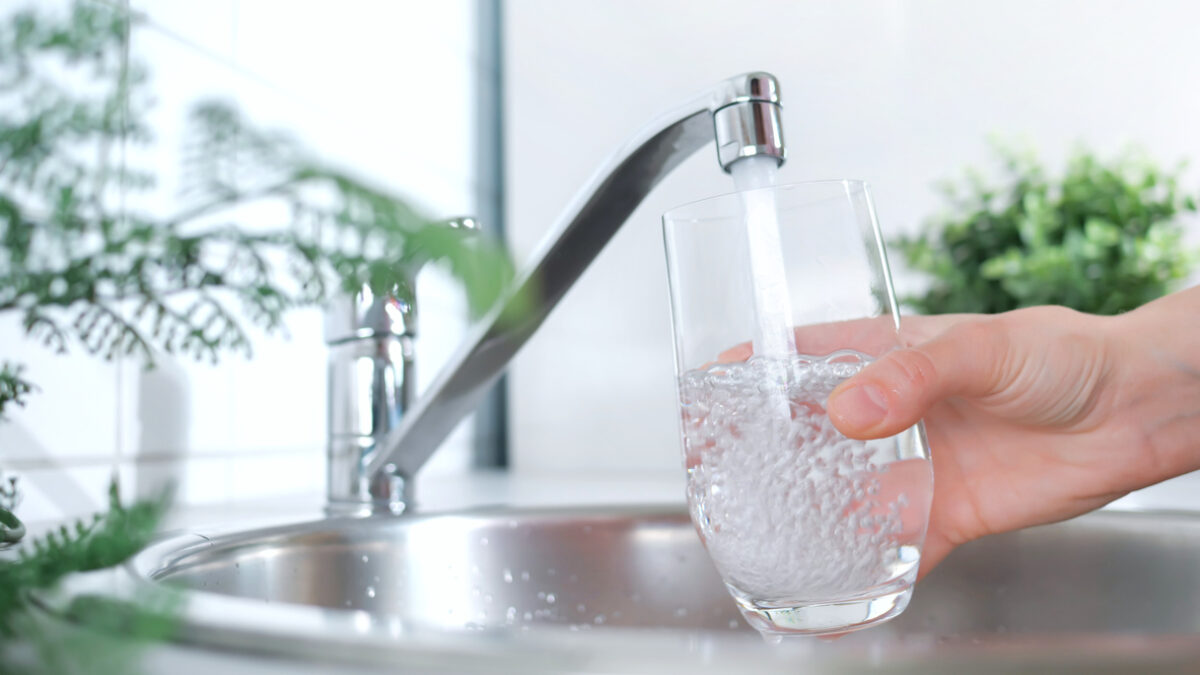
Travelers to California can typically fill their water bottles directly from the tap with confidence. The state’s public water systems are subject to stringent regulations set by both the U.S. Environmental Protection Agency (EPA) under the Safe Drinking Water Act and the California State Water Resources Control Board. These regulations mandate regular testing for a wide array of contaminants, including bacteria, viruses, chemicals, and heavy metals, ensuring that water delivered to homes and businesses meets high safety thresholds.

California’s Robust Water Standards
California’s commitment to public health means that water providers across the state consistently monitor and treat their water supplies. These extensive treatment processes typically involve filtration, disinfection (often with chlorine or chloramines), and other advanced methods designed to remove impurities and harmful microorganisms. The goal is to deliver water that is not only safe but also aesthetically pleasing, meaning it should be clear, odorless, and free from unpleasant tastes. For travelers, this translates to a reliable and readily available source of hydration without the constant need for bottled alternatives.
How Water Gets to Your Tap
The journey of California’s tap water is often a marvel of engineering. Water sources range from snowmelt in the Sierra Nevada mountains, which feeds major aqueducts supplying southern California cities like Los Angeles, to vast reservoirs, rivers, and groundwater basins. For instance, northern California cities like San Francisco often draw their water from pristine mountain watersheds like Hetch Hetchy, delivering some of the nation’s highest quality tap water. Understanding this robust infrastructure can give travelers peace of mind regarding the safety and origin of their drinking water.
Regional Variations and Local Considerations
While the general rule is safety, the taste and specific characteristics of tap water can vary significantly depending on where you are in California. These differences are typically due to the water’s source, the local geology it flows through, and the specific treatment methods employed by individual water districts.
Major Metropolitan Areas
In bustling cities like Los Angeles, San Francisco, San Diego, and Sacramento, tap water is consistently safe and meets all regulatory standards. These large urban centers benefit from extensive and well-funded water infrastructure that ensures high-quality delivery. For example, San Francisco’s Hetch Hetchy water is renowned for its softness and purity, often requiring minimal treatment beyond disinfection. In contrast, cities in Southern California might have harder water due to their reliance on imported water from the Colorado River and local groundwater sources. Travelers visiting these major destinations should have no reservations about drinking tap water.
Rural and Remote Regions
When venturing into more rural areas, particularly those served by smaller water systems or individual wells, the situation can be slightly different. While most rural public water systems also adhere to state and federal standards, some may have specific local challenges, such as higher mineral content or occasional localized advisories during natural events like floods or wildfires. Travelers exploring remote natural attractions like Yosemite National Park or Lake Tahoe will generally find safe tap water in developed areas and visitor centers. However, when backpacking or camping in truly undeveloped wilderness, it’s always wise to filter or treat any natural water sources, regardless of location, to guard against giardia or other waterborne pathogens.
Desalination and Imported Water
Certain coastal communities in California are increasingly turning to desalination plants, which convert seawater into potable water, to supplement their supplies. While this water is perfectly safe and undergoes rigorous treatment, some people may notice a slightly different taste compared to traditionally sourced water. Similarly, areas heavily reliant on imported water, such as those in the arid southern parts of the state, may experience water with varying mineral profiles, which primarily affects taste rather than safety.
Taste, Hardness, and Personal Preference
Beyond safety, the aesthetic qualities of water often influence a traveler’s decision to drink tap water. In California, taste and hardness are the most common factors that might lead to a preference for bottled water, even when tap water is perfectly safe.
Understanding Water Hardness
Water hardness refers to the concentration of dissolved minerals, primarily calcium and magnesium. Hard water is common in many parts of California, particularly in regions drawing from groundwater or the Colorado River. While hard water can leave mineral deposits on fixtures and affect the lathering of soap, it poses no health risks. In fact, some studies suggest that these minerals can contribute to dietary intake. Travelers accustomed to soft water might initially find California’s harder water to have a distinct mouthfeel or taste, which is a matter of perception, not safety.
Aesthetic Concerns vs. Safety

The most frequent aesthetic complaint about tap water is often a slight chlorine taste or smell. Chlorine is a crucial disinfectant used to kill harmful bacteria and viruses and is present in nearly all municipal water systems. While the levels used are safe for consumption, some sensitive palates can detect it. This is particularly true in areas where the water has traveled a long distance through the distribution system or during periods when water providers temporarily increase chlorine levels for maintenance.
Addressing Traveler Concerns
For travelers who are particularly sensitive to taste or prefer a completely neutral flavor, there are simple solutions. Allowing tap water to sit in an open container for 30 minutes can help dissipate chlorine, or chilling it can also improve the taste. A simple water filter pitcher, if staying in one location for an extended period, or a water bottle with a built-in filter, can also effectively remove chlorine and improve taste without resorting to single-use plastic bottles.
Practical Tips for Hydration on Your California Trip
Staying hydrated is crucial, especially when exploring California’s diverse climates, from arid deserts to sunny coastlines. Making informed choices about your water source can enhance your travel experience and reduce your environmental footprint.
Refillable Water Bottles: Eco-Friendly and Cost-Effective
One of the best practices for any traveler in California is to carry a reusable water bottle. Public water fountains are increasingly available in parks, attractions, and urban areas, and most restaurants and cafes are happy to provide tap water refills. This approach not only saves money but also significantly reduces plastic waste, aligning with California’s strong environmental ethos.
Portable Filters: When and Where They Might Be Useful
For travelers venturing into the backcountry or specific rural areas where taste might be a concern, a portable water filter can be a valuable addition. Small, lightweight filters can be integrated into water bottles or straws, providing an extra layer of purification and improving taste from any tap. They are particularly useful for those planning extensive hiking or camping outside designated campgrounds, where access to treated municipal water might be limited.
Buying Bottled Water: A Last Resort
While readily available, purchasing single-use bottled water should be considered a last resort. California has a significant challenge with plastic waste, and travelers can contribute positively by opting for tap water whenever possible. If bottled water is necessary, choose larger multi-gallon containers or look for brands that use recycled plastic.
Staying Informed
For those who wish to delve deeper, local water districts in California are required to publish annual Consumer Confidence Reports (CCRs) detailing their water quality test results. While probably overkill for a typical traveler, this information is publicly available and underscores the transparency and safety of the state’s water supply.
Environmental Impact and Sustainable Travel
California is a state acutely aware of its environmental responsibilities and challenges, particularly concerning water resources. Travelers have a unique opportunity to contribute positively to these efforts.
California’s Water Challenges
The state periodically faces drought conditions, which highlight the importance of water conservation. Using tap water wisely, taking shorter showers, and being mindful of water usage during your stay contributes to the state’s resilience. Understanding that your access to clean tap water is a privilege derived from a complex and often strained natural system fosters a more responsible travel mindset.
The Role of Travelers in Water Conservation
By choosing tap water over bottled, conserving water in your accommodation, and respecting water-saving advisories, travelers play an active role in sustainable tourism. This conscious effort helps preserve California’s natural beauty and resources for future generations of visitors and residents.
Reducing Plastic Waste
Opting for tap water is one of the easiest and most impactful ways a traveler can reduce their environmental footprint. The pervasive issue of plastic pollution, from our oceans to our parks, is exacerbated by single-use plastics. Embracing California’s safe tap water is a small but significant step towards more responsible and sustainable travel practices. In conclusion, adventurers can confidently drink tap water throughout most of California, enjoying a safe, sustainable, and readily available source of hydration for their journey.
LifeOutOfTheBox is a participant in the Amazon Services LLC Associates Program, an affiliate advertising program designed to provide a means for sites to earn advertising fees by advertising and linking to Amazon.com. Amazon, the Amazon logo, AmazonSupply, and the AmazonSupply logo are trademarks of Amazon.com, Inc. or its affiliates. As an Amazon Associate we earn affiliate commissions from qualifying purchases.