
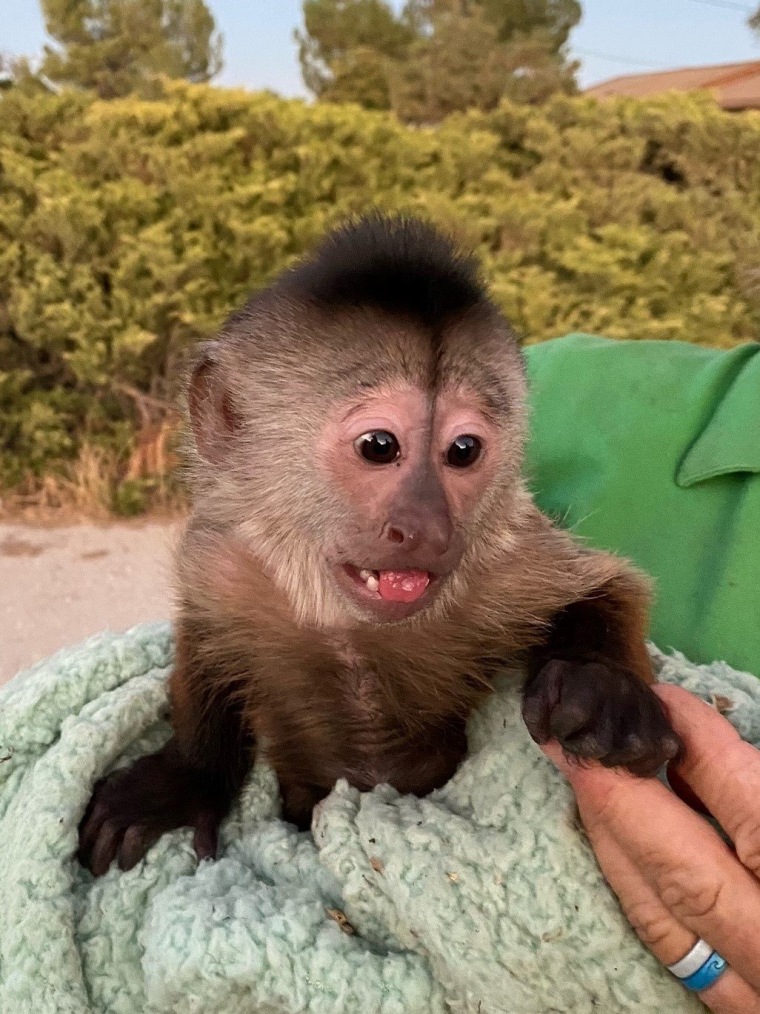
For many, the idea of owning a pet monkey evokes images of exotic companionship and a unique lifestyle. However, the reality, particularly in a state as environmentally conscious and regulated as California, is far more complex and restrictive. The simple answer to whether one can legally own a pet monkey in the Golden State is a resounding no, with very few, highly specific exceptions. Understanding the rationale behind these stringent prohibitions delves into the intersection of public safety, animal welfare, conservation efforts, and zoonotic disease prevention, painting a clear picture for those considering a primate companion in their home.

The Strict Legal Landscape of Exotic Pet Ownership
California maintains some of the toughest exotic animal laws in the United States, reflecting a deep commitment to environmental protection and responsible wildlife management. These regulations are designed to prevent the introduction of invasive species, protect native ecosystems, ensure public safety, and uphold the welfare of animals.
California’s Prohibitions on Primates
Under California law, specifically the California Fish and Game Code Sections 2116-2127, it is illegal for private citizens to own, possess, or import most exotic animals, including all species of non-human primates. This comprehensive ban encompasses everything from capuchin monkeys and marmosets to chimpanzees and macaques. The California Department of Fish and Wildlife (CDFW) is the primary agency responsible for enforcing these regulations, and violations can lead to severe penalties, including hefty fines, confiscation of the animal, and even imprisonment. The law makes no distinction based on the size, temperament, or perceived domestication of the primate; all are considered wild animals requiring specialized care and posing inherent risks that are deemed unsuitable for private ownership. The few exceptions to this rule are generally limited to accredited zoos, bona fide scientific research institutions, and legitimate wildlife rehabilitation facilities that operate under strict permits and oversight. These entities must demonstrate they have the expertise, resources, and facilities to properly house and care for primates, all while adhering to rigorous safety protocols.
Federal Regulations and Interstate Commerce
While state law dictates possession within California’s borders, federal laws also play a significant role, particularly concerning the commercial trade and transportation of exotic animals. The Animal Welfare Act (AWA), enforced by the U.S. Department of Agriculture (USDA), sets standards for the humane care and treatment of certain animals exhibited to the public, sold for research, or transported commercially. While the AWA doesn’t prohibit private ownership of all exotic animals, it does regulate their commercial sale and exhibition. For primates, anyone buying or selling across state lines, or exhibiting them for public viewing, must be licensed by the USDA. However, even with federal licensing, California’s state laws override, meaning that possessing a primate as a private pet remains illegal regardless of federal permits that might apply elsewhere. This dual layer of regulation ensures that animals are not simply moved from states with laxer laws into California without consequence.
Why Such Strict Regulations?
The stringent laws surrounding primate ownership in California are not arbitrary. They are the result of extensive research and experience, addressing multiple layers of risk and ethical considerations that arise when wild animals are kept in domestic settings.
Public Safety Concerns
Monkeys, even small ones, are wild animals with unpredictable behaviors driven by instinct rather than domestication. They possess significant strength, sharp teeth, and claws, making them capable of inflicting serious injuries on humans, including their owners and innocent bystanders. As they mature, their behavior can become aggressive, territorial, or highly defensive, especially during breeding seasons or if they feel threatened. Diseases, bites, and scratches are not uncommon among private primate owners, often leading to severe health complications and legal liabilities. The risk extends beyond direct physical harm; an escaped primate could cause property damage, create traffic hazards, or introduce disease into local wildlife populations.
Animal Welfare and Conservation
From an animal welfare perspective, housing primates in a typical home environment is rarely adequate to meet their complex needs. Primates require specialized diets, vast enclosures that mimic their natural habitats, enrichment opportunities to stimulate their highly intelligent minds, and social structures with other primates. Deprived of these essentials, monkeys often suffer from severe psychological distress, leading to self-mutilation, aggression, and other aberrant behaviors. Furthermore, the demand for pet monkeys often fuels the illegal wildlife trade, contributing to poaching, habitat destruction, and the endangerment of wild primate populations. By prohibiting private ownership, California aims to reduce this demand and support global conservation efforts.
Zoonotic Disease Risks
Primates are carriers of numerous zoonotic diseases—illnesses that can be transmitted from animals to humans. These include herpes B virus, monkeypox, tuberculosis, measles, hepatitis, and various parasitic infections. Many of these diseases can be life-threatening to humans, and some can spread rapidly through communities. The risk of transmission is particularly high in close contact settings, such as a home. Monitoring and treating these diseases in primates requires highly specialized veterinary care, which is often unavailable or prohibitively expensive for private owners. The Centers for Disease Control and Prevention (CDC) has issued strong warnings against private primate ownership due to these significant public health risks.
Understanding the Permit Process (If Any Exceptions Exist)
While outright private ownership is forbidden, there are specific, highly regulated circumstances under which primates can be legally housed in California. These are not avenues for private pet ownership but rather for specialized institutions.
Limited Scope for Scientific or Educational Institutions

Accredited zoos, such as the San Diego Zoo Wildlife Alliance, and legitimate scientific research facilities may obtain permits from the CDFW to possess primates. These institutions undergo rigorous inspections and must demonstrate their capacity to provide exceptional care, maintain secure enclosures, and adhere to strict safety protocols. Their purpose is primarily for scientific study, conservation breeding programs, or public education, contributing to our understanding and appreciation of these species, rather than private entertainment. The application process is extensive, requiring detailed plans for housing, feeding, veterinary care, and emergency response.
Wildlife Sanctuaries and Rehabilitation Centers
Similarly, bona fide wildlife sanctuaries and rehabilitation centers that specialize in caring for exotic animals, including primates, may also be granted permits. Organizations like the Performing Animal Welfare Society (PAWS) in California rescue and provide lifetime care for primates seized from illegal private ownership, retired from entertainment, or surrendered by individuals in states where ownership was once legal. These facilities are non-profit and dedicated solely to the welfare of their animal residents, providing an environment that prioritizes their natural behaviors and health. They do not allow public contact with the animals in a manner that would jeopardize their welfare or public safety.
The Ethical and Practical Realities of Primate Ownership
Beyond the legal restrictions, the ethical and practical challenges of owning a pet monkey are profound and often insurmountable for individuals.
Complex Needs and Lifespan
Monkeys have extraordinarily complex physical, psychological, and social needs. They are highly intelligent, curious, and require constant mental and physical stimulation. In the wild, they live in intricate social groups, and depriving them of this interaction can lead to severe behavioral problems. Primates also have long lifespans, often living 20-40 years, which represents a lifelong commitment demanding significant resources and dedication. Their dietary requirements are specialized, and access to a veterinarian experienced in primate medicine is crucial but often difficult to find.
Financial Commitment
The financial burden of owning a primate is immense. Initial acquisition costs can range from thousands to tens of thousands of dollars, assuming legal purchase. However, the ongoing expenses far exceed this. Specialized enclosures, climate control, exotic primate diets, enrichment items, and frequent veterinary care (which can be exorbitant due to the rarity of specialists and the complexity of primate health) can easily cost thousands of dollars annually. Furthermore, liability insurance for owning such an animal is often difficult to obtain and expensive.
Social and Behavioral Challenges
As primates mature, their behaviors often become challenging and aggressive. Even “tame” monkeys can revert to wild instincts. They mark territory, bite when stressed or fearful, and can display unpredictable aggression, particularly as they reach sexual maturity. Integrating them into a human family environment often leads to conflicts, as their social cues and communication differ vastly from ours. The idealized image of a primate companion rarely aligns with the challenging reality of living with an undomesticated animal that never truly becomes a “pet” in the conventional sense.
Alternatives for Primate Enthusiasts
For those who are fascinated by primates and wish to engage with them responsibly, there are numerous ethical and legal alternatives that benefit both humans and animals.
Volunteering at Sanctuaries
Many reputable primate sanctuaries and wildlife rehabilitation centers, both within and outside California, rely on volunteers. Volunteering provides an invaluable opportunity to learn about primates firsthand, assist with their care, and contribute to their well-being in an appropriate environment. This hands-on experience allows enthusiasts to connect with these incredible animals while supporting their welfare and conservation.
Supporting Conservation Efforts
Contributing financially or through advocacy to organizations dedicated to primate conservation in their natural habitats is another impactful way to express appreciation. These groups work to protect forests, combat poaching, and educate local communities, ensuring the survival of various primate species for future generations. Donating to or joining organizations like the Jane Goodall Institute or the World Wildlife Fund helps secure a future for primates where they belong – in the wild.
Educational Programs
Visiting accredited zoos and wildlife parks that house primates offers an educational and engaging experience. Institutions like the San Diego Zoo and the Los Angeles Zoo provide opportunities to observe primates in well-designed habitats, learn about their biology and behavior, and understand the critical conservation challenges they face. Educational programs and interactive exhibits often provide deeper insights than private ownership ever could, fostering respect and understanding without compromising animal welfare or public safety.
In conclusion, while the allure of a pet monkey might be strong, the legal, ethical, and practical considerations in California firmly position private primate ownership as an irresponsible and illegal endeavor. The state’s comprehensive prohibitions protect both humans and animals, guiding enthusiasts toward more sustainable and benevolent ways to engage with these fascinating creatures.
LifeOutOfTheBox is a participant in the Amazon Services LLC Associates Program, an affiliate advertising program designed to provide a means for sites to earn advertising fees by advertising and linking to Amazon.com. Amazon, the Amazon logo, AmazonSupply, and the AmazonSupply logo are trademarks of Amazon.com, Inc. or its affiliates. As an Amazon Associate we earn affiliate commissions from qualifying purchases.