
California, often envisioned as a land of sun-drenched beaches, perpetually warm temperatures, and palm-lined boulevards, holds a surprising secret for many travelers: it experiences significant snowfall. While the state’s iconic coastal cities like Los Angeles and San Francisco rarely see flurries, vast swathes of its mountainous terrain transform into stunning winter wonderlands each year. For the astute traveler, this duality presents unique opportunities, offering the chance to experience diverse landscapes, from surfing waves to skiing slopes, often within the same trip.
The Golden State’s Unexpected Winter Wonderland
The perception of California as an eternally warm destination is only partially true. While its extensive coastline indeed boasts a Mediterranean climate, the state’s diverse geography includes towering mountain ranges that climb well above the snow line. The most prominent of these is the majestic Sierra Nevada, a colossal range that stretches for over 400 miles along California’s eastern flank. Here, winter is not just a season but a dominant force, blanketing peaks and valleys with feet, and sometimes dozens of feet, of pristine snow. This dramatic topographical variation is what allows California to offer everything from desert heat and ocean breezes to alpine chill and deep snowpacks, making it a truly unique travel destination.
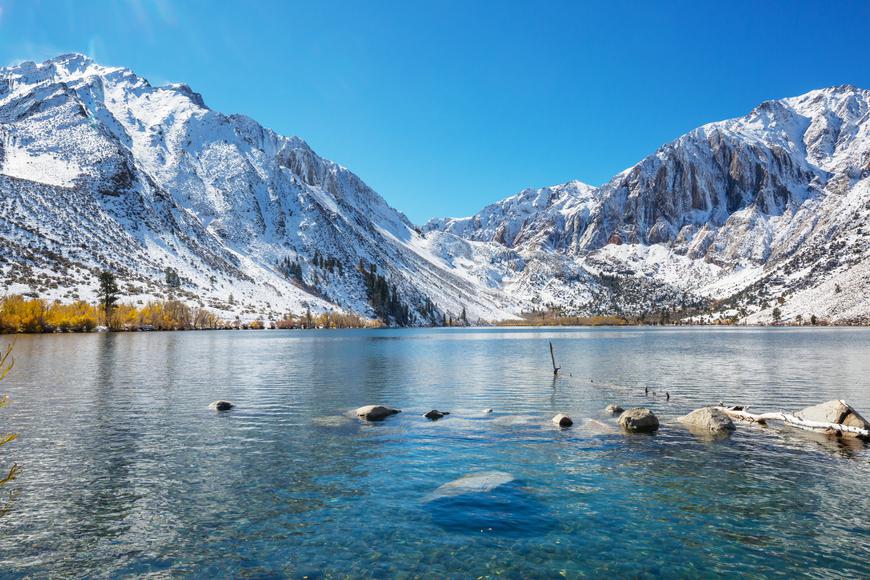
Beyond the Sierra Nevada, other mountain ranges across the state also receive consistent snowfall. In Southern California, the San Bernardino Mountains and San Gabriel Mountains become accessible winter playgrounds, popular with residents of nearby metropolitan areas. Further north, isolated volcanoes and high-elevation plateaus also contribute to the state’s snowy tapestry. This rich geological diversity ensures that whether you’re seeking world-class skiing, serene snowshoeing, or simply a cozy cabin retreat amidst a snowy landscape, California delivers an unexpected, yet utterly captivating, winter experience.
Prime Snow Destinations in California
When planning a winter escape to California, knowing where to find the best snow is key. The state’s diverse geography offers several distinct regions, each with its own character and array of snow-related activities.
Sierra Nevada Mountains: The Epicenter of Snow
The Sierra Nevada is undoubtedly California’s premier snow destination. Its colossal peaks capture abundant moisture from Pacific storms, creating some of the deepest snowpacks in the contiguous United States.
One of the most famous destinations here is Lake Tahoe, straddling the border with Nevada. Both the North Shore and South Shore offer an incredible array of ski resorts. On the North Shore, resorts like Palisades Tahoe (formerly Squaw Valley Alpine Meadows) and Northstar California Resort provide vast terrains, luxurious amenities, and vibrant village atmospheres. The South Shore is home to Heavenly Ski Resort, known for its breathtaking lake views and lively après-ski scene. Beyond downhill skiing and snowboarding, Lake Tahoe is a hub for cross-country skiing, snowshoeing, tubing, and scenic drives, with opportunities for ice skating at various rinks.
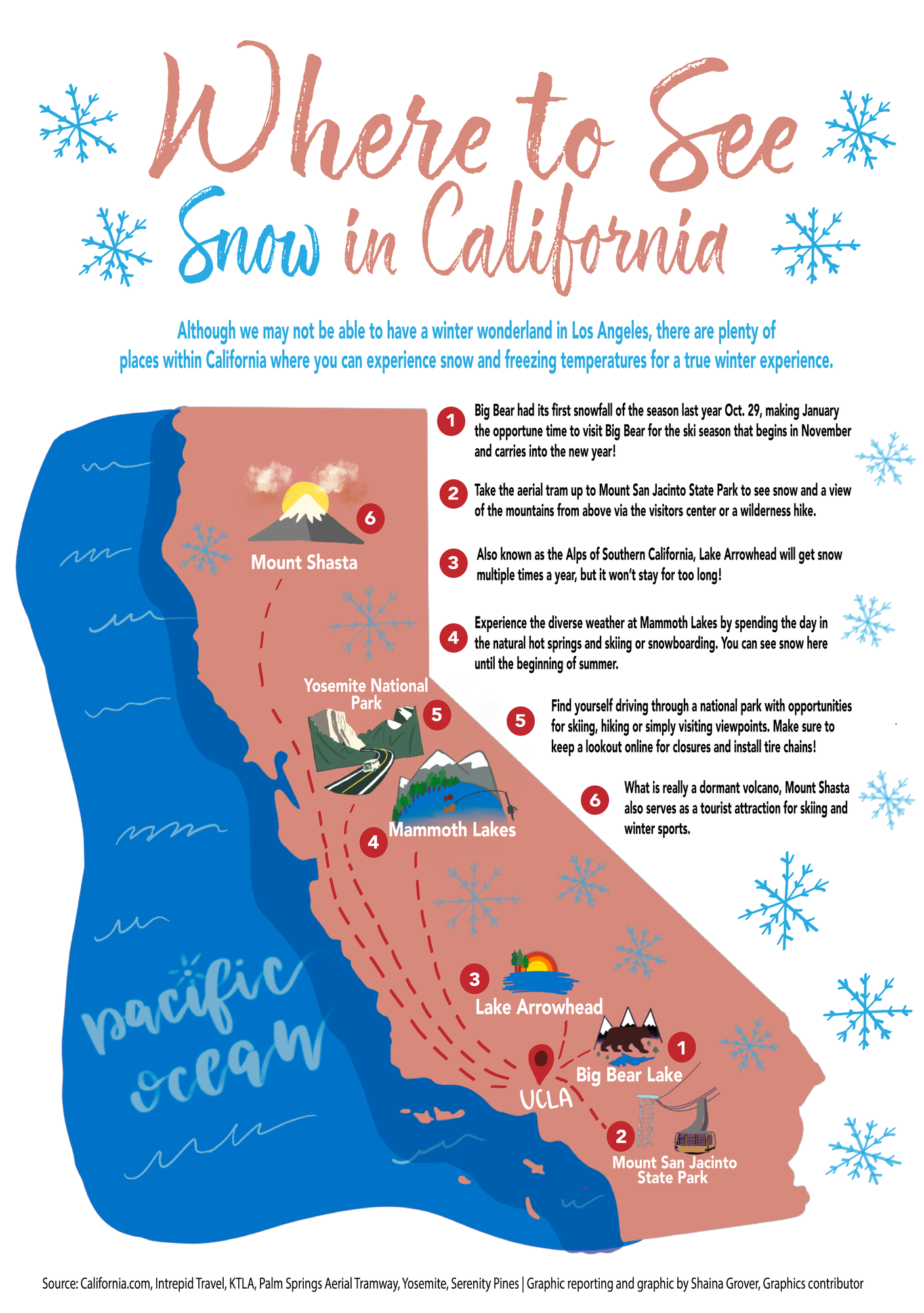
Further south in the Sierra Nevada lies Mammoth Lakes, home to Mammoth Mountain Ski Area. This resort boasts one of the longest ski seasons in North America, often extending well into June or even July. Mammoth Lakes is famous for its high elevation, reliable snow, and diverse terrain that caters to all skill levels. The town itself offers a charming base with abundant dining and lodging options.
A truly unique winter experience can be found in Yosemite National Park. While some roads and facilities close for the winter, the beauty of Yosemite under a blanket of snow is unparalleled. Iconic landmarks like El Capitan and Half Dome stand even more majestically against a snowy backdrop. Visitors can enjoy cross-country skiing, snowshoeing, and ice skating at Curry Village. The tranquil solitude of Yosemite’s winter landscape offers a stark contrast to its bustling summer months.
Southern California’s Snowy Escapes
For those in Southern California, a snowy retreat is surprisingly close. The San Bernardino Mountains, just a couple of hours’ drive from Los Angeles, are home to popular destinations like Big Bear Lake and Lake Arrowhead.
Big Bear Lake is the region’s most prominent winter resort town, offering two main ski areas: Snow Summit and Bear Mountain. Both resorts cater to families and offer diverse runs, terrain parks, and ski lessons. The town of Big Bear Lake provides a full range of accommodations, restaurants, and shops, creating a complete winter vacation experience. Activities beyond skiing include snow tubing, snowshoeing, and even bald eagle watching. Lake Arrowhead, known as the “Alps of Southern California”, offers a more upscale and serene experience, with stunning lake views and charming village shops. While it doesn’t have large ski resorts directly, it’s a short drive to smaller ski areas and offers ample opportunities for winter hiking and enjoying the peaceful snowy scenery.
Even closer to the desert oasis of Palm Springs, Mount San Jacinto provides a dramatic elevation change via the Palm Springs Aerial Tramway. Ascending from the desert floor to an elevation of over 8,500 feet, visitors can find snow for cross-country skiing and snowshoeing at the top, often while the valley below remains sunny and warm.
Northern California’s High Peaks
Northern California also boasts its own majestic snowy destinations. The towering, symmetrical peak of Mount Shasta, an active volcano, offers a unique draw for experienced skiers and mountaineers. The Mount Shasta Ski Park provides excellent downhill opportunities, while the surrounding wilderness is perfect for backcountry skiing and snowshoeing.
Further east, Lassen Volcanic National Park transforms into a pristine snowy landscape in winter. While roads often close, the park is accessible for snowshoeing and cross-country skiing, allowing visitors to explore its unique hydrothermal features under a blanket of white. It’s a quieter, more rugged winter experience compared to the bustling resorts of Tahoe.
Planning Your California Snow Trip
A successful winter trip to California requires careful planning, especially given the state’s varied terrain and microclimates.
Best Time to Visit
The prime snow season in California generally runs from December through March. January and February typically offer the deepest snowpacks and best conditions for winter sports. However, destinations like Mammoth Mountain can often extend their seasons well into spring, offering excellent spring skiing under sunny skies. Early season (November-December) can be unpredictable, with base depths building, while late season (March-April) often sees warmer temperatures and corn snow, which can be delightful for cruising. Always check current snow reports and forecasts for your chosen destination before departing.
Essential Gear and Preparation
Layering is crucial for any winter activity in California’s mountains, as temperatures can fluctuate wildly. Pack waterproof outer shells, insulating layers, and moisture-wicking base layers. Don’t forget waterproof gloves, a warm hat, and sunglasses or goggles to protect against glare from the snow. Sunscreen is also vital, as the high altitude intensifies UV rays.
For those driving to snowy areas, particularly the Sierra Nevada, prepare your vehicle. Winter tires or snow chains are often mandatory, and regulations can change quickly based on conditions. Always carry chains, even if your vehicle has 4WD, and know how to install them. Check road conditions via Caltrans (the California Department of Transportation) before and during your journey. Booking accommodations and popular activities, such as ski lessons or snowmobile tours, well in advance is highly recommended, especially during peak holiday periods and weekends.
Activities Beyond Skiing
While skiing and snowboarding are primary draws, California’s snowy landscapes offer a wealth of other activities. Snowshoeing and cross-country skiing provide serene ways to explore tranquil forests and enjoy breathtaking views away from the resort crowds. Many areas have designated tubing and sledding hills for family fun. Ice skating rinks can be found in towns like Lake Tahoe and Big Bear Lake. For those seeking relaxation, cozy lodges with fireplaces offer a perfect setting for hot cocoa and good books. Some regions also boast natural hot springs, providing a unique way to warm up after a day in the snow.
Combining Snow with Other California Experiences
One of California’s most remarkable travel propositions is the ability to experience vastly different climates and activities within a short distance.
Coastal California to Snowy Peaks
Imagine starting your day with a morning stroll on a sunny beach in Santa Monica or San Diego, and by afternoon, finding yourself amidst snow-covered pines in the mountains. This dream is a tangible reality in California. Travelers can realistically combine a surfing lesson with an afternoon of snowshoeing if conditions align. For example, a trip beginning in San Francisco could seamlessly transition to the ski slopes of Lake Tahoe with just a few hours’ drive. Similarly, from Los Angeles, a two-hour drive can take you from the bustling city to the alpine charm of Big Bear Lake. This unique geographical advantage allows for truly diverse and memorable travel itineraries.
Urban Adventures and Mountain Retreats
Beyond the coast, California’s major cities serve as excellent gateways to its snowy regions. Sacramento, the state capital, is ideally positioned as a starting point for exploring the Sierra Nevada foothills and beyond. Visitors can enjoy the city’s rich history and vibrant food scene before heading east for a mountain escape. This blend of urban sophistication and natural wilderness offers a comprehensive travel experience, allowing visitors to immerse themselves in both the cultural heartbeat and the serene beauty of the Golden State.

Unique Winter Travel Tips for California
When embarking on a winter journey through California’s snow zones, a few specific tips can enhance your experience. Always keep an eye on road conditions, especially after major storms. Caltrans provides real-time updates and will inform you of any chain requirements or road closures. It’s wise to pack extra snacks, water, and emergency supplies for potential delays.
Consider traveling during off-peak times, such as weekdays, to avoid crowds at popular resorts and on mountain roads. This can lead to a more relaxed experience and better deals on accommodations. Finally, remember to respect the delicate alpine environment and local communities. Practice Leave No Trace principles, stay on marked trails, and support local businesses. California’s snowy landscapes are a treasure, and enjoying them responsibly ensures they remain pristine for future travelers.
LifeOutOfTheBox is a participant in the Amazon Services LLC Associates Program, an affiliate advertising program designed to provide a means for sites to earn advertising fees by advertising and linking to Amazon.com. Amazon, the Amazon logo, AmazonSupply, and the AmazonSupply logo are trademarks of Amazon.com, Inc. or its affiliates. As an Amazon Associate we earn affiliate commissions from qualifying purchases.