
Navigating the intricacies of vehicle ownership in California can often feel like a complex journey, especially when it comes to the administrative tasks required to make your new car legally roadworthy. For many, the question of whether a dealership handles the car registration process is a significant point of curiosity and relief. The good news for prospective car owners in the Golden State is that, in the vast majority of cases, licensed dealerships indeed play a crucial role in registering your vehicle with the California Department of Motor Vehicles (DMV). This service is a standard part of the sales transaction, designed to streamline the process for the buyer and ensure compliance with state regulations. Understanding this system is vital for a smooth transition into new vehicle ownership, alleviating potential stress and administrative burdens that might otherwise fall squarely on your shoulders. It’s a key aspect of managing your lifestyle effectively, ensuring you can enjoy your new car without immediate bureaucratic hurdles.
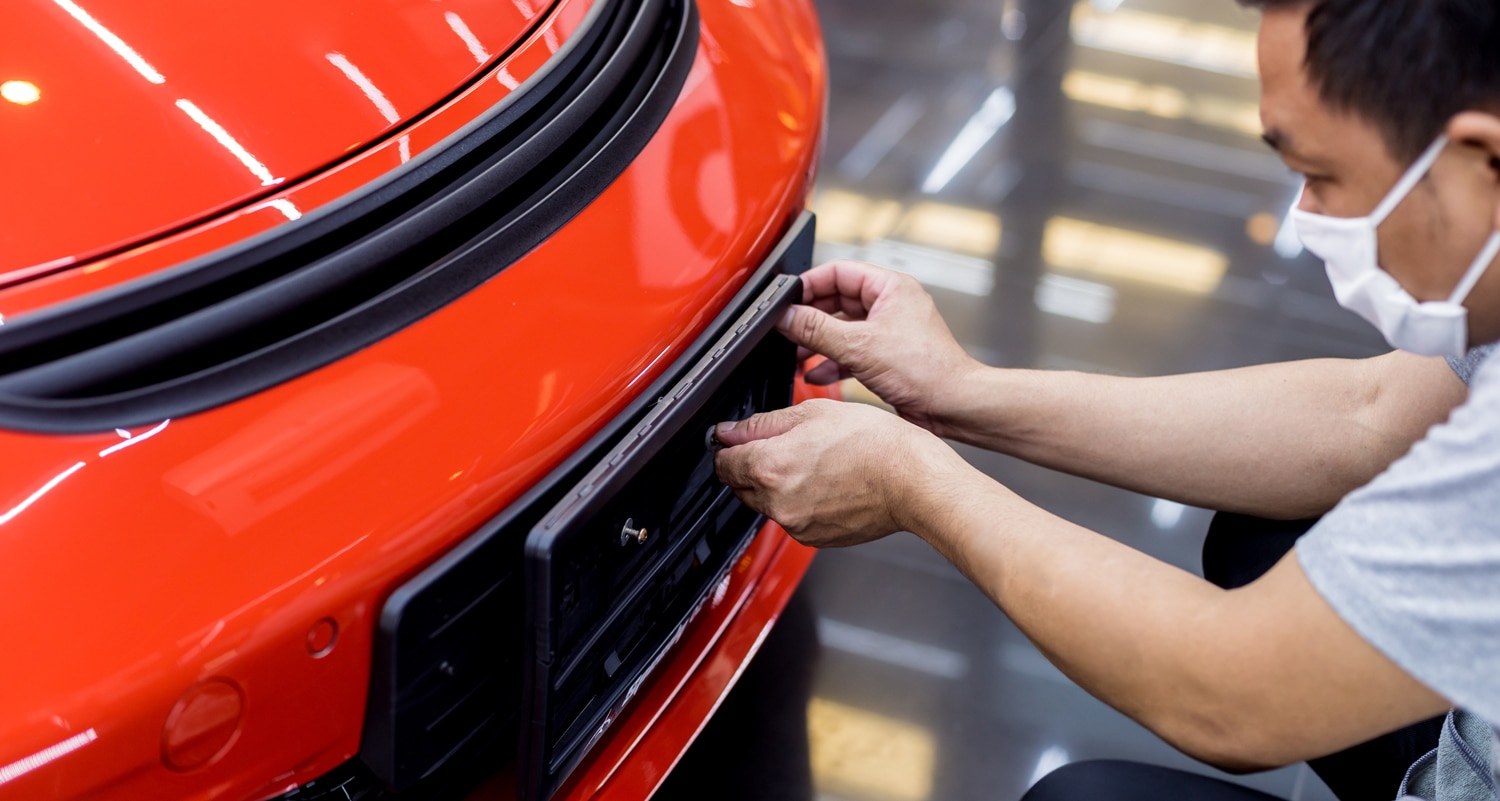
The Standard Practice: Dealerships as DMV Liaisons
When you purchase a new or used vehicle from a licensed dealership in California, you’re not just buying a car; you’re often buying into a service package that includes handling the initial registration. This is a common and expected practice that benefits both the buyer and the state. Dealerships act as an intermediary, submitting the necessary paperwork and fees to the DMV on your behalf. This significantly simplifies what could otherwise be a time-consuming and confusing process for the individual consumer, allowing them to focus on the excitement of their new purchase rather than the minutiae of state bureaucracy. The convenience offered by this system is a cornerstone of the modern car-buying experience, reflecting an understanding that vehicle acquisition is a significant life event that should be as seamless as possible.
What Registration Entails
Vehicle registration in California involves several key components. It encompasses the official recording of your vehicle’s information and ownership details with the state, the payment of various fees and taxes, and the issuance of license plates and a registration card. This entire package ensures that your vehicle is legally permitted on public roads. It covers everything from proving you’re the rightful owner to certifying that the vehicle meets environmental and safety standards. Dealerships typically manage the submission of the application for title and registration, collect the necessary fees, and provide you with temporary operating permits until your permanent documents arrive. This comprehensive approach is designed to prevent oversights and ensure all legal requirements are met, underpinning the responsible lifestyle of a car owner.
The Convenience Factor
The primary advantage of dealerships handling registration is the immense convenience it offers. Imagine having to gather all the required forms, understand the various fees, make an appointment at a frequently busy DMV office, and navigate the submission process yourself. For most people, this would be a significant deterrent. Dealerships, with their established processes and direct lines to the DMV, remove this burden. They are experienced in handling these transactions daily, minimizing errors and delays. This allows you to drive off the lot with peace of mind, knowing that the legal groundwork for your vehicle’s operation is being managed professionally. This efficiency is especially valuable for individuals with busy lifestyles, who simply don’t have the time to dedicate to extensive administrative tasks.
Temporary Tags vs. Permanent Plates
When you drive your new car off the dealership lot, you typically won’t have your permanent California license plates immediately. Instead, the dealership will issue you temporary operating permits or paper license plates. These temporary tags allow you to legally operate your vehicle while the official registration process is completed by the DMV. The validity period for these temporary permits can vary, but they are generally sufficient to cover the time it takes for your permanent plates and registration card to be mailed to you. It’s crucial to understand the expiration date of your temporary tags and to contact the dealership or DMV if you haven’t received your permanent documents before they expire. This interim period is a standard part of the process, ensuring continuous legal compliance from the moment of purchase.
Understanding the Process: What Dealerships Handle
The scope of what dealerships handle regarding car registration is quite extensive, covering most of the financial and legal aspects required by the state. Their role extends beyond merely filling out forms; they are responsible for collecting and remitting specific taxes and fees, facilitating the transfer of vehicle ownership, and often ensuring other prerequisites like emissions checks are met. This comprehensive service is crucial for anyone engaging in the significant lifestyle decision of purchasing a vehicle, particularly in a state with as many regulations as California. Understanding these components helps you appreciate the value added by the dealership in this process.
Sales Tax and Fees
One of the most significant financial aspects handled by the dealership is the collection and remittance of sales tax. In California, sales tax applies to vehicle purchases, and the dealership is legally obligated to collect this from you at the point of sale. Beyond sales tax, they also collect various DMV fees, which can include registration fees, vehicle license fees, weighty fees (for certain vehicles), and potentially surcharges for specific programs or districts. These fees are itemized on your purchase agreement, so you have full transparency regarding what you are paying. The dealership then consolidates these funds and sends them to the appropriate state agencies, ensuring you don’t have to make separate payments to different governmental bodies.
Vehicle Title and Ownership Transfer
A core component of registration is the transfer of the vehicle’s title. The title is the legal document that establishes ownership. When you buy a car from a dealership, they are responsible for processing the title transfer from the previous owner (or from their inventory) to your name. This involves submitting the appropriate forms to the DMV, which will then issue a new title certificate bearing your name. This step is critical for protecting your ownership rights and is a prerequisite for legal registration. Without a proper title transfer, you cannot legally register the vehicle or prove you own it, highlighting the dealership’s essential role in securing your asset.
Emissions Testing (Smog Check) Considerations
California is known for its strict environmental regulations, and emissions testing, commonly known as a smog check, is a mandatory requirement for most vehicles. For vehicles sold by dealerships, the dealership is typically responsible for ensuring the vehicle has passed a valid smog check before it is sold. This is particularly true for used cars. They must provide you with a valid smog certificate (or ensure the vehicle is exempt) as part of the sales transaction. New vehicles generally have an exemption for the first few years. This pre-emptive measure saves you the hassle of arranging a smog check yourself post-purchase, ensuring your vehicle meets state environmental standards from day one, which is an important aspect of responsible lifestyle and environmental stewardship.
Out-of-State Purchases and California Residency
While dealerships handle registration for cars bought within California, the process can differ if you purchase a vehicle out-of-state and intend to register it in California. In such cases, the out-of-state dealership will handle the registration according to their state’s laws, and you will then be responsible for initiating the registration process with the California DMV yourself. This usually involves presenting proof of ownership, an out-of-state title, a smog certificate (if applicable), and possibly a VIN verification. The complexities of bringing an out-of-state vehicle into compliance with California emissions standards can also be significant. This highlights a crucial distinction where the standard dealership convenience might not apply, requiring more direct engagement from the car owner to adapt their lifestyle to state regulations.
When Things Get Complicated: Exceptions and Special Cases
While dealerships handle the registration for the majority of new and used car sales, there are specific scenarios where their involvement might be limited, or the process requires direct action from the buyer. These exceptions are important to understand to avoid unexpected administrative burdens and to ensure you remain compliant with California law. Recognizing these special cases is part of being an informed consumer and managing your lifestyle effectively when it comes to vehicle ownership.
Private Party Sales

When you purchase a vehicle from a private seller rather than a licensed dealership, the responsibility for registration falls entirely on you, the buyer. The seller is typically responsible for providing you with a properly signed title and a valid smog certificate. You, however, must take these documents, along with proof of insurance and identification, to the DMV to complete the title transfer and registration. This process involves filling out various forms, calculating and paying sales tax (if applicable, often based on the county of residence), and remitting all necessary registration fees. It’s a more hands-on approach that requires careful attention to detail and understanding of DMV requirements, significantly differing from the dealership experience.
Leased Vehicles
For leased vehicles, the registration process is slightly different but still primarily managed by the leasing company or the dealership facilitating the lease. While you are the primary operator of the vehicle, the leasing company remains the legal owner. Therefore, they are responsible for ensuring the vehicle is registered and that all associated fees and taxes are paid. These costs are typically incorporated into your monthly lease payments. When you pick up a leased car, it will also have temporary tags, and the permanent registration documents will be sent to the leasing company, who may then forward a copy to you. This structure minimizes your administrative involvement, making it a convenient option for certain lifestyles.
Vehicles Purchased Out-of-State
As touched upon earlier, if you buy a vehicle from a dealership outside of California and intend to register it in the state, the California DMV requires you to complete the registration process yourself. You will need to bring the out-of-state title, a bill of sale, proof of residency, a valid California smog certificate (for most vehicles), and sometimes a Vehicle Identification Number (VIN) verification, which can be done by the DMV or an authorized verifier. It is crucial to be aware of California’s specific emissions requirements for vehicles originally manufactured for sale in other states, as some vehicles may not be compliant. This scenario demands thorough research and preparation to ensure a smooth transition into California car ownership.
Non-Standard Vehicles or Customizations
Certain types of vehicles or heavily customized cars might present unique challenges to the standard registration process, even with dealership assistance. This could include classic cars, kit cars, or vehicles with significant aftermarket modifications. While a dealership will handle standard registration for new and used vehicles, specialized vehicles might require additional inspections, certifications, or specific forms that fall outside the dealership’s routine operations. In such instances, the buyer may need to work more closely with the DMV or other state agencies to ensure all unique requirements are met. This often appeals to a niche lifestyle, where the joy of unique ownership also comes with increased administrative responsibility.
Your Role in the Registration Process
Even with the significant support provided by dealerships, you, as the car buyer, still have a vital role to play in ensuring a smooth and successful registration. Your involvement typically centers around providing accurate information, presenting necessary documentation, and understanding the financial obligations associated with your purchase. Active participation in these areas contributes to a hassle-free experience and reflects a responsible approach to managing your personal lifestyle and assets.
Essential Documentation
Before finalizing your vehicle purchase, the dealership will require several key documents from you. This typically includes a valid California driver’s license or identification card, proof of insurance (which is mandatory for vehicle registration in California), and sometimes proof of residency. If you are financing the vehicle, you’ll also need to provide financial information and sign loan agreements. It is imperative to have these documents readily available and ensure all information is accurate to prevent delays in the registration process. Any discrepancies could halt the process, requiring further trips to the dealership or DMV and impacting your ability to use your new car immediately.
Verification and Follow-Up
While the dealership handles the submission of paperwork, it’s good practice to verify what has been submitted and to keep an eye on the process. Ensure you receive copies of all signed documents, including the bill of sale, temporary registration, and any forms related to the title and registration application. Pay attention to the expected timeframe for receiving your permanent license plates and registration card. If these documents don’t arrive within the anticipated window, it’s prudent to follow up with the dealership first, and then the DMV if necessary. This proactive approach helps catch any potential errors or delays early, preventing issues like driving with expired temporary tags.
Understanding the Costs
Part of your role is to fully understand all the costs associated with the vehicle purchase, including those related to registration. The dealership will provide you with a detailed breakdown of the vehicle price, sales tax, various DMV fees, and any other charges. Carefully review these figures and ask questions if anything is unclear. Being informed about these expenses not only helps with budgeting but also ensures you’re not paying for services or fees that are unnecessary. This transparency in financial transactions is a cornerstone of responsible consumerism and a key element in managing your financial lifestyle effectively.
Beyond the Dealership: What Happens Next?
Once you’ve driven your new car off the lot and the dealership has submitted all the necessary paperwork, the registration process transitions to the California DMV. While your direct involvement may lessen during this period, understanding what to expect next is crucial for completing your car ownership journey and ensuring long-term compliance. This final stage solidifies your vehicle’s legal status and integrates it fully into your daily lifestyle.
Receiving Your Official Documents
After the dealership submits your registration application and fees, the DMV will process the information. Typically, within a few weeks, you should receive your official California license plates, a registration card, and the vehicle’s title certificate (or notification that the title has been sent to your lienholder if you financed the car) by mail. The registration card should be kept in your vehicle at all times, as required by law. The title certificate is a crucial document proving ownership and should be stored in a secure location, separate from the vehicle itself. Verify that all the information on these documents is correct upon arrival.
Annual Renewals and Future Compliance
The initial registration processed by the dealership is valid for a specific period, usually one year. After this, you will be responsible for renewing your vehicle’s registration annually. The DMV will send you a renewal notice in the mail, detailing the fees due and any requirements, such as an updated smog check. You can typically renew your registration online, by mail, or in person at a DMV office or authorized business partner. Staying on top of these annual renewals is a fundamental aspect of responsible vehicle ownership and maintaining a compliant driving lifestyle in California. Failure to renew can result in penalties, fines, and even vehicle impoundment.
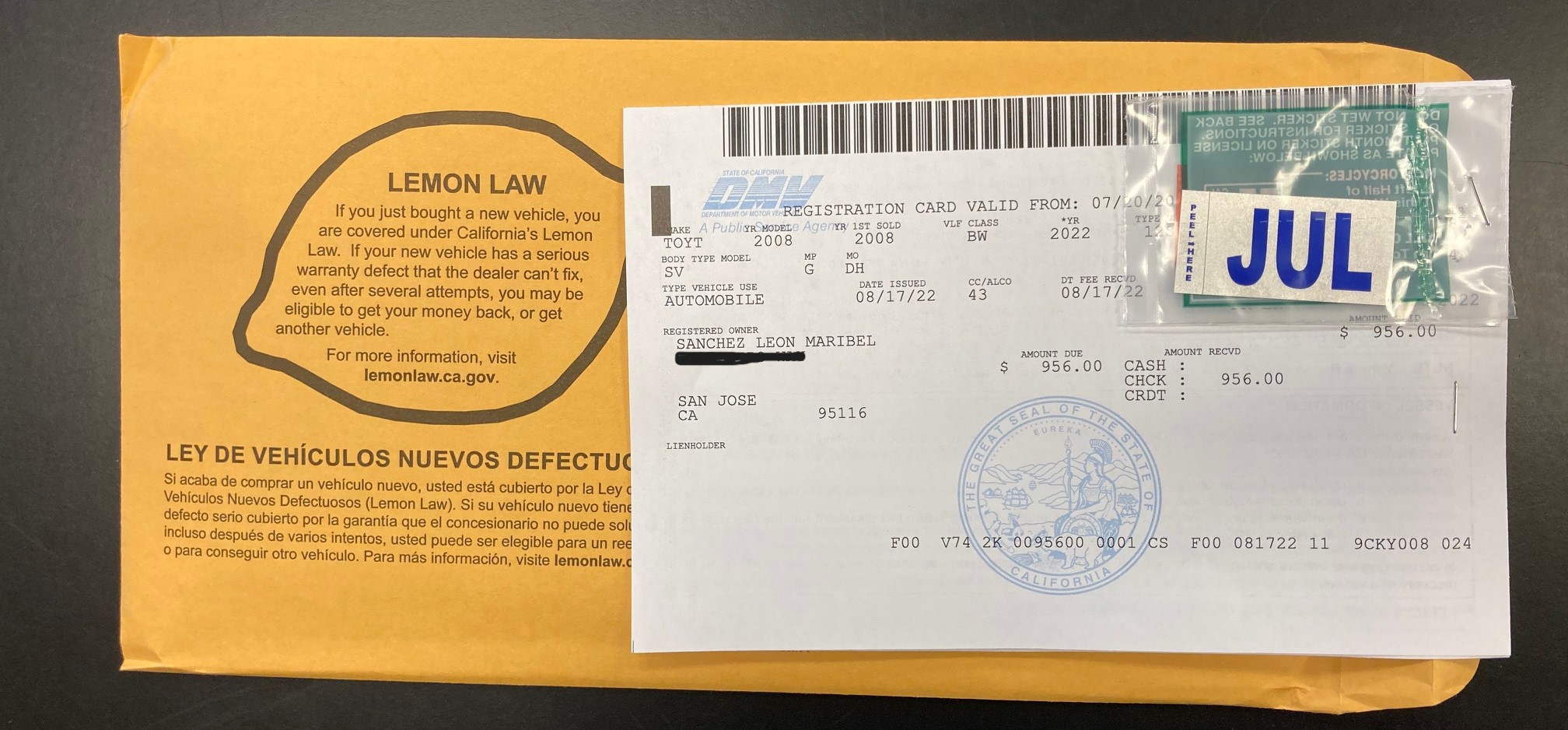
Resources for Further Information
Should you have any questions or encounter issues with your vehicle registration after leaving the dealership, the California Department of Motor Vehicles website is your primary resource. It offers comprehensive information on all aspects of vehicle registration, forms, fee calculators, and frequently asked questions. Additionally, contacting the dealership directly can often resolve initial inquiries or provide clarification on the documents they submitted. Being proactive and utilizing these resources ensures that you can confidently navigate any future administrative needs related to your vehicle, fully embracing the freedom and convenience that car ownership brings to your lifestyle.
LifeOutOfTheBox is a participant in the Amazon Services LLC Associates Program, an affiliate advertising program designed to provide a means for sites to earn advertising fees by advertising and linking to Amazon.com. Amazon, the Amazon logo, AmazonSupply, and the AmazonSupply logo are trademarks of Amazon.com, Inc. or its affiliates. As an Amazon Associate we earn affiliate commissions from qualifying purchases.