
Navigating the landscape of travel documentation can often feel complex, especially with evolving federal requirements. For residents of California, understanding whether your identification meets the standards of the Real ID Act is crucial for ensuring smooth domestic air travel and access to federal facilities. This guide aims to clarify what a California Real ID is, how to identify it, and what steps you might need to take to secure one for your travel plans.
Understanding the Real ID Act for California Travelers
The Real ID Act, passed by Congress in 2005, established minimum security standards for state-issued driver’s licenses and identification cards and prohibits federal agencies from accepting for certain purposes driver’s licenses and identification cards from states that do not meet these standards. Primarily, this impacts domestic air travel and access to secure federal facilities, such as military bases and nuclear power plants. For the average California traveler, the most significant implication revolves around airport security checkpoints.
What is the Real ID Act?
Following the events of September 11, 2001, the 9/11 Commission recommended that the U.S. government “set standards for the issuance of sources of identification, such as driver’s licenses.” The Real ID Act was Congress’s response, creating a uniform national standard for state-issued identification documents. States were given time to comply, and enforcement began in phases. For a considerable period, many states, including California, offered both Real ID compliant and non-compliant versions of their driver’s licenses and identification cards. The core purpose is to enhance national security by making it harder for individuals to obtain fraudulent identification documents.
When Does It Affect Your Travel?
The full enforcement date for the Real ID Act has been pushed back several times, but it is critical to stay informed about the current deadline. As of the latest updates, travelers 18 years of age and older will need a Real ID compliant driver’s license or identification card, or another acceptable form of identification, to fly domestically. Without one, you could face significant delays or even be denied boarding for your flight. This impacts everyone, from leisure travelers planning a getaway to San Francisco or Los Angeles, to business professionals commuting between cities, and families embarking on a vacation to Disneyland. Knowing your ID status well in advance of your travel date is paramount to avoiding unnecessary stress at the airport.
Identifying a California Real ID
The most straightforward way to determine if your California driver’s license or identification card is Real ID compliant is by examining the card itself. The California DMV (Department of Motor Vehicles) has incorporated specific visual indicators to help you quickly ascertain its status.
Visual Cues: The Bear and Star
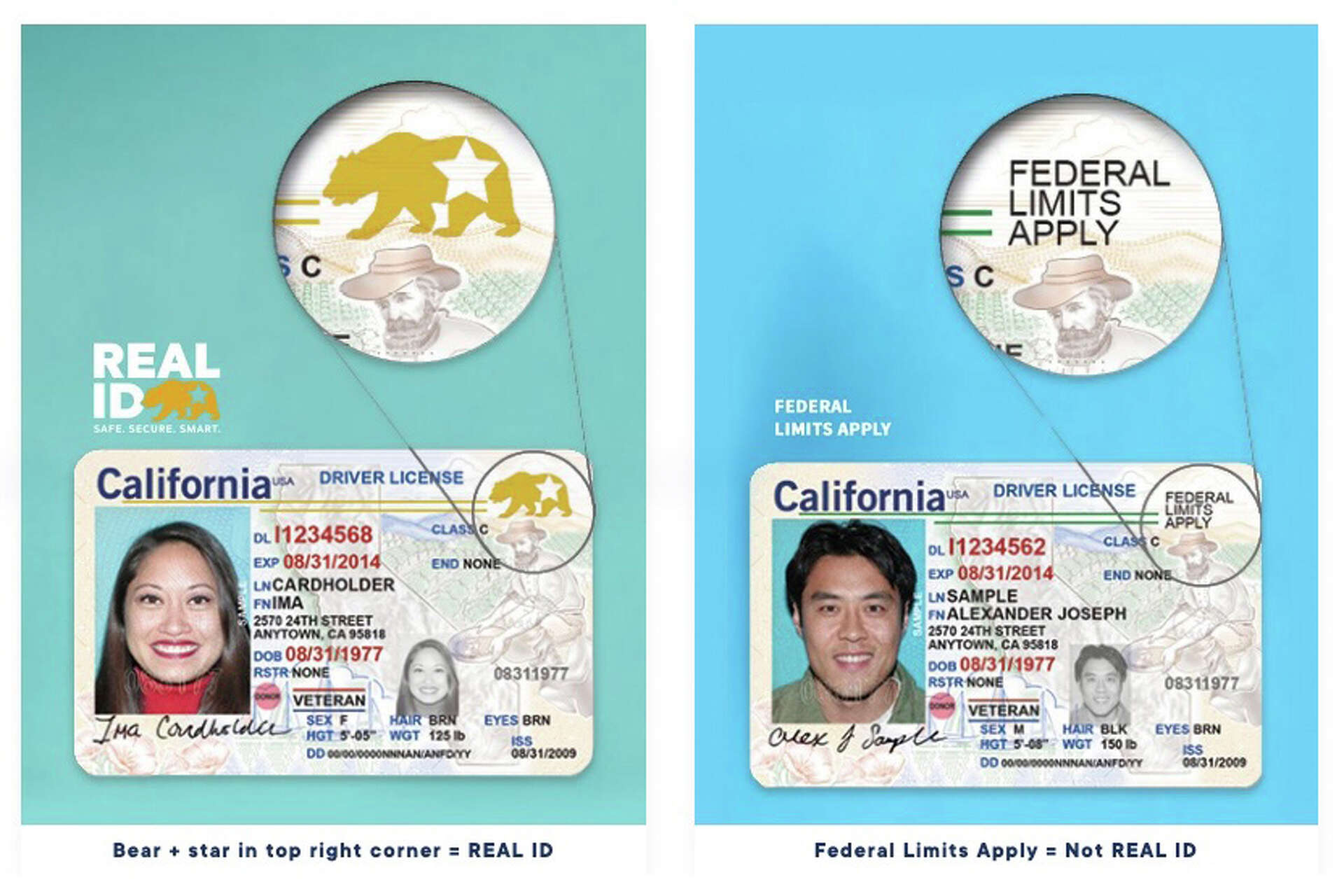
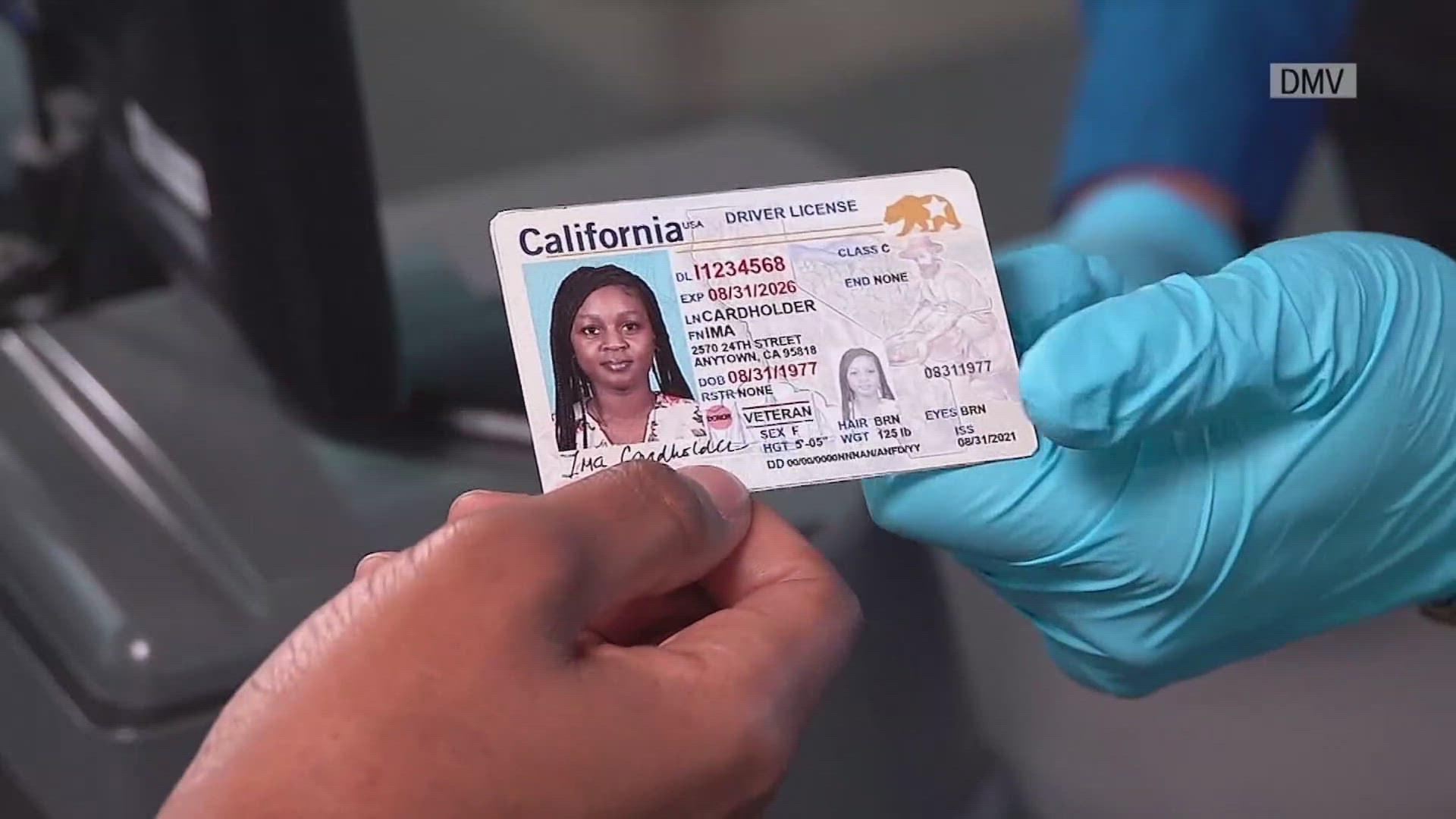
A compliant California Real ID driver’s license or identification card features a prominent gold bear with a star in the upper right-hand corner. This distinctive symbol signifies that the card meets the federal security standards of the Real ID Act and will be accepted for domestic air travel and access to most federal facilities. If your card bears this symbol, you are generally good to go for these purposes. This visual cue was specifically designed to be easily identifiable by TSA agents and other federal personnel.
Non-compliant California Licenses
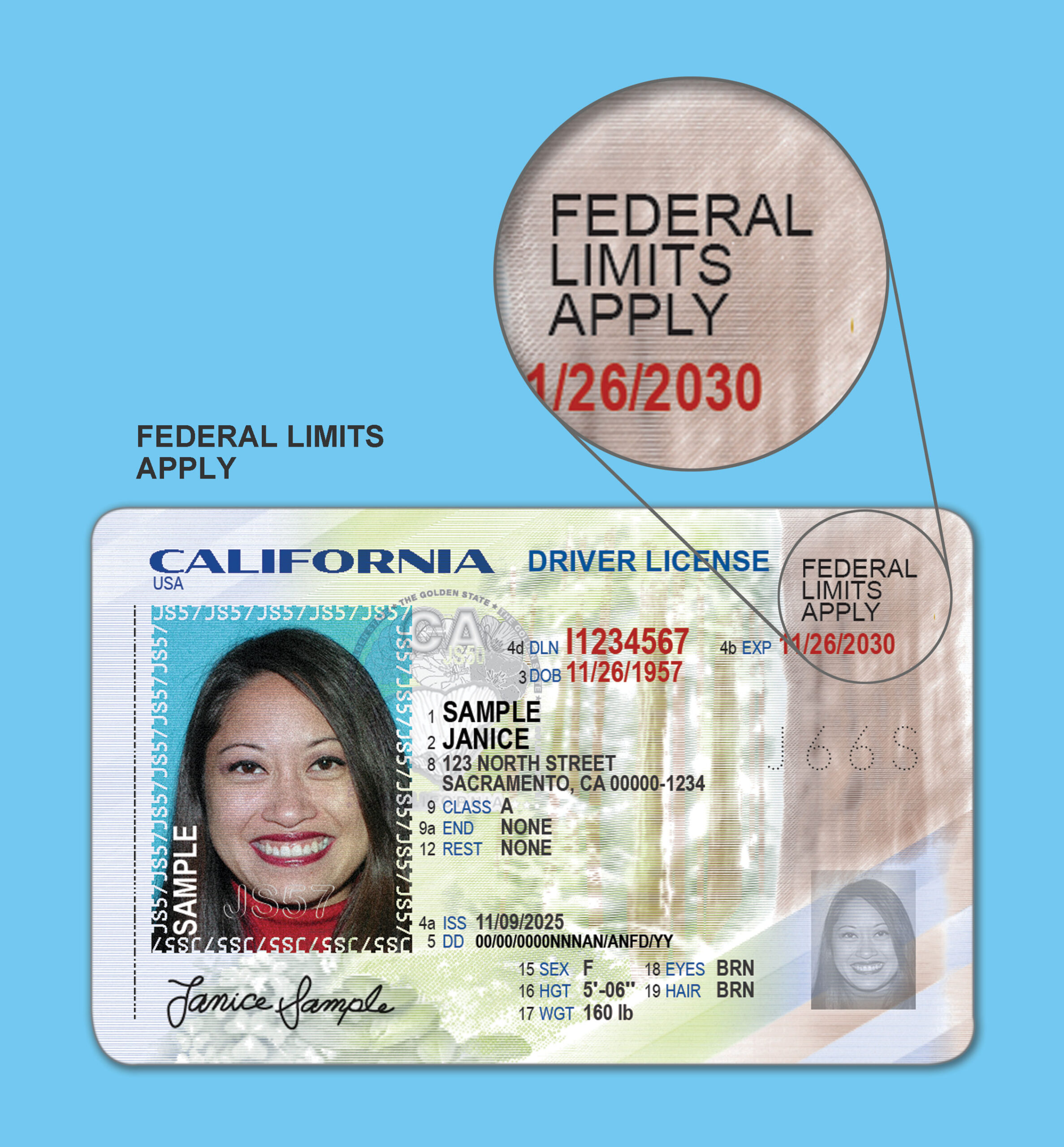
If your California driver’s license or ID card does not have the gold bear with a star, it is a federal non-compliant card. These cards typically feature “FEDERAL LIMITS APPLY” printed in the upper right-hand corner. While these non-compliant cards are still valid for purposes like driving, age verification, and voting, they will not be accepted for domestic air travel after the enforcement deadline or for entry into federal facilities that require Real ID compliance. It’s important to differentiate: this isn’t about your license being “fake” or “invalid” for general purposes in California; it simply means it doesn’t meet the federal standards for specific, high-security applications like air travel.
Applying for a California Real ID
If you determine that your current California identification is not Real ID compliant and you anticipate needing it for domestic air travel or federal access, applying for one is a straightforward process through the California DMV. Planning ahead is key, as appointments can sometimes be scarce, and gathering the necessary documents takes time.
Required Documents
To apply for a Real ID in California, you will need to present several documents to verify your identity, residency, and social security number. The DMV requires:
- Proof of Identity: One document proving your identity. Examples include a U.S. birth certificate, U.S. passport, or a foreign passport with an approved U.S. visa and I-94 form. The name on this document will be the name that appears on your Real ID.
- Proof of Social Security Number: One document verifying your social security number (SSN). This could be your Social Security card, a W-2 form, or a pay stub with your full SSN.
- Proof of Residency: Two different documents proving your California residency. Acceptable documents include utility bills, lease agreements, mortgage statements, or bank statements. It’s crucial that these documents show your current mailing address.
- Proof of Name Change (if applicable): If your current name does not match the name on your identity document (e.g., due to marriage or divorce), you’ll need certified legal documents proving the name change, such as a marriage certificate or divorce decree.
It’s highly recommended to start your application online on the California DMV website, which allows you to pre-fill much of the information and creates a checklist of documents specific to your situation. This can significantly speed up your in-person visit.
The Application Process at the DMV
After gathering all your required documents, the next step is to visit a California DMV office. It’s strongly advised to make an appointment online beforehand to minimize wait times, especially if you are in a major metropolitan area like San Diego or Sacramento. During your visit, you will:
- Submit your application.
- Have your documents reviewed by a DMV representative.
- Have your photograph taken.
- Provide your thumbprint.
- Digitally sign your application.
- Pay the applicable fee.
You will typically receive a temporary paper license immediately, which is valid for driving, and your official Real ID card will be mailed to you within a few weeks. Remember that the temporary paper license cannot be used for domestic air travel; you must wait for the physical card or use an alternative accepted form of identification.
Alternatives to a California Real ID for Travel
While a California Real ID is the most common form of identification for domestic air travel, it is not the only one. For those who either do not wish to obtain a Real ID or cannot get one before their travel date, several other federal IDs are accepted by the TSA.
Other Acceptable Forms of Identification
The TSA accepts a range of alternative documents for domestic air travel. These include:
- U.S. Passport: A valid U.S. passport book is widely accepted for both domestic and international travel.
- U.S. Passport Card: This is a more compact, card-sized version of the passport book, specifically designed for land and sea travel to Canada, Mexico, the Caribbean, and Bermuda. It is also accepted for domestic air travel.
- Department of Defense ID: Military ID cards are accepted.
- Enhanced Driver’s License (EDL): While California does not issue EDLs, some other states do, and they are accepted for air travel.
- Permanent Resident Card (Green Card): Valid for lawful permanent residents.
- Trusted Traveler Cards: Programs like Global Entry, NEXUS, SENTRI, and FAST cards are accepted and can often expedite the security process.
- Other Federally Recognized IDs: These can include airline-approved photo IDs, tribal IDs, and certain foreign government-issued passports.
It is always prudent to check the latest TSA guidelines on their official website or by contacting your airline before your travel date, as requirements can occasionally be updated.
Considerations for International Travel
It’s important to remember that the Real ID is strictly for domestic purposes. For any international travel originating from the United States, a valid U.S. passport book or other acceptable international travel document is required, regardless of whether you possess a Real ID. The Real ID does not replace the need for a passport when crossing international borders. Travelers planning trips to Mexico, Canada, or further afield from California should ensure their passport is current and valid for at least six months beyond their intended return date.
Planning Your California Adventures with Real ID in Mind
Having a Real ID can significantly streamline your travel experiences, ensuring you spend less time worrying about identification and more time enjoying your journey, whether it’s a short flight to Palm Springs or a cross-country adventure.
Seamless Airport Experiences
With a Real ID compliant California driver’s license or ID, you can confidently proceed through TSA checkpoints at airports like LAX or SFO without concern. This peace of mind is invaluable, especially during peak travel seasons or when navigating unfamiliar airports. It eliminates a potential source of stress, allowing you to focus on your boarding gates, luggage, and overall travel itinerary. Furthermore, a Real ID can be a useful form of identification for other travel-related activities, such as renting a car or checking into certain hotels, even though these activities typically have more flexible ID requirements.
Beyond Air Travel: Federal Facilities
While domestic air travel is the primary concern for most, the Real ID Act also impacts access to secure federal facilities. This could include federal courthouses, military installations, or other government sites that require heightened security. For California residents who may need to visit such facilities for work, personal business, or as a guest, a Real ID will serve as a compliant form of identification. Without it, you might be required to present additional documentation or face entry restrictions. Therefore, even if you are not a frequent flyer, a Real ID can still offer broader utility and convenience in various aspects of your life. Staying informed and prepared ensures your travel and other federally regulated activities remain as smooth and hassle-free as possible.
LifeOutOfTheBox is a participant in the Amazon Services LLC Associates Program, an affiliate advertising program designed to provide a means for sites to earn advertising fees by advertising and linking to Amazon.com. Amazon, the Amazon logo, AmazonSupply, and the AmazonSupply logo are trademarks of Amazon.com, Inc. or its affiliates. As an Amazon Associate we earn affiliate commissions from qualifying purchases.