
The Economic Fabric of California: An Overview
California stands as an economic powerhouse within the United States, known for its vast innovation, agricultural bounty, and diverse cultural landscape. Understanding the intricacies of its economy is crucial for anyone residing in, working in, or even considering an extended stay within the Golden State. A significant component of this economic fabric is the tax system, which funds public services ranging from infrastructure and education to healthcare and social welfare programs. The question of who contributes to this system, particularly concerning undocumented immigrants, often sparks considerable discussion and warrants a detailed, fact-based examination. Delving into this topic provides insight into the broader economic realities and societal contributions that shape life across California.
California’s Diverse Economy
California’s economy is characterized by its remarkable diversity, spanning technological innovation in Silicon Valley, agricultural dominance in the Central Valley, entertainment industry in Los Angeles, and a robust tourism sector stretching from the beaches of San Diego to the majestic forests of Redwood National Park. This economic dynamism relies on a vast labor force and a substantial consumer base, both of which are multicultural and complex. The state’s revenue streams are similarly varied, deriving from income taxes, sales taxes, property taxes, and various other levies. Each of these categories receives contributions from a wide spectrum of the population, irrespective of immigration status, playing a role in sustaining the state’s extensive public services and maintaining its economic momentum.
Taxation as a Societal Contribution
Taxation is fundamentally a mechanism for collective societal contribution, pooling resources to fund shared public goods and services. In the United States, and particularly in California, this system is designed to be comprehensive, ensuring that individuals and entities who benefit from the state’s infrastructure and regulatory environment also contribute to its upkeep. The discussion around tax payments by undocumented immigrants often centers on the perceived fairness and economic impact. Understanding the various forms of taxes and how they are collected is essential to grasp the extent of these contributions, which frequently extend beyond direct income tax payments to include everyday transactions and property-related fees. This nuanced perspective highlights that economic participation takes many forms, all contributing to the overall fiscal health of the state.
Unpacking the Tax Question: Direct and Indirect Contributions
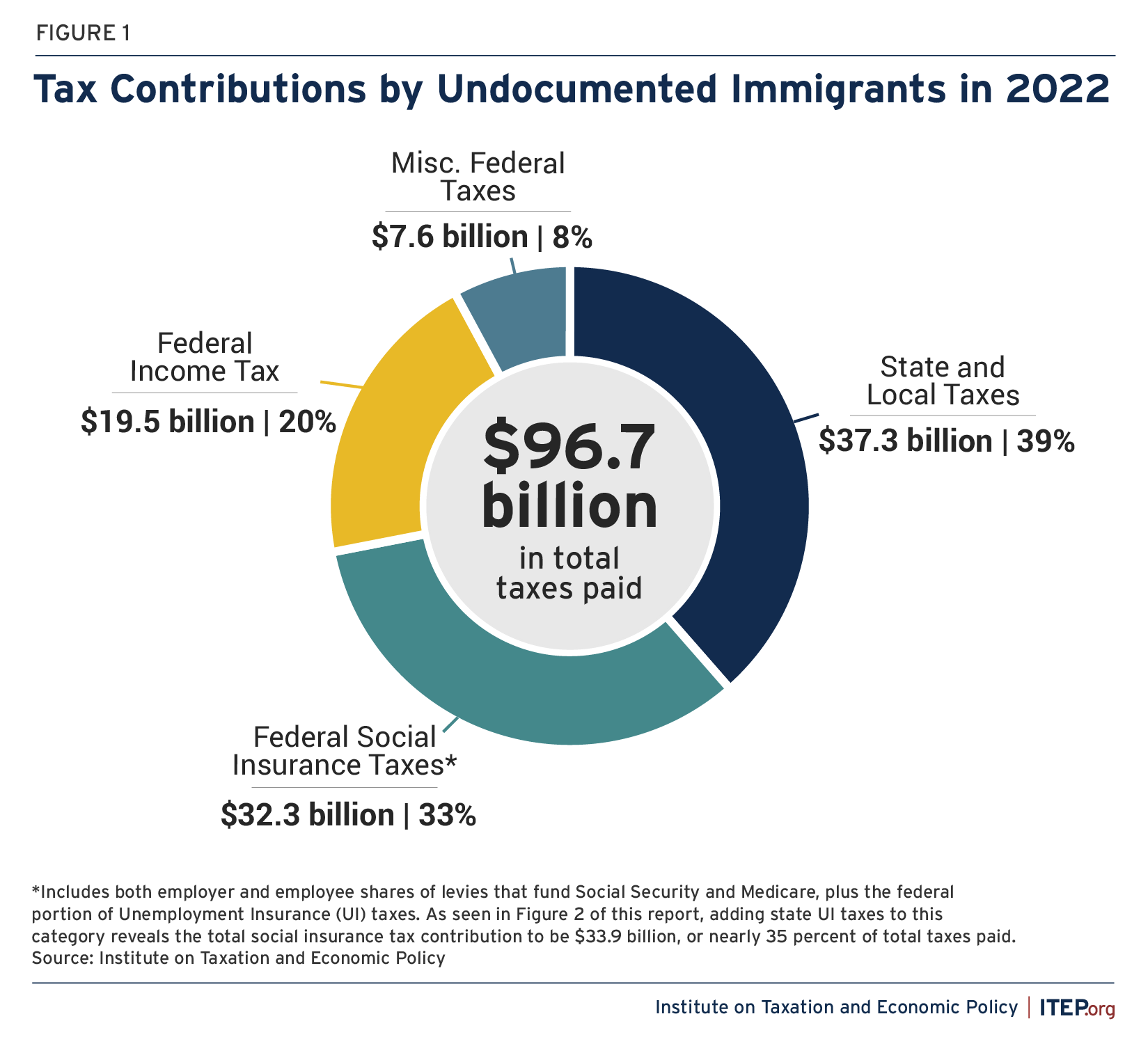
The notion that undocumented immigrants do not pay taxes is a common misconception that often oversimplifies a complex reality. In truth, individuals living in California, regardless of their immigration status, contribute to the tax base through various direct and indirect mechanisms. These contributions are integral to the state’s fiscal health and play a role in supporting the very services that benefit all residents. A closer look at the different tax categories reveals the breadth of this economic participation.
Sales and Property Taxes
One of the most straightforward ways undocumented immigrants contribute to the tax system is through sales taxes. Every time a consumer purchases goods or services in California, they pay a sales tax, which is then remitted to the state. This applies universally, meaning anyone buying groceries, clothing, electronics, or dining out contributes to state and local revenue, irrespective of their legal status. Given the substantial consumer spending power of immigrant communities, these collective contributions to sales tax revenue are significant.
Property taxes also represent a major area of contribution. While undocumented immigrants may not legally own property directly in all circumstances, many live in rented accommodations. Landlords typically pass on the cost of property taxes to their tenants through rent. Thus, even renters are indirectly contributing to property tax revenues. Furthermore, some undocumented immigrants do own homes, often through complex legal arrangements or via family members who are citizens or legal residents. In these cases, they directly pay property taxes, contributing to local services like schools, fire departments, and police forces.
Income Tax and ITINs
The landscape of income tax contributions by undocumented immigrants is more intricate but equally significant. Many undocumented immigrants work and earn wages in California. A considerable number of these individuals use an Individual Taxpayer Identification Number (ITIN) to file federal and state income tax returns. An ITIN is a tax processing number issued by the Internal Revenue Service (IRS) to individuals who are required to have a U.S. taxpayer identification number but do not have, and are not eligible to obtain, a Social Security number.
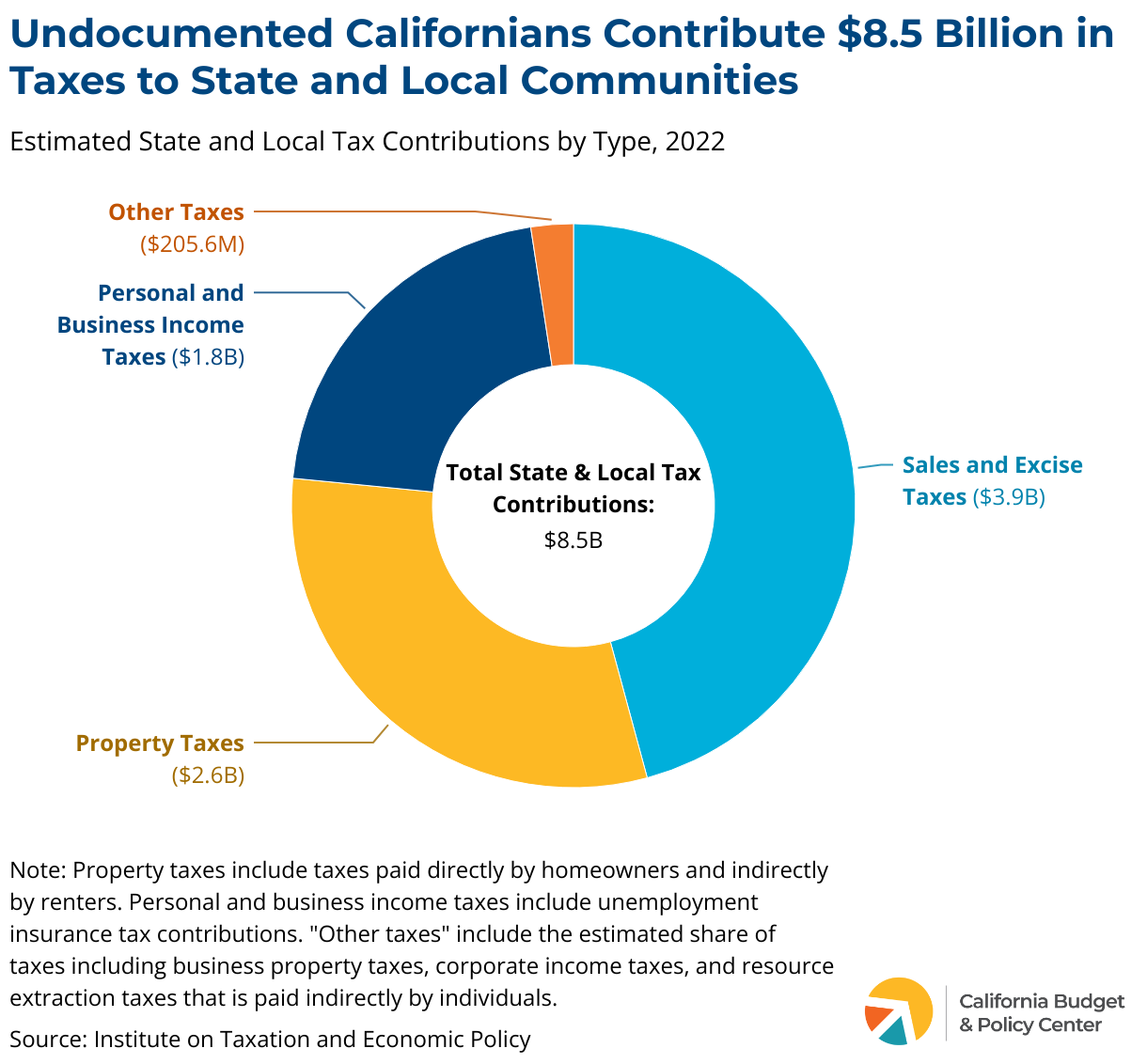
By filing tax returns with an ITIN, undocumented immigrants pay federal income taxes, state income taxes, and often local taxes. They report their earnings, claim deductions, and pay what they owe, just like any other taxpayer. Studies have shown that millions of dollars are collected annually from ITIN filers across the United States, a substantial portion of which comes from states with large immigrant populations like California. Moreover, many undocumented workers have taxes withheld from their paychecks, including federal and state income taxes, even if they never file a return or are working under different identification. These withheld taxes, if unclaimed, represent a direct contribution to government coffers. They also often pay into Social Security and Medicare through payroll deductions, despite being ineligible to claim benefits from these programs later, effectively subsidizing these systems for eligible citizens and legal residents.
Beyond Direct Taxation: Economic Impact and Social Services
The economic role of undocumented immigrants in California extends far beyond direct tax payments. Their presence and participation have a multifaceted impact on the state’s economy, influencing consumer markets, labor supply, and the overall balance of contributions versus social service utilization. Understanding this broader context is crucial for a complete picture of their financial footprint.
Consumer Spending and Local Economies
Undocumented immigrants are consumers. They buy food, clothing, household goods, and utilize local services, injecting money directly into California’s local economies. This consistent consumer spending supports businesses, creates demand for products, and helps sustain jobs across various sectors, from retail and hospitality to manufacturing and agriculture. Local businesses, many of which are immigrant-owned, thrive on this economic activity, contributing to the vitality of neighborhoods and towns throughout the state. The multiplier effect of this spending further amplifies its impact, as money circulates through the economy, benefiting a wide array of residents and enterprises. This economic engagement strengthens the overall tax base indirectly by boosting the profitability of businesses that then pay their own taxes and employ tax-paying individuals.
Contributions to Labor Markets
Undocumented workers fill critical labor gaps in several key industries in California. They are disproportionately represented in sectors such as agriculture, construction, hospitality, and domestic services, often taking jobs that native-born workers are less willing to do, especially at the prevailing wages. This labor supply helps keep industries productive and competitive, contributing to the state’s economic output and global standing. Without this workforce, some industries might face severe labor shortages, leading to increased costs for consumers, reduced output, and potential economic contraction. Their work generates profits for businesses, which in turn contribute to corporate taxes, and their wages, even if informal, contribute to the broader economic flow and generate sales tax revenue through their spending.
The Cost-Benefit Analysis of Immigration
While undocumented immigrants contribute significantly to the tax base and economy, it is also true that they utilize some public services, such as emergency healthcare, public schools for their U.S.-born children, and certain social welfare programs. A comprehensive understanding requires a cost-benefit analysis. Numerous studies by reputable economic organizations have attempted to quantify these impacts, often concluding that the economic benefits, particularly tax contributions and labor market participation, frequently outweigh the costs associated with social service usage. For instance, children of undocumented immigrants, if born in the United States, are U.S. citizens and are legally entitled to public education, which is funded by state and local taxes, to which their parents contribute. The critical point is that these individuals are integrated into the economic and social fabric of California in multifaceted ways, making a net contribution that is often underestimated or overlooked in public discourse.
Policy and Perspective: Navigating California’s Stance
California’s approach to immigration and its economic implications is distinct from many other states. Recognizing the significant role immigrants, including the undocumented, play in its economy and society, the state has adopted policies aimed at integration and support, which in turn facilitate their continued economic contributions.
State-Level Initiatives
California has been at the forefront of implementing policies that acknowledge and, in some cases, formalize the economic contributions of its undocumented population. For example, California allows undocumented immigrants to obtain driver’s licenses, which not only enhances road safety but also provides a recognized form of identification that can facilitate banking and other essential services, further integrating them into the formal economy. The state has also enacted measures to protect workers’ rights regardless of immigration status, ensuring fair wages and working conditions, which in turn can lead to more reported income and thus more tax revenue. Such policies reflect a pragmatic understanding of the state’s demographic and economic realities, aiming to maximize the positive economic impact of all residents. The state capital, Sacramento, has often been a hub for legislative efforts promoting these integrative policies.
Broader Societal Implications
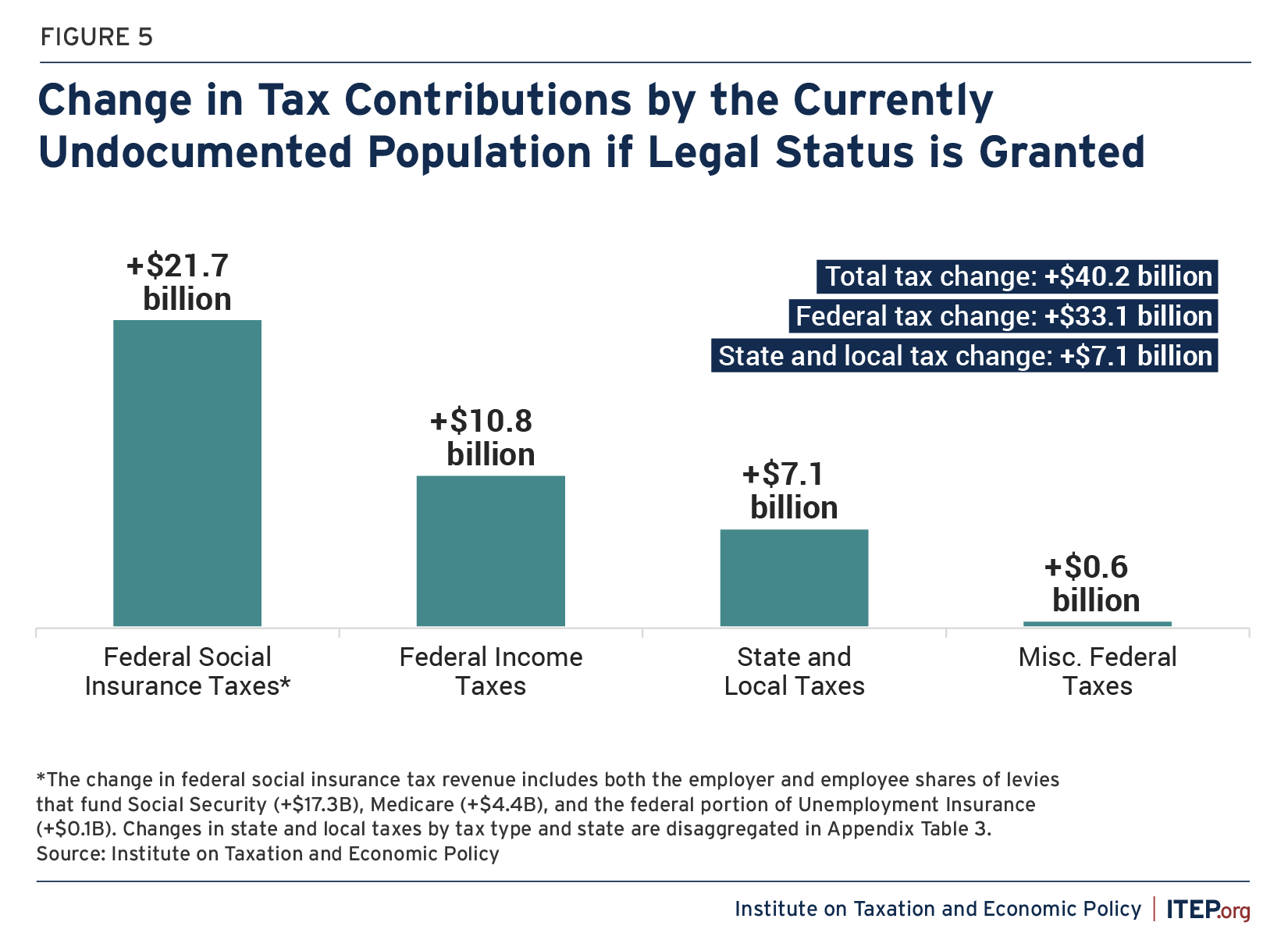
The debate around whether undocumented immigrants pay taxes in California is not merely an economic one; it has profound societal implications. Acknowledging their tax contributions helps to frame a more accurate narrative about their role in society, moving beyond simplistic portrayals. It underscores that these individuals are often active participants in the economy, contributing to the collective well-being despite facing significant legal and social hurdles. This perspective fosters a more informed public discourse, which is essential for developing equitable and effective immigration policies that serve the best interests of all residents of California and the United States. Recognizing the full scope of their economic engagement allows for a more comprehensive understanding of the diverse and dynamic lifestyle that defines the Golden State.
LifeOutOfTheBox is a participant in the Amazon Services LLC Associates Program, an affiliate advertising program designed to provide a means for sites to earn advertising fees by advertising and linking to Amazon.com. Amazon, the Amazon logo, AmazonSupply, and the AmazonSupply logo are trademarks of Amazon.com, Inc. or its affiliates. As an Amazon Associate we earn affiliate commissions from qualifying purchases.