
California, a land synonymous with innovation, diverse landscapes, and a vibrant lifestyle, also stands as a global beacon for educational excellence. For families considering relocation, international students seeking world-class institutions, or individuals simply curious about the educational landscape as part of an extended stay, the question “Do school in California?” opens up a realm of comprehensive and enriching possibilities. Engaging with California’s educational system is not merely about attending classes; it’s an immersive experience deeply woven into the fabric of the state’s culture, offering unique opportunities for growth, discovery, and connection.
California as an Educational Epicenter
Choosing California for educational pursuits means tapping into an environment renowned for its progressive thinking, technological advancements, and a deeply multicultural population. The state boasts an unparalleled concentration of leading academic institutions, from pioneering K-12 public schools to world-renowned universities. Its proximity to innovation hubs like Silicon Valley ensures a forward-thinking curriculum often integrated with real-world applications and cutting-edge research. Beyond academics, the mild climate and diverse geography—from pristine beaches to majestic mountains—provide an exceptional backdrop for extracurricular activities and a balanced lifestyle, making the educational journey a holistic experience. Whether one is drawn by the promise of groundbreaking research, a diverse student body, or the prospect of a high-quality education amidst stunning natural beauty, California presents itself as an ideal destination for learning at all levels.

Navigating California’s K-12 Education System
For families with school-aged children, understanding the K-12 education system in California is paramount. The state offers a variety of educational pathways, each with its distinct characteristics and advantages.
Public Schools
The vast majority of California students attend public schools, which are tuition-free and funded by the state and local governments. Enrollment is typically determined by residential address, meaning families must reside within a specific school district’s boundaries for their children to attend local schools. School performance varies significantly by district and even by individual school within a district, making thorough research crucial. Resources like GreatSchools can be invaluable for comparing schools based on test scores, student-teacher ratios, and equity metrics. High-performing public school districts often correlate with higher housing costs, reflecting the strong community value placed on quality education.
Private Schools
California is home to a robust network of private schools, offering alternative educational philosophies, smaller class sizes, and specialized programs. These schools charge tuition, which can range from moderate to very high, and typically have selective admissions processes involving applications, interviews, and entrance exams. Private schools encompass a broad spectrum, including religious institutions, independent schools, and those with specific academic focuses like arts, STEM, or Montessori methods. Prestigious examples include Harvard-Westlake School in Los Angeles and Castilleja School in Palo Alto, both known for their rigorous academics and college preparatory programs.
Charter Schools
Charter schools represent a unique hybrid, operating independently with greater flexibility than traditional public schools but still receiving public funding. They are often established to innovate educational approaches or serve specific student populations. Admission to charter schools is typically via a lottery system, and they often offer specialized curricula or pedagogical methods that may not be available in traditional public schools.
Homeschooling
For families preferring to educate their children at home, California offers legal avenues for homeschooling. This can be done by establishing a private school in one’s home, enrolling in a private school satellite program (PSP) that offers support and record-keeping, or through a public charter school that offers independent study. Homeschooling allows for a highly customized educational experience, catering to individual learning styles and family values.
Higher Education: A Global Magnet
California’s higher education system is world-renowned, attracting students and scholars from every corner of the globe. It is characterized by its diversity, academic rigor, and significant contributions to research and innovation.
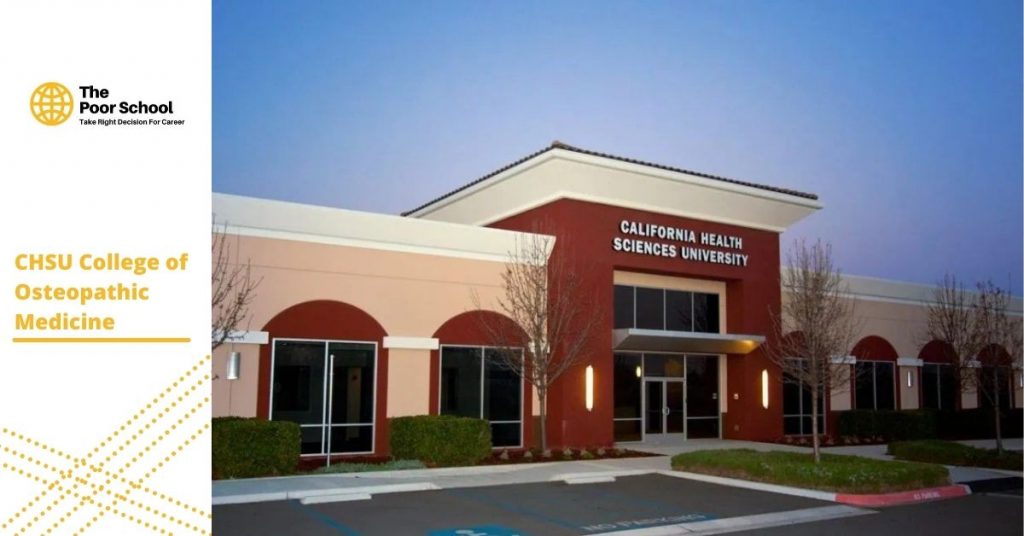
University of California (UC) System
The University of California (UC) system is a public university system known globally for its research, academic excellence, and impact. Comprising ten campuses, each with its unique strengths and culture, the UC system is a powerhouse in almost every field. UC Berkeley and UCLA are consistently ranked among the top public universities in the world, offering a vast array of undergraduate and graduate programs. Other notable campuses include UC San Diego, a leader in science and engineering, and UC Santa Barbara, celebrated for its natural sciences and engineering programs. Admission to UC campuses is highly competitive, especially for popular majors, attracting students with strong academic records and diverse experiences.
California State University (CSU) System
The California State University (CSU) system is the largest four-year public university system in the United States, with 23 campuses dedicated to providing high-quality, accessible education with a strong emphasis on practical, career-oriented learning. CSUs are crucial for workforce development in California, producing a significant portion of the state’s teachers, engineers, and business professionals. Campuses like San Diego State University and Cal Poly San Luis Obispo are highly regarded for their hands-on learning experiences and strong industry connections.
Private Universities
California is also home to some of the world’s most prestigious private universities, known for their groundbreaking research, selective admissions, and often substantial endowments. Stanford University, located in the heart of Silicon Valley, is a global leader in technology, entrepreneurship, and various academic disciplines. The University of Southern California (USC) in Los Angeles is a prominent institution known for its arts, media, business, and engineering programs. California Institute of Technology (Caltech), also in Southern California, stands as one of the world’s leading science and engineering research institutions. These universities offer unparalleled resources, distinguished faculty, and a vibrant intellectual community, though admission is extremely competitive and tuition costs are significant.
Community Colleges
California’s extensive network of 116 community colleges provides an affordable and accessible entry point to higher education. They offer associate degrees, vocational training, and transfer programs that allow students to complete their first two years of a bachelor’s degree at a lower cost before transferring to a UC or CSU campus. This pathway is a popular and strategic option for many California residents and international students alike.
Integrating Education with the California Lifestyle
Choosing to “do school” in California means embracing a lifestyle that extends far beyond the classroom. The state’s diverse geography and cultural richness offer unparalleled opportunities for holistic development.
Geographic Considerations
The choice of where to live significantly impacts the schooling experience. Urban centers like Los Angeles and San Francisco offer a fast-paced environment with a wealth of cultural institutions and diverse schools, but also come with higher living costs and potentially longer commutes. Suburban areas, such as those surrounding San Diego or Sacramento, often boast excellent public school districts and a more family-oriented atmosphere. Rural regions, while offering a more tranquil setting, may have fewer school options but can provide unique community-based learning experiences. Each region of California presents a different blend of academic and lifestyle opportunities.
Extracurricular Activities
California’s natural playground lends itself perfectly to a wide array of extracurricular activities. Students can engage in surfing, hiking, skiing, and camping, often just a short drive from their schools. Arts and culture thrive, with numerous museums, theaters, and music venues, especially in major cities. Schools themselves often offer a rich selection of sports, clubs, and community service opportunities, ensuring a well-rounded educational experience that complements academic rigor with personal growth and exploration.
Diversity and Inclusion
One of California’s greatest strengths is its incredible diversity. Schools across the state reflect this multicultural tapestry, providing an enriching environment where students learn alongside peers from various ethnic, cultural, and socioeconomic backgrounds. This exposure fosters global perspectives, promotes understanding, and prepares students for an interconnected world, making the educational journey inherently more profound and inclusive.

Practical Tips for Prospective Students and Families
For those considering educational pursuits in California, a well-planned approach is essential.
- Start Early with Research: Begin investigating school districts, specific schools, admission requirements, and application deadlines well in advance. For higher education, university application cycles are often a year or more in advance.
- Understand Housing Implications: For K-12 public schools, residence within district boundaries is crucial. This means housing decisions and school choices are often intertwined.
- Financial Planning: Account for tuition, living expenses (which can be high in California), health insurance, and other incidental costs. Many universities offer financial aid, scholarships, and assistantships, but competition is fierce.
- Visa Requirements for International Students: International students will need to secure the appropriate student visa (F-1 for academic studies, M-1 for vocational studies). This process requires acceptance from an accredited institution and proof of financial solvency.
- Visit and Engage: If possible, visit prospective schools and campuses. Attend virtual information sessions or college fairs if an in-person visit isn’t feasible. Engaging with current students, faculty, and admissions counselors can provide invaluable insights.
In conclusion, “doing school” in California is an investment in a world-class education within a dynamic and inspiring environment. From the foundational years of K-12 to the pinnacle of higher education, California offers diverse pathways that cater to various academic aspirations and personal goals, making it a truly exceptional destination for learning.
LifeOutOfTheBox is a participant in the Amazon Services LLC Associates Program, an affiliate advertising program designed to provide a means for sites to earn advertising fees by advertising and linking to Amazon.com. Amazon, the Amazon logo, AmazonSupply, and the AmazonSupply logo are trademarks of Amazon.com, Inc. or its affiliates. As an Amazon Associate we earn affiliate commissions from qualifying purchases.