
Yes, California definitively borders Mexico. This geographical reality is not just a line on a map but a vibrant, dynamic frontier that shapes culture, economy, and travel experiences for millions. The US-Mexico Border is one of the busiest in the world, and the segment shared with [California] is particularly noteworthy for its intense cross-border interactions, diverse landscapes, and the seamless blend of two distinct cultures. For travelers, understanding this shared boundary is key to unlocking a wealth of unique destinations and enriching experiences on both sides.
The Geographical Reality: A Definitive Yes
The state of [California] shares a roughly 140-mile (225-kilometer) international border with [Mexico], specifically with the Mexican state of Baja California. This extensive stretch connects bustling urban centers, arid deserts, and rugged mountains, presenting a compelling geographical narrative that has deep historical roots and profound contemporary implications for travel.
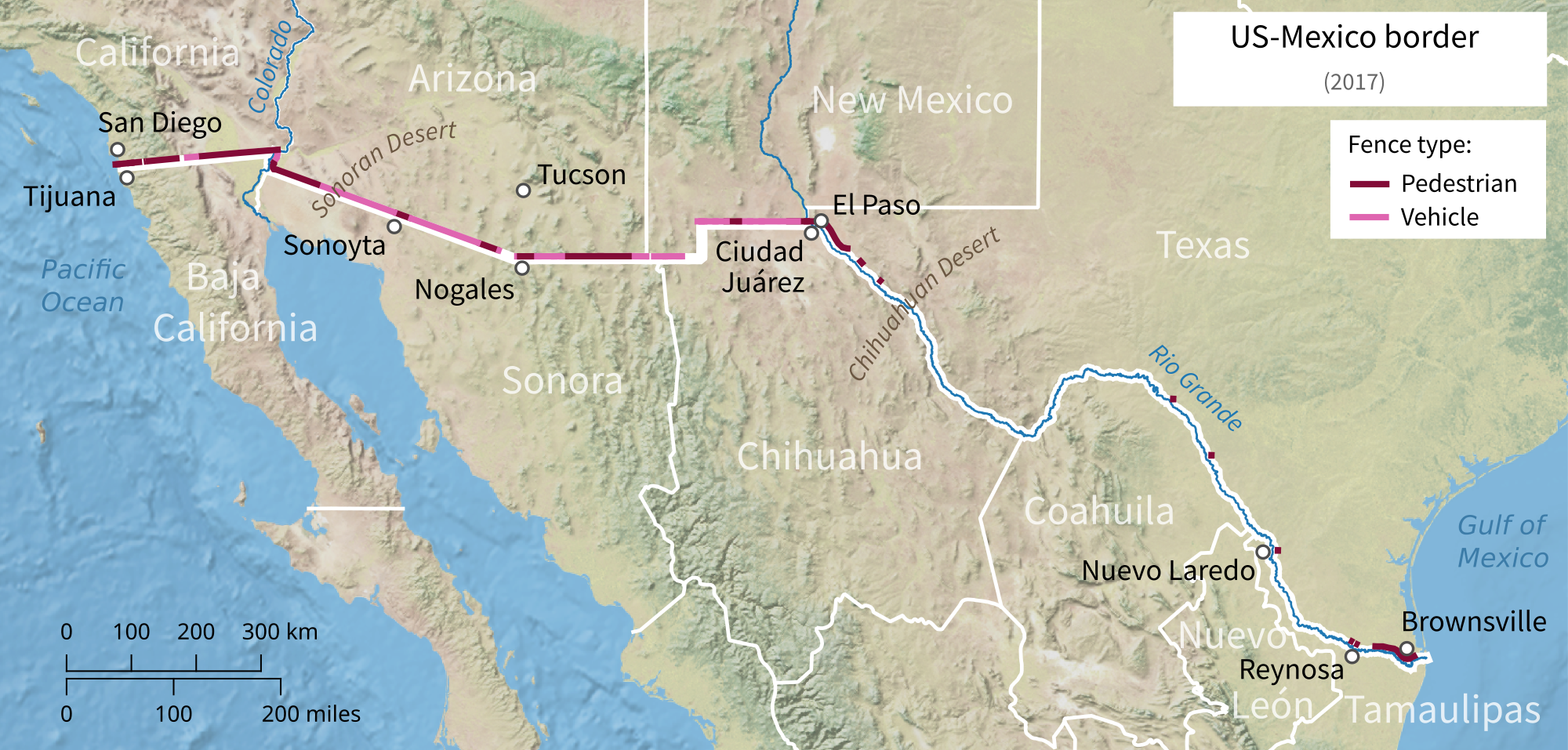
The California-Mexico Border: A Closer Look
The border begins at the Pacific Ocean, just south of San Diego, [California], and extends eastward, carving a path through various terrains until it reaches the [Colorado River]. This boundary is characterized by diverse landscapes, from the coastal urban sprawl that connects [San Diego] and Tijuana to the stark beauty of the [Sonoran Desert] further inland.
Key border cities on the [California] side include [San Diego], Calexico, and [Tecate](https://lifeoutofthebox.com/tecate]. On the [Mexican] side, their counterparts are [Tijuana], Mexicali, and [Tecate]. These twin cities often function as a single economic and cultural unit, despite the international line that divides them. The most prominent example is the [San Diego]-[Tijuana] metropolitan area, which forms one of the largest binational conurbations in the world, with daily cross-border commutes for work, education, and leisure.
Historically, this border was established following the [Mexican-American War] and the subsequent [Treaty of Guadalupe Hidalgo] in 1848, which ceded a vast territory from [Mexico] to the [United States]. Over the centuries, what began as a relatively open frontier has evolved into a highly managed and often complex international boundary, critical for trade, security, and human movement.
Understanding the US-Mexico Border Segment
The [California] portion of the [US-Mexico Border] is arguably its most economically and culturally dynamic segment. It is a critical artery for international trade, facilitating billions of dollars in goods movement annually. Beyond commerce, it is a conduit for cultural exchange, where Mexican traditions, cuisine, and art deeply influence Californian life, and vice versa. For travelers, this means an unparalleled opportunity to experience a unique blend of cultures, often within a short drive or walk across the border. The interconnectedness is visible in the architecture, heard in the languages spoken, and tasted in the culinary offerings available on both sides.
Crossing the Line: Travel and Entry Points
For those looking to explore the vibrant regions on either side of the [California]-[Mexico] border, understanding the logistics of crossing is paramount. Several official Ports of Entry facilitate this movement, each with its own characteristics and typical wait times.
Major Border Crossings
The [California]-[Mexico] border hosts some of the busiest land crossings in the world. Being prepared with the right documents and knowledge can significantly enhance your travel experience.
- San Ysidro Port of Entry: Located just south of [San Diego], this is the busiest land border crossing in the Western Hemisphere. It connects directly to [Tijuana], [Mexico], and is heavily used by pedestrians and vehicles. Due to its high volume, wait times can be substantial, especially during peak hours, weekends, and holidays.
- Otay Mesa Port of Entry: Situated about 8 miles east of [San Ysidro], [Otay Mesa] is a significant commercial port of entry, though it also handles substantial passenger vehicle traffic. It’s often a preferred option for travelers seeking potentially shorter wait times compared to [San Ysidro], particularly for commercial vehicles and those with SENTRI passes.
- Tecate Port of Entry: For travelers heading to the smaller, picturesque town of [Tecate], [Baja California], this port offers a more relaxed crossing experience. It’s generally less congested than the [San Diego]-area crossings and is ideal for those exploring the wine region of [Valle de Guadalupe] or taking a scenic drive through the mountains.
- Calexico West Port of Entry / Calexico East Port of Entry: These crossings serve the [Imperial Valley] region of [California], connecting [Calexico] to [Mexicali], [Mexico]. [Calexico West] is primarily for pedestrians and southbound vehicles, while [Calexico East] handles northbound vehicular traffic and is a major commercial crossing. They are crucial for agricultural trade and travelers venturing into the eastern parts of [Baja California].
Essential Travel Documents
To ensure a smooth crossing into [Mexico] and back into the [United States], travelers must have the correct documentation.
- Passport: A valid [U.S.] passport book is generally required for all air travel and recommended for land travel. For land crossings, a [U.S.] Passport Card, an Enhanced Driver’s License (EDL), or a trusted traveler program card (like SENTRI or NEXUS) can also be used.
- Visas: [U.S.] citizens typically do not need a visa for tourist visits to [Mexico] lasting 180 days or less. However, a Forma Migratoria Múltiple (FMM) tourist permit is required for travel beyond the immediate border zone and for stays exceeding 72 hours.
- Vehicle Permits: If driving a vehicle further into [Mexico] (beyond the immediate border area, generally recognized as about 20-30 kilometers), a temporary vehicle import permit (TIP) issued by [Mexico]’s customs agency (Banjercito) is often necessary. Proof of Mexican auto insurance is also mandatory.
- Trusted Traveler Programs (SENTRI / NEXUS): These programs offer expedited processing for pre-approved, low-risk travelers at designated lanes, significantly reducing wait times. SENTRI is specifically for the [U.S.]-[Mexico] border, while NEXUS is for both the [U.S.]-[Mexico] and [U.S.]-[Canada] borders.
Tips for a Smooth Border Crossing
Traveling across the [California]-[Mexico] border can be straightforward with proper planning:

- Check Wait Times: Before heading to the border, consult official government websites or apps that provide real-time wait times for all Ports of Entry. This can help you choose the least congested crossing or the best time of day to travel.
- Travel During Off-Peak Hours: Early mornings (before 7 AM) and late evenings (after 9 PM) on weekdays typically see shorter wait times. Weekends and holidays are almost always busier.
- Organize Documents: Have all necessary travel documents readily accessible to present to customs officials.
- Understand Customs Regulations: Be aware of what can and cannot be brought across the border, both into [Mexico] and back into the [United States], to avoid delays or penalties. This includes restrictions on alcohol, tobacco, firearms, and certain agricultural products.
- Consider Pedestrian Crossings: In some areas, like [San Ysidro], walking across the border can sometimes be quicker than driving, especially if you plan to use local Mexican taxis or ride-shares.
Unlocking Cross-Border Experiences: Destinations and Culture
The [California]-[Mexico] border is a gateway to an extraordinary array of travel experiences, from dynamic urban explorations to tranquil wine country retreats. The proximity fosters a unique cultural fusion, making the region a compelling destination for those seeking diverse adventures.
San Diego and Tijuana: A Binational Metropolis
The relationship between [San Diego] and [Tijuana] epitomizes the interconnectedness of this border region. These two cities, though separated by an international line, share a symbiotic relationship, often referred to as a “mega-region” or “binational metropolis.”
On the [California] side, [San Diego] offers world-renowned attractions such as Balboa Park, its pristine beaches, and a thriving craft beer scene. Just minutes away, across the border, [Tijuana] pulsates with a vibrant, youthful energy. Visitors to [Tijuana] can explore the bustling Avenida Revolución, known for its shops, restaurants, and lively nightlife. The city has also emerged as a culinary hotspot, with innovative Baja Med cuisine, craft breweries, and trendy cafes. Art installations, street murals, and a burgeoning cultural scene add layers to [Tijuana]’s appeal. Many travelers enjoy a day trip to [Tijuana] to experience its unique atmosphere, sample authentic Mexican street food, and immerse themselves in a different cultural rhythm before returning to [San Diego].
Exploring Baja California, Mexico from California
For travelers interested in venturing beyond [Tijuana]’s immediate vicinity, [Baja California], [Mexico], offers an incredible spectrum of destinations easily accessible from [California].
- Coastal Escapes: Just south of [Tijuana], towns like [Rosarito](https://lifeoutofthebox.com/rosarito] and [Ensenada](https://lifeoutofthebox.com/ensenada] beckon with their beautiful Pacific beaches, surfing opportunities, and relaxed seaside atmospheres. [Rosarito] is known for its resort hotels and lively party scene, while [Ensenada], a major cruise ship port, offers a charming downtown, seafood markets, and is the gateway to the famous Blowhole, La Bufadora.
- Wine Country: A true gem of [Baja California] is the Valle de Guadalupe, [Mexico]’s premier wine region. Located just a short drive inland from [Ensenada], this valley boasts dozens of wineries, from boutique producers to larger estates, offering world-class wines, gourmet restaurants, and stunning vineyard landscapes. It’s often compared to [Napa Valley] in its early days, with a rustic charm and innovative spirit.
- Culinary Adventures: [Baja California] is a paradise for foodies. Beyond [Tijuana]’s urban delights, the coastal towns are famed for their fresh seafood tacos, ceviches, and mariscos. The [Valle de Guadalupe] elevates the experience with farm-to-table dining, often pairing exceptional cuisine with local wines. Food tours and culinary workshops are popular ways to delve into the region’s gastronomic scene.
- Road Trips: Many travelers enjoy a classic [Baja California] road trip, traversing scenic coastal highways and exploring charming towns. From surfing in [San Miguel] to exploring the mission ruins near [El Rosario], the peninsula offers endless possibilities for adventure.
Cultural Exchange and Local Immersion
The [California]-[Mexico] border region is a microcosm of cultural exchange. Festivals, music, art, and language often blend influences from both nations, creating a unique identity. Travelers have numerous opportunities to immerse themselves in this biculturalism:
- Art and Music: Explore art galleries in both [San Diego] and [Tijuana] that showcase border-inspired works. Attend music festivals that feature artists from both sides, blending genres like norteño, cumbia, rock, and electronic music.
- Cuisine: Participate in cooking classes that delve into traditional Mexican recipes or modern Baja Med fusion. Visit local markets (mercados) to experience the vibrant flavors and ingredients firsthand.
- Community Engagement: Engage with local communities through cultural centers, volunteer opportunities, or by simply patronizing local, independent businesses. This not only enriches your travel experience but also supports the local economy.
Responsible Travel Along the Border
Traveling through any border region, especially one as dynamic as the [California]-[Mexico] frontier, requires a mindful approach to ensure safety, respect for local cultures, and minimal environmental impact.
Safety and Security Considerations
While millions cross the border safely every year, it’s prudent for travelers to stay informed and take reasonable precautions:
- Stay Informed: Check official government travel advisories for [Mexico] before your trip. While major tourist areas are generally safe, understanding any regional concerns is always advisable.
- Personal Safety: Practice common-sense safety measures, such as being aware of your surroundings, avoiding walking alone at night in unfamiliar areas, and safeguarding your valuables. It’s wise to use reputable transportation services (official taxis, ride-sharing apps) and avoid displaying large sums of cash or expensive jewelry.
- Emergency Contacts: Know the local emergency numbers (e.g., 911 in [Mexico] for emergencies) and have contact information for your country’s embassy or consulate in [Mexico].

Environmental Stewardship and Community Impact
The border region encompasses delicate ecosystems, from coastal wetlands to arid desert environments. Travelers have a role to play in preserving these natural resources and supporting the communities that call this area home.
- Leave No Trace: Adhere to “Leave No Trace” principles, especially when visiting natural areas, beaches, or national parks on either side of the border. Dispose of waste properly, respect wildlife, and minimize your environmental footprint.
- Support Local Businesses: Choose locally owned hotels, restaurants, and shops. This helps to ensure that your tourism dollars directly benefit the communities you visit, fostering sustainable economic development.
- Respect Local Culture: Be mindful of local customs, traditions, and social norms. Learn a few basic phrases in Spanish; it goes a long way in showing respect and enhancing your interactions with locals. Engage with people respectfully and be open to understanding different perspectives.
By approaching travel to the [California]-[Mexico] border with preparation, an open mind, and a commitment to responsible practices, you can unlock a truly unique and enriching experience that highlights the incredible synergy of two neighboring nations.
LifeOutOfTheBox is a participant in the Amazon Services LLC Associates Program, an affiliate advertising program designed to provide a means for sites to earn advertising fees by advertising and linking to Amazon.com. Amazon, the Amazon logo, AmazonSupply, and the AmazonSupply logo are trademarks of Amazon.com, Inc. or its affiliates. As an Amazon Associate we earn affiliate commissions from qualifying purchases.