
California, renowned for its sun-kissed beaches, iconic landmarks, and vibrant cities, attracts millions of tourists annually. While visitors often anticipate earthquakes as a natural phenomenon associated with the Golden State, a less commonly discussed yet equally potent threat lurks along its extensive coastline: tsunamis. The answer to whether California experiences tsunamis is unequivocally yes. While large, destructive tsunamis are rare, the state’s geological setting and its position on the Pacific Ring of Fire make it vulnerable to these powerful ocean waves. Understanding this risk, how tsunamis are generated, and the safety measures in place is crucial for anyone planning to visit or reside along California‘s picturesque shores. This insight offers a practical guide for responsible tourism, ensuring both safety and an informed experience.
Understanding California’s Coastal Vulnerability
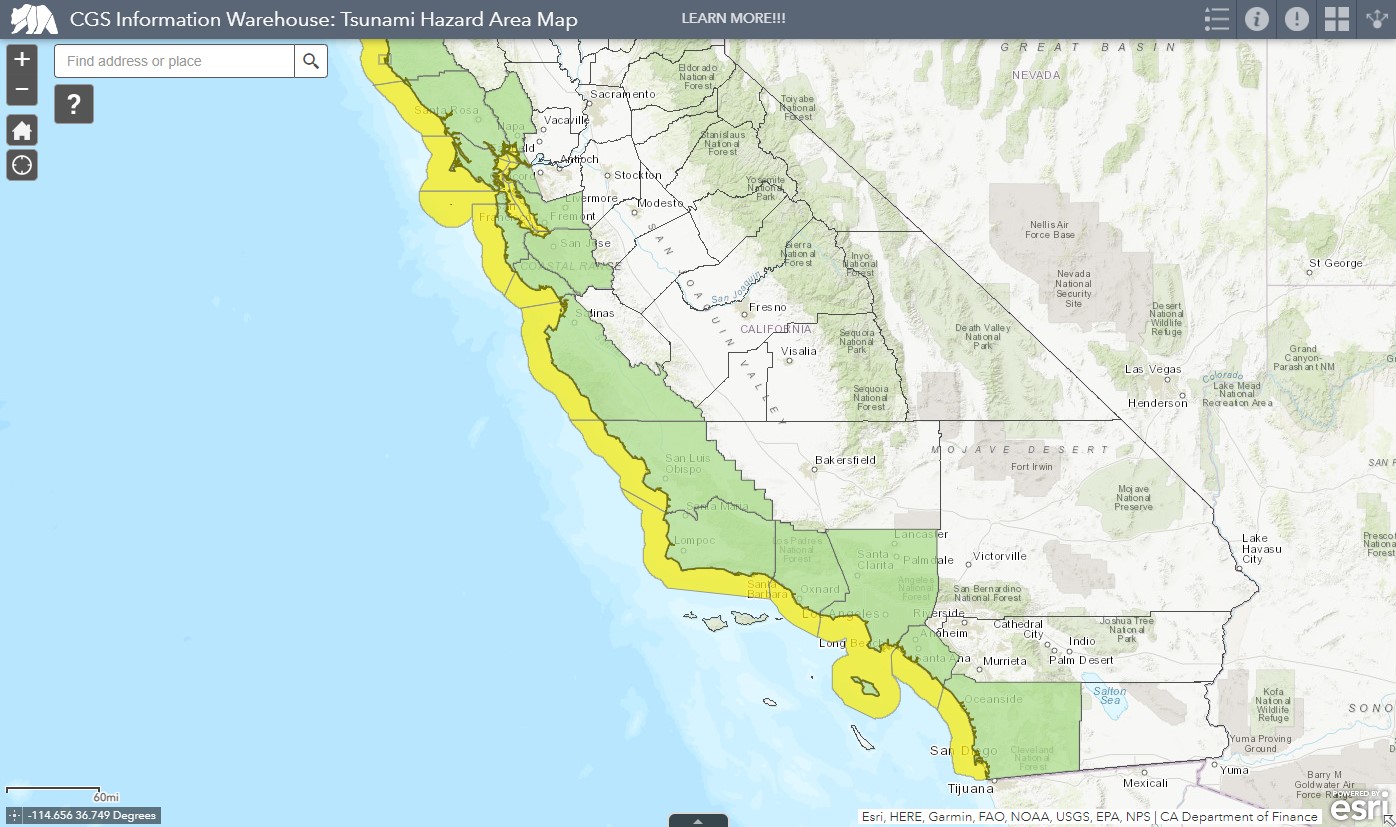
California’s coastline stretches for over 840 miles, a diverse landscape encompassing everything from the rugged cliffs of Big Sur to the bustling urban beaches of Los Angeles and San Diego. This extensive and highly populated coastal strip means that any significant tsunami event could have widespread implications. The state’s vulnerability isn’t just a theoretical concern; it’s rooted in geological realities and historical precedents.
The Pacific Ring of Fire Connection
California is located on the eastern edge of the Pacific Ring of Fire, a horseshoe-shaped zone of frequent earthquakes and volcanic eruptions that encircles the Pacific Ocean. This ring is a direct consequence of plate tectonics, where several major and minor tectonic plates converge, diverge, and slide past each other. The subduction zones within the Pacific Ring of Fire, particularly those off the coasts of Alaska, Japan, and Chile, are notorious for generating massive megathrust earthquakes. These powerful undersea tremors are the primary drivers of distant tsunamis that can travel across the Pacific, impacting California’s coast hours after their initial generation. Moreover, closer to home, the Cascadia Subduction Zone off the coast of northern California, Oregon, and Washington poses a significant threat for a local tsunami, which could arrive within minutes.
Historical Occurrences and Their Impact
While major destructive tsunamis are rare in California’s recorded history, the state has experienced their effects multiple times. One notable event occurred in 1964, following a magnitude 9.2 earthquake in Prince William Sound, Alaska. This distant tsunami generated significant waves along the entire U.S. West Coast, causing severe damage in Crescent City, California, where 11 people lost their lives and much of the downtown area was destroyed. In 2011, the magnitude 9.1 Tohoku earthquake off the coast of Japan triggered another trans-Pacific tsunami. While no lives were lost in California during this event, harbors like Santa Cruz and Crescent City experienced millions of dollars in damage from powerful surges and currents that lasted for hours. These historical events underscore that while the direct source of a tsunami may be thousands of miles away, its consequences can be very real and costly for California’s coastal communities and visitors.
How Tsunamis Are Generated
Understanding the mechanics behind tsunami generation is key to appreciating the threat they pose. Unlike typical ocean waves generated by wind, tsunamis are produced by large-scale disturbances that displace a massive volume of water, typically on the ocean floor.
Subduction Zone Earthquakes
The most common and most powerful cause of tsunamis are large subduction zone earthquakes. These occur where one tectonic plate slides beneath another. When the overriding plate locks with the subducting plate, stress builds up over centuries. Eventually, the locked section ruptures, causing the seafloor to suddenly uplift or subside. This vertical movement displaces the overlying column of water, initiating a tsunami. The larger the earthquake and the more significant the vertical displacement of the seafloor, the larger the tsunami. Earthquakes of magnitude 7.5 or greater are generally considered capable of generating destructive tsunamis, with megathrust earthquakes (magnitude 8.0+) posing the greatest risk.
Underwater Landslides and Volcanic Activity
While less frequent than seismic events, underwater landslides can also trigger tsunamis. These can be caused by earthquakes shaking unstable seafloor sediments or by rapid accumulation of sediment on steep slopes. The sudden collapse of a large mass of material into the water can displace enough volume to create significant waves. Similarly, violent underwater volcanic eruptions or the collapse of volcanic islands can generate localized tsunamis. For California, the primary concern remains distant and local subduction zone earthquakes, though the potential for offshore landslides triggered by local seismic activity is also a consideration.
Distant vs. Local Tsunamis
It’s important for tourists to differentiate between distant and local tsunamis, as their warning times and characteristics vary significantly.
- Distant Tsunamis: These are generated thousands of miles away, often across the Pacific Ocean (e.g., from Japan or Chile). They travel at immense speeds in the deep ocean (up to 500 mph, comparable to a jet plane), but as they approach the coast, they slow down and grow in height. For California, there can be several hours of warning time, allowing for evacuation.
- Local Tsunamis: These are generated by earthquakes or landslides relatively close to the coast, such as from the Cascadia Subduction Zone. The warning time for a local tsunami can be just minutes, or even no official warning at all if the earthquake is felt strongly at the coast. This makes immediate recognition of natural warning signs and knowing evacuation routes paramount for survival.
California’s Tsunami Warning System
Given the potential threat, California has a sophisticated and multi-layered tsunami warning system designed to protect its coastal communities and visitors. This system integrates international cooperation, advanced technology, and local emergency response efforts.
Role of the Tsunami Warning Centers
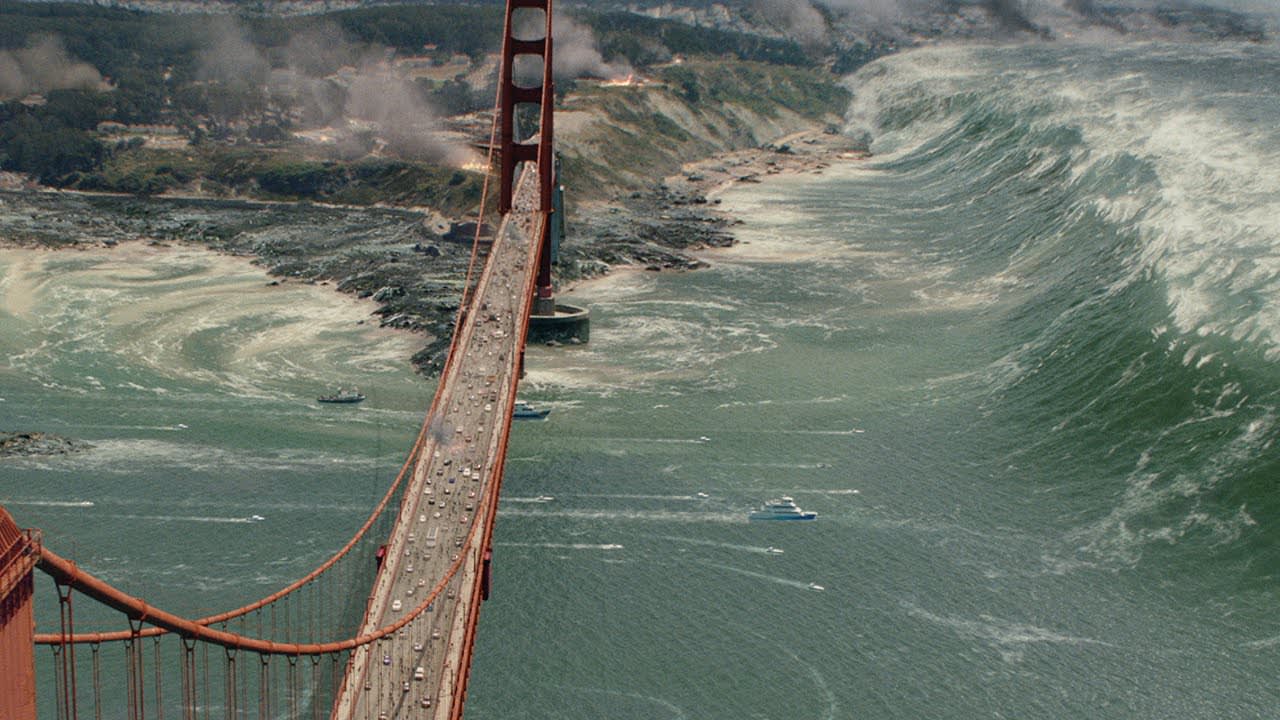
The primary organizations responsible for detecting and issuing tsunami warnings for California are the National Tsunami Warning Center (NTWC) in Alaska and the Pacific Tsunami Warning Center (PTWC) in Hawaii. These centers continuously monitor seismic activity globally and utilize a network of deep-ocean buoys (DART buoys) that detect pressure changes indicative of a tsunami passing overhead. Upon detecting a potential tsunami, they issue watches, advisories, or warnings to coastal areas.
- Tsunami Watch: A tsunami could occur; stay informed.
- Tsunami Advisory: A non-destructive tsunami is expected, with strong currents or waves dangerous to those in or near the water.
- Tsunami Warning: A dangerous tsunami is expected or already occurring; immediate evacuation of coastal areas is recommended.
These alerts are disseminated rapidly to state and local emergency management agencies.
Local Alert Systems and Evacuation Plans
Once a warning or advisory is issued by the federal centers, California’s Office of Emergency Services (CalOES) works with local counties and cities to disseminate the information and initiate local response plans. This includes utilizing various alert systems:
- Emergency Alert System (EAS): Broadcasts alerts over radio and television.
- Wireless Emergency Alerts (WEA): Sends text-like messages to mobile phones in affected areas.
- NOAA Weather Radio: Provides continuous weather and hazard information.
- Outdoor Sirens: Some coastal communities have sirens to alert residents.
- Reverse 911 / NIXLE: Automated calls or text messages to registered users.
Additionally, coastal communities have designated tsunami evacuation zones and established routes. These are typically marked with clear signage, guiding people to higher ground. It’s vital for tourists to be aware of these local systems and understand that warnings are to be taken seriously.
Safety Tips for Tourists and Residents
Being prepared is the best defense against a tsunami. For tourists visiting California’s beautiful coastline, a few simple safety measures can make a significant difference.
Recognizing Natural Warning Signs
While official warnings are the most reliable, recognizing natural warning signs is crucial, especially for local tsunamis where official notice may be limited.
- Strong Earthquake: If you are near the coast and feel an earthquake strong enough to make it difficult to stand, a tsunami could be generated locally. Do not wait for an official warning; move to higher ground immediately.
- Sudden Ocean Recession: A rapid and unusual drop in sea level, exposing the seafloor, is a classic sign that a tsunami wave is approaching. Conversely, a sudden rise in water level can also be an indicator.
- Loud Ocean Roar: An unusual and loud noise coming from the ocean, similar to a freight train or jet engine, can signify an approaching tsunami.
If you observe any of these signs, move away from the coast to higher ground as quickly and safely as possible.
Knowing Your Evacuation Zone
Before you even hit the beach, take a moment to identify if your planned activity or accommodation is within a designated tsunami evacuation zone. Many coastal cities in California have online maps or signage indicating these zones. Look for “Tsunami Evacuation Route” signs. Familiarize yourself with the quickest walking route to safe, high ground that is at least 100 feet (30 meters) above sea level or 2 miles (3.2 km) inland. Remember that tsunami waves can continue for many hours, so do not return to affected areas until authorities declare it safe.
Emergency Preparedness Kits
While typically associated with residents, having a basic emergency kit is a good practice for any traveler. This doesn’t mean hauling a survival pack on your beach vacation, but simply having essential items accessible. This could include:
- Water and Non-Perishable Food: Enough for 72 hours.
- First-Aid Kit: Basic medical supplies.
- Flashlight with Extra Batteries.
- Whistle: To signal for help.
- Copies of Important Documents: IDs, insurance.
- Cash: ATMs may not work after an emergency.
- Portable Phone Charger.
Keep these in a Grab-and-Go bag, especially if staying in a coastal hotel or rental.
Staying Informed During Your Visit
Modern technology makes it easier than ever to stay informed.
- Sign up for Local Alerts: Many California counties offer opt-in emergency notification systems via text or email. A quick search for “[City/County Name] emergency alerts” can provide sign-up details.
- NOAA Weather Radio: Carry a battery-powered or hand-crank NOAA Weather Radio, which provides official weather and hazard alerts.
- Monitor Local Media: Local news channels and radio stations will be the first to report on specific local instructions during an event.
- Check with Hotel Staff: If staying at a hotel, inquire about their emergency procedures and evacuation plans upon check-in. Reputable establishments in coastal areas should have these protocols in place.
Exploring California’s Coastline Responsibly
California’s coastline is an unparalleled natural wonder, offering countless opportunities for recreation and relaxation. Understanding the potential for tsunamis doesn’t mean avoiding these beautiful areas, but rather enjoying them with an informed and responsible approach.
Enjoying Beaches and Coastal Attractions Safely
From surfing at Malibu to strolling the piers of Santa Monica or exploring the rugged beauty of Mendocino, California’s coastal attractions are highlights for any visitor. Incorporate tsunami preparedness into your travel plans:
- Respect Warning Systems: Always heed any warnings, advisories, or instructions from lifeguards or emergency personnel. They are there for your safety.
- Observe Posted Signage: Tsunami hazard signs and evacuation route markers are there for a reason. Take a moment to understand them.
- Educate Children: If traveling with family, teach children about tsunami safety in an age-appropriate manner, emphasizing what to do if they hear a siren or feel a strong earthquake near the beach.
By being aware, tourists can enjoy the stunning coastal landscapes with greater peace of mind.
The Importance of Community Resilience
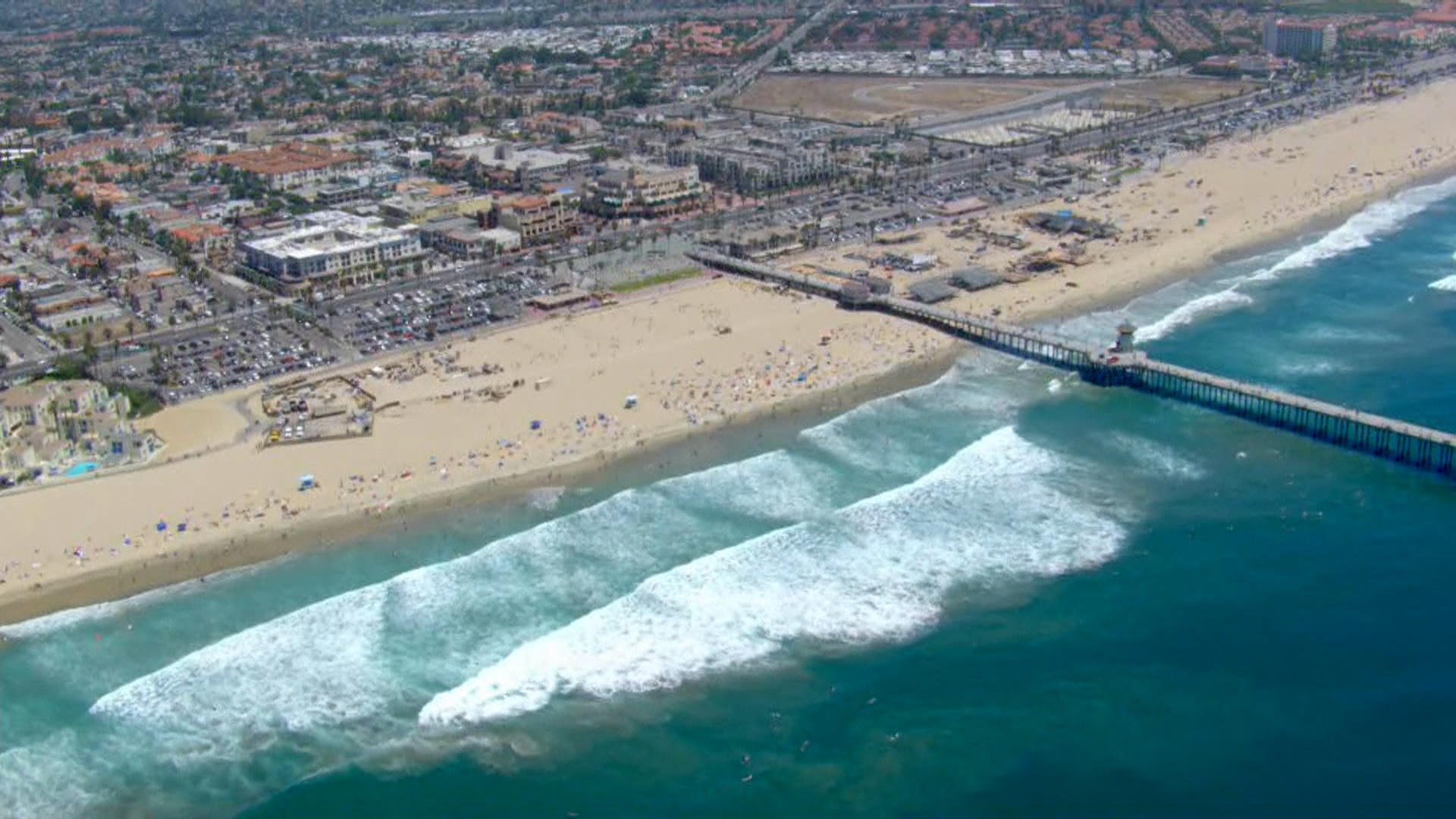
California’s commitment to tsunami safety extends beyond individual preparedness. Many coastal communities participate in the National Weather Service’s “Tsunami Ready” program, which recognizes communities with comprehensive tsunami hazard mitigation plans. These programs foster public education, develop warning systems, and create evacuation procedures. As a visitor, by understanding and respecting these local efforts, you contribute to the overall resilience of the communities you are visiting. California does get tsunamis, but with proactive planning and informed vigilance, the risks can be effectively managed, allowing for safe and memorable experiences along its magnificent shores.
LifeOutOfTheBox is a participant in the Amazon Services LLC Associates Program, an affiliate advertising program designed to provide a means for sites to earn advertising fees by advertising and linking to Amazon.com. Amazon, the Amazon logo, AmazonSupply, and the AmazonSupply logo are trademarks of Amazon.com, Inc. or its affiliates. As an Amazon Associate we earn affiliate commissions from qualifying purchases.