
Traveling through California offers an unparalleled tapestry of experiences, from the sun-drenched beaches of Los Angeles to the majestic redwoods of the north, and the vibrant cityscapes of San Francisco. When planning your stay, whether in a luxury suite overlooking Santa Monica Pier, a cozy Airbnb in Napa Valley, or a bustling resort near Disneyland in Anaheim, a sense of security in your temporary accommodation is paramount. This naturally leads to questions about personal safety and legal protections, specifically, how California’s self-defense laws, including the concept often referred to as the “Castle Doctrine,” apply when you are away from your permanent residence. Understanding these nuances can provide peace of mind and help travelers feel more secure in their chosen accommodations across the Golden State.

Understanding Self-Defense Laws in California for Travelers
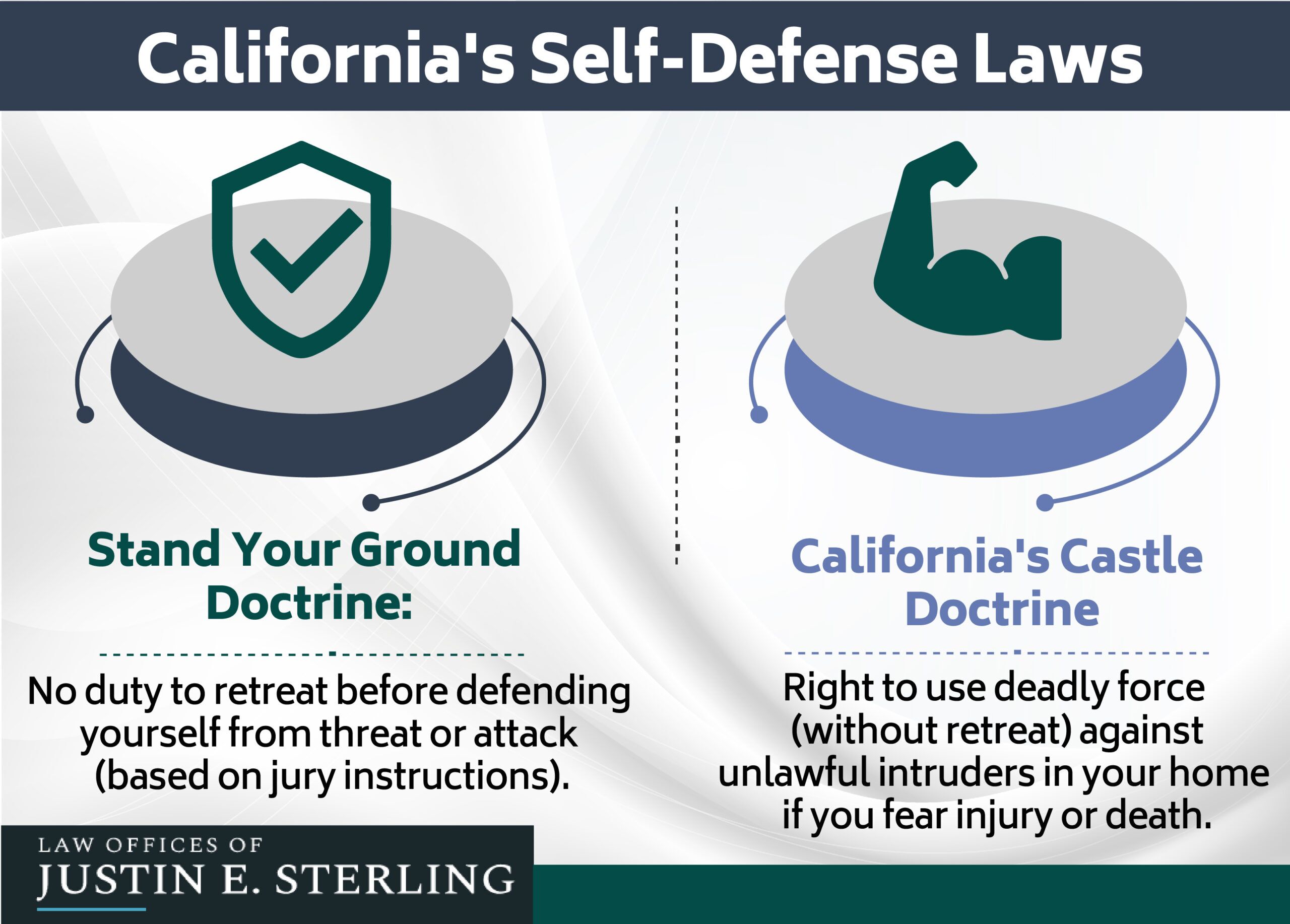
The “Castle Doctrine” is a legal principle that grants individuals the right to use reasonable force, including deadly force, to protect themselves or others against an intruder in their home, without a duty to retreat. It essentially treats one’s home as a fortress where retreat is not required. However, the application and specifics of this doctrine vary significantly from state to state. For travelers, the critical question is how this translates to a hotel room, a vacation rental, or any other form of temporary accommodation.
The Concept of Castle Doctrine
Historically, the Castle Doctrine stems from English common law, emphasizing that a person’s home is their sanctuary. In many states, this means an individual has no duty to retreat from an aggressor if they are in their own home and reasonably believe they are in danger of death or great bodily harm. The doctrine provides a robust legal defense in self-defense cases where actions are taken to protect one’s domicile. However, California approaches this concept with its own distinct legal framework, which is crucial for visitors to understand.
California’s Approach: Duty to Retreat vs. Stand Your Ground
While California does not explicitly use the term “Castle Doctrine” in its statutes, it effectively incorporates many of its principles through what is known as the “presumption of reasonable fear” or “rebuttable presumption” of self-defense. This means that if an intruder unlawfully and forcibly enters or attempts to enter a person’s residence, the resident is presumed to have a reasonable fear of death or great bodily injury, and thus, the use of force, including deadly force, is generally justified. This presumption significantly reduces the burden on the occupant to prove their fear was reasonable.
Crucially, California is also a “Stand Your Ground” state, though it is often misunderstood. While there’s no explicit “Stand Your Ground” statute like in some other states, California law dictates that a person is not obligated to retreat from an aggressor if they are in any place where they have a right to be. This applies not only to one’s home but also to public spaces. If you are lawfully present, you have the right to stand your ground and defend yourself. When it comes to your accommodation, this right is particularly reinforced by the presumption of fear mentioned above, essentially giving travelers in their rented spaces similar protections to a permanent resident in their home. This distinction is vital for anyone staying in a hotel, VRBO, or other rental property across California.
Your Temporary “Castle”: Accommodations and Self-Defense
The application of self-defense laws to temporary accommodations is a key consideration for ensuring a safe and stress-free trip. Whether you’re in a high-rise hotel in San Diego or a secluded cabin near Yosemite National Park, your legal rights concerning self-defense remain largely intact.
Hotel Rooms and Vacation Rentals
In California, a hotel room, vacation rental, or even a lawfully occupied campsite can be considered your temporary dwelling or “castle” for the duration of your stay. This means the presumption of reasonable fear and the right to stand your ground generally extend to these accommodations. If someone unlawfully and forcibly enters your hotel room, for instance, you are largely afforded the same legal protections as if they were breaking into your permanent home. This provides a significant layer of security for travelers, knowing their chosen accommodation serves as a protected space.
However, the key words are “unlawfully and forcibly.” This protection typically does not extend to situations involving invited guests who later become aggressive, or disputes with hotel staff or property owners who have a legitimate right to enter (e.g., for emergencies, maintenance, or cleaning, often after prior notice or agreement). The legal justification for self-defense hinges on the perceived imminent threat from an unlawful intruder. It is always advised that travelers familiarize themselves with the specific terms and conditions of their rental agreement or hotel policy regarding entry by staff to avoid misunderstandings.
Rights and Responsibilities as a Guest
As a guest in any California accommodation, you have a right to reasonable privacy and security. This implies that the property owner or management has a responsibility to provide a safe environment. This includes working locks, adequate lighting, and generally secure premises. If these conditions are not met, and an incident occurs, there could be grounds for legal recourse against the property owner for negligence.
Conversely, guests also have responsibilities. Adhering to property rules, refraining from illegal activities within the accommodation, and reporting any suspicious activity immediately to management or law enforcement are crucial. Over-intoxication, reckless behavior, or engaging in illegal activities can complicate any self-defense claims, as your actions leading up to a confrontation will be scrutinized. Maintaining a responsible posture throughout your stay ensures that your rights are best protected should an unforeseen event occur.
Practical Implications for Travelers in California
Understanding the legal framework is one thing; applying it practically to enhance your safety while traveling in California is another. A proactive approach to personal safety, combined with knowledge of your rights, can greatly contribute to a secure trip.
Enhancing Personal Safety During Your Stay
While California law offers robust self-defense protections within your accommodation, prevention is always the best strategy.
- Verify Security Features: Upon arrival, check that all locks on doors and windows are functional. If staying in an Airbnb or VRBO, ensure there are secure entry points. Report any deficiencies to management immediately.
- Awareness of Surroundings: Be aware of your immediate surroundings, especially when entering and exiting your accommodation. Note emergency exits, and never prop open exterior doors to the building.
- Secure Valuables: Utilize hotel safes or secure your valuables out of sight. While not directly related to self-defense, it reduces the attractiveness of your room to potential intruders.
- Travel with Companions: If possible, especially in unfamiliar areas like downtown San Jose or late-night walks in Hollywood, travel with a companion. There is safety in numbers.
- Trust Your Instincts: If a situation feels unsafe, whether it’s a suspicious person lingering near your door or an uncomfortable interaction, remove yourself from the situation and seek assistance from hotel staff or local authorities.
What to Do in a Self-Defense Situation
In the unfortunate event that you find yourself needing to defend yourself within your California accommodation, remember that the law supports reasonable force.
- Assess the Threat: Your actions must be based on a reasonable belief that you are in imminent danger of death or great bodily harm. The force used must be proportionate to the threat.
- Call 911 Immediately: As soon as it is safe to do so, contact emergency services. Provide clear and concise details of the situation, your location, and what happened.
- Cooperate with Law Enforcement: When officers arrive, clearly state that you were defending yourself and that you wish to cooperate fully. However, it is advisable to consult with legal counsel before giving a detailed statement.
- Document Everything: If possible and safe, document any injuries, damage to the property, or other relevant details. This can be crucial evidence if legal proceedings follow.

Navigating Legal Nuances and Local Safety
While California’s interpretation of self-defense, including elements of the Castle Doctrine and Stand Your Ground principles, provides a strong foundation for guest safety, local context is always important. Safety in San Francisco might look different from a secluded resort town or a bustling city like Oakland.
Researching the general safety of the specific neighborhoods you plan to stay in, reading recent reviews of accommodations, and staying informed about local news can contribute significantly to a secure trip. While the legal framework protects your right to defend yourself within your temporary home, avoiding situations that necessitate such defense is always preferable. By understanding California’s robust self-defense laws and adopting proactive safety measures, travelers can enjoy their stay in the Golden State with a heightened sense of security and peace of mind.
LifeOutOfTheBox is a participant in the Amazon Services LLC Associates Program, an affiliate advertising program designed to provide a means for sites to earn advertising fees by advertising and linking to Amazon.com. Amazon, the Amazon logo, AmazonSupply, and the AmazonSupply logo are trademarks of Amazon.com, Inc. or its affiliates. As an Amazon Associate we earn affiliate commissions from qualifying purchases.