
For travelers venturing to the Golden State, understanding local nuances is key to a seamless experience. One common query that often arises, particularly when planning itineraries across different seasons, revolves around time changes. The simple answer is yes, California observes Daylight Saving Time (DST). This means that twice a year, residents and visitors alike adjust their clocks, an event with significant implications for travel planning, scheduling, and personal adjustment. Situated in the Pacific Time Zone (PT), California switches to Pacific Daylight Time (PDT) in the spring and reverts to Pacific Standard Time (PST) in the fall. While a seemingly minor detail, this shift can profoundly affect travel logistics, from flight schedules to museum hours, and even one’s internal clock.
Understanding Daylight Saving Time in California
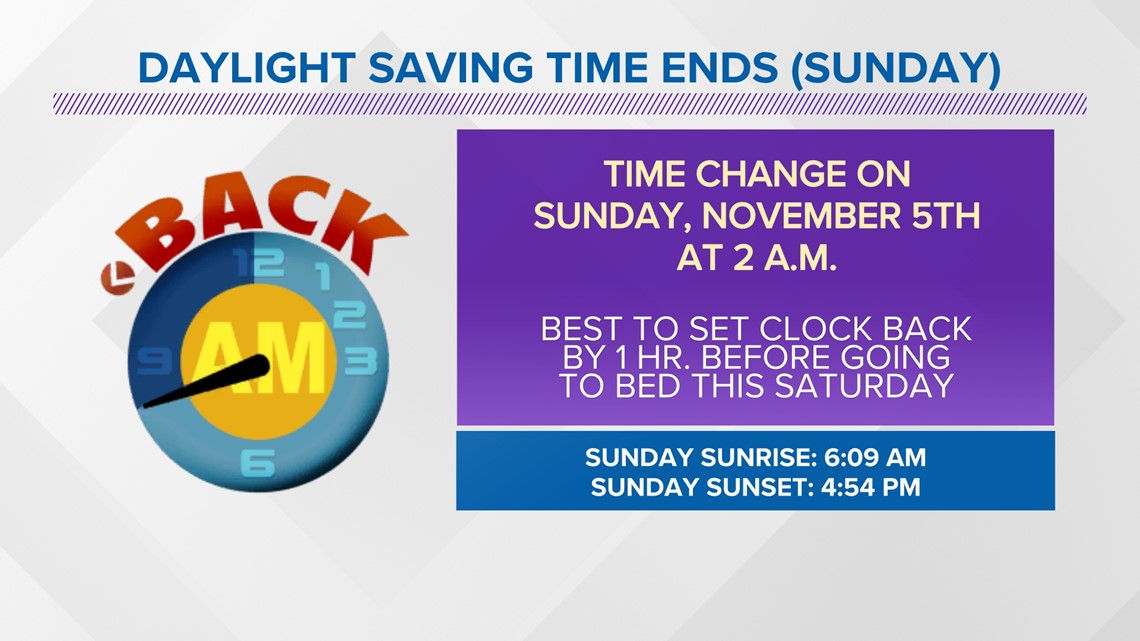
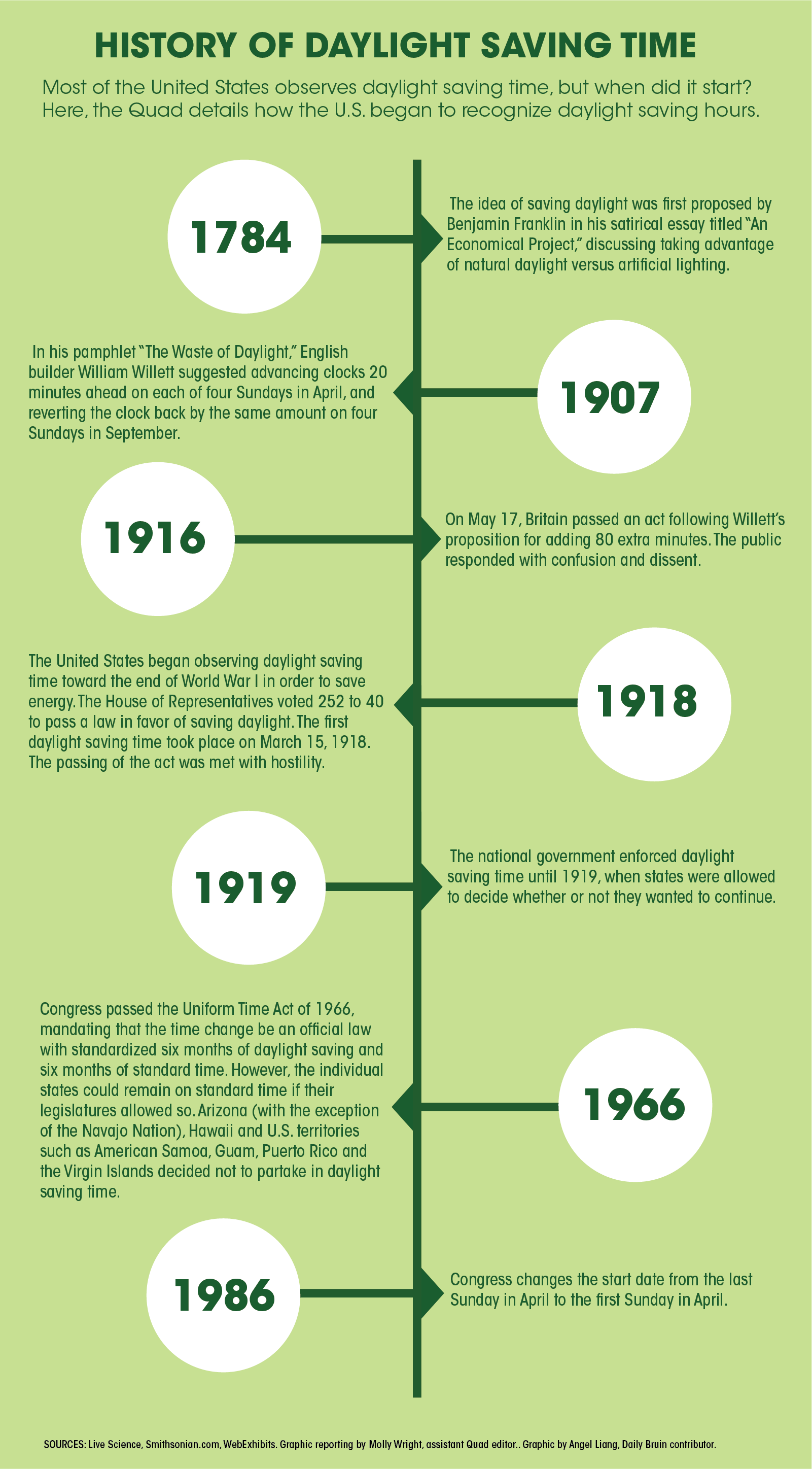
California’s participation in Daylight Saving Time aligns with most of the United States. The practice involves advancing clocks by one hour in the spring, typically on the second Sunday in March, and setting them back by one hour in the fall, on the first Sunday in November. This tradition, originally implemented to conserve energy during wartime, has persisted for decades, though it has faced ongoing debate and legislative challenges within the state.
The Proposition 7 Debate
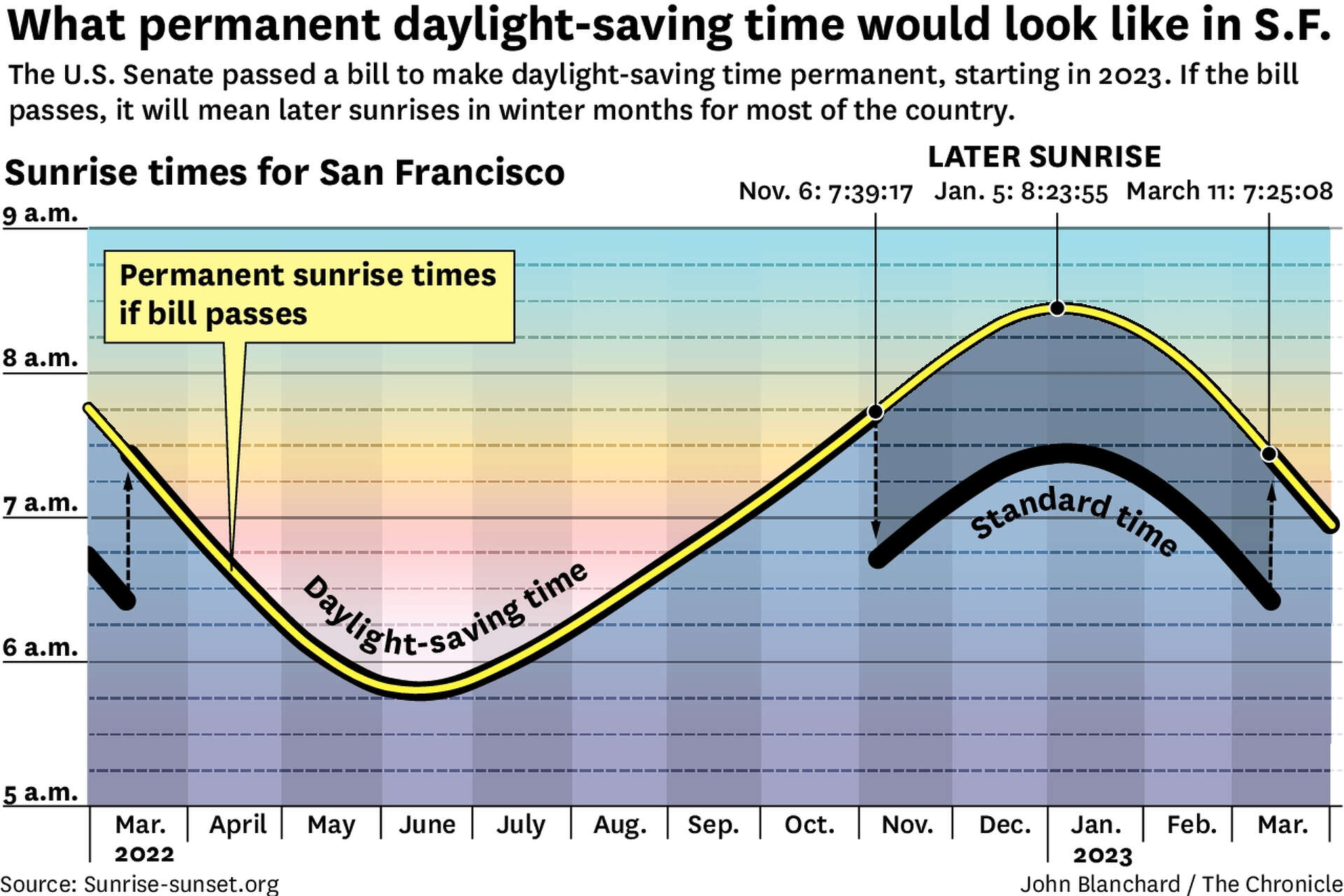
The discussion around permanent Daylight Saving Time has been particularly vocal in California. In 2018, voters passed Proposition 7, which gave the state legislature the power to change DST. This opened the door for potential legislation to establish year-round DST, effectively eliminating the twice-yearly clock change. Advocates for this change often cite potential health benefits from more consistent sleep schedules, reduced traffic accidents, and economic advantages from more daylight hours in the evening. However, despite the passage of Proposition 7, no definitive action has been taken by the state legislature to abolish the time change permanently. Federal law currently requires states to seek congressional approval to remain on DST year-round, which adds another layer of complexity. As of now, California continues to adhere to the traditional schedule of adjusting clocks.
When Does It Happen?
For travelers, knowing the exact dates of these transitions is crucial.
- Spring Forward: On the second Sunday in March, at 2:00 AM PST, clocks jump forward to 3:00 AM PDT. This results in one less hour of sleep but grants an additional hour of daylight in the evening.
- Fall Back: On the first Sunday in November, at 2:00 AM PDT, clocks fall back to 1:00 AM PST. This provides an extra hour of sleep and more daylight in the morning.
For international travelers or those crossing multiple time zones within the United States, these specific dates and times can either compound existing jet lag or offer a slight reprieve, depending on the direction of travel and the timing of the shift.
Impact on Your Travel Itinerary and Logistics
The biannual time change in California is more than just a minor inconvenience; it can have tangible effects on various aspects of a traveler’s journey, from transportation schedules to accessing attractions. Diligent planning and awareness are essential to avoid disruptions.
Flights and Ground Transportation
Airlines and transportation providers generally account for DST shifts, but vigilance is still required. Flight schedules are typically adjusted automatically by airlines to reflect the new time, meaning a flight departing at 9:00 AM after the spring forward will still depart at 9:00 AM, but according to the new time. However, when connecting flights span the DST transition, especially for those arriving from or departing to states that do not observe DST, careful review of arrival and departure times on booking confirmations is paramount. Bus and train schedules, particularly long-distance routes, also follow suit. For rental car pick-ups or drop-offs, ensure you’re arriving at the correct local time to avoid late fees or missed reservations.
Attraction Hours and Dining Reservations
Many popular attractions, such as Disneyland, Universal Studios Hollywood, or museums in Los Angeles and San Francisco, may subtly adjust their opening or closing hours around the DST switch, especially in the weeks immediately following the change. While major attractions usually publish updated hours online, smaller venues, local shops, and restaurants might take a day or two to fully align their operations. Dinner reservations, tour bookings, and show times must be confirmed with the local time in mind. Missing a prized reservation at a Napa Valley winery or a specific timed entry to Alcatraz Island due to a time miscalculation can be disappointing.
Work and Communication for Business Travelers
For business travelers, the time change presents an additional layer of complexity. Meetings scheduled with colleagues or clients in different time zones, especially those in states that do not observe DST (like Arizona or Hawaii), require meticulous verification. A scheduled 9:00 AM California meeting might suddenly shift its relative time for an East Coast counterpart. Furthermore, managing internal company deadlines or client communication that spans multiple regions demands heightened awareness during these transition weeks.
Navigating Time Zone Differences and Jet Lag
Even without the added complexity of DST, California’s location in the Pacific Time Zone means most domestic travelers will experience a time difference. When combined with the DST shifts, managing your internal clock becomes even more critical for enjoying your trip.
Adjusting to Pacific Time
Travelers arriving from the East Coast or Midwest will typically experience a three-hour or two-hour difference, respectively, when flying into California. This westward travel often makes adjustment easier, as you “gain” hours, making it feel like you can stay up later. However, the subsequent “spring forward” might negate some of this advantage, particularly if your arrival coincides with the change. Conversely, if you arrive after the “fall back,” you might find your body adjusting to the extra hour more smoothly.
Minimizing Jet Lag’s Effects
Regardless of the time change, mitigating jet lag is crucial for any long-distance traveler.
- Pre-adjust: A few days before your trip, try to shift your sleep schedule closer to California time.
- Stay Hydrated: Dehydration can exacerbate jet lag symptoms. Drink plenty of water before, during, and after your flight.
- Adjust Immediately: Upon arrival, try to adopt the local time for meals and sleep, even if you’re not tired. Exposure to natural light during the day helps reset your circadian rhythm.
- Avoid Caffeine and Alcohol: While tempting, these can disrupt sleep patterns and worsen jet lag.
- Take Naps Wisely: Short power naps (20-30 minutes) can be refreshing, but avoid long naps that might interfere with nighttime sleep.
When a DST change occurs during your trip, or shortly after your arrival, give yourself extra grace. The body needs time to adapt to both geographic time zone changes and seasonal clock adjustments.
Planning Ahead: Tips for Travelers
Proactive planning can make all the difference in navigating California’s time changes effortlessly.
Checking Dates
The most important step is to simply be aware of when Daylight Saving Time begins and ends. A quick online search for “Daylight Saving Time California 2024” (or the relevant year) will provide the exact dates. If your travel dates bracket one of these transitions, make a note of it.
Setting Reminders
Set a reminder on your phone or calendar a week before the transition. This prompt can help you double-check all your bookings and alerts. Many smartphones and digital devices automatically adjust, but it’s always wise to confirm, especially for crucial appointments. For analog clocks, remember to change them manually.
Confirming Schedules
In the days leading up to and immediately following the time change, reconfirm flight times, train schedules, hotel check-in/out times, and any pre-booked tours or activities. A quick call or check of an organization’s website can prevent a frustrating delay or missed experience. This is especially true for smaller, independently run businesses or attractions, where manual adjustments might take a bit longer.
Flexibility is Key
Despite all preparations, unexpected shifts can occur. Building a buffer into your itinerary, especially on travel days or days with multiple time-sensitive activities, can alleviate stress. Allow extra time for transportation, particularly if you are reliant on public transport whose schedules might be minimally affected by driver shift changes. Embracing a flexible mindset ensures that any minor hiccup due to the time change becomes part of the adventure rather than a source of frustration.
Beyond Time: California’s Unique Appeal
While the time change is a practical consideration for any traveler, it should not overshadow the myriad reasons to visit California. The state offers an unparalleled diversity of experiences, from the sun-drenched beaches of San Diego to the majestic redwoods of the north, the vibrant cityscapes of San Francisco and Los Angeles, and the awe-inspiring natural beauty of Yosemite National Park and Death Valley.
Whether you’re exploring the iconic Golden Gate Bridge, sampling world-class wines in Napa Valley, or chasing movie magic in Hollywood, California promises a memorable journey. By understanding and preparing for the minor logistical detail of Daylight Saving Time, you ensure that your focus remains on immersing yourself in the rich culture, stunning landscapes, and unforgettable experiences that the Golden State generously offers.
LifeOutOfTheBox is a participant in the Amazon Services LLC Associates Program, an affiliate advertising program designed to provide a means for sites to earn advertising fees by advertising and linking to Amazon.com. Amazon, the Amazon logo, AmazonSupply, and the AmazonSupply logo are trademarks of Amazon.com, Inc. or its affiliates. As an Amazon Associate we earn affiliate commissions from qualifying purchases.