
The golden state of California, renowned globally for its diverse landscapes, iconic cities, and world-class attractions, annually faces the complex challenge of wildfires. For travelers planning a visit, understanding the current state of fire containment is paramount to ensuring a safe, enjoyable, and uninterrupted experience. While news headlines often paint a broad picture, the reality on the ground is highly localized, with significant portions of the state remaining open and welcoming to tourists. This guide offers insights into navigating travel in California during fire season, providing crucial information for itinerary planning and ensuring a rewarding journey.
Understanding the Current Landscape for California Travelers
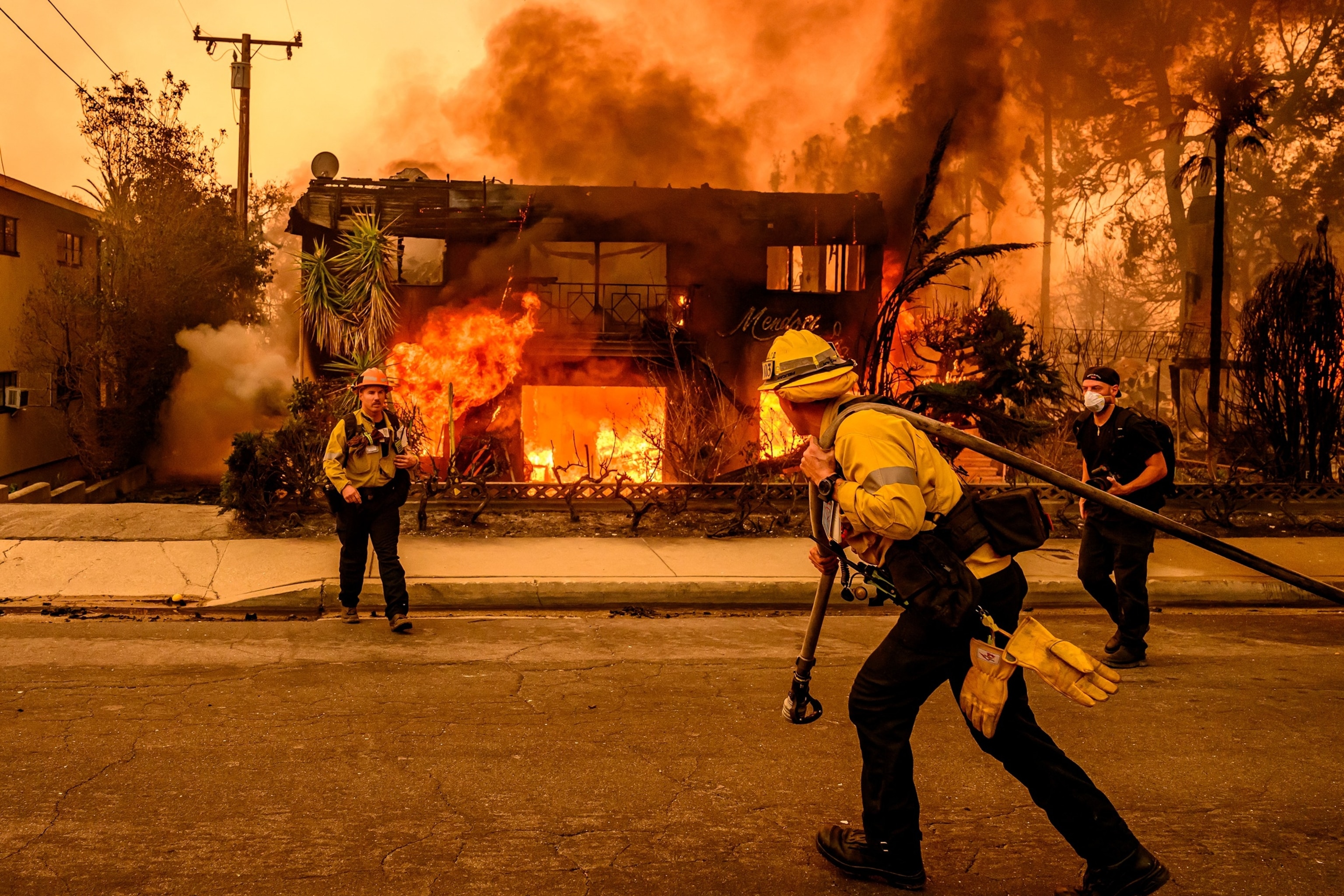
California’s vast and varied geography means that even when significant fires are active, they typically impact specific, often remote, wildland areas. Popular tourist destinations, especially major metropolitan areas and coastal cities, are frequently far removed from the immediate danger zones. However, indirect effects like smoke and air quality can extend beyond the immediate perimeter of a fire, influencing travel comfort and outdoor activities.
Key Fire Regions and Their Impact on Popular Destinations
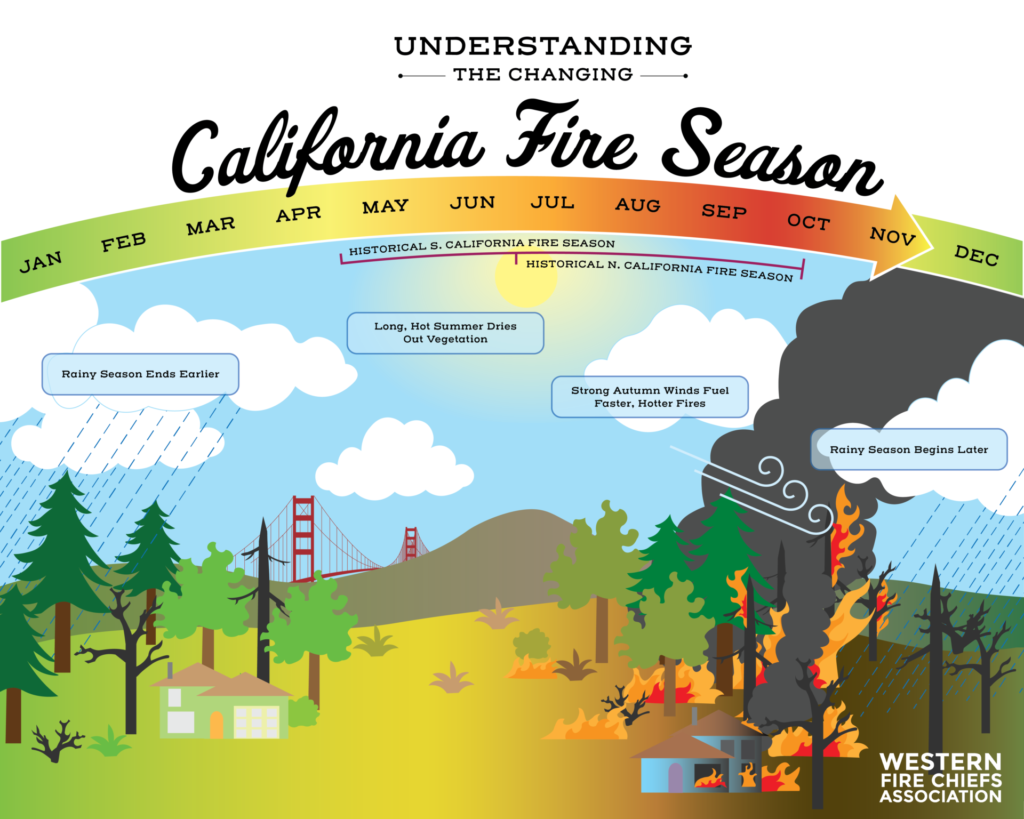
Wildfires in California often occur in forested, chaparral, and grassland areas, particularly in the Sierra Nevada mountains, wine country regions, and parts of Southern California’s hillsides. Understanding which areas are historically more prone or currently affected is crucial for trip planning.
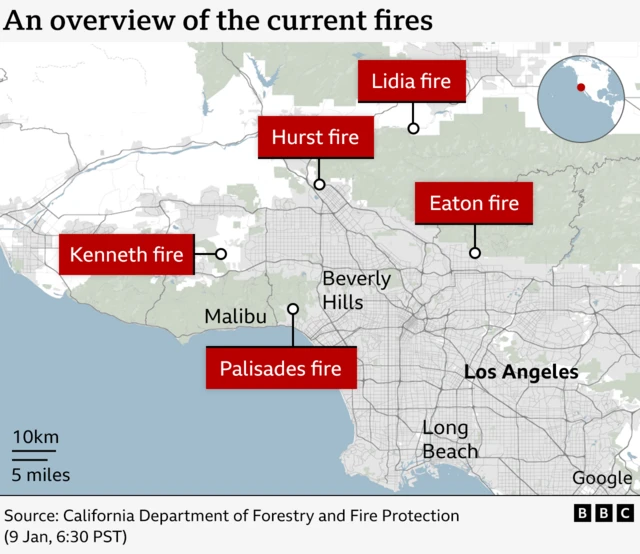
For instance, destinations like Yosemite National Park or Lake Tahoe can be directly impacted by nearby forest fires, leading to park closures, road closures, or significant smoke. Travelers planning to explore these natural wonders must consult current park service alerts and local county emergency websites. Conversely, bustling urban centers such as San Francisco, Los Angeles, or San Diego are rarely at direct risk from wildfires. Their primary concern during major fire events might be reduced air quality due to smoke plume drift, which typically varies with wind patterns and fire intensity.
Wine regions like Napa Valley and Sonoma County, while occasionally susceptible, are heavily invested in fire prevention and mitigation efforts. Many wineries operate as usual, though some may adjust outdoor tasting experiences if air quality becomes a concern. Coastal routes such as Highway 1 through Big Sur can experience closures due to rockslides or smaller, localized fires, making real-time road condition checks indispensable. Even in scenarios where major fires are active, the sheer size of California means a vast majority of its attractions, from the beaches of Santa Monica to the historic streets of Old Sacramento, remain unaffected and ready to welcome visitors.
Air Quality and Health Considerations
One of the most widespread impacts of wildfires, even those far from urban centers, is the potential degradation of air quality. Smoke contains particulate matter that can affect respiratory health, especially for sensitive groups. Travelers should monitor air quality reports from agencies like the California Air Resources Board (CARB) or local air quality management districts. Websites like AirNow.gov provide real-time Air Quality Index (AQI) readings.
When AQI levels are high, it’s advisable to limit prolonged outdoor exertion, keep windows closed, and utilize air conditioning with recirculated air. Many indoor attractions, museums, shopping centers, and restaurants in major cities offer excellent alternatives for days when outdoor activities are less comfortable. Destinations like the Getty Center in Los Angeles or the California Academy of Sciences in San Francisco remain ideal choices regardless of outside air conditions.
Navigating Travel Plans Amidst Fire Season
Proactive planning and access to reliable, real-time information are key to a stress-free California trip during fire season. Flexibility in your itinerary can also be a significant asset.
Essential Resources for Real-time Updates
Staying informed is your best defense against unexpected disruptions. Here are critical resources:
- Cal Fire (California Department of Forestry and Fire Protection): This is the primary state agency managing wildfires. Their website provides maps of active fires, containment percentages, and incident information. It’s the definitive source for fire status.
- National Forest Service: For fires within national forests, their individual forest websites (e.g., Sequoia National Forest, Inyo National Forest) and the InciWeb incident information system offer specific details on closures and conditions.
- Caltrans (California Department of Transportation): For real-time road conditions, including closures due to fires, mudslides, or weather. Their QuickMap tool is invaluable.
- Local County Emergency Services: Many counties have dedicated emergency preparedness websites or social media channels that provide hyper-local updates, evacuation orders, and shelter information if needed.
- Park Websites: For national and state parks, check their official websites for alerts, trail closures, and air quality advisories. For example, Joshua Tree National Park or Redwood National and State Parks will post current conditions.
Before and during your trip, regularly consult these sources. Consider setting up alerts for specific areas you plan to visit.
Travel Insurance and Cancellation Policies
In the unpredictable environment of wildfire season, comprehensive travel insurance can provide peace of mind. Policies vary significantly, so it’s crucial to understand what is covered. Look for “cancel for any reason” (CFAR) policies if you want maximum flexibility, although these are typically more expensive and may not reimburse 100% of costs. Standard travel insurance often covers cancellations due to specified reasons, such as mandatory evacuations at your destination or a travel supplier (airline, hotel) ceasing operations due to an unforeseen event like a natural disaster.
Review your airline, hotel, and tour operator cancellation policies carefully. Many offer more lenient rebooking or cancellation options during declared emergencies. Always communicate directly with your providers if you foresee any issues. Maintaining open lines of communication can often lead to more favorable outcomes than simply canceling outright. Remember, waiting until the last minute to assess the situation might also be beneficial, as fire containment can progress rapidly.
Rethinking California Experiences: Alternative and Resilient Destinations
While certain wilderness areas might face temporary closures or advisories, California offers an astounding array of destinations that are typically less affected by wildfires, providing resilient travel options throughout the season.
Coastal Escapes and Urban Adventures
Coastal California is generally less prone to large-scale wildfires due to higher humidity and often sparser vegetation compared to inland forests. Cities like San Diego, Santa Barbara, Monterey, and Eureka on the northern coast offer fantastic experiences with reduced fire risk. From exploring the historic Gaslamp Quarter in San Diego to whale watching off Monterey Bay, or enjoying the scenic beaches of Orange County and Ventura County, these destinations boast a wealth of attractions.
Major urban centers like Los Angeles and San Francisco are treasure troves of culture, dining, and entertainment, with world-class museums, theaters, and culinary scenes. Visitors can immerse themselves in the arts at the Broad Museum or explore the architectural marvel of the Golden Gate Bridge. These cities typically have robust infrastructure and are well-equipped to manage air quality impacts, often offering myriad indoor activities. Even when smoke is present, the impact is usually temporary and localized, not affecting the entire city for extended periods.
Supporting Local Communities Through Responsible Travel
Traveling responsibly during fire season means not only prioritizing your safety but also supporting the communities that rely on tourism. When wildfires impact an area, local businesses, from restaurants and hotels to tour operators and artisan shops, can suffer significantly. If a destination is open and safe to visit, spending your travel dollars there contributes directly to its recovery and economic resilience.
Consider visiting smaller towns in less fire-prone regions, exploring their unique charm and local offerings. Engaging with local guides for experiences, dining at independently owned restaurants, and purchasing local goods all help sustain these communities. Before you travel, verify that a chosen destination is not under evacuation or advisories and that your visit will not strain local resources or interfere with emergency operations. Your thoughtful approach to travel can make a positive difference.
The Future of Travel in California’s Wildland-Urban Interface
California’s future travel landscape will increasingly integrate strategies for living with and mitigating wildfire risks. For travelers, this means a greater emphasis on preparedness, flexibility, and understanding environmental factors.
Long-term Preparedness and Eco-Tourism Initiatives
The state, along with national park services and local communities, is continuously investing in advanced fire detection systems, improved forest management, and community-wide preparedness plans. Travelers to natural areas might notice more clearly marked evacuation routes, educational signage about fire safety, and potentially enhanced booking flexibility from accommodations in vulnerable zones.
Furthermore, there’s a growing movement towards eco-tourism and sustainable travel practices that aim to minimize human impact on sensitive environments, which indirectly contributes to reducing wildfire risk. Visitors can participate by adhering to “Leave No Trace” principles, observing fire restrictions (like campfire bans), and reporting any suspicious activity. Programs that promote reforestation or responsible land management also offer opportunities for travelers to contribute positively during their visit, perhaps through volunteer efforts or by choosing eco-certified tour operators. Understanding and respecting the natural environment, especially during fire season, is a crucial part of the California experience.
In conclusion, while the question of “How Contained Are The California Fires?” remains a dynamic one, it should not deter potential travelers from exploring this magnificent state. With careful planning, reliance on official information, and a willingness to be flexible, a safe and incredibly rewarding California adventure awaits. The vast majority of its captivating destinations continue to thrive, offering unforgettable experiences even during periods of wildfire activity in specific, often remote, locations.
LifeOutOfTheBox is a participant in the Amazon Services LLC Associates Program, an affiliate advertising program designed to provide a means for sites to earn advertising fees by advertising and linking to Amazon.com. Amazon, the Amazon logo, AmazonSupply, and the AmazonSupply logo are trademarks of Amazon.com, Inc. or its affiliates. As an Amazon Associate we earn affiliate commissions from qualifying purchases.