
Planning a fishing excursion in California as a tourist offers an unparalleled experience, from the shimmering Pacific coast to the tranquil alpine lakes. Before casting a line, understanding the cost and requirements for a one-day fishing license is paramount. This guide provides comprehensive insights into securing your permit, navigating associated fees, and maximizing your angling adventure in the Golden State.
Understanding California’s Fishing License Requirements for Visitors
Embarking on a fishing trip in California necessitates adherence to the state’s rigorous regulations, designed to conserve its diverse aquatic ecosystems. For visitors, the process is streamlined, focusing on accessibility while maintaining ecological responsibility.

Who Needs a License? Navigating Age and Residency
In California, nearly everyone aged 16 or older is required to possess a valid sport fishing license to take any fish, mollusks, crustaceans, invertebrates, or amphibians. This rule applies universally, irrespective of residency status. Whether you’re a local planning a weekend getaway or a visitor from across the globe, if you’re 16 or above, a license is a must. Children under 16, however, are exempt from this requirement, making fishing a fantastic, affordable family activity for those with younger enthusiasts. This exemption encourages youth participation in outdoor recreation and fosters an early appreciation for nature without the initial financial barrier of a license. It’s crucial to remember that even if exempt from a license, all individuals, regardless of age, must still adhere to all other fishing regulations, including bag limits, size restrictions, and gear requirements, ensuring sustainable practices for all.
The One-Day Sport Fishing License: An Ideal Tourist Option
For tourists and casual anglers who only plan to fish for a single day, the one-day sport fishing license is the most practical and cost-effective option. Unlike annual licenses, which are more expensive and designed for frequent anglers, the one-day license provides full legal coverage for a 24-hour period. This flexibility makes it perfect for those visiting California and looking to include a memorable fishing experience in their itinerary without committing to a longer-term permit. It covers both freshwater and saltwater fishing, allowing you to choose your adventure, whether it’s battling a striped bass in the San Francisco Bay or fly-fishing for trout in the Eastern Sierra mountains. This single-day pass simplifies the process, making fishing an accessible activity even for those with limited time in the state.
Where to Purchase Your License
Securing a one-day fishing license in California is straightforward, with several convenient purchasing avenues available:
- Online: The most convenient method is through the California Department of Fish and Wildlife (CDFW) website. This allows you to purchase and print your license from anywhere, anytime, before you even arrive at your fishing destination. It’s an efficient way to ensure you’re compliant before heading out.
- License Agents: Throughout California, a vast network of authorized license agents, including most sporting goods stores (like Bass Pro Shops or REI), tackle shops, and even some discount retailers, sell fishing licenses. These agents can often provide valuable local insights into current fishing conditions and popular spots.
- CDFW Offices: While less common for one-day licenses due to their limited number, you can also purchase licenses directly from CDFW regional offices during business hours.
When purchasing, you’ll need to provide some basic personal information, including your full name, date of birth, and a valid form of identification. Remember to keep your license physically with you while fishing, as wardens may request to see it.
Navigating the Costs: Beyond the Basic Fee
While the base price of a one-day fishing license is relatively modest, several additional considerations can impact your total cost. Understanding these elements beforehand helps in budgeting for a complete and compliant fishing trip.
Base Cost of a One-Day License
As of the most recent updates, the base cost for a one-day non-resident sport fishing license in California typically falls around $19-$20. This fee is subject to minor annual adjustments, so it’s always best to check the official CDFW website for the most current pricing before your trip. The price for residents is often slightly lower, but for tourists, this is the figure to anticipate. This base cost grants you the legal right to fish in most public waters across the state for a 24-hour period, offering fantastic value for a day’s worth of outdoor enjoyment. It’s a small investment for the potential reward of a memorable catch and the serene experience of being on California’s waters.
Essential Validations and Report Cards
Beyond the base license fee, specific fishing activities require additional purchases known as validations or report cards. These are critical for managing particular species and understanding their populations. Failing to acquire the necessary validations can result in fines, even if you have a valid license.
- Ocean Enhancement Validation: If you plan to fish in ocean waters south of Point Arguello (in Santa Barbara County), you will likely need an Ocean Enhancement Validation. This additional fee contributes to programs that enhance marine resources. Its cost is usually a few dollars, typically around $6-$7.
- Spiny Lobster Report Card: For those targeting spiny lobster, a separate report card is mandatory. This helps the CDFW monitor harvest data for this prized crustacean.
- Steelhead Report Card: Anglers pursuing Steelhead trout in specific rivers must obtain a Steelhead Report Card. This validation is vital for tracking the population and migratory patterns of these iconic fish.
- Sturgeon Report Card: Similar to steelhead, if you’re targeting Sturgeon, a Sturgeon Report Card is required for conservation and management purposes.
Each of these validations and report cards has its own separate, nominal fee, typically ranging from $5 to $10. It is essential to declare your intentions at the time of license purchase to ensure you receive all necessary components for your planned fishing activity. Always review the CDFW regulations for your specific target species and location to avoid any compliance issues.
Additional Gear and Bait Considerations
While not part of the license cost, budgeting for gear and bait is crucial for a successful fishing trip. For a one-day excursion, you might:
- Rent Equipment: Many tackle shops, particularly near popular fishing spots or charter operations, offer rod and reel rentals for a daily fee (e.g., $15-$30). This is a convenient option for tourists who don’t want to travel with their own gear.
- Purchase Basic Supplies: If you prefer to buy, a basic setup can range from $50-$100+ for a rod, reel, line, and a small tackle box of hooks, weights, and lures.
- Bait: Live bait (worms, anchovies, shrimp) can cost anywhere from $5-$20, depending on the type and quantity. Artificial lures vary widely in price, from a few dollars for basic options to $20+ for specialized ones.
- Cooler and Ice: Essential for keeping your catch fresh, these can be a one-time purchase or a small daily expense.
- Fishing Charter Costs: If you opt for a guided fishing trip or a party boat, the license fee is separate from the charter cost. Charter prices can range from $50-$150+ per person for a half-day trip, but often include bait and some tackle.
Considering these additional expenses ensures a fully prepared and enjoyable fishing experience, making your day trip to California’s waters truly unforgettable.
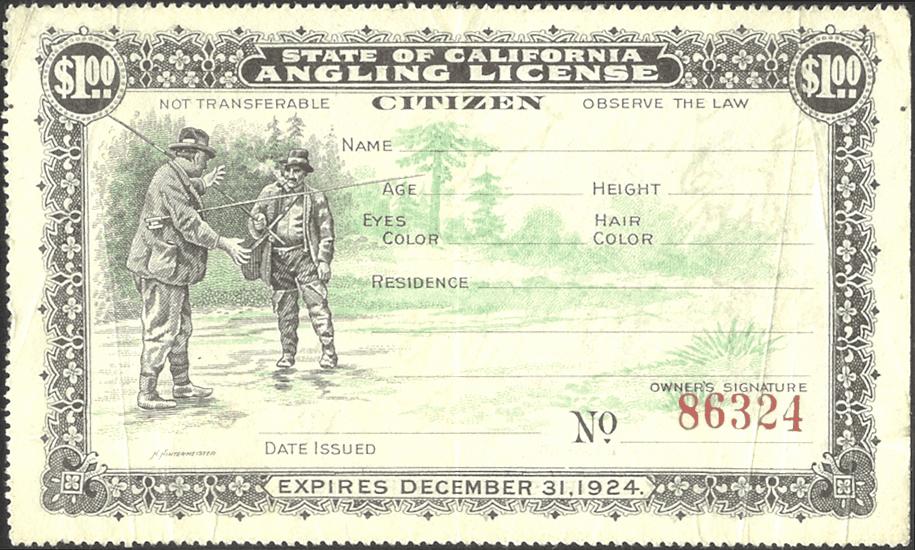
Premier Fishing Destinations in California for a Day Trip
California’s vast and varied landscape offers an abundance of prime fishing locations suitable for a single-day adventure, catering to different preferences and skill levels.
Coastal Fishing: Piers, Beaches, and Charters
The California coastline is a treasure trove for anglers, providing diverse opportunities for both novice and experienced fishers.
- Piers: Fishing from public piers in California is uniquely appealing, as a fishing license is often NOT required for pier fishing. This makes it an incredibly accessible and budget-friendly option for tourists. Popular piers like those in Santa Monica, Santa Cruz, and San Diego offer chances to catch mackerel, perch, halibut, and even small sharks. Many piers also have tackle shops where you can rent equipment and buy bait.
- Beaches: Surf fishing from California’s numerous beaches requires a license but offers the thrill of catching species like corbina, surf perch, and leopard sharks. Beaches around Huntington Beach and Malibu are particularly popular for this activity.
- Fishing Charters: For a more targeted and potentially fruitful experience, consider booking a spot on a party boat or a private charter. Operations out of San Diego, Long Beach, Newport Beach, Ventura, and San Francisco regularly run trips for rockfish, lingcod, yellowtail, and even tuna further offshore. These charters often provide all necessary gear and expertise, making them ideal for tourists seeking a hassle-free, guided adventure.
Freshwater Lakes and Rivers: Serene Escapes
Inland California presents a different kind of angling paradise, characterized by serene waters and picturesque landscapes.
- Lakes: Lake Tahoe, straddling the California-Nevada border, is renowned for its trout fishing, including Mackinaw and Rainbow trout. Other notable lakes include Lake Shasta in Northern California for bass and trout, and various reservoirs in the Sierra Nevada foothills which are regularly stocked.
- Rivers: The Sacramento River is famous for its salmon and steelhead runs during specific seasons, while numerous smaller streams and rivers in the Eastern Sierra offer excellent fly-fishing opportunities for various trout species. The Kern River is another classic destination for trout anglers. Always check local regulations for specific river sections, as some may have special rules regarding bait or catch-and-release.
Best Times to Plan Your Fishing Excursion
The optimal time for a fishing day in California largely depends on your target species and preferred location.
- Spring (March-May): Excellent for freshwater trout in lakes and rivers as they become more active. Coastal waters also start warming up, bringing in various surf species.
- Summer (June-August): Peak season for saltwater fishing, with warmer waters attracting yellowtail, tuna, and dorado offshore. Inland, bass fishing is strong, and high-elevation lakes are fully accessible.
- Fall (September-November): Many areas see spectacular salmon and steelhead runs in rivers. Coastal fishing remains productive, especially for rockfish and halibut.
- Winter (December-February): While some freshwater fishing slows, winter can be good for steelheading in specific rivers (check regulations) and certain bottom fish species along the coast.
Checking local fishing reports and forecasts before your trip is highly recommended to ensure the best possible experience, aligning your visit with prime fishing conditions for your chosen species.
Essential Tips for a Successful Fishing Day in the Golden State
To ensure a memorable and compliant fishing trip in California, it’s vital to be well-prepared and respectful of the environment. These tips will help you navigate the nuances of angling in the state.
Know Before You Go: Regulations and Species
Before even purchasing your license, take the time to research the specific regulations for the body of water you intend to fish and the species you hope to catch. California has complex and sometimes localized rules regarding:
- Bag and Size Limits: How many fish of a particular species you can keep, and their minimum or maximum legal size.
- Seasonality: Many species have specific open and closed seasons. Fishing for a species outside its legal season is prohibited.
- Gear Restrictions: Certain areas or species may have restrictions on the type of bait (e.g., no live bait), hooks (e.g., barbless only), or tackle allowed.
- Protected Areas: Some areas, like Marine Protected Areas (MPAs) along the coast, have strict fishing prohibitions or limitations.
The CDFW website is the authoritative source for all regulations, and their annual sport fishing regulations booklet is a must-read. Local tackle shops are also invaluable resources for up-to-date, localized information.
Packing Smart: What Every Angler Needs
Beyond your license and fishing gear, a few essentials will significantly enhance your comfort and success:
- Sun Protection: California sun can be intense. Pack sunscreen, a wide-brimmed hat, and polarized sunglasses to protect your eyes and improve visibility into the water.
- Appropriate Clothing: Dress in layers to adapt to changing weather conditions. Water-resistant outer layers are advisable, especially for coastal or boat fishing.
- First-Aid Kit: Small cuts from hooks or minor scrapes are common. A basic first-aid kit can address these quickly.
- Hydration and Snacks: Fishing can be a patient endeavor. Bring plenty of water and some energy-boosting snacks to stay hydrated and energized.
- Cooler with Ice: If you plan to keep your catch, a cooler with ice is essential to maintain freshness and comply with safe handling practices.
- Pliers/Forceps: Crucial for safely removing hooks from fish (and sometimes yourself!).
- Measuring Tape: To ensure your catch meets legal size requirements.

Conservation and Responsible Angling Practices
As a visitor enjoying California’s natural beauty, practicing responsible angling is paramount to preserving its resources for future generations.
- Catch and Release with Care: If you’re not keeping a fish, handle it gently and release it quickly. Minimize its time out of water, use wet hands to avoid removing its protective slime layer, and consider using barbless hooks for easier release.
- Leave No Trace: Pack out everything you pack in, including discarded fishing line, bait containers, and any other trash. Do not leave any litter behind.
- Respect Wildlife: Observe wildlife from a distance and avoid disturbing nesting birds, marine mammals, or other animals.
- Report Poaching: If you witness any illegal fishing activities or environmental violations, report them to the CDFW’s CalTIP hotline.
By following these guidelines, your one-day fishing adventure in California will not only be rewarding for you but also contribute positively to the health and sustainability of its incredible aquatic environments. Enjoy the golden experience!
LifeOutOfTheBox is a participant in the Amazon Services LLC Associates Program, an affiliate advertising program designed to provide a means for sites to earn advertising fees by advertising and linking to Amazon.com. Amazon, the Amazon logo, AmazonSupply, and the AmazonSupply logo are trademarks of Amazon.com, Inc. or its affiliates. As an Amazon Associate we earn affiliate commissions from qualifying purchases.