
The Vulnerability of California’s Natural Landmarks
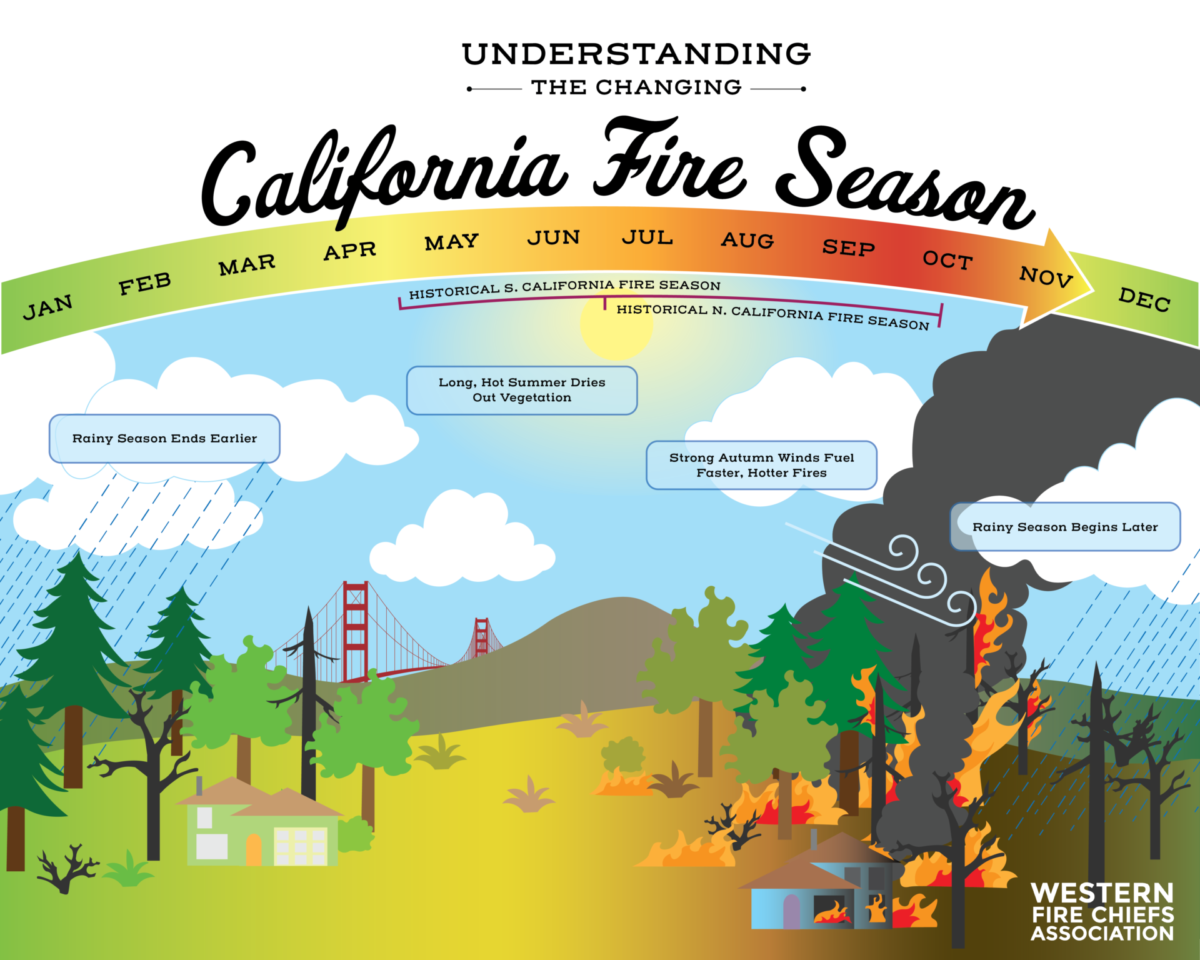
California’s breathtaking natural landscapes are globally renowned, from the towering sequoias of the Sierra Nevada to the rugged beauty of its coastal ranges and the iconic granite formations of Yosemite National Park. These areas, cherished as natural landmarks, are not merely tourist attractions but vital ecosystems supporting unique biodiversity. However, these very features that define their grandeur also render them extraordinarily vulnerable to the destructive power of wildfires. The state’s Mediterranean climate, characterized by hot, dry summers and often windy conditions, creates an environment where vegetation becomes parched and highly flammable. This natural predisposition is further exacerbated by intricate ecological factors. For instance, the chaparral ecosystems, prevalent across much of Southern California, are naturally adapted to fire, with some species even requiring it for seed germination. Yet, the frequency and intensity of modern fires far exceed historical norms, overwhelming these natural adaptive mechanisms.
Iconic natural landmarks like Sequoia National Park house ancient groves that have survived centuries of natural fire cycles, but increasingly extreme fire behavior now threatens trees thousands of years old. The vast expanse of the Angeles National Forest, a critical watershed and recreational area near Los Angeles, and the diverse ecosystems within the Big Sur region along the Central Coast also face constant peril. The sheer scale and rapid progression of these fires lead to widespread destruction of habitats, loss of critical species, and significant alteration of the landscape, permanently scarring these natural treasures. Understanding how these fires begin is paramount to developing strategies for protecting these irreplaceable natural landmarks for future generations.
The Role of Climate Change in Escalating Risk
The fingerprint of climate change is increasingly evident in the escalating wildfire crisis, profoundly impacting the vulnerability of California’s natural landmarks. A warming planet contributes to longer and more intense drought periods, drying out vegetation to critical levels. The last decade has seen unprecedented heatwaves and reduced snowpack in the Sierra Nevada, both of which directly contribute to drier fuels across the state. These conditions create an environment where even minor ignition sources can rapidly escalate into conflagrations. Furthermore, climate change is believed to be influencing weather patterns, leading to more frequent and powerful winds, such as the Santa Ana and Diablo Winds, which act as accelerants, pushing flames across vast distances at alarming speeds, making containment incredibly challenging and posing immense threats to any landmark in their path. The cumulative effect is a landscape primed for more severe, larger, and faster-moving fires that are increasingly difficult to manage, threatening the very existence of some of California’s’s most cherished natural icons.
Unraveling the Multifaceted Origins of Blaze
The ignition of a wildfire in California is rarely a simple event; it’s often the culmination of various factors converging at a single point. While natural causes exist, human activity accounts for the vast majority of ignitions, especially those that spread rapidly and become destructive. Investigating the precise origin point, known as the “point of origin,” is a critical aspect of fire management, as it informs prevention strategies and aids in accountability. For natural landmarks, understanding these origins is crucial for site-specific protection plans, ensuring that efforts are tailored to the most probable threats facing a particular ecosystem or geological feature.
Human-Caused Ignitions: A Direct Threat to Pristine Wilderness
Human negligence, accidental occurrences, and intentional acts are responsible for roughly 85% of all wildfires in California. These ignitions often occur near human infrastructure or recreational areas, subsequently spreading into pristine wilderness and threatening natural landmarks.
One prominent cause has been faulty or poorly maintained electrical infrastructure. Power lines, particularly those operated by entities like Pacific Gas and Electric (PG&E) in Northern California or Southern California Edison (SCE) in the southern half of the state, have been implicated in some of the most devastating fires. Downed lines, equipment failures, or vegetation coming into contact with energized wires can easily spark dry grasses and brush, leading to rapidly spreading fires that engulf vast tracts of natural land, including protected areas and designated landmarks. The 2018 Camp Fire, which decimated the town of Paradise and vast surrounding natural areas, was tragically linked to PG&E equipment.
Other human-caused ignitions include unattended campfires left in natural parks or wilderness areas, discarded cigarettes, sparks from vehicles (such as hot catalytic converters igniting roadside grass), target shooting with incendiary ammunition, fireworks, and even agricultural burning that escapes control. Arson, while less frequent, remains a deliberate and malicious threat to natural landmarks, leading to fires that are often challenging to predict and control. These human-related origins underscore the critical importance of public education and responsible behavior, especially when visiting or living near California’s precious natural heritage. Every spark has the potential to become a destructive force, altering ecosystems and erasing historical landscape features within natural landmarks.
Natural Ignitions: Lightning Strikes and Their Impact on Remote Landmarks
While less common than human-caused fires, natural ignitions, primarily lightning strikes, are a significant source of wildfires, particularly in remote, high-elevation natural landmarks. Lightning-caused fires often occur during summer thunderstorms, which, despite bringing some moisture, can also deliver powerful dry lightning strikes that ignite multiple fires across expansive and often inaccessible wilderness areas. These fires can smolder undetected for days before igniting larger fuels and becoming visible, making early detection and response challenging.
For natural landmarks like the sprawling Mendocino National Forest or the remote reaches of the Lassen Volcanic National Park, lightning strikes are a persistent threat. Historically, these natural fires played a crucial ecological role, shaping landscapes and promoting biodiversity. However, under current climate conditions with extreme fuel loads and prolonged droughts, even naturally occurring lightning fires can quickly become catastrophic, overriding the ecological benefits and instead threatening the very integrity of the natural landmark. The sheer scale and unpredictable nature of lightning-sparked blazes, especially when multiple strikes occur simultaneously across a region, test the limits of firefighting resources and present unique challenges for the preservation of California’s’s wild and untouched natural landmarks.
The Landscape of Fuel: A Historical Perspective on Land Management and its Consequences
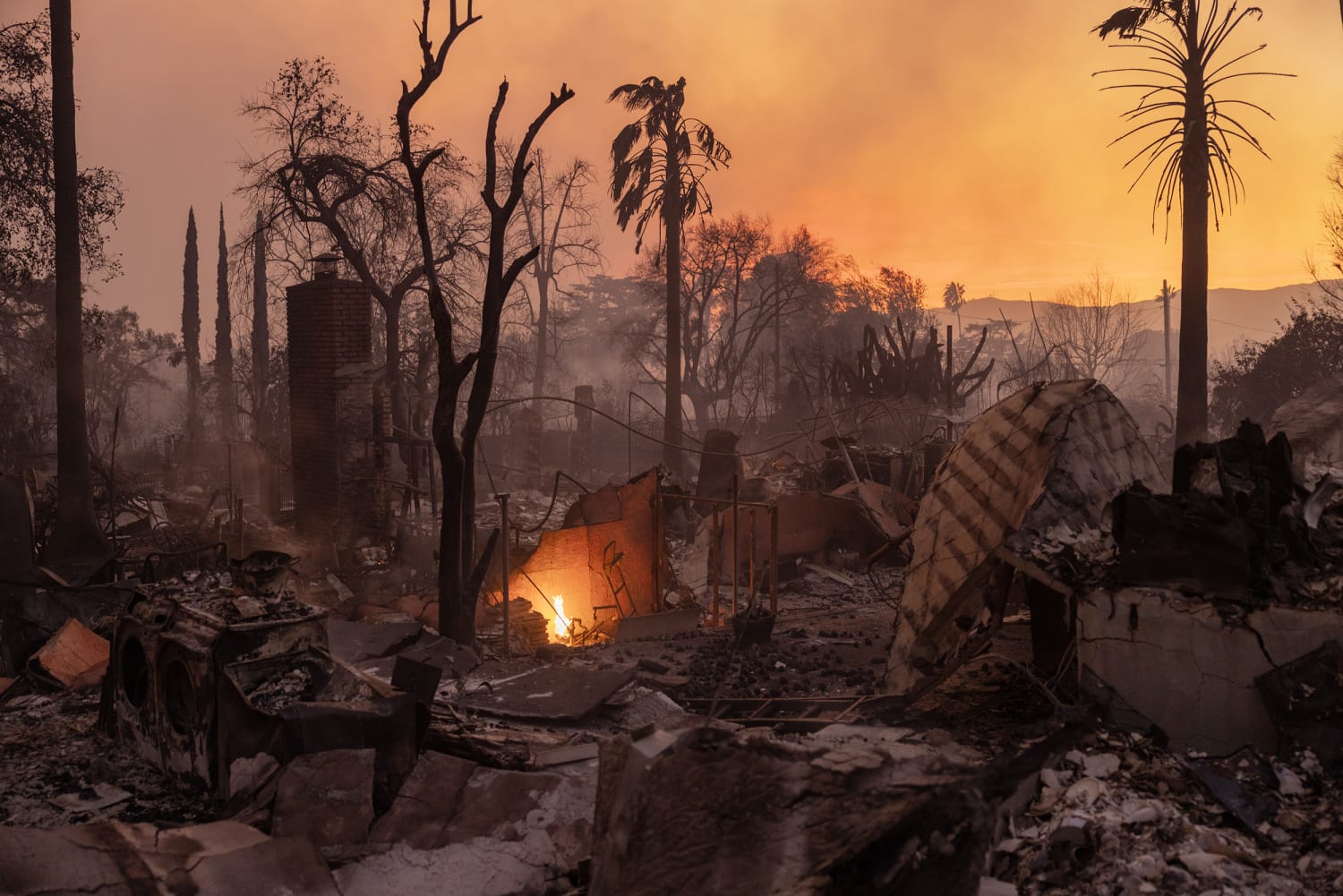
Regardless of the ignition source, a fire cannot spread without fuel. The extensive availability of dry vegetation across California’s landscapes, particularly within and around its natural landmarks, is a critical factor determining a fire’s intensity and destructive potential. This fuel load is a complex product of natural processes, historical land management practices, and ecological shifts, all directly influencing how fiercely a fire burns and how difficult it is to control when it inevitably starts.
Legacy of Fire Suppression and Forest Health
For much of the 20th century, the dominant land management philosophy in the United States, particularly in national forests and parks like Yosemite and Sequoia, was aggressive fire suppression. The goal was to extinguish every fire as quickly as possible, regardless of its origin. While this approach initially seemed successful in protecting timber and property, it inadvertently disrupted the natural fire regimes that many California ecosystems, including old-growth forests and chaparral, had evolved with.
Historically, frequent, low-intensity fires would clear out underbrush, dead wood, and smaller trees, creating a mosaic landscape with varying fuel loads. This natural clearing prevented the accumulation of excessive fuel, mitigating the risk of large, catastrophic blazes. However, decades of effective fire suppression allowed vast quantities of fuel to accumulate across the landscape. Forests became unnaturally dense, creating “ladder fuels” that allow ground fires to climb into the tree canopy, transforming relatively benign surface fires into devastating crown fires that are nearly impossible to stop and can kill mature trees, including giant sequoias, that might otherwise withstand milder burns. This legacy of suppression has made many of California’s iconic natural landmarks, intended to be preserved, paradoxically more susceptible to destruction from intense wildfires.
Invasive Species and Their Contribution to Fuel Load
The introduction and proliferation of invasive plant species further complicate California’s fuel landscape, posing an additional threat to the ecological integrity and fire resilience of natural landmarks. Non-native grasses, such as cheatgrass and red brome, often outcompete native vegetation, particularly in grasslands and shrublands. These invasive grasses dry out earlier in the season than native species, creating a continuous “fine fuel” layer that ignites easily and carries fire rapidly across vast areas. Their presence can significantly increase fire frequency and spread rates.
Furthermore, some invasive shrubs, like Spanish broom or Arundo donax (giant reed) in riparian areas, can form dense, highly flammable stands that are difficult to eradicate and act as significant fuel sources. When these species invade areas surrounding or within natural landmarks, they fundamentally alter the fire ecology, making landscapes more susceptible to ignition and faster fire spread. This creates a vicious cycle where fires promote the growth of more invasive species, further increasing fire risk and undermining the long-term health and preservation of native ecosystems within these cherished natural landmarks.
Protecting California’s Icons: Proactive Measures and Future Resilience
Understanding how California fires begin is the first critical step towards protecting its invaluable natural landmarks. The insights gained from fire origin investigations are not just about attribution but about informing a comprehensive, multi-faceted approach to prevention, mitigation, and adaptation. Moving forward, the resilience of these natural icons depends on proactive strategies that integrate scientific understanding with community engagement and policy changes. The goal is to shift from reactive firefighting to a more holistic land management philosophy that acknowledges fire as an ecological process while minimizing its destructive potential to human lives and cherished natural treasures.
Modern Fire Management and Ecological Restoration for Landmarks
Contemporary fire management aims to reintroduce fire to the landscape in a controlled manner, mimicking natural cycles that promote ecosystem health and reduce hazardous fuel loads around landmarks. Prescribed burns, carefully planned and executed under specific weather conditions, are increasingly utilized. These controlled fires clear underbrush, thin dense forests, and recycle nutrients, thereby reducing the intensity of future wildfires and protecting the integrity of landmark ecosystems. Beyond burning, other fuel reduction techniques include mechanical thinning and strategic fuel breaks – areas where vegetation is removed or heavily managed to slow or stop fire spread. Efforts are also focused on ecological restoration, such as replanting with fire-resilient native species in areas impacted by severe fires, helping natural landmarks recover their biodiversity and structural integrity. Near communities adjacent to natural landmarks, programs like “Firewise USA” encourage homeowners to create defensible space around their properties, forming a buffer that can prevent fires from moving from wildlands into residential areas and vice-versa, thus safeguarding both human habitations and the natural heritage.
Technological Advancements in Early Detection and Response
The speed at which a fire is detected and responded to can be the difference between a small incident and a catastrophic blaze that threatens natural landmarks. Technological advancements are revolutionizing early detection. Networks of high-definition cameras, often strategically placed on prominent peaks overlooking vast stretches of wildland and landmarks, provide continuous surveillance. These cameras, combined with artificial intelligence (AI) algorithms, can detect smoke plumes shortly after ignition, sometimes even before human observers. Satellite imagery and drone technology offer broader monitoring capabilities, especially in remote or inaccessible areas, providing crucial intelligence on fire location, size, and spread. For instance, thermal sensors on drones can identify hotspots invisible to the naked eye. This rapid detection enables firefighters to deploy resources more efficiently and effectively, potentially containing fires before they reach or inflict significant damage upon critical natural landmarks like the Anza-Borrego Desert State Park or the redwood forests of Humboldt Redwoods State Park.

Sustainable Tourism and Landmark Preservation
As global interest in nature-based travel grows, sustainable tourism plays a pivotal role in the preservation of California’s natural landmarks, particularly in preventing human-caused ignitions. Responsible visitor behavior is an often-underestimated but incredibly powerful tool in fire prevention. Educational campaigns at park entrances, campgrounds, and visitor centers emphasize the importance of “Leave No Trace” principles and fire safety protocols. This includes properly extinguishing campfires, safely disposing of cigarettes, and understanding local fire restrictions. Tour operators and guide services are also increasingly trained to educate visitors on fire risks and responsible practices within sensitive ecosystems. Encouraging a culture of respect and vigilance among visitors ensures that these natural wonders, from the majestic waterfalls of Yosemite Valley to the unique flora of Joshua Tree National Park, remain pristine and protected from preventable fires. By fostering a collective stewardship, the enjoyment of these landmarks by current generations can be balanced with their crucial preservation for generations to come.
LifeOutOfTheBox is a participant in the Amazon Services LLC Associates Program, an affiliate advertising program designed to provide a means for sites to earn advertising fees by advertising and linking to Amazon.com. Amazon, the Amazon logo, AmazonSupply, and the AmazonSupply logo are trademarks of Amazon.com, Inc. or its affiliates. As an Amazon Associate we earn affiliate commissions from qualifying purchases.