
Olympic National Park, a jewel of the Pacific Northwest, beckons visitors with its diverse ecosystems, from temperate rainforests to rugged coastlines and snow-capped mountains. For those embarking on a journey from the vibrant city of Seattle, understanding the distance and travel time is paramount to planning a successful adventure. This comprehensive guide breaks down the travel logistics, offering insights into the various routes, estimated durations, and key considerations for reaching this natural wonderland.
Understanding the Distances and Driving Routes
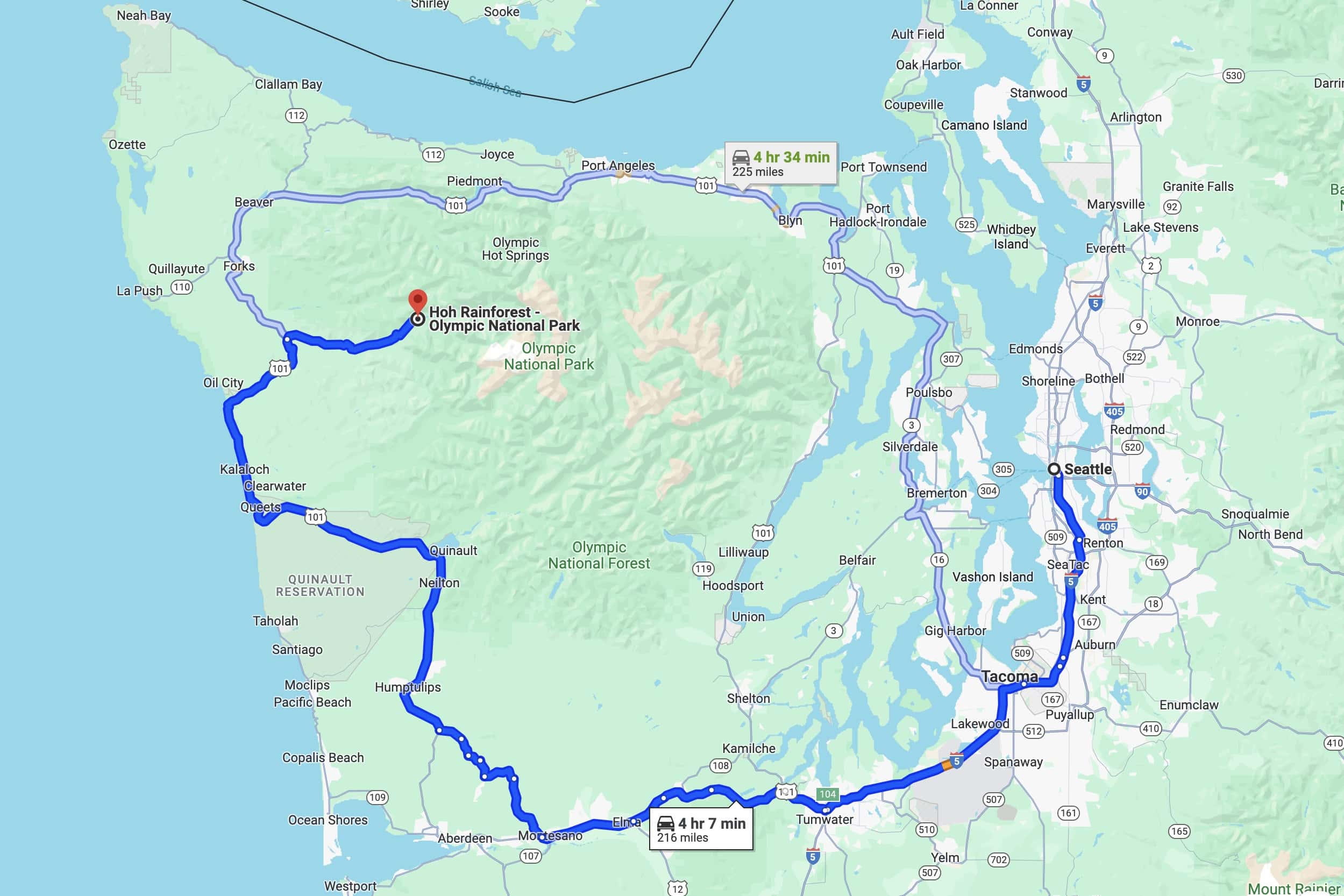
The proximity of Olympic National Park to Seattle is a significant draw for day-trippers and weekend explorers alike. However, the park’s vastness means that “distance” is not a monolithic concept. The specific destination within the park will dictate the exact mileage and travel time. Generally, visitors can expect to travel between 70 and 150 miles, with driving times ranging from approximately 2 to 4 hours, excluding ferry wait times and potential traffic.
Route Options and Travel Times
Several primary routes connect Seattle to the various entrances of Olympic National Park. Each offers a unique perspective and varying travel times.
The Edmonds-Kingston Ferry Route
This is often the most popular and scenic route for accessing the eastern and southern sections of the park, including areas like Hurricane Ridge and the Hoh Rainforest.
- Via I-5 South to Edmonds Ferry Terminal: From Seattle, you’ll drive south on I-5 to the Edmonds exit. This drive typically takes 30-45 minutes, depending on traffic.
- Washington State Ferry to Kingston: The ferry ride itself is a delightful experience, offering stunning views of the Puget Sound. The crossing takes approximately 30 minutes. It’s crucial to factor in wait times for the ferry, which can range from 30 minutes to over an hour, especially during peak seasons and weekends.
- Kingston to Port Angeles: From the Kingston terminal, you’ll drive west on SR 104 to US 101 heading north towards Port Angeles. This stretch typically takes about 1 hour and 30 minutes.
- Total Estimated Travel Time (with ferry): 3 to 4 hours, not including ferry wait times.
The Tacoma Narrows Bridge Route
This route is a viable alternative, particularly if you are coming from the south of Seattle or wish to avoid the Edmonds ferry. It tends to be longer in terms of driving mileage.
- Via I-5 South to Tacoma Narrows Bridge: From Seattle, you’ll drive south on I-5 towards Tacoma. This leg can take 45 minutes to over an hour.
- Tacoma Narrows Bridge to Bremerton/Shelton: After crossing the Tacoma Narrows Bridge, you’ll typically follow SR 16 towards Bremerton and then connect to US 101 south towards Shelton and then west.
- US 101 West: This segment will take you towards the southern and western entrances of the park, potentially accessing areas like the Quinault Rainforest.
- Total Estimated Travel Time: 3 to 4.5 hours, depending on traffic and the specific park entrance.
The Seattle-Bainbridge Island Ferry Route
This is another ferry option that serves the northern part of the park, providing access to areas near Port Townsend and the northeastern reaches.
- Via SR 99 South to Seattle Ferry Terminal: Drive to the downtown Seattle ferry terminal.
- Washington State Ferry to Bainbridge Island: This ferry crossing takes approximately 35 minutes. Again, factor in potential wait times.
- Bainbridge Island to Port Townsend: From the Bainbridge Island terminal, you’ll drive north on SR 305 to SR 104, and then take US 101 north towards Port Townsend and beyond.
- Total Estimated Travel Time (with ferry): 3 to 4 hours, not including ferry wait times.
Key Considerations for Your Journey
Beyond the raw mileage and estimated driving times, several factors can influence your actual travel experience from Seattle to Olympic National Park.
Ferry Schedules and Reservations
Washington State Ferries are an integral part of many routes. It is highly recommended to check the ferry schedule in advance, especially if you are traveling during peak times or holidays. While reservations are not typically available for the Edmonds-Kingston or Seattle-Bainbridge routes, understanding the vessel rotation and potential delays is crucial for efficient planning. Arriving early at the terminal is often the best strategy to minimize wait times.
Traffic Patterns in Seattle
Seattle is known for its significant traffic congestion, particularly during weekday rush hours. Traveling outside of these times can significantly reduce your driving time to the ferry terminals or highways. Early morning departures (before 7 AM) or late evening returns are often advisable.
Weather Conditions
The weather in the Pacific Northwest can be highly variable, and this is especially true within Olympic National Park. Snow can fall at higher elevations like Hurricane Ridge well into the spring and begin again in the fall. Coastal fog is also a common occurrence. Always check current weather forecasts for both Seattle and the specific areas of the park you plan to visit. Road conditions can also be affected by weather, so checking WSDOT (Washington State Department of Transportation) for advisories is a good practice.
Park Entrances and Destinations
Olympic National Park encompasses over a million acres and is divided into distinct regions. Your choice of entrance and final destination within the park will significantly impact your journey from Seattle.
- Hurricane Ridge: Accessible via Port Angeles (eastern side of the park). This route typically involves the Edmonds-Kingston ferry.
- Hoh Rainforest: Located on the western side of the park. This can be reached via the Edmonds-Kingston ferry, driving south on US 101 past Lake Quinault.
- Rialto Beach & La Push: Also on the western coast. These destinations are generally accessed via the same routes as the Hoh Rainforest.
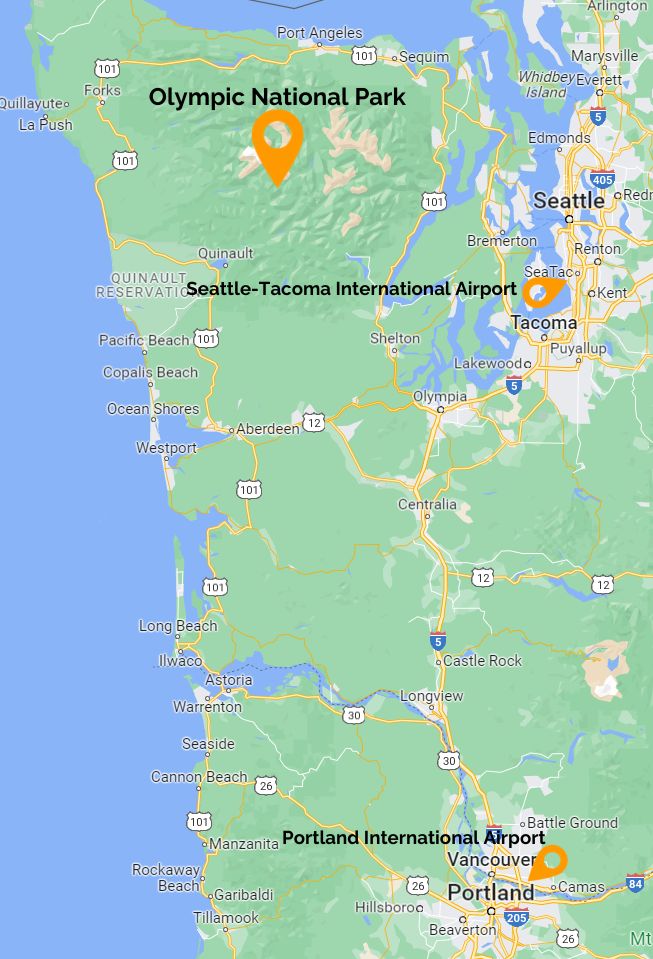
- Lake Quinault: On the southern end of the park, often accessed via the Tacoma Narrows bridge route or by continuing south on US 101 after the ferry.
- Sol Duc Hot Springs: Located in the northwestern part of the park, typically reached via Port Angeles and then west on US 101.
Planning Your Olympic National Park Adventure from Seattle
When planning your trip from Seattle, it’s beneficial to consider not just the distance, but also the type of experience you’re seeking within Olympic National Park. The park offers a spectrum of natural beauty, each accessible via different routes and with varying travel considerations.
Day Trip vs. Overnight Stay
The feasibility of a day trip from Seattle to Olympic National Park depends heavily on your chosen destination within the park and your tolerance for driving. Visiting a single, easily accessible area like Hurricane Ridge for a few hours is possible, but it will involve a significant amount of driving and ferry time.
For a more immersive experience, or to explore multiple regions, an overnight stay is highly recommended. This allows you to break up the drive, enjoy leisurely hikes, witness sunsets and sunrises, and truly appreciate the tranquility of the park. Options for accommodation range from rustic campgrounds and lodges within the park to hotels and vacation rentals in nearby towns like Port Angeles, Forks, or Sequim.
Essential Park Information
Before embarking on your journey, familiarize yourself with crucial park information:
- Park Entrance Fees: A National Park Service entrance pass is required for entry. Passes can be purchased online or at entrance stations.
- Road Conditions: Always check the official Olympic National Park website for current road conditions, especially for areas like Hurricane Ridge, which can experience closures due to snow.
- Visitor Centers: Park visitor centers are excellent resources for maps, ranger advice, and up-to-date information on trail conditions and wildlife sightings.
- Cell Service: Be prepared for limited to no cell service within large portions of the park. Download offline maps and essential information beforehand.
- Wildlife Safety: Maintain a safe distance from all wildlife and never feed animals.
By carefully considering the distances, route options, and practical tips, you can effectively plan your travel from Seattle to the breathtaking landscapes of Olympic National Park, ensuring a memorable and well-executed adventure.
LifeOutOfTheBox is a participant in the Amazon Services LLC Associates Program, an affiliate advertising program designed to provide a means for sites to earn advertising fees by advertising and linking to Amazon.com. Amazon, the Amazon logo, AmazonSupply, and the AmazonSupply logo are trademarks of Amazon.com, Inc. or its affiliates. As an Amazon Associate we earn affiliate commissions from qualifying purchases.