
California‘s Natural Canvas: A Landscape Primed for Fire
California’s breathtaking natural landmarks, from its ancient redwood forests to its sun-drenched coastal chaparral, owe their existence to a unique set of climatic and ecological conditions. Unfortunately, these same conditions also render the state profoundly susceptible to wildfires. Understanding how fires start in California requires an appreciation of its distinct environment, an environment that is itself a landmark of natural history and biodiversity.
The state is characterized by a Mediterranean climate, featuring hot, dry summers and mild, wet winters. This pattern creates a significant seasonal drought, during which vegetation dries out and becomes highly flammable. The diverse topography, encompassing mountain ranges like the Sierra Nevada, expansive valleys, and coastal hills, further complicates fire dynamics. Different elevations and orientations influence wind patterns, fuel availability, and moisture levels, creating a mosaic of fire risks across iconic landscapes.

Furthermore, California’s native plant communities, such as chaparral, oak woodlands, and conifer forests, are naturally adapted to fire. Many species, like the Knobcone Pine, possess serotinous cones that release seeds only after being exposed to intense heat, a testament to fire’s role in the ecosystem’s regeneration. However, this natural adaptation, coupled with a century of fire suppression policies, has led to an accumulation of dense, continuous fuel loads. This excess vegetation, particularly in wildland-urban interface areas adjacent to cherished natural parks and reserves, transforms what would have been smaller, ecologically beneficial fires into massive, destructive infernos that threaten not just homes but also the very integrity of these natural landmarks. The dry season, often extending from late spring through late autumn, provides ample time for these fuels to cure, turning the state’s picturesque natural scenery into a tinderbox, waiting for a spark.
The Spark: Unraveling Wildfire Ignition Points
The ignition of a California wildfire, whether a minor brush fire or a devastating complex, typically stems from one of two primary sources: natural causes or human activity. While both contribute to the overall fire regime, human-caused ignitions far outnumber lightning strikes and are often responsible for the largest and most damaging events, particularly those impacting populated areas and valuable natural landmarks.
Lightning is the primary natural cause of wildfires. During dry lightning storms, which are increasingly common due to changing climate patterns, strikes can ignite dry vegetation, particularly in remote areas of the Sierra Nevada and other mountainous regions. These fires can smolder undetected for days before growing into significant blazes, often in pristine wilderness areas like Yosemite National Park or Sequoia National Park, where the presence of accumulated fuels can lead to rapid spread. While naturally occurring, these fires can severely impact ancient Giant Sequoias and other irreplaceable natural monuments.
However, statistics consistently show that over 90% of California’s wildfires are human-caused. These ignitions can be accidental or intentional, with a wide array of contributing factors:
- Equipment Malfunctions: Power lines, especially older infrastructure in rural, high-fire-risk areas, are a frequent source of ignition. Downed lines or sparks from electrical equipment can easily ignite dry grasses. Similarly, poorly maintained vehicle catalytic converters, sparks from off-road vehicles, or even agricultural machinery can cause fires.
- Campfires and Open Burning: Unattended or improperly extinguished campfires, debris burning, and the careless disposal of smoking materials are common culprits. These can quickly escalate, particularly in popular recreational areas adjacent to or within forests and wildlands, threatening cherished natural settings.
- Arson: Deliberate acts of arson pose a significant threat, often targeting remote areas or urban-wildland interfaces. These fires are particularly challenging to prevent and predict, causing immense damage to both human infrastructure and natural ecosystems.
- Fireworks: Illegal fireworks, especially during dry periods, are notorious for sparking fires in residential areas that quickly spread to adjacent wildlands, threatening coastal landmarks like the Malibu hills.
- Miscellaneous Ignitions: Small causes like sparks from grinding or welding, target shooting, or even children playing with matches can trigger large-scale events when conditions are ripe.
Once ignited, a fire’s spread is dramatically influenced by topography, fuel type, and critically, wind. California’s infamous Santa Ana winds in the south and Diablo winds in the north are hot, dry winds that can push flames at incredible speeds, transforming a small spark into an unstoppable force that races across valleys and ridges, engulfing vast swaths of natural landmarks in its path.
Beyond the Flames: The Ecological Impact on Natural Heritage
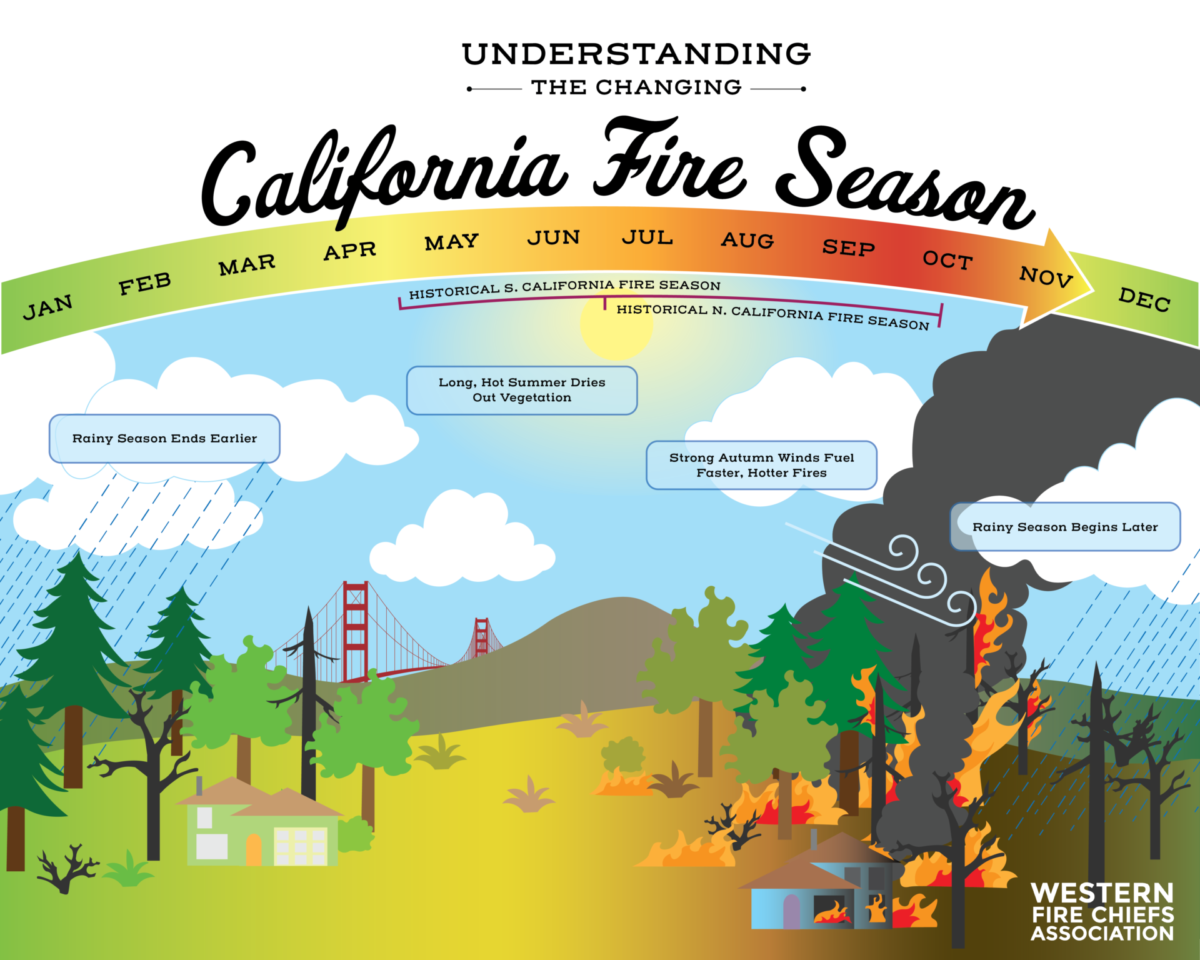
When wildfires tear through California’s iconic landscapes, the immediate destruction is evident, but the ecological repercussions on natural heritage sites are profound and long-lasting. These fires reshape the very fabric of the land, impacting biodiversity, altering ecosystems, and challenging the resilience of even the most ancient natural landmarks.
One of the most devastating impacts is on old-growth forests, particularly the groves of Giant Sequoias in Sequoia National Park and Yosemite National Park. While mature sequoias are fire-adapted, with thick bark providing insulation, increasingly intense fires fueled by decades of fire suppression and climate change are overcoming these natural defenses. The high heat can girdle trees, kill seedlings, and destroy the delicate soil ecosystems vital for their long-term survival. The loss of these monumental trees represents an irreplaceable blow to a natural heritage stretching back millennia.
Chaparral and coastal sage scrub, characteristic plant communities of southern California’s hillsides, including areas near Malibu, also experience significant shifts. While these ecosystems are accustomed to periodic fires for regeneration, altered fire regimes can lead to type conversion. Frequent fires, for instance, can eradicate native species, allowing invasive grasses to dominate. These non-native grasses dry out faster and burn more intensely, creating a destructive feedback loop that further degrades the native plant community, diminishing the unique natural character of these regions.
Water quality and aquatic ecosystems are also severely impacted. Post-fire landscapes, devoid of vegetation, are highly susceptible to erosion. Heavy rains following a wildfire can lead to massive mudslides and debris flows, especially in steep terrain like the Santa Monica Mountains or along the Big Sur coast. These events can clog rivers and streams, destroy fish habitats, and contaminate reservoirs, affecting the water sources that flow through and sustain these natural landmarks. The ash and sediment runoff into pristine bodies of water, such as Lake Tahoe, can reduce water clarity and promote harmful algal blooms, fundamentally altering the ecological balance of these globally recognized natural treasures.
Wildlife is another major casualty. Fires destroy habitats, food sources, and direct animal life. While some species can flee, others, particularly slow-moving or very young animals, perish. Even after the flames subside, the altered landscape can lead to long-term population declines, shifts in species distribution, and increased vulnerability to disease or predation. The intricate web of life that makes each California landmark unique is disrupted, sometimes irreversibly, by these catastrophic events.

A Legacy of Fire: Management, History, and Future Resilience of California’s Landmarks
The relationship between fire and California’s natural landmarks is not new; it is a legacy stretching back thousands of years. Understanding this history and the evolution of fire management is critical for fostering future resilience in these invaluable natural areas.
For millennia, Indigenous peoples across California practiced cultural burning, intentionally setting low-intensity fires to manage landscapes. These controlled burns cleared underbrush, promoted diverse plant growth, enhanced hunting grounds, and reduced the risk of large, destructive wildfires. This ancient land management technique helped maintain healthy, fire-adapted ecosystems, allowing natural landmarks to thrive with a balanced fire regime. The open, park-like appearance of many historical forest descriptions contrasts sharply with today’s overgrown conditions, testament to the effectiveness of these practices.
However, with European settlement, this indigenous knowledge was largely dismissed, and a policy of aggressive fire suppression was adopted. For nearly a century, the primary goal was to extinguish every fire as quickly as possible. While this protected communities in the short term, it inadvertently created a ticking time bomb in California’s wildlands. Fuel loads, which would have been periodically cleared by natural or cultural fires, accumulated to unprecedented levels. Forests became denser, chaparral stands grew taller and more continuous, and ladder fuels allowed ground fires to climb into the tree canopy, creating catastrophic crown fires. This historical approach has significantly contributed to the current challenge of managing fires that now threaten established natural landmarks, from the majestic redwoods of Humboldt County to the rolling hills of Napa Valley and Sonoma County.
Today, fire management is undergoing a paradigm shift. Agencies like the California Department of Forestry and Fire Protection (CAL FIRE), in collaboration with federal and local partners, are increasingly advocating for and implementing strategies that recognize fire as an ecological process rather than solely a destructive force. This includes:
- Prescribed Burns: Controlled application of fire under specific weather conditions to reduce fuel loads and restore ecological health to forests and wildlands. This mimics natural fire regimes and helps protect core natural landmarks.
- Forest Thinning and Fuel Breaks: Mechanical removal of excess vegetation to create defensible space around communities and natural reserves, and to slow the spread of wildfires.
- Community Education and Preparedness: Empowering residents in wildland-urban interface areas to create “defensible space” around their homes and to be ready for evacuations, safeguarding human lives and property, and indirectly protecting adjacent natural areas from human-caused ignitions.
- Rethinking Infrastructure: Investing in fire-resistant building materials and upgrading electrical grids to prevent ignitions from power lines, particularly in sensitive environmental zones.
- Climate Change Adaptation: Developing long-term strategies to adapt to a hotter, drier future, which includes fostering more fire-resilient ecosystems and planning for increased fire activity in all natural landmarks.
The future resilience of California’s irreplaceable natural landmarks hinges on a holistic and adaptive approach to fire management. By understanding the historical role of fire, acknowledging human impacts, and embracing proactive, ecologically sound strategies, California can hope to protect its stunning natural heritage for generations to come.
LifeOutOfTheBox is a participant in the Amazon Services LLC Associates Program, an affiliate advertising program designed to provide a means for sites to earn advertising fees by advertising and linking to Amazon.com. Amazon, the Amazon logo, AmazonSupply, and the AmazonSupply logo are trademarks of Amazon.com, Inc. or its affiliates. As an Amazon Associate we earn affiliate commissions from qualifying purchases.