
Understanding property tax in California is a critical component for anyone considering long-term accommodation in the state, whether as a homeowner, potential buyer, or even a landlord. Unlike many other states, California’s property tax system is profoundly influenced by Proposition 13, a landmark ballot initiative passed in 1978. This initiative fundamentally altered how properties are assessed and taxed, making it unique and often a point of confusion for those unfamiliar with its intricacies. For individuals looking to establish a long-term residence or invest in residential properties, comprehending these rules is paramount to accurately forecasting the ongoing costs of accommodation.

Understanding California’s Property Tax System: The Prop 13 Foundation
The cornerstone of California’s property tax calculation lies in Proposition 13. This initiative introduced a system where the taxable value of real property is based on its “acquisition value,” meaning the purchase price of the property. This differs significantly from many states that reassess properties to their current market value annually or biennially. For long-term accommodation providers and homeowners, this provides a degree of predictability and protection against rapidly escalating property values.
The Prop 13 Foundation: Acquisition Value
When you purchase a property in California, its base year value for property tax purposes is reset to the fair market value at the time of acquisition. This becomes your property’s “acquisition value.” This initial assessed value is the starting point for all future tax calculations, offering a clear and fixed benchmark for your long-term accommodation expenses. Understanding this initial value is crucial because it sets the trajectory for all subsequent tax bills.
Annual Increases: The 2% Cap
One of Proposition 13’s most impactful provisions is the limitation on annual increases to the assessed value. Once a property’s base year value is established, its taxable value can only increase by a maximum of 2% per year, or the rate of inflation, whichever is lower. This cap is often referred to as the “inflationary adjustment.” This protective measure shields long-term residents and property owners from drastic increases in their property tax bills, even if the market value of their accommodation skyrockets. This stability is a significant factor in California’s real estate market, making homeownership a more financially predictable long-term accommodation choice.
Reassessment Triggers for New Accommodation Owners
While the 2% cap provides stability for existing owners, the assessed value of a property is reassessed to its current market value upon a “change in ownership” or “new construction.” A change in ownership typically occurs when a property is sold, but it can also include transfers between certain family members, though there are specific exclusions for parent-child or grandparent-grandchild transfers under certain conditions. New construction that adds value to the property (e.g., adding a room, a second story, or a significant renovation) also triggers a reassessment of the newly added value. For anyone planning to purchase or significantly renovate accommodation in California, understanding these triggers is essential for anticipating future property tax obligations.
Deconstructing the Property Tax Formula
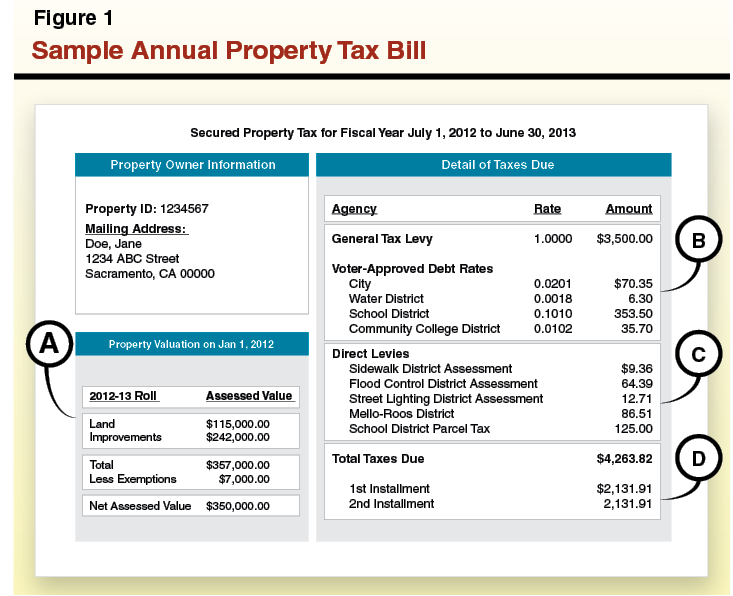
Calculating your property tax bill involves more than just the assessed value. It’s a multi-component equation that combines your property’s assessed value with a base tax rate and various local levies. For those seeking to budget for their long-term accommodation, a detailed breakdown of these elements is indispensable.
Assessed Value vs. Market Value
It’s vital to distinguish between a property’s “assessed value” and its “market value.” The market value is what a property would sell for on the open market today. The assessed value, on the other hand, is the value used by the county assessor to calculate property taxes, as determined by Proposition 13. For properties that haven’t changed hands recently, the assessed value can be significantly lower than the current market value due to the 2% cap. This disparity can represent substantial savings for long-term homeowners. However, for recent purchasers, the assessed value will be very close, if not identical, to the market value at the time of purchase.
Base Tax Rate (1% of Assessed Value)
Once the assessed value is determined, the primary component of the property tax is calculated using a statewide base tax rate of 1% of this value. This 1% rate is mandated by Proposition 13 and applies uniformly across all counties in California. So, if your accommodation’s assessed value is $500,000, the base property tax would be $5,000 per year. This simplicity in the base rate is a hallmark of California’s system, yet it is only one part of the total bill.
Local Bonds, Levies, and Special Assessments
Beyond the 1% base rate, property owners in California are subject to additional taxes known as “voter-approved debt” or “special assessments.” These are usually local bonds passed by voters to fund specific projects or services within a particular district, such as schools, parks, libraries, police, or fire services. These levies are added on top of the 1% base rate and can vary significantly depending on the specific location of the property. For example, a property in San Francisco might have different special assessments than a property in Orange County or Sacramento. These additional charges are crucial for accurately forecasting the total cost of long-term accommodation, as they can sometimes add another 0.2% to 0.5% (or more) to the effective tax rate.
Calculating Your Annual Property Tax Bill
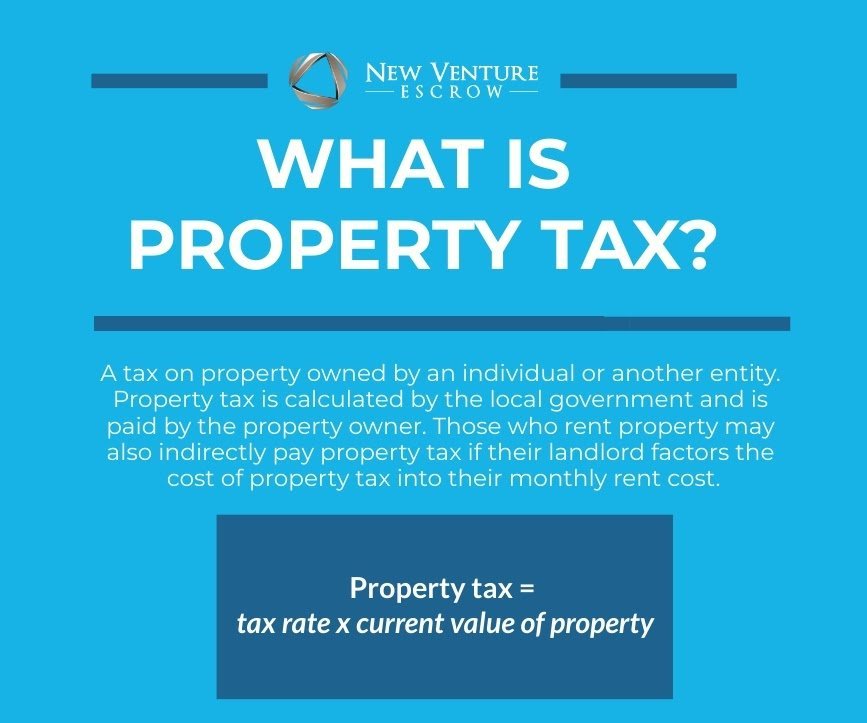
Putting all these components together allows for a clear estimation of your annual property tax. While county assessors handle the official calculations, understanding the steps enables property owners to verify their bills and plan their finances for long-term accommodation.
Step-by-Step Calculation Example
Let’s consider a hypothetical property purchased in Los Angeles County for $800,000.
- Determine the Base Assessed Value: Upon purchase, the base assessed value is $800,000.
- Apply the 1% Base Tax Rate: $800,000 * 1% = $8,000.
- Identify Local Levies/Special Assessments: This is the variable part. Let’s assume the local levies in this specific Los Angeles County district total an additional 0.35% of the assessed value.
- $800,000 * 0.35% = $2,800.
- Calculate Total Annual Property Tax: Add the base tax and the special assessments.
- $8,000 (base tax) + $2,800 (special assessments) = $10,800.
So, the estimated annual property tax for this accommodation would be $10,800.
In the second year, assuming no change in ownership or new construction, the assessed value would increase by the lesser of 2% or inflation. If inflation is, for instance, 1.5%, the new assessed value would be $800,000 * 1.015 = $812,000. The new tax bill would be calculated based on this updated assessed value.
Where to Find Your Assessed Value and Tax Rate Information
The official source for your property’s assessed value and a breakdown of your tax rate is your County Assessor’s Office and the County Tax Collector’s Office. Each county in California maintains a website where you can typically search for property information by address or Assessor’s Parcel Number (APN). These sites will detail your property’s current assessed value, any exemptions applied, and a full breakdown of the various levies and bonds that contribute to your total property tax bill. This transparency is crucial for anyone managing the long-term costs of their accommodation.
Key Considerations for Accommodation Owners in California
Beyond the basic calculation, several other factors can influence your property tax bill, making informed ownership a more manageable experience. For those providing or residing in long-term accommodation, these considerations are vital for financial planning.
Supplemental Assessments for New Purchases
When a property changes ownership, the county assessor establishes a new base year value. However, this process takes time. During the interim period between the purchase date and when the new assessed value is officially recorded, you may receive one or two “supplemental assessment” bills. These bills account for the difference in tax between the previous owner’s assessed value and your new, higher assessed value for the portion of the tax year you owned the property. It’s a common surprise for new accommodation owners, so budgeting for these additional, pro-rated taxes is wise.
Homeowners’ Exemption and Other Reductions
California offers a Homeowners’ Exemption that can reduce the assessed value of a primary residence by $7,000, leading to a tax savings of approximately $70 per year (0.01 x $7,000). While this might seem modest, it’s a permanent reduction for eligible primary residences. To qualify, you must own and occupy the property as your principal place of residence. Other exemptions may be available for veterans, disabled veterans, and properties owned by non-profit organizations. Exploring these exemptions can marginally reduce the overall cost of your long-term accommodation.
Understanding Tax Bills and Payment Schedules
Property tax bills in California are typically issued annually around October and are payable in two installments. The first installment is due by November 1st and becomes delinquent if not paid by December 10th. The second installment is due by February 1st and becomes delinquent if not paid by April 10th. Missing these deadlines can result in penalties, so setting reminders for these crucial dates is essential for responsible accommodation management. Many property owners opt to have their property taxes included in their mortgage payments as part of an escrow account, simplifying the payment process.
The Impact of Property Tax on Rental Accommodation
For those who own rental properties in California, property taxes represent a significant operational cost. Landlords must factor these taxes into their rental pricing strategies to ensure profitability. While tenants do not directly pay property taxes, these costs are indirectly passed on through rent. The stability offered by Proposition 13’s 2% cap provides a relatively predictable expense for landlords, allowing for more stable long-term financial planning for their accommodation investments. However, the initial reassessment upon purchase can lead to a substantial increase in taxes compared to the previous owner, requiring careful financial modeling before acquiring rental accommodation.
In conclusion, calculating property tax in California revolves around understanding the acquisition value, the 2% annual cap, and the specific local levies that apply to your property. By leveraging county resources and familiarizing yourself with key exemptions and payment schedules, you can effectively manage this crucial aspect of long-term accommodation ownership in the Golden State.
LifeOutOfTheBox is a participant in the Amazon Services LLC Associates Program, an affiliate advertising program designed to provide a means for sites to earn advertising fees by advertising and linking to Amazon.com. Amazon, the Amazon logo, AmazonSupply, and the AmazonSupply logo are trademarks of Amazon.com, Inc. or its affiliates. As an Amazon Associate we earn affiliate commissions from qualifying purchases.