
Getting married in California offers an unparalleled blend of stunning backdrops, diverse cultural experiences, and a streamlined legal process, making it a dream destination for many couples. From the sun-drenched beaches of Southern California to the majestic forests of Northern California, the Golden State provides an idyllic setting for starting a new chapter. Navigating the requirements and planning your special day can be an exciting journey, and this guide will illuminate the path to saying “I do” in one of the world’s most desired wedding locales.
Navigating California’s Marriage License Process
The first and most critical step in planning your California wedding is understanding and fulfilling the state’s marriage license requirements. California has a relatively straightforward process, designed to be accessible to both residents and out-of-state visitors. However, adhering to the specific guidelines is essential to ensure your marriage is legally recognized.

Eligibility and Documentation
Both parties intending to marry must be at least 18 years old. There is no residency requirement, meaning you do not need to be a resident of California to obtain a marriage license here, making it perfect for destination weddings. You and your partner must appear together in person before a County Clerk to apply for the license.
Essential documents typically include:
- Valid Government-Issued Photo Identification: This could be a driver’s license, passport, or state-issued ID. Ensure your ID is current and matches your legal name.
- Proof of Age: While usually covered by photo ID, some clerks may require a birth certificate if there’s any ambiguity.
- Social Security Number: You will need to provide your Social Security number, though the physical card is not usually required. For non-U.S. citizens who do not have a Social Security number, an affidavit stating this fact may be provided instead.
- Divorce Decree (if applicable): If either applicant has been previously married, the date of divorce or death of the previous spouse is required. Some counties may ask for a copy of the final divorce decree if the divorce was finalized less than a year prior to the application.
Obtaining Your Marriage License
Marriage licenses are issued by the County Clerk’s office in any of California’s 58 counties. You can obtain your license from any county, regardless of where your ceremony will take place within the state. For instance, if you plan to marry in San Francisco but find it more convenient to apply in Los Angeles, that is permissible.
Most counties offer the option to start the application online, which can save time during your in-person visit. However, the finalization and payment always require both parties to be present. The fee for a marriage license varies by county but typically ranges from $70 to $100. Once issued, a California marriage license is valid for 90 days, meaning your ceremony must be performed within that window. If it expires, you will need to reapply and pay the fee again. There is no waiting period between obtaining the license and getting married; you can have your ceremony the very same day.
Public vs. Confidential Marriage Licenses
California offers two types of marriage licenses: public and confidential.
- Public Marriage License: This is the most common type. The marriage record becomes a public document, accessible to anyone who requests it. It requires at least one witness (two are allowed) to sign the license during the ceremony.
- Confidential Marriage License: This option is available only to couples who have been living together as spouses. The marriage record is not publicly accessible and can only be obtained by the parties to the marriage or by court order. A confidential license does not require witnesses. If you meet the cohabitation requirement, this can be a more private option.
Selecting Your California Wedding Destination
California’s immense geographical diversity means you can tailor your wedding destination to perfectly match your vision, whether it’s a grand affair in a metropolitan hub or an intimate ceremony amidst nature’s splendor. The state truly offers an experience for every couple.
Coastal Elegance and Beachfront Bliss
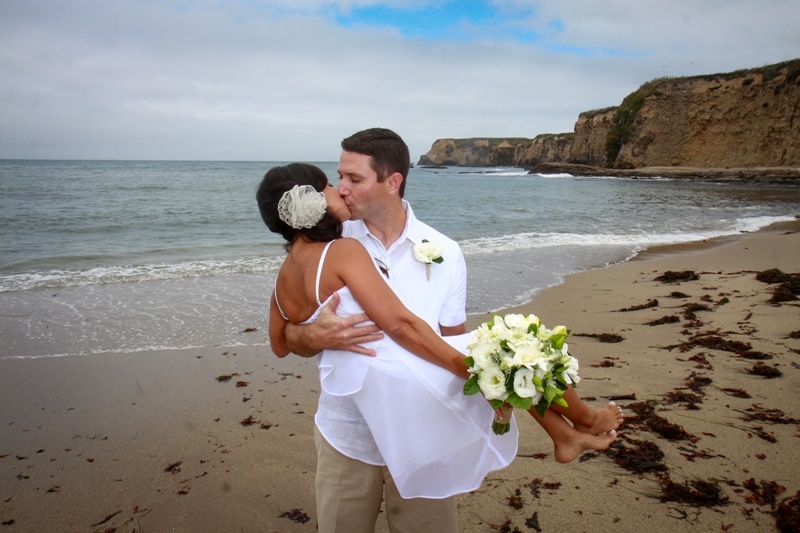
For those dreaming of ocean breezes and stunning sunsets, California’s extensive coastline is a treasure trove of wedding venues.
- Southern California: Destinations like San Diego, Santa Barbara, and Malibu offer luxurious resorts with ocean views, charming seaside chapels, and permits for beach ceremonies. Imagine exchanging vows with the Pacific Ocean as your backdrop, followed by a reception in an elegant beachfront ballroom. Orange County provides a mix of upscale coastal towns and vibrant city life near attractions like Disneyland, appealing to couples who want to combine their wedding with a lively group experience.
- Central and Northern California Coast: The dramatic cliffs of Big Sur provide an awe-inspiring, intimate setting for adventurous couples. Further north, the rugged beauty of the Sonoma Coast or the iconic views around San Francisco (perhaps even a ceremony overlooking the Golden Gate Bridge) offer a distinctly Californian romance.
Vineyards and Wine Country Romance
The world-renowned wine regions of California provide an effortlessly romantic and sophisticated setting. Napa Valley and Sonoma are premier choices, offering sprawling vineyards, historic wineries, and gourmet dining experiences. Many wineries feature stunning event spaces, from elegant tasting rooms to grand outdoor pavilions, perfect for a wedding celebration that blends rustic charm with refined luxury. Couples can host their ceremony amidst grapevines, followed by a reception featuring exquisite local wines and farm-to-table cuisine.
Mountain Serenity and Desert Chic
For those seeking a backdrop of majestic peaks or arid beauty, California delivers.
- Mountain Retreats: The Sierra Nevada mountains, home to Lake Tahoe and Yosemite National Park, offer breathtaking natural beauty. Lakeside ceremonies, rustic lodges, and alpine meadows create a serene and picturesque atmosphere. While marrying within national parks often requires specific permits and adherence to strict regulations, nearby towns offer fantastic venues with easy access to these natural wonders. Similarly, the ancient grandeur of Redwood National Park offers a uniquely majestic, cathedral-like setting for forest lovers.
- Desert Oasis: Palm Springs offers a unique blend of mid-century modern glamour, stunning desert landscapes, and year-round sunshine. Its chic resorts, stylish private estates, and vibrant downtown make it an excellent choice for a fashionable desert wedding. Even the surreal landscapes of Death Valley can provide an unforgettable, adventurous backdrop for elopements or intimate ceremonies, though careful planning for extreme weather is essential.
Urban Grandeur and City Vibes
California’s major cities provide sophisticated and diverse options for couples who prefer an urban wedding experience.
- Los Angeles: From opulent hotels in Beverly Hills to trendy rooftop venues in downtown LA or the iconic allure of Hollywood, Los Angeles offers endless possibilities for a glamorous wedding. Couples can enjoy world-class dining, entertainment, and easy access to attractions like Universal Studios Hollywood.
- San Francisco: Famous for its iconic landmarks, charming neighborhoods, and culinary scene, San Francisco boasts elegant ballrooms, historic buildings, and unique venues with panoramic bay views. A wedding here combines timeless elegance with an unmistakably vibrant city atmosphere.
Types of Ceremonies and Officiants in the Golden State
Once you have your license and location, the next step is planning your ceremony. California offers flexibility in how and by whom your marriage can be solemnized, allowing couples to choose a ceremony that truly reflects their personal beliefs and preferences.
Authorized Officiants
To be legally recognized, your marriage ceremony must be performed by an authorized officiant. In California, this includes:
- Religious Officials: A priest, minister, rabbi, or any other religious dignitary of any religious denomination, who is authorized by the rules and customs of their religion to perform marriages.
- Judicial Officers: A judge, commissioner, or retired judge or commissioner of a federal, state, or municipal court. This often includes retired judges, allowing for more availability.
- County Clerks/Commissioners: Many County Clerk’s offices offer civil ceremonies performed by a Deputy Commissioner of Marriage, often at the courthouse itself or at designated public locations. This is a popular option for quick, no-frills ceremonies.
- Elected Officials: The Governor, any mayor, or a county supervisor.
- Members of the Legislature: Any current member of the California State Legislature.
One-Day Deputization Program
California also offers a unique “Deputy Commissioner of Marriage for a Day” program. This allows a friend or family member to legally officiate your wedding ceremony after receiving a one-day deputization from the County Clerk’s office. This adds a deeply personal touch to the ceremony, as a loved one can guide you through your vows. The process typically involves an application and a fee paid to the County Clerk. They will provide basic instructions on the legal requirements for officiating.
Self-Solemnization for Quaker Marriages
For couples whose religion permits it, California law allows for self-solemnization for members of a religious society or denomination that has no regularly ordained minister, such as Quakers (Religious Society of Friends). In these cases, the marriage can be solemnized by the parties themselves, in accordance with the customs of their society. While less common, it’s an option for those who adhere to these specific traditions.
Essential Steps for a Seamless California Wedding Experience
Beyond the legalities, planning a destination wedding in California involves several practical considerations to ensure your day unfolds beautifully. From timelines to post-ceremony procedures, a thoughtful approach will make your experience truly unforgettable.
Wedding Day Logistics and Planning
- Venue Booking: Once you’ve chosen your destination, secure your venue well in advance, especially for popular seasons (spring and fall) or high-demand locations like Napa Valley or coastal resorts. Many venues offer all-inclusive packages that simplify planning, particularly for out-of-state couples.
- Vendor Selection: California boasts a vibrant wedding industry. Research and book your officiant, photographer, caterer, florist, and other vendors. Many California wedding planners specialize in destination weddings and can be invaluable in coordinating vendors from afar.
- Permits for Public Spaces: If you dream of a ceremony on a public beach, in a park, or at a landmark, inquire about specific permits. Regulations vary significantly by city, county, and state park system. For example, getting married directly on a California State Park beach will require a special use permit from the park ranger. National parks like Yosemite National Park have extremely stringent rules for weddings, often limited to specific, very small groups in designated areas, so verify far in advance.
- Witnesses: If you obtain a public marriage license, you will need at least one, and up to two, witnesses to sign your marriage license. Ensure your chosen witnesses are present and aware of this responsibility during the ceremony.
Post-Ceremony Formalities
- Returning the License: After the ceremony, your officiant is legally responsible for returning the signed marriage license to the County Clerk’s office within 10 days of the wedding. This step is crucial for your marriage to be officially recorded.
- Obtaining Certified Copies: Once the license is recorded, you will want to obtain certified copies of your marriage certificate. These are necessary for changing your name (if desired), updating passports, driver’s licenses, and other legal documents. You can typically order certified copies from the County Clerk’s office where you obtained your license, either in person or by mail, for a fee.
- Name Change Process: If you or your spouse plans to change your name, the certified marriage certificate is the primary document required. You will then need to update your Social Security card, driver’s license/state ID, passport, and other personal records. The process generally involves presenting the certified marriage certificate to the relevant government agencies.
Getting married in California is an exciting endeavor that blends legal formalities with the joy of planning a momentous celebration in a spectacular setting. By understanding the requirements, choosing your ideal location, and carefully managing the logistics, you can ensure your California wedding is everything you’ve dreamed of and more.
LifeOutOfTheBox is a participant in the Amazon Services LLC Associates Program, an affiliate advertising program designed to provide a means for sites to earn advertising fees by advertising and linking to Amazon.com. Amazon, the Amazon logo, AmazonSupply, and the AmazonSupply logo are trademarks of Amazon.com, Inc. or its affiliates. As an Amazon Associate we earn affiliate commissions from qualifying purchases.