
The vast, icy expanse of Alaska conjures images of dramatic landscapes and unique climatic phenomena. Among the most intriguing of these is the perception of prolonged periods of darkness. The question of whether Alaska experiences six months of continuous darkness is a common one, often fueled by romanticized notions of the Arctic and its extreme latitudes. While the reality is nuanced, it certainly doesn’t align with a literal interpretation of half a year plunged into perpetual night. The truth lies in understanding the Earth’s axial tilt and its dramatic effect on polar regions, leading to phenomena like the polar night and the midnight sun.
Understanding Polar Day and Night
The apparent movement of the sun across the sky is a fundamental aspect of our daily lives. However, as one travels towards the Earth’s poles, the familiar rhythm of sunrise and sunset begins to warp. This distortion is directly related to the Earth’s axial tilt of approximately 23.5 degrees relative to its orbital plane around the Sun.
The Arctic Circle’s Unique Experience
Alaska is largely situated within the Arctic Circle, a geographical line of latitude that encircles the Earth at approximately 66.5 degrees North. North of this line, the sun’s behavior during certain times of the year becomes quite extraordinary.
The Polar Night
The phenomenon that most closely resembles the idea of prolonged darkness is known as the “polar night.” The polar night occurs when the sun remains below the horizon for more than 24 hours. In locations within the Arctic Circle, the duration of the polar night increases as you move further north. For cities like Utqiagvik (formerly Barrow), the northernmost permanent settlement in the United States, the polar night can last for approximately two months, typically from late November to late January. During this period, the sun does not rise above the horizon. However, this does not mean complete darkness.
Beyond Complete Darkness: Twilights and Civil Dawn
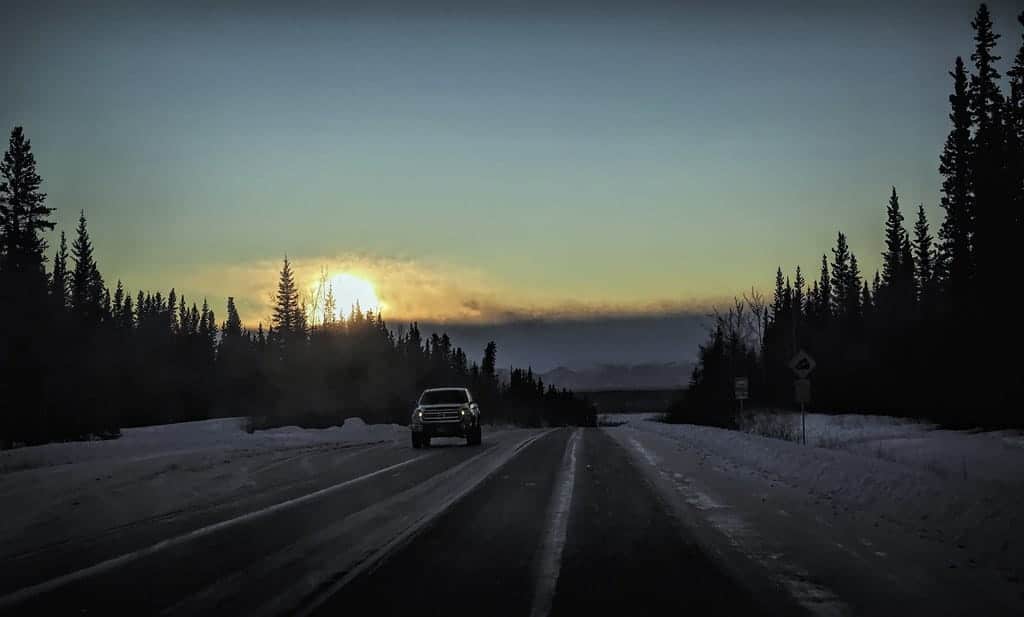
Even during the polar night, there is still a degree of ambient light. The sky often takes on a surreal beauty with shades of blue, pink, and orange as the sun hovers just below the horizon. This period is characterized by different types of twilight:
- Astronomical Twilight: The sky is almost completely dark, but the brightest stars are visible.
- Nautical Twilight: The horizon is dimly visible, and objects on the sea can be distinguished.
- Civil Twilight: The sun is between 6 and 12 degrees below the horizon. There is enough diffused light to see outdoor objects clearly.
In many inhabited areas within the Arctic Circle, there are several hours of civil twilight each day during the polar night. This means it’s not an absolute, impenetrable blackness, but rather a prolonged period of dim daylight or dusky conditions. For those visiting or living in places like Fairbanks, which is south of the Arctic Circle, the winter days are short but the sun does rise, offering a few hours of daylight. The further north one travels in Alaska, the more pronounced the polar night becomes.
The Midnight Sun
Conversely, during the summer months, regions north of the Arctic Circle experience the opposite phenomenon: the midnight sun. For a period of time, the sun remains above the horizon for 24 hours a day. In Utqiagvik, the midnight sun lasts for about three months, from May to July. This means that during summer, Alaska experiences continuous daylight.
Navigating Alaska’s Extreme Daylight Cycles
The dramatic shifts in daylight have a profound impact on life in Alaska, influencing everything from daily routines to tourism. Understanding these cycles is crucial for anyone planning a visit or simply curious about this unique part of the world.
Winter Travel in Alaska
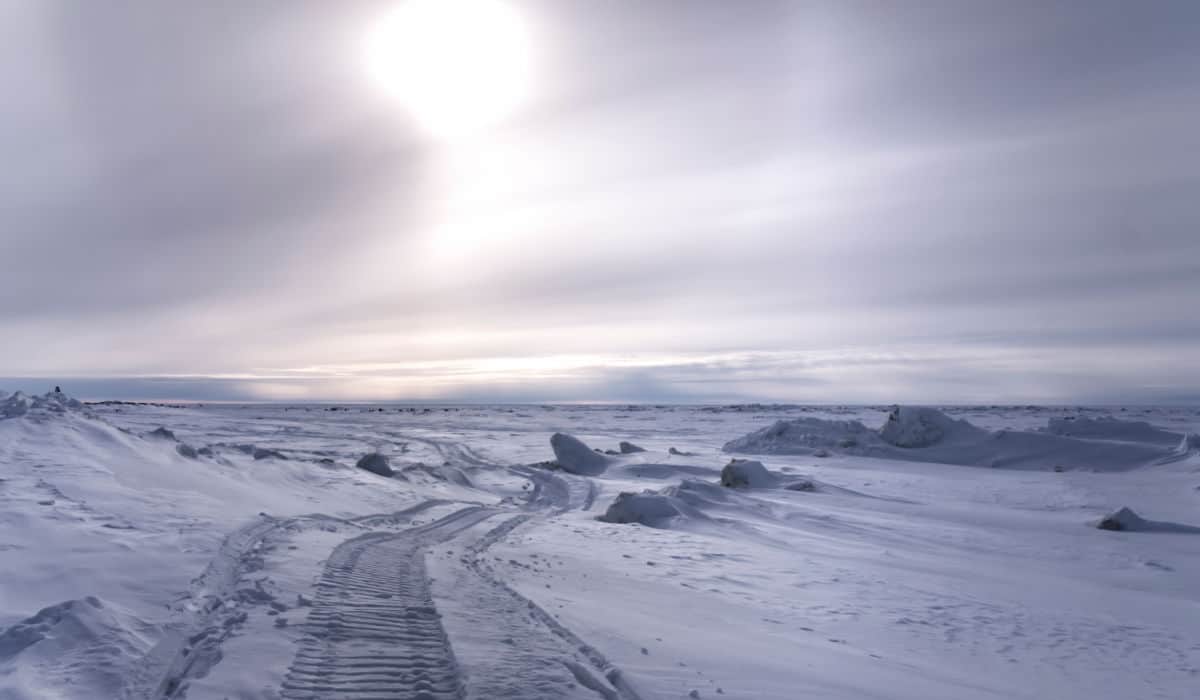
Visiting Alaska in winter offers a distinct set of experiences. While the darkness is a significant factor, it also contributes to the magic of the season. The landscapes are transformed by snow and ice, creating breathtaking vistas.
Activities and Attractions
The shorter daylight hours in winter lend themselves to specific activities:
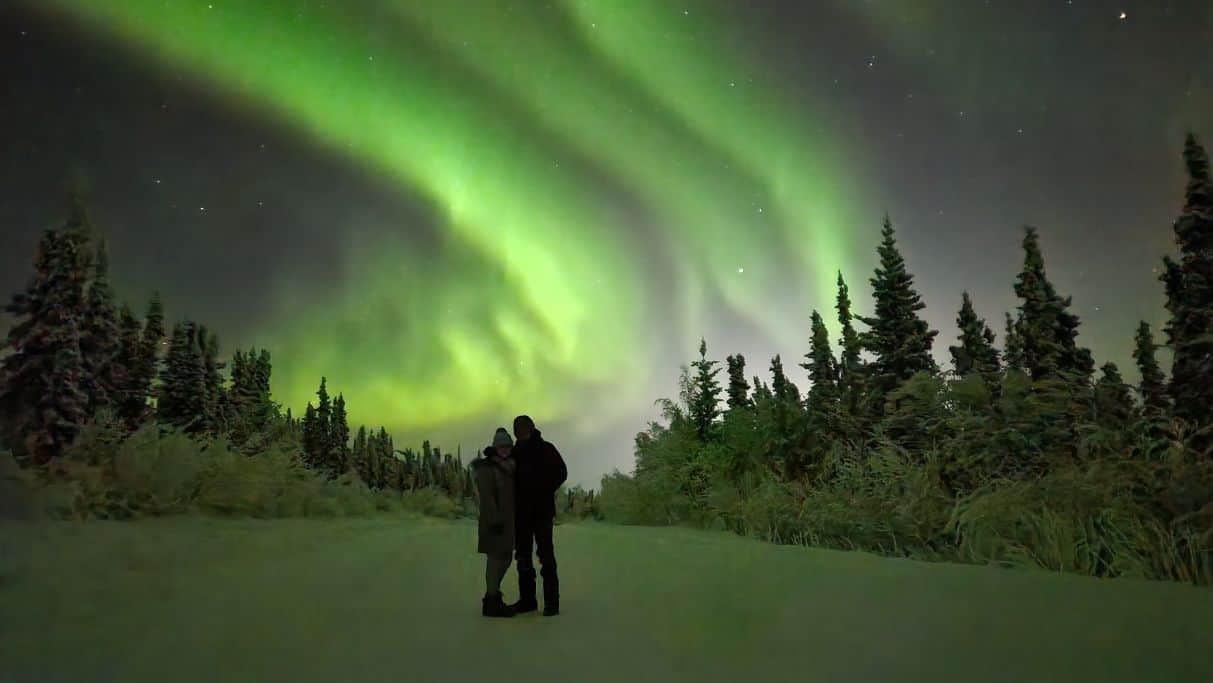
- Northern Lights Viewing: The long, dark nights are ideal for witnessing the aurora borealis. Destinations like Fairbanks are renowned for their aurora viewing opportunities. The lack of light pollution in remote areas further enhances the spectacle.
- Winter Sports: Embrace the snow with activities such as dog sledding, cross-country skiing, ice fishing, and snowmobiling. Many lodges and tour operators in areas like Anchorage and Denali National Park and Preserve offer guided winter excursions.
- Cozy Escapes: The dim daylight hours encourage a slower pace. Enjoy the warmth of a cozy lodge, savor local cuisine, and experience the unique culture of Alaskan communities during their quieter season.
When planning a winter trip, it’s important to be prepared for the cold temperatures and to adjust your itinerary to make the most of the available daylight. Many businesses operate with reduced hours, and road conditions can be challenging.
Summer Travel in Alaska
The summer months in Alaska are characterized by nearly perpetual daylight, offering the opposite end of the spectrum. The long days are perfect for exploring the state’s vast wilderness.
Maximizing the Daylight
With the midnight sun, the possibilities for exploration are almost endless:
- Wildlife Viewing: Summer is the prime season for spotting Alaska’s abundant wildlife, including bears, whales, moose, and eagles. Boat tours from places like Juneau and Seward offer excellent opportunities to see marine life.
- Hiking and Camping: The extended daylight hours allow for longer hiking and camping trips in national parks and wilderness areas. Denali National Park and Preserve and Kenai Fjords National Park are popular choices.
- Cruises and Ferries: Exploring Alaska by sea is a popular way to experience its dramatic coastline. The long daylight hours make scenic cruises through the Inside Passage particularly enjoyable.
The constant daylight can also be an adjustment for some, with visitors often needing blackout curtains to ensure a good night’s sleep.
Seasonal Rhythms and Alaskan Life
The extreme variations in daylight are not merely a tourist attraction; they are deeply woven into the fabric of life for Alaskans. The seasonal rhythms dictate agricultural cycles, hunting seasons, and even the social calendar.
Adapting to the Extremes
- Year-Round Communities: Even in the darkest months, communities in northern Alaska are vibrant. People adapt by creating indoor social spaces, celebrating holidays, and maintaining daily routines. The resilience and resourcefulness of Alaskans are evident in their ability to thrive in these challenging conditions.
- Tourism Industry: The tourism industry in Alaska is highly seasonal, with the summer months seeing the peak of visitor numbers due to the long days and accessibility. However, winter tourism, particularly for aurora viewing and winter sports, has grown significantly in recent years.
In conclusion, while Alaska does not experience six months of complete darkness, the regions north of the Arctic Circle do endure a period of polar night where the sun remains below the horizon for an extended time. This period is not characterized by absolute blackness but by various forms of twilight, offering a unique and often beautiful visual experience. The dramatic interplay of light and darkness throughout the year is one of the most defining and captivating aspects of this incredible state.
LifeOutOfTheBox is a participant in the Amazon Services LLC Associates Program, an affiliate advertising program designed to provide a means for sites to earn advertising fees by advertising and linking to Amazon.com. Amazon, the Amazon logo, AmazonSupply, and the AmazonSupply logo are trademarks of Amazon.com, Inc. or its affiliates. As an Amazon Associate we earn affiliate commissions from qualifying purchases.