
Embarking on a career as a Private Investigator (PI) in California offers a dynamic and challenging lifestyle, demanding a unique blend of critical thinking, investigative prowess, and legal acumen. Unlike many other professions, the path to becoming a licensed PI in the Golden State is meticulously regulated, ensuring that only qualified individuals with the necessary experience and ethical standing can practice. This comprehensive guide outlines the rigorous steps, essential requirements, and crucial considerations for aspiring private investigators looking to establish their professional life in California.
Understanding the California Landscape for Private Investigators
Before diving into the specifics of licensing, it’s vital to grasp the regulatory environment and the scope of work for a PI in California. The state maintains stringent standards to protect its citizens and uphold the integrity of the investigative profession.
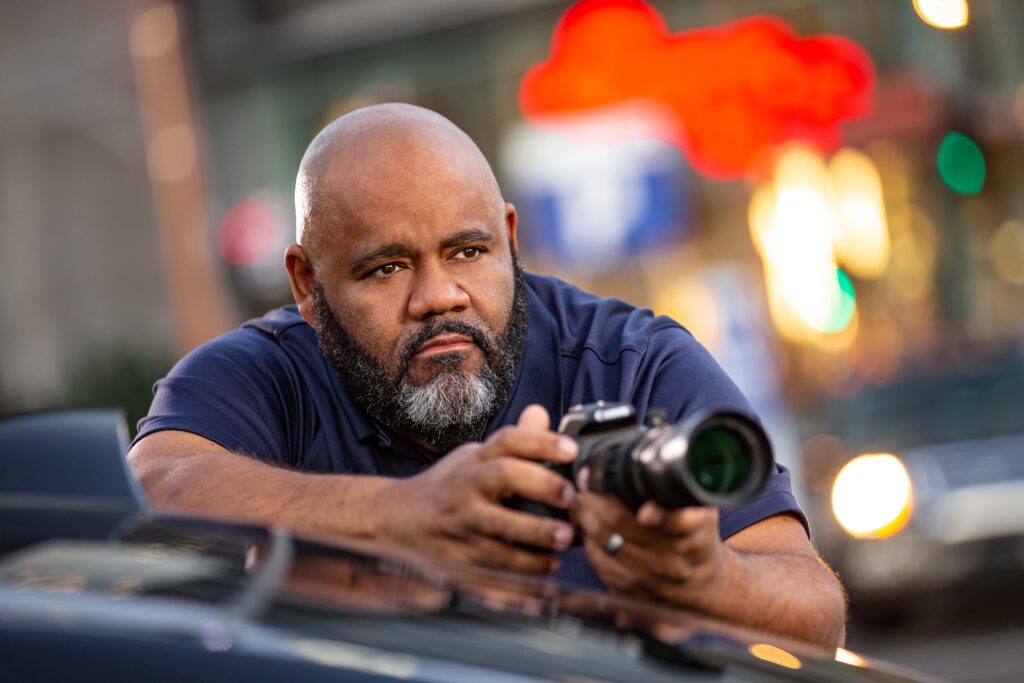
What Does a California PI Do?
A Private Investigator in California is an individual who, for consideration, engages in the business of obtaining or furnishing information regarding:
- Crimes or wrongs done or threatened against the United States or any state or territory.
- The identity, habits, conduct, movements, whereabouts, affiliations, transactions, reputation, or character of any person.
- The credibility of witnesses or other persons.
- The whereabouts of missing persons.
- The location or recovery of lost or stolen property.
- The causes and origins of fires, accidents, damages, or injuries to real or personal property.
- The truth or falsity of any statement or representation.
- The business of securing evidence to be used before any court, board, officer, or investigating committee.
This broad scope means PIs can specialize in areas such as corporate investigations, legal support, insurance fraud, missing persons cases, background checks, and even surveillance, each demanding specific skill sets and ethical adherence. The lifestyle of a PI is rarely a 9-to-5, often involving irregular hours, travel, and the need for adaptability and discretion.
The Regulatory Body: BSIS
The primary authority overseeing private investigators in California is the Bureau of Security and Investigative Services (BSIS), a division of the Department of Consumer Affairs. The BSIS is responsible for licensing, regulating, and disciplining private investigators, ensuring they meet the state’s stringent requirements. All applicants must navigate the BSIS’s rigorous process, which is designed to ensure public safety and professional competence. Understanding the BSIS’s guidelines and requirements is the first and most critical step for anyone aspiring to become a licensed PI in California.
Eligibility and Experience Requirements
The journey to becoming a licensed Private Investigator in California begins with meeting specific eligibility and experience criteria established by the BSIS. These prerequisites are designed to ensure that applicants possess the maturity, integrity, and foundational knowledge necessary for the profession.
Age and Citizenship
To apply for a PI license in California, you must meet the following basic qualifications:
- Be at least 18 years of age.
- Be a citizen of the United States or a permanent resident alien.
- Pass a criminal history background check through the Department of Justice (DOJ) and the Federal Bureau of Investigation (FBI). This check involves fingerprinting and scrutinizes any past convictions, which can be a disqualifier depending on their nature and recency.
Crucial Experience: The California Standard
One of the most significant hurdles for aspiring PIs is the experience requirement. California mandates a substantial amount of verified investigative experience before an individual can be licensed. Applicants must have:
- Three years (or 6,000 hours) of paid investigative experience. This experience must be acquired while working for a licensed Private Investigator, a licensed attorney, a licensed law firm, a public defender, an insurance adjuster, or within a law enforcement agency.
- The experience must be verifiable, meaning you will need to provide detailed documentation, including employers’ names, dates of employment, and descriptions of investigative duties performed. This ensures that the experience gained is relevant and directly applicable to the responsibilities of a PI.
The rigor of this requirement underscores the BSIS’s commitment to ensuring PIs are not just theoretically aware but practically skilled in investigative techniques, evidence collection, and ethical conduct.
Education vs. Experience
While a college degree can enhance an applicant’s profile, it does not fully substitute the mandated investigative experience. However, certain educational achievements can reduce the required experience hours:
- An associate’s degree in police science, criminal justice, or a related field can substitute for 2,000 hours of the required experience.
- A bachelor’s degree in police science, criminal justice, or a related field can substitute for 2,500 hours of the required experience.
- A master’s or higher degree can substitute for 3,000 hours of the required experience.
It’s important to note that even with the maximum educational substitution, a significant amount of hands-on, paid investigative experience is still mandatory. This blend of practical application and academic foundation is considered ideal for a successful and ethical career as a Private Investigator in California.
The Application and Examination Process
Once you have accumulated the necessary experience, the formal application process begins. This phase involves meticulous documentation, background checks, and a comprehensive examination designed to test your knowledge of investigative practices and relevant laws.
The Application Packet
The application for a Private Investigator license is submitted to the BSIS. It typically includes:
- A completed application form (Form 002).
- Proof of experience, detailed on the “Experience Verification Form” (Form 003). This form must be completed by your previous employers, verifying your investigative duties and hours.
- Fingerprint Live Scan forms (Form 8016), which are essential for the criminal history background check.
- Passport-sized photographs.
- Payment for all applicable fees, including application fees, fingerprint processing fees, and examination fees.

Accuracy and completeness are paramount in this stage, as any discrepancies can cause significant delays or even rejection of your application.
Background Checks and Fingerprinting
Upon submission of your application and Live Scan forms, your fingerprints are electronically transmitted to the California Department of Justice and the Federal Bureau of Investigation (FBI) for a thorough criminal history check. This process is non-negotiable and designed to ensure that all licensed PIs are individuals of good moral character, free from disqualifying criminal convictions. The results of this background check can take several weeks to process, and a clear record is crucial for proceeding.
Preparing for the BSIS Exam
After your application is approved and your background check cleared, you will be notified and scheduled to take the Private Investigator licensing examination. This exam is a critical step, testing your knowledge across a broad range of topics relevant to the profession, including:
- Powers to Arrest (essential for specific scenarios, though PIs generally do not have arrest powers beyond those of a private citizen).
- Laws and regulations pertaining to private investigators.
- Investigative techniques and procedures.
- Interviewing and interrogation.
- Surveillance.
- Report writing.
- Evidence handling and preservation.
- Ethical conduct and professional responsibilities.
The exam is usually multiple-choice and timed. The BSIS provides a study guide and a list of references to aid in preparation. It is highly recommended that applicants rigorously study the relevant sections of the California Business and Professions Code, especially the Private Investigator Act, and familiarize themselves with best practices in investigative work. Passing the exam is a mandatory requirement for licensure.
Licensing, Bonding, and Insurance
Successfully navigating the application and examination stages brings you to the final steps before you can legally operate as a Private Investigator in California: securing your license, obtaining a surety bond, and considering professional liability insurance. These steps are crucial for legal compliance and protecting your professional interests.
Securing Your License
Once you have passed the examination and all other requirements are met, including a clear background check and verified experience, the BSIS will issue your Private Investigator license. This license must be prominently displayed at your principal place of business and renewed biennially. Staying current with renewal requirements, including any continuing education mandates, is vital for maintaining your professional standing. The lifestyle of a licensed PI involves not just investigative work but also diligent administrative compliance.
The Importance of Bonding
Before your license is issued, you must also obtain a surety bond in the amount specified by the BSIS. As of recent regulations, this bond is typically for $10,000. A surety bond is a guarantee that if you, as a Private Investigator, fail to fulfill your professional obligations or violate laws, the bond will provide financial protection to the public for any damages caused. This bond is not insurance for you, but rather for your clients and the public against your potential misconduct. It is a mandatory requirement that safeguards consumers and reflects the serious responsibilities of the profession.
Professional Liability Insurance
While not always legally mandated by the BSIS, obtaining professional liability insurance (also known as errors and omissions insurance) is highly recommended for any Private Investigator in California. This insurance protects you against claims of negligence, errors, or omissions in your professional services. Given the nature of investigative work, which often involves sensitive information, high stakes, and potential legal challenges, having comprehensive liability coverage can mitigate significant financial risks and provide peace of mind in your daily operations. This is a crucial consideration for establishing a secure and sustainable professional lifestyle.
Building Your Private Investigator Career in California
Obtaining your license is the foundation, but a successful career as a Private Investigator in California requires continuous effort, professional development, and a commitment to ethical practice.
Continuing Education and Professional Development
The field of private investigation is constantly evolving, with new technologies, legal precedents, and investigative methodologies emerging regularly. To maintain a competitive edge and ensure proficiency, PIs should commit to ongoing professional development. This can include:
- Attending seminars and workshops on specialized investigative techniques (e.g., digital forensics, surveillance countermeasures).
- Participating in professional associations like the California Association of Licensed Investigators (CALI).
- Staying informed about changes in California laws and BSIS regulations.
- Pursuing advanced certifications in specific areas of investigation.
This commitment to learning is integral to a long and successful career lifestyle.
Networking and Specialization
Building a robust professional network is indispensable. Connecting with other PIs, attorneys, law enforcement professionals, and legal support services can lead to referrals, collaborations, and mentorship opportunities. Many PIs find success by specializing in a particular niche, such as complex civil litigation, intellectual property theft, missing persons, or high-tech crime. Specialization allows you to hone specific skills, market yourself more effectively, and become a recognized expert in your chosen area, which can significantly enhance your professional opportunities and income.

Ethical Considerations and Legal Compliance
At the core of a reputable Private Investigator’s lifestyle is an unwavering commitment to ethics and legal compliance. PIs operate under strict regulations regarding privacy, evidence collection, and interaction with the public. Any violation of these codes can lead to severe consequences, including license suspension or revocation, hefty fines, and criminal charges. Maintaining a reputation for integrity, discretion, and strict adherence to the law is paramount, not only for personal success but for upholding the credibility of the entire profession in California. Always prioritize legal and ethical conduct in every investigation you undertake.
LifeOutOfTheBox is a participant in the Amazon Services LLC Associates Program, an affiliate advertising program designed to provide a means for sites to earn advertising fees by advertising and linking to Amazon.com. Amazon, the Amazon logo, AmazonSupply, and the AmazonSupply logo are trademarks of Amazon.com, Inc. or its affiliates. As an Amazon Associate we earn affiliate commissions from qualifying purchases.