
Establishing residency in California is a crucial step for individuals planning a long-term stay, offering access to in-state tuition rates, voting rights, and various state-specific benefits. More than just a simple move, it signifies a declared intent to make the Golden State your permanent home. For the purpose of accommodation, understanding how your living arrangements substantiate this intent is paramount. It’s a process deeply intertwined with your physical presence and the nature of your dwelling, distinguishing a casual visit from a genuine commitment to a new home.
Defining California Residency: More Than Just a Visit
At its core, establishing residency in California hinges on two primary factors: physical presence and intent. While these might seem straightforward, they involve a comprehensive look at your actions and choices, particularly concerning where and how you live. For the state, a “resident” is someone who has entered California with the intention of making it their home and has lived here for a minimum period, typically one year and one day for university tuition purposes, though other state benefits may have different thresholds.
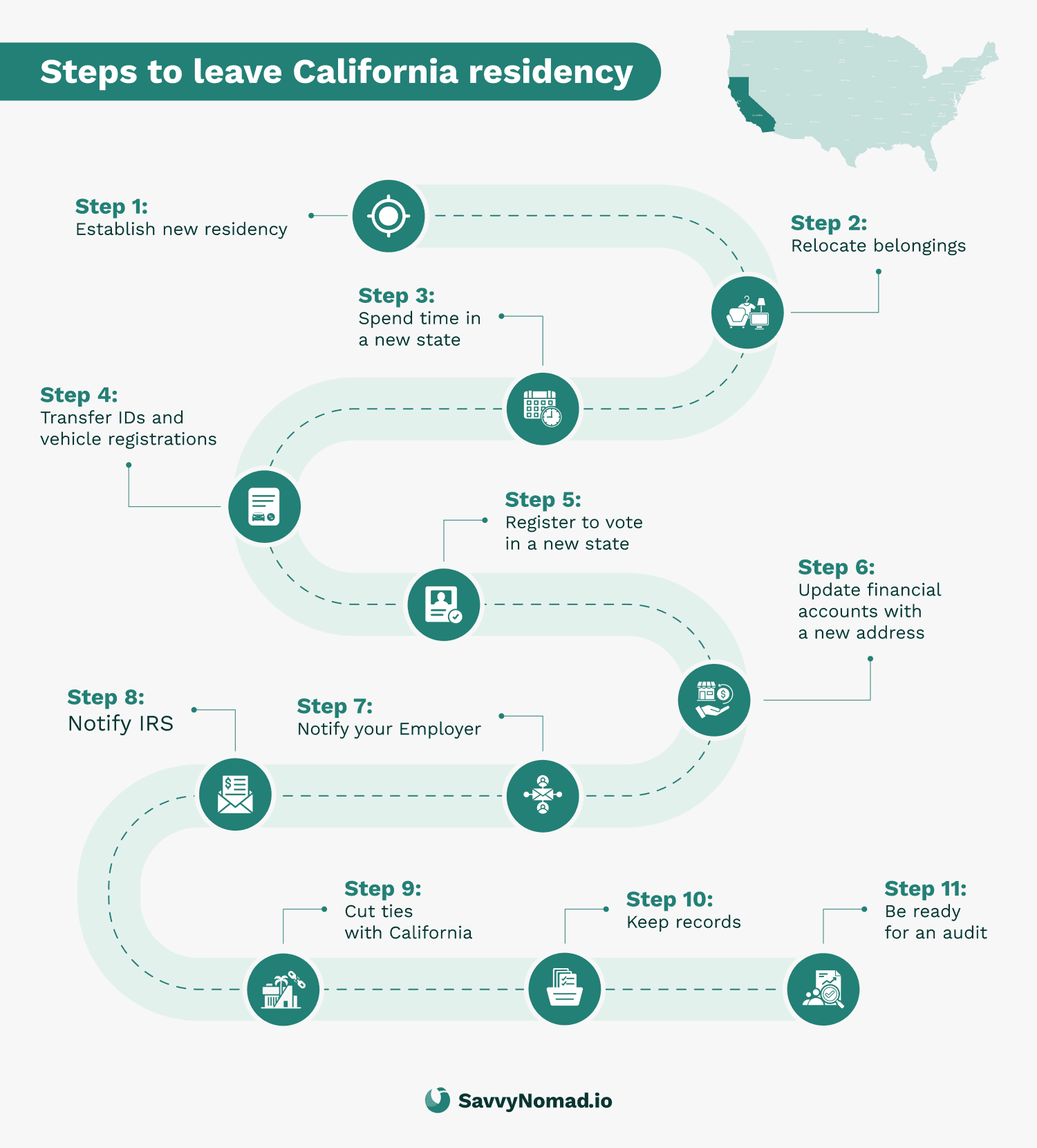
The concept of a “long-term stay” moves beyond temporary accommodation like hotels or short-term rentals. It demands evidence of a settled lifestyle, where your primary dwelling serves as your permanent base. This means demonstrating that your former residence is no longer your primary home and that you have severed significant ties with your previous state of domicile, transferring them to California. Your accommodation choices play a pivotal role in illustrating this shift, providing tangible proof of your commitment.
Consider the contrast between a tourist visiting Los Angeles for a month and an individual relocating to San Francisco for a new job. The tourist might stay in a resort or a serviced apartment, but their intent is temporary. The relocating individual, however, will seek a long-term lease or purchase property, establishing a permanent base that reflects their intent to remain. The type of accommodation chosen, therefore, serves as a foundational piece of evidence in proving residency. It’s about transforming a temporary living situation into a permanent home.
The Cornerstone of Residency: Your California Home
Your primary dwelling in California is arguably the most significant piece of evidence when establishing residency. The state looks for clear indications that you have established a genuine, long-term physical presence. This goes beyond simply being present within state lines; it’s about where you lay your head, store your belongings, and receive your mail.
Renting a Long-Term Dwelling
For many, renting is the initial and most common path to securing long-term accommodation in California. A formal lease agreement for an apartment, house, or condo serves as powerful proof of intent to reside permanently. Unlike month-to-month arrangements or short-term vacation rentals, a standard 12-month lease signals a commitment to the locale.
When you rent, ensuring your name is explicitly on the lease agreement is vital. This document, coupled with consistent rent payments, demonstrates a stable and continuous living situation. Landlord-tenant agreements for residences in cities like San Diego or Sacramento are not just about securing a place to live; they are legal contracts affirming your physical address and intent to occupy the premises as your primary residence. Even if you share accommodation, having your name on the lease or a formal sub-lease agreement can contribute to establishing your residency. It’s imperative that the address on your lease matches all other official documentation you submit to the state.
Purchasing Property in the Golden State
Purchasing a home offers even stronger evidence of intent to establish permanent residency. Homeownership in California signifies a substantial financial and personal commitment to the state. The property deed, mortgage statements, and property tax bills all serve as undeniable proof of your long-term stake in the community.
Whether you buy a house in a suburban community near Oakland or a condominium in downtown San Jose, the act of purchasing property solidifies your physical presence. This type of accommodation makes it clear that your stay is not temporary or transient. The duration of your ownership, coupled with the property being your primary dwelling, reinforces your residency claim. It’s not just about owning real estate; it’s about actively living in and maintaining that property as your principal residence.
Essential Documentation for Your California Accommodation
Once you’ve secured your long-term accommodation, the next critical step is to gather and update all associated documentation. These documents serve as corroborating evidence, linking your identity to your California address and demonstrating that your dwelling is indeed your permanent home.
Utility Bills and Services
Perhaps one of the most practical and immediate ways to demonstrate your residency through your accommodation is by transferring or establishing utility services in your name. Bills for electricity, gas, water, internet, and trash services, all addressed to your California residence, are strong indicators of a settled household. The consistent billing cycles over several months show an ongoing physical presence.
For example, an electricity bill from Pacific Gas and Electric or a water bill from the Los Angeles Department of Water and Power addressed to your home in Long Beach provides concrete proof of your residency at that specific address. It’s crucial that these bills are in your name, not a roommate’s or landlord’s, to directly link you to the accommodation.
Vehicle Registration and Driver’s License
For those moving from out of state, transferring your vehicle registration and obtaining a California driver’s license are essential steps that directly tie back to your established accommodation. The California Department of Motor Vehicles (DMV) requires new residents to obtain a California driver’s license within 10 days of establishing residency and register vehicles within 20 days.
Your new California driver’s license or identification card will display your local address, unequivocally linking you to your long-term dwelling. Similarly, your vehicle registration, showing your California address, further solidifies your physical presence and intent to reside in the state. These documents are highly weighted because they are issued by a state authority after verifying your address.
Voter Registration and Financial Accounts
Registering to vote in California is another significant act that publicly declares your intent to be a permanent resident. Your voter registration, tied to your California address, reinforces your commitment to the community where your accommodation is located. Similarly, opening local bank accounts, credit union accounts, or updating existing financial accounts with your California address showcases that your financial life is now centered in the state. Statements from these institutions, bearing your local address, provide additional proof of residency. These actions, combined with the physical presence demonstrated by your dwelling, paint a clear picture of an individual fully integrated into the California way of life.
Avoiding Pitfalls and Proving Intent to Stay
While securing long-term accommodation is fundamental, merely having a California address isn’t always enough to establish residency. The state scrutinizes whether your move is genuinely permanent or merely for convenience, such as for lower tuition rates without a true intent to integrate.
One common pitfall is maintaining significant ties to your former state of residence. If you continue to receive mail, pay taxes, or hold a driver’s license in another state, it weakens your claim to California residency, regardless of your local accommodation. It’s crucial to sever these ties to fully demonstrate your intent. This means changing your mailing address, updating your tax domicile, and cancelling out-of-state memberships or registrations.
Your accommodation choices also reflect your intent. Opting for a transient arrangement, even if it’s for an extended period, might not be viewed as establishing a permanent home. For example, consistently moving between different short-term rentals or living in a hotel for an extended duration, without a clear long-term housing solution, could raise questions about your true intent to establish residency. The most compelling evidence comes from a stable and consistent dwelling, whether rented or owned, that clearly serves as your principal place of abode.

Navigating Specific Residency Scenarios
Establishing residency through accommodation can have specific nuances depending on your situation.
For students, demonstrating intent often requires not only a lease agreement for an apartment near a campus like the University of California, Berkeley or the University of California, Los Angeles, but also severing financial and legal ties to parents in other states, if applicable. The student must prove financial independence and that their dwelling in California is their primary and only home, not just a temporary place for studies.
Remote workers or those with flexible living arrangements also face scrutiny. If your employment is with an out-of-state company, or if you frequently travel, it becomes even more vital to emphasize your fixed California dwelling as your primary residence. Proof of filing California state income taxes, even if your employer is remote, is strong evidence, along with the consistent utility bills and financial statements linked to your local accommodation.
Ultimately, establishing residency in California through accommodation is about building a comprehensive narrative. Every document, every action, and especially every aspect of your dwelling choice, should reinforce the singular message: California is not just where you are staying, but where you permanently live. Your long-term home forms the bedrock of this claim, providing the tangible proof needed to solidify your status as a genuine resident of the Golden State.
LifeOutOfTheBox is a participant in the Amazon Services LLC Associates Program, an affiliate advertising program designed to provide a means for sites to earn advertising fees by advertising and linking to Amazon.com. Amazon, the Amazon logo, AmazonSupply, and the AmazonSupply logo are trademarks of Amazon.com, Inc. or its affiliates. As an Amazon Associate we earn affiliate commissions from qualifying purchases.