
California, often hailed as the Golden State, stands as a colossus in the global economy, renowned for its innovation, cultural influence, and breathtaking natural beauty. From the sun-kissed beaches of Southern California to the majestic redwoods of the north, and from the vineyards of Napa Valley to the tech hubs of Silicon Valley, the state offers an unparalleled diversity that attracts millions of visitors and residents alike. Its economic might, however, is not just a point of pride but also a significant factor in its relationship with the federal government of the United States. The question of how much money California contributes to the federal coffers is a complex one, touching upon the state’s massive tax base, its robust industries, and the intricate web of federal spending and resource allocation. Understanding this fiscal dynamic offers unique insights into the state’s capacity to develop its world-class travel infrastructure, maintain its iconic landmarks, and foster the vibrant lifestyle that defines it as a premier destination.
California’s Economic Powerhouse: A Global Magnet for Travel and Innovation
California isn’t just a state; it’s an economic titan with a Gross State Product (GSP) that rivals some of the world’s largest national economies. This immense wealth is a direct result of its diverse and innovative industries, which span cutting-edge technology, entertainment, agriculture, aerospace, and advanced manufacturing. This robust economic engine fuels an equally substantial tax base, comprising individual income taxes, corporate taxes, and various other levies. Residents and businesses within the state contribute significantly to federal revenue through these channels, making California one of the largest single contributors to the federal budget.
The state’s prosperity directly translates into its appeal as a travel destination. High average incomes in areas like Palo Alto and San Francisco mean a higher propensity for luxury travel, both for Californians exploring their own state and for global travelers drawn by the promise of world-class amenities. This economic dynamism fosters an environment where premium hotels, exclusive resorts, and sophisticated dining experiences can thrive, catering to both the affluent resident and the discerning international visitor. The sheer volume of economic activity supports continuous investment in infrastructure, from airports in Los Angeles and San Francisco to improved road networks that make exploring destinations like Big Sur and Lake Tahoe more accessible.

The Golden State’s Fiscal Landscape
California’s fiscal landscape is characterized by its significant contributions to federal tax revenue. Due to its large population and high-income earners, the state consistently generates a substantial portion of the nation’s individual income tax receipts. Furthermore, the numerous Fortune 500 companies headquartered in California contribute heavily through corporate income taxes. These combined streams make California a critical financial pillar for the United States Treasury.
This financial prowess has a ripple effect on the state’s tourism sector. A strong economy allows for better state-level funding for tourism promotion, park maintenance, and cultural programs that enhance the visitor experience. It also fosters a competitive market for accommodation, from boutique hotels in charming towns to sprawling resorts in prime locations, ensuring a wide array of choices for every type of traveler. The high concentration of wealth supports a vibrant luxury travel segment, with five-star hotels, gourmet restaurants, and exclusive experiences becoming hallmarks of the Californian lifestyle and tourist offerings.
Fueling Federal Coffers: California as a Net Contributor
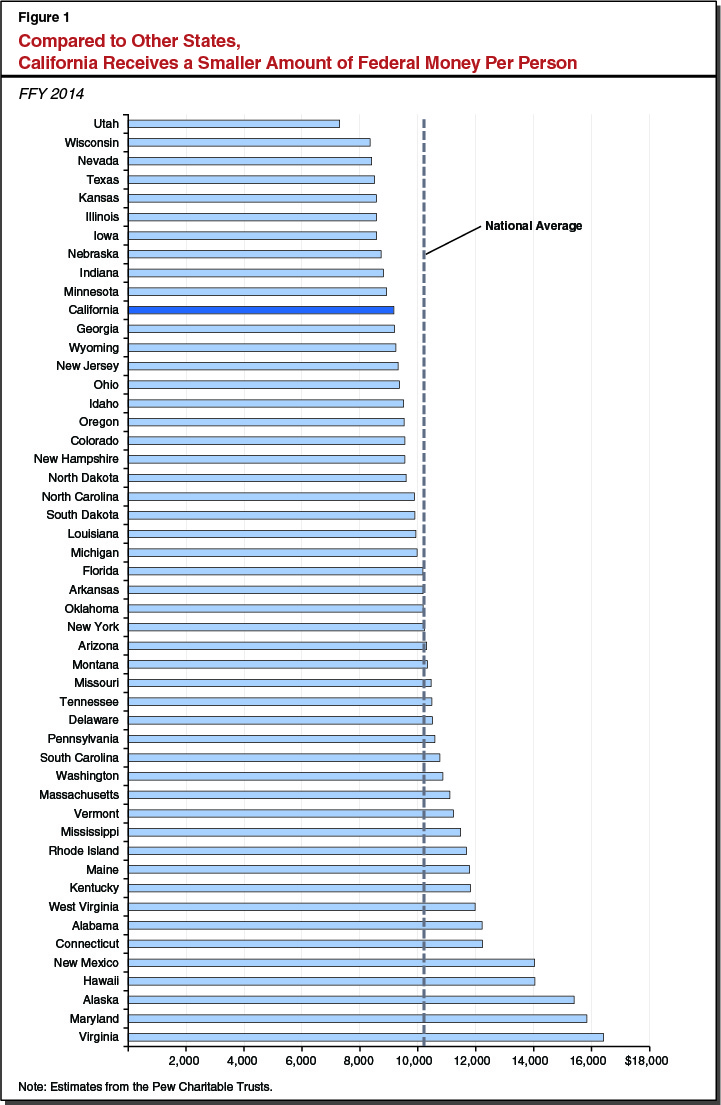
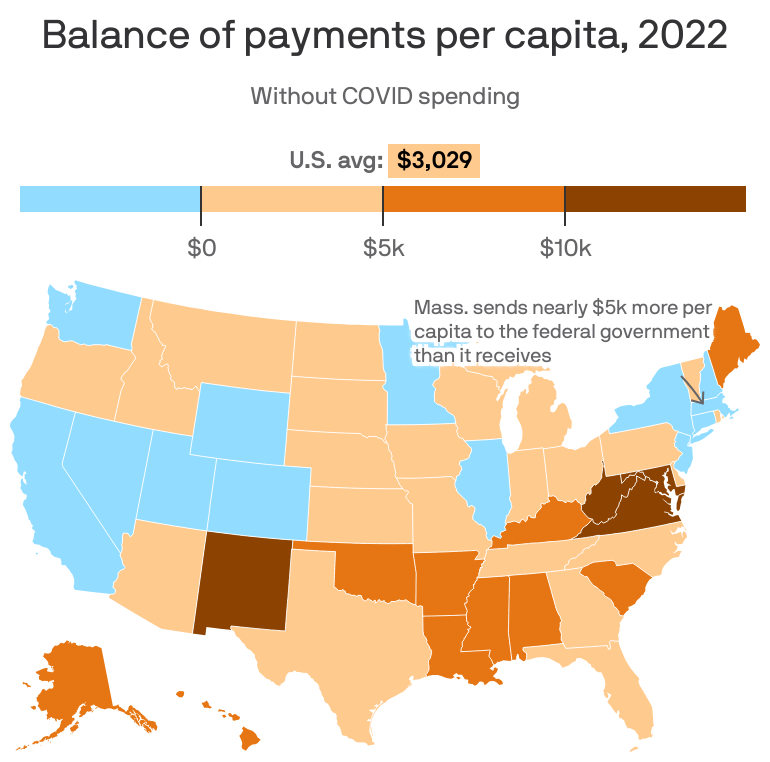
When examining the balance sheet between states and the federal government, California is consistently identified as a “donor state.” This means that, year after year, the amount of tax revenue generated by California residents and businesses and sent to Washington D.C. significantly exceeds the amount of federal spending returned to the state in the form of grants, contracts, and other federal outlays. While exact figures fluctuate annually based on economic conditions and federal budgeting, studies from various think tanks and government accountability offices have generally found California to be among the top donor states, often contributing tens of billions of dollars more than it receives.
This status as a net contributor highlights California’s essential role in supporting the broader national economy and funding federal initiatives across the country. For travelers, this means that the economic health of California, partly driven by these contributions, helps maintain a robust national infrastructure and stability that ultimately facilitates travel and commerce throughout the United States. It underlines the state’s foundational importance, not just as a destination but as a crucial economic engine for the entire nation.
The Interplay of Federal Contributions and California’s Tourism Sector
While California is a net donor state, the money it contributes to the federal government isn’t simply absorbed without any reciprocal benefit. A portion of federal spending ultimately makes its way back to California in various forms, many of which indirectly or directly bolster its massive tourism sector. These investments, funded by federal tax dollars (including those from California), play a crucial role in shaping the state’s appeal, accessibility, and the quality of experience for visitors.
The state’s ability to maintain its vast array of attractions, from pristine national parks to bustling urban centers, is a collaborative effort involving state, local, and federal resources. This interplay ensures that whether you’re planning a family trip to Disneyland Resort, a scenic drive along the Pacific Coast Highway, or a cultural exploration of San Francisco, the infrastructure and preservation efforts are supported by a complex financial ecosystem.
Investing in Infrastructure: Paving the Way for Visitors
Federal funding plays a significant role in California’s transportation infrastructure, which is vital for tourism. Grants from the Department of Transportation help fund critical projects such as highway improvements, bridge maintenance, and public transit expansions. For a state as geographically diverse as California, an efficient transportation network is paramount. This includes major arteries connecting Los Angeles to San Diego, or San Francisco to the Central Valley, making it easier for tourists to reach their desired destinations.
Furthermore, federal investments in airports, particularly those in major international gateways like LAX (Los Angeles International Airport) and SFO (San Francisco International Airport), are instrumental in facilitating the arrival of millions of domestic and international travelers annually. These infrastructure improvements not only enhance safety and efficiency but also contribute to a smoother, more enjoyable travel experience, underscoring how federal contributions indirectly support the state’s robust tourism economy. The ability to seamlessly navigate from an urban center to a national park, or from a historic landmark to a beachfront resort, is a testament to these continuous investments.
Safeguarding Natural Wonders: Federal Support for Iconic Landmarks
California is home to an extraordinary collection of national parks and forests, from the awe-inspiring granite cliffs of Yosemite National Park to the otherworldly landscapes of Death Valley National Park. These natural treasures are managed by federal agencies like the National Park Service and the U.S. Forest Service, which receive substantial funding from the federal government. This federal support covers everything from trail maintenance and visitor center operations to wildlife conservation and educational programs.
Iconic man-made landmarks like the Golden Gate Bridge in San Francisco also benefit from federal oversight and occasional funding for maintenance and rehabilitation projects, ensuring their preservation for future generations of visitors. These sites are major draws for tourists worldwide, and the federal commitment to their upkeep is a direct benefit that enhances California’s reputation as a premier destination for natural beauty and architectural marvels. Without federal involvement, the sheer scale of managing and preserving these vast areas would be an overwhelming burden solely on state resources.
Urban Splendor and Lifestyle Destinations
The vibrant urban centers of California like Los Angeles, San Francisco, and San Diego are major tourism magnets, offering a rich tapestry of culture, entertainment, and culinary experiences. While city and state revenues primarily fund local infrastructure and services, federal grants and programs can indirectly support the quality of life and attractiveness of these areas. For instance, federal housing and community development grants can contribute to urban revitalization projects, making cities more appealing to residents and tourists alike.
The high-income lifestyle fostered by California’s economy also supports a flourishing tourism ecosystem within these cities. World-class hotels, Michelin-starred restaurants, renowned museums, and entertainment venues like Universal Studios Hollywood and the Santa Monica Pier thrive in an environment of economic prosperity. While not directly federal programs, the robust tax base that contributes to the federal government is the same economic engine that empowers a diverse and luxurious travel and accommodation sector in these urban hubs. From budget-friendly hostels to opulent suites, the range of choices caters to every traveler’s preference, reflecting the state’s economic dynamism.
Federal Funding in California: A Return on Investment for a Thriving State
Despite being a significant contributor, California does receive substantial federal funding back in various forms. This “return on investment” is crucial for the state’s continued growth, resilience, and its ability to maintain the high quality of life and tourist attractions for which it is known. While it may not always equal the total federal tax contributions, these funds are strategically allocated to areas that often have a direct or indirect positive impact on travel, tourism, and the overall visitor experience. Understanding these inflows provides a more complete picture of the fiscal relationship.
Federal dollars support critical sectors and initiatives, many of which are foundational to the state’s ability to attract and accommodate visitors. This includes scientific research that leads to technological advancements, defense spending that stimulates local economies, and disaster relief that helps the state recover from natural calamities. Each of these areas, though seemingly distinct from tourism, plays a role in sustaining California’s appeal and ensuring its capacity to host millions of travelers year after year.
Key Areas of Federal Reinvestment
Federal funds are channeled into California through several key avenues:
- Defense Contracts: California has a long history as a hub for aerospace and defense industries. Federal defense contracts contribute billions of dollars to the state’s economy, creating jobs and stimulating innovation. These economic activities support local businesses, including hotels, restaurants, and other services that cater to workers and their families, indirectly boosting regional tourism.
- Research and Development Grants: Leading universities like Stanford University and UC Berkeley receive massive federal grants for scientific and technological research. This not only keeps California at the forefront of innovation but also attracts academics, conferences, and specialized visitors from around the world, creating a distinct niche for academic and business travel.
- Healthcare and Social Programs: Federal funding for Medicaid, Medicare, and various social welfare programs ensures a safety net for many Californians. A healthier, more stable population contributes to a stronger workforce and a more robust local economy, which ultimately benefits service industries, including tourism and hospitality.
- Disaster Relief and Emergency Management: Given California’s vulnerability to wildfires, earthquakes, and droughts, federal assistance for disaster preparedness, response, and recovery is critical. These funds help rebuild damaged infrastructure, restore natural areas, and ensure that tourist destinations can recover quickly, minimizing long-term impacts on travel.
- Environmental Protection: Federal agencies, with funding from the federal government, engage in significant environmental protection efforts in California, including water management, air quality initiatives, and conservation projects. These efforts preserve the natural landscapes and pristine environments that are major attractions for ecotourism and outdoor adventures.
How Federal Dollars Shape the Visitor Experience
The impact of federal funding on the visitor experience in California is often indirect but pervasive. For example, federal investments in scientific research might lead to advancements in transportation technology or sustainable tourism practices. Defense spending can support a vibrant local economy in regions like San Diego, known for its naval bases, which in turn fuels a diverse array of restaurants, shops, and hotels.
Moreover, federal support for environmental conservation directly protects the state’s natural beauty, which is arguably its biggest draw. Pristine coastlines, healthy forests, and thriving wildlife populations are products of ongoing conservation efforts, many of which are federally funded. This ensures that when travelers embark on a road trip along the Pacific Coast Highway or hike through Yosemite National Park, they are met with well-preserved, breathtaking scenery. The resilience provided by federal disaster relief also means that even after calamities, popular destinations can often reopen faster, ensuring minimal disruption to travel plans.
The Golden State’s Enduring Appeal: A Symbiosis of Economy and Experience
Ultimately, the question of how much money California gives to the federal government is more than just a fiscal calculation; it’s a narrative about a powerhouse state that fuels the national economy while simultaneously benefiting from the broader stability and resources that federal funding provides. California’s position as a significant net contributor underscores its economic vitality, which is inextricably linked to its status as a world-class travel and lifestyle destination. The continuous flow of wealth generated within the state not only supports federal functions across the nation but also creates an ecosystem that allows for unparalleled travel experiences within its borders.
The complex interplay between state contributions and federal investments ensures that California remains at the pinnacle of innovation, culture, and natural beauty. From the cutting-edge luxury accommodations found in Los Angeles and San Francisco to the meticulously preserved natural landscapes of its national parks, every aspect of the Californian experience is subtly shaped by this intricate financial relationship.
Balancing Fiscal Responsibility and Future Growth
The ongoing debate about state contributions versus federal returns highlights the need for a balanced approach that supports both national priorities and regional development. For California, maintaining its economic engine is crucial, not just for its own residents but for its continued role in national prosperity and as a global beacon for tourism. The state’s ability to continue generating significant tax revenues depends on its sustained growth in key industries like technology, entertainment, and agriculture, which in turn attract talent and investment.
This growth loop is vital for funding future projects aimed at enhancing the visitor experience, such as sustainable tourism initiatives, expansion of public transit, and further preservation of cultural and natural heritage sites. Ensuring that California thrives economically means it can continue to invest in itself and contribute to the federal system, creating a virtuous cycle that benefits all.
California’s Irresistible Draw for Global Travelers
In conclusion, California’s substantial financial contributions to the federal government are a testament to its immense economic strength and vibrant industries. This fiscal muscle, while often discussed in terms of national budgets, fundamentally underpins the state’s ability to offer an unmatched array of travel experiences. The wealth generated within California supports a diverse lifestyle, innovative accommodations, and an infrastructure that makes exploring its iconic landmarks and hidden gems a pleasure.
Whether it’s the allure of Hollywood, the tranquility of Yosemite National Park, or the gastronomic delights of Napa Valley, the Golden State’s enduring appeal is inextricably linked to its economic dynamism. Travelers seeking luxury resorts, budget-friendly adventures, or immersive cultural experiences will find that California’s fiscal health plays a quiet yet significant role in crafting the unforgettable journeys that define a trip to this extraordinary state. From the capital city of Sacramento to every corner of its vast and varied landscape, California remains a dream destination, continuously shaped by its unique economic relationship with the nation.
LifeOutOfTheBox is a participant in the Amazon Services LLC Associates Program, an affiliate advertising program designed to provide a means for sites to earn advertising fees by advertising and linking to Amazon.com. Amazon, the Amazon logo, AmazonSupply, and the AmazonSupply logo are trademarks of Amazon.com, Inc. or its affiliates. As an Amazon Associate we earn affiliate commissions from qualifying purchases.