
Changing your name is a significant personal decision that can profoundly impact various aspects of your life, from legal identity to social interactions. In California, the process for legally changing your name, while structured, requires careful attention to detail and adherence to specific judicial procedures. This guide offers a professional and insightful overview of the steps involved, helping individuals navigate this administrative journey effectively. Understanding these requirements is crucial for anyone seeking to update their official identity in the Golden State.
Understanding the Basics of Name Change in California
A legal name change in California typically involves filing a petition with the Superior Court in your county of residence. Unlike simply using a new name, a legal name change grants you a court order that serves as official proof of your new identity, which is essential for updating government identification, financial accounts, and other vital records.
Who Can Change Their Name?
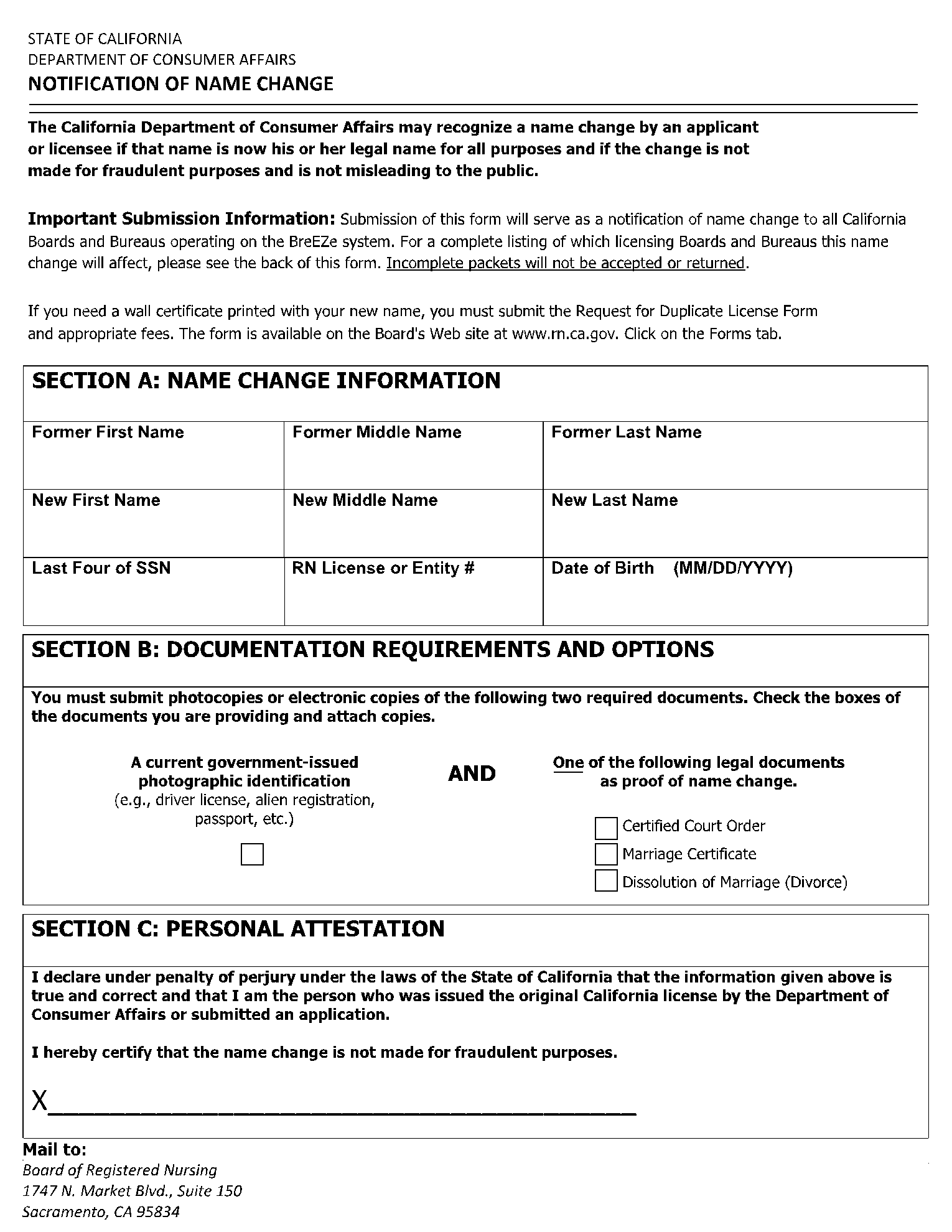
Generally, any adult residing in California can petition for a name change. There are very few restrictions, primarily concerning fraudulent intent. For instance, you cannot change your name to escape debts, avoid criminal prosecution, or defraud others. The court will review your petition to ensure your request is made in good faith and for legitimate reasons. Minors can also have their names changed, though this process involves additional considerations and usually requires parental consent or a court determination of the child’s best interests.
Common Reasons for a Name Change
People choose to change their names for a variety of personal and practical reasons. Some common motivations include:
- Personal Preference: Simply disliking one’s birth name or preferring a different name that better reflects their identity.
- Family Reasons: Uniting family names, honoring ancestors, or adopting a stepparent’s name.
- Professional Branding: Choosing a name that is more suitable or memorable for a career.
- Gender Affirmation: Aligning one’s legal name with their gender identity.
- Cultural or Religious Reasons: Adopting a name that holds cultural or religious significance.
- Protection: Changing a name due to safety concerns, often in cases of domestic violence or witness protection (though these might involve specialized court processes not covered in a general guide).
- Correcting Errors: Fixing misspellings or inaccuracies on birth certificates.
While the court generally accommodates most reasonable requests, it’s important to present a clear reason for your desired change in your petition.
The Petition Process: A Step-by-Step Guide
The standard process for an adult to legally change their name in California involves several key stages, each with specific forms and procedures.
Step 1: Complete and File Your Forms
The initial step is to prepare and file the necessary legal documents with the Superior Court in the county where you reside. The primary forms required are:
- Petition for Change of Name (Form NC-100): This form officially requests the court to change your name. You’ll need to provide your current legal name, your proposed new name, and the reason for the change.
- Order to Show Cause for Change of Name (Form NC-120): This form contains details about your request and informs the public and any interested parties that a name change hearing will take place.
- Civil Case Cover Sheet (Form CM-010): A general court form required for most civil cases.
You may also need additional forms depending on your specific circumstances, such as a Request for Order Waiving Court Fees (Form FW-001) if you cannot afford the filing fees. Once completed, these forms must be filed with the court clerk, and you will typically pay a filing fee unless a fee waiver is granted.
Step 2: Publish Notice of Hearing
After filing your petition, California law requires you to publish the “Order to Show Cause for Change of Name” in a newspaper of general circulation. This serves as public notice of your intent to change your name, allowing anyone with a legitimate objection to come forward.
- Selection of Newspaper: The court clerk can usually provide a list of approved newspapers in your county.
- Publication Period: The notice must be published once a week for four consecutive weeks prior to your scheduled court hearing date.
- Proof of Publication: The newspaper will provide you with an affidavit or proof of publication, which you must file with the court before your hearing. Failure to do so will result in your hearing being postponed.
This publication requirement is a critical step designed to protect against fraudulent name changes and ensures transparency in the legal process.
Step 3: Attend Your Court Hearing
On the date specified in your “Order to Show Cause,” you must attend a court hearing. In most cases, if all paperwork has been filed correctly and there are no objections, the hearing is relatively brief and straightforward.
- Appearance: Be prepared to briefly explain to the judge why you are requesting the name change.
- No Objections: If no one appears to object, and the judge finds your request legitimate, they will likely grant your petition.
- Objections: If an objection is raised, the judge will hear arguments from both sides and may require additional information or schedule a separate hearing to resolve the dispute.
Step 4: Obtain Your Certified Order

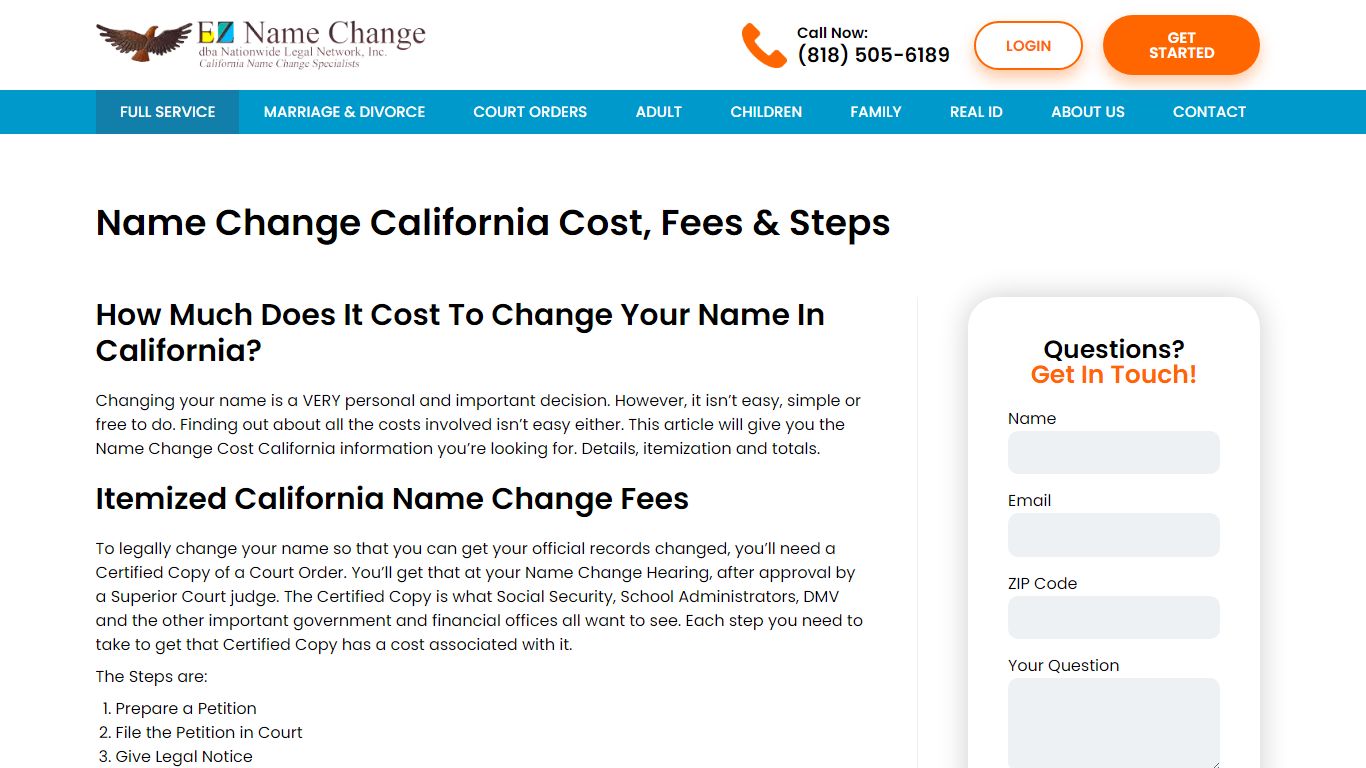
Once the judge approves your name change, they will sign the Decree Changing Name (Form NC-130). This document is your official proof of legal name change.
- Certified Copies: It is essential to obtain several certified copies of this decree from the court clerk. These certified copies will be required when you update your identification and records with various agencies. Keep these copies in a safe place, as they are irreplaceable without further court action.
- Cost: There is usually a small fee for each certified copy.
Special Considerations for Minors and Specific Circumstances
While the general petition process applies to most adult name changes, specific scenarios have unique requirements.
Changing a Minor’s Name
Changing a minor’s name requires additional legal scrutiny to ensure it’s in the child’s best interest.
- Parental Consent: Typically, both parents must consent to the name change. If one parent objects, the court will hold a hearing to determine if the name change is in the child’s best interest, considering factors like the child’s preference (if old enough), the child’s relationship with each parent, and the impact on the child’s identity.
- Forms: In addition to the standard forms, Attachment to Petition for Change of Name (Minor) (Form NC-110) is often required.
- Notice: Notice must be given to all non-petitioning parents or guardians.
- Child’s Input: If the child is 12 years or older, their consent may be required or heavily weighed by the court.
Name Change After Marriage or Divorce
Name changes related to marriage or divorce often have streamlined processes that bypass the full petition-and-publication procedure.
- Marriage: You can typically change your last name to your spouse’s last name, hyphenate your last name with your spouse’s, or use a combination of existing names by simply indicating your desired new name on your marriage license application. Once the marriage certificate is issued, it serves as your legal proof for updating most records.
- Divorce: During divorce proceedings in California, a request to restore a former name (e.g., a maiden name) can be included in the divorce petition or judgment. The divorce decree then acts as the official document for this name change, eliminating the need for a separate name change petition.
Gender Affirming Name Changes
California has specific provisions to support gender-affirming name and gender changes, making the process more accessible for transgender and gender non-conforming individuals.
- Confidentiality: The state offers a confidential name and gender change process, which may allow petitioners to avoid the publication requirement under certain circumstances, particularly for minors or those seeking to protect their privacy.
- Forms: Specific forms, such as the Petition for Change of Name and Gender (Form NC-300), consolidate the requests for both name and gender marker changes.
- Waivers: Fee waivers are often available, and some counties have specialized self-help centers to assist with these particular types of petitions.
Updating Your Records Post-Name Change
Once you have your certified Decree Changing Name, the administrative work begins. You must update your new legal name with various government agencies and institutions. It’s advisable to do this promptly and systematically.
Social Security Administration
Your first stop should be the Social Security Administration (SSA). Changing your name with the SSA ensures that your earnings are correctly attributed to your new name and that your social security records are up-to-date.
- Required Documents: You will need to submit your certified court order, proof of identity (e.g., driver’s license, state ID), and proof of U.S. citizenship or immigration status.
- Process: You can mail your application or visit an SSA office. The SSA will issue a new Social Security card with your updated name, though your Social Security number will remain the same.
Department of Motor Vehicles
After updating your Social Security records, your next priority should be the Department of Motor Vehicles (DMV) to update your driver’s license or state identification card.
- Required Documents: Bring your certified court order and your new Social Security card. You will also need to complete a new driver’s license or ID card application.
- Process: Visit a California DMV office. You will typically pay a fee for the new card and may need to retake your photo.
Passport and Other Identification
It is crucial to update your Passport and other forms of identification as soon as possible, especially if you plan to travel internationally.
- Passport: For a Passport name change, you will need to submit Form DS-11 (if applying for the first time or if your previous passport was issued more than 15 years ago), Form DS-82 (for renewals), or Form DS-5504 (if your passport was issued less than a year ago). You will need your certified court order, current passport, and new photos.
- Other Institutions: Remember to update your name with banks, credit card companies, employers, educational institutions, insurance providers, doctors’ offices, voter registration, and any other relevant entities. This often involves providing a certified copy of your name change decree.
Navigating a legal name change in California is a multi-step process that demands attention to detail. By understanding each stage—from filing the petition to updating your personal records—you can ensure a smooth transition to your new legal identity.
LifeOutOfTheBox is a participant in the Amazon Services LLC Associates Program, an affiliate advertising program designed to provide a means for sites to earn advertising fees by advertising and linking to Amazon.com. Amazon, the Amazon logo, AmazonSupply, and the AmazonSupply logo are trademarks of Amazon.com, Inc. or its affiliates. As an Amazon Associate we earn affiliate commissions from qualifying purchases.