
The question of distance between Oakland, California and San Francisco is central to navigating the vibrant San Francisco Bay Area. While geographically close, the actual travel time and experience can vary significantly depending on the chosen mode of transportation, time of day, and specific starting and ending points within each city. Understanding this proximity and the various ways to bridge the gap is crucial for travelers, commuters, and anyone looking to explore the distinct cultures of both urban centers.
The Geographic Reality: Unpacking the Distance Between Oakland and San Francisco
At its closest point, the direct distance across the San Francisco Bay separating Oakland and San Francisco is roughly 8 to 10 miles. However, travel between the two cities is almost exclusively via the San Francisco Bay Bridge or various public transit routes that circumvent or cross the bay. The actual driving distance from downtown Oakland to downtown San Francisco is approximately 12 to 15 miles.
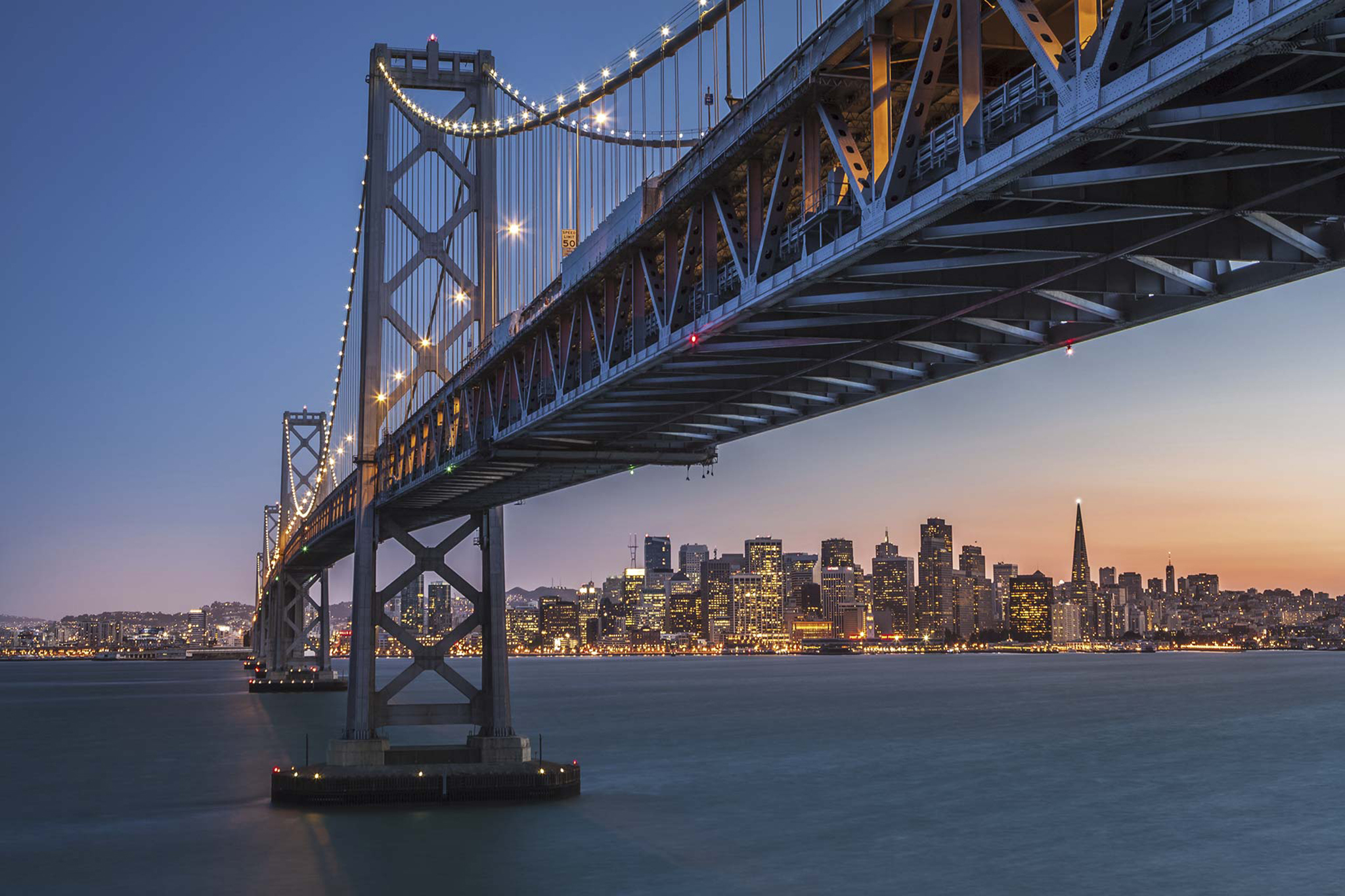
This relatively short distance belies the dynamic nature of travel in a bustling metropolitan area. The presence of a major body of water means that direct, straight-line travel is not an option, making bridges and tunnels critical infrastructure for connectivity. The San Francisco Bay Bridge, a double-decked cantilever and suspension bridge, serves as the primary artery for vehicle traffic, linking Oakland’s eastern shore to San Francisco’s Rincon Hill. This engineering marvel is not just a connector but also a key determinant of travel time, subject to the ebb and flow of daily commuter traffic and occasional maintenance. The experience of traversing the bay is an intrinsic part of the journey, offering panoramic views that often distract from the functional purpose of the crossing.
Navigating the Bay: Comprehensive Transportation Options
Travelers have several efficient and distinct options for getting between Oakland and San Francisco, each offering a unique balance of speed, cost, and scenic appeal.
Driving Across the Bay Bridge
Driving is a popular choice for flexibility, especially for those with their own vehicle or rental car. The journey across the San Francisco Bay Bridge typically takes between 20 to 45 minutes, though this can extend to over an hour during peak commute times, such as weekday mornings (7 AM – 9 AM) and evenings (4 PM – 6 PM). It is important to note that a toll is levied for westbound traffic entering San Francisco. The toll varies by time of day and day of the week, with electronic payment systems like FasTrak being the most common method. Parking in San Francisco can be expensive and challenging to find, so factoring this into your decision is essential. Consider carpooling or using designated carpool lanes where available to potentially shorten travel times during congestion.
The Efficiency of BART
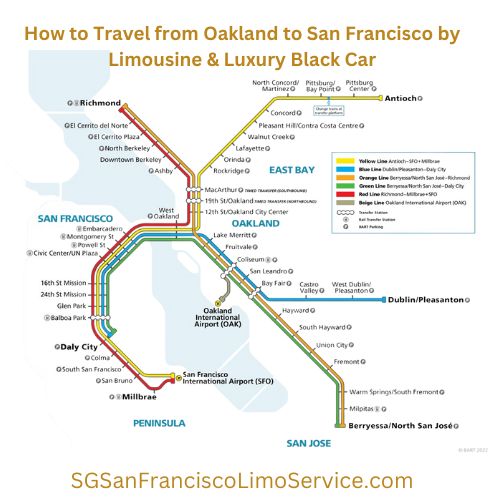
The Bay Area Rapid Transit (BART) system is arguably the most efficient and widely used method for inter-city travel within the Bay Area. BART trains run frequently, connecting various stations in Oakland (such as 12th Street/Oakland City Center, 19th Street/Oakland, and Lake Merritt) to multiple stations in San Francisco (including the Embarcadero, Montgomery Street, Powell Street, and Civic Center/UN Plaza). The underwater Transbay Tube, an engineering marvel, allows BART to directly connect the two cities, bypassing surface traffic entirely.
A typical BART journey between downtown Oakland and downtown San Francisco takes approximately 12 to 15 minutes, not including the time to get to and from stations. Fares are calculated based on distance, and travelers can use a Clipper card or purchase single-use tickets. BART is especially convenient for accessing San Francisco International Airport (SFO) and Oakland International Airport (OAK), offering direct connections from both city centers.
Scenic Ferry Journeys
For a more leisurely and picturesque approach, the ferry offers a unique perspective of the San Francisco Bay and its iconic landmarks. Ferries depart from Jack London Square in Oakland and arrive at the Ferry Building or Pier 41 in San Francisco. The ferry ride itself typically lasts about 20 to 30 minutes, but with boarding and disembarking, the total travel time might be comparable to or slightly longer than BART during off-peak hours.
The main advantage of the ferry is the experience: stunning views of the Bay Bridge, Alcatraz Island, and the San Francisco skyline. It’s an excellent option for tourists or those looking to combine transportation with sightseeing. Fares are similar to BART and can also be paid with a Clipper card.

Ride-Sharing and Taxis
Ride-sharing services like Uber and Lyft, as well as traditional taxis, provide door-to-door convenience. The travel time will mirror driving times across the Bay Bridge, heavily influenced by traffic conditions. While more expensive than public transit, these services offer comfort and directness, particularly useful for travelers with luggage or those heading to destinations not easily accessible by BART or ferry. Surge pricing during peak hours or special events can significantly increase costs, so checking fare estimates before booking is advisable.
Journey Considerations: Factors Affecting Travel Time
Several external factors can influence how long it takes to travel between Oakland and San Francisco:
- Traffic Congestion: This is the most significant factor, primarily affecting driving and ride-sharing times. The San Francisco Bay Bridge is notoriously congested during weekday rush hours. Utilizing real-time traffic apps can help mitigate delays.
- Time of Day: Travel during early mornings, late evenings, or weekends generally offers the quickest transit times for all modes.
- Special Events: Major sports events at Chase Center in San Francisco or concerts/festivals in either city can lead to increased traffic and crowded public transport.
- Weather Conditions: Fog, rain, or strong winds can slow down all forms of transport, particularly impacting ferries and visibility on the bridge.
- Public Transit Delays: While generally reliable, BART or ferry services can occasionally experience delays due to mechanical issues or operational disruptions. Checking schedules and real-time updates is always a good practice.
Why Traverse the Bay? Exploring Both Sides for Travelers
The decision to travel between Oakland and San Francisco is often driven by the desire to experience the distinct characteristics of each city. Both offer unique attractions, culinary scenes, and cultural experiences that enrich any Bay Area itinerary.
Oakland’s Urban Appeal
Oakland, often referred to as “The Town,” boasts a vibrant arts scene, diverse neighborhoods, and a thriving food culture. From the historic Jack London Square with its waterfront restaurants and ferry connections to the serene beauty of Lake Merritt, the nation’s first wildlife refuge, Oakland presents a more relaxed, community-focused urban experience. Its proximity to Oakland International Airport (OAK) also makes it a convenient entry point for many travelers. Exploring Old Oakland’s Victorian architecture or the bustling activity of Uptown Oakland for live music venues and art galleries adds depth to a Bay Area visit.
San Francisco’s Iconic Charm
San Francisco, globally renowned for its iconic landmarks and unique topography, offers an endless array of attractions. From the bustling energy of Fisherman’s Wharf and the historic cable cars to the verdant expanse of Golden Gate Park and the majestic Golden Gate Bridge, the city provides a concentrated dose of world-class tourism. Travelers often venture to San Francisco for its museums, diverse culinary landscape, vibrant neighborhoods like Chinatown and the Mission District, and its distinctive hilly streets.
Optimizing Your Cross-Bay Travel Experience
To ensure a smooth and enjoyable journey between Oakland and San Francisco, consider these practical tips:
- Plan Ahead: Check schedules for BART and ferries, especially on weekends or holidays, as service frequencies may differ. For driving, consult real-time traffic apps like Google Maps or Waze before departing.
- Consider a Clipper Card: This reloadable transit card is highly recommended for seamless travel on BART, ferries, and other public transportation systems throughout the Bay Area.
- Travel Off-Peak: If your schedule allows, avoid the weekday morning and evening rush hours to save time, regardless of your chosen mode of transport.
- Mix and Match: Don’t be afraid to use different modes for different purposes. For instance, take BART for quick commutes and the ferry for a scenic return journey.
- Factor in Transfers: If your destination isn’t directly at a BART station or ferry terminal, remember to account for additional time for walking, bus connections, or short ride-share trips within the city.
Ultimately, the distance between Oakland and San Francisco is minimal in miles but rich in travel options and experiences. By understanding the logistics and planning wisely, visitors can easily explore the unique charms of both dynamic California cities.
LifeOutOfTheBox is a participant in the Amazon Services LLC Associates Program, an affiliate advertising program designed to provide a means for sites to earn advertising fees by advertising and linking to Amazon.com. Amazon, the Amazon logo, AmazonSupply, and the AmazonSupply logo are trademarks of Amazon.com, Inc. or its affiliates. As an Amazon Associate we earn affiliate commissions from qualifying purchases.