
The allure of a perfectly cooked New York strip steak is undeniable. Its rich marbling, robust flavor, and satisfying tenderness have made it a staple in steakhouses across the globe, particularly in its namesake city. But beyond the sizzling grill and the elegant plating, lies a journey rooted in the vast ranches and culinary heritage of the United States. Understanding the origin of the New York strip steak is not just about tracing a cut of beef; it’s an exploration into American agriculture, regional cuisine, and the very essence of farm-to-table dining.
The Anatomy of a Prized Cut
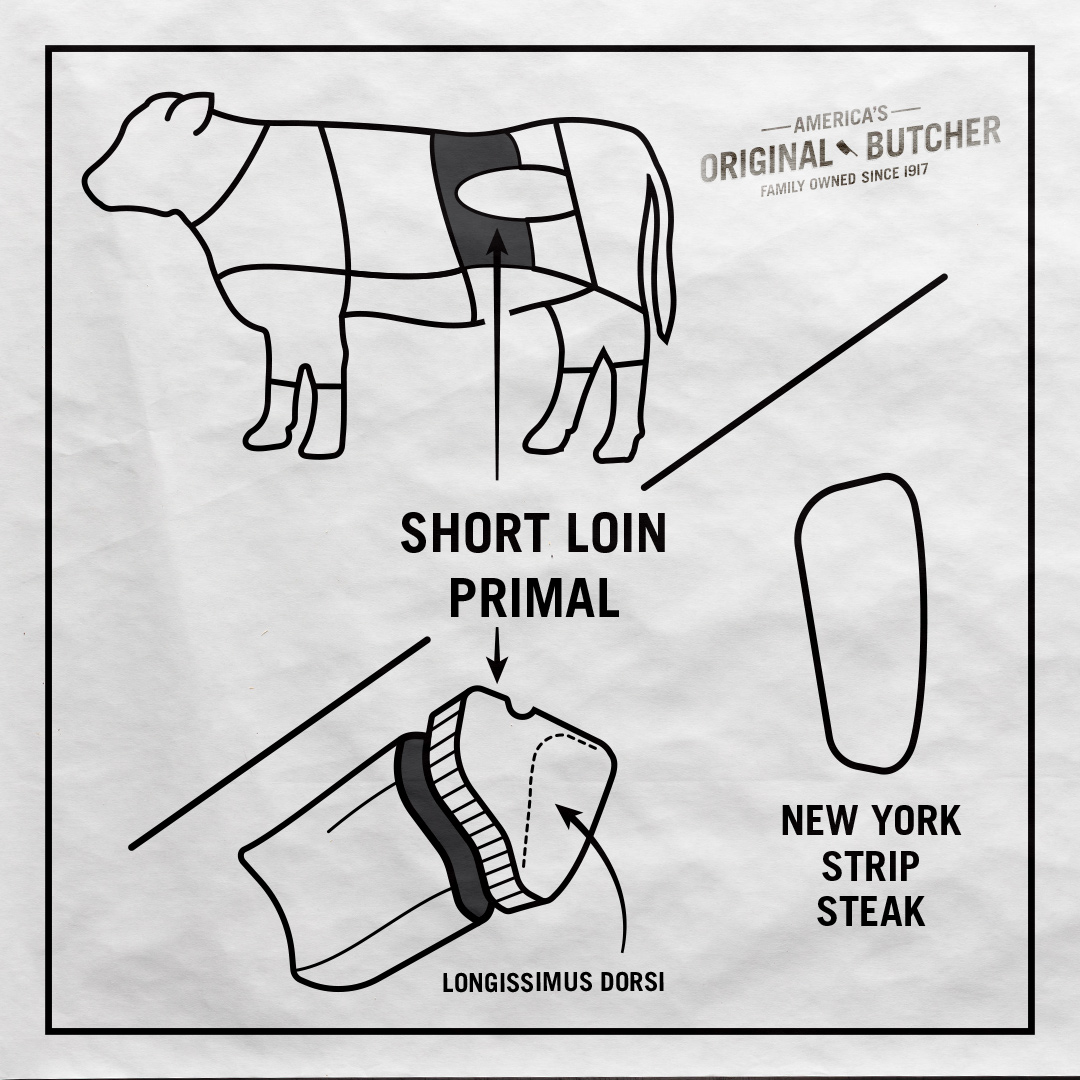
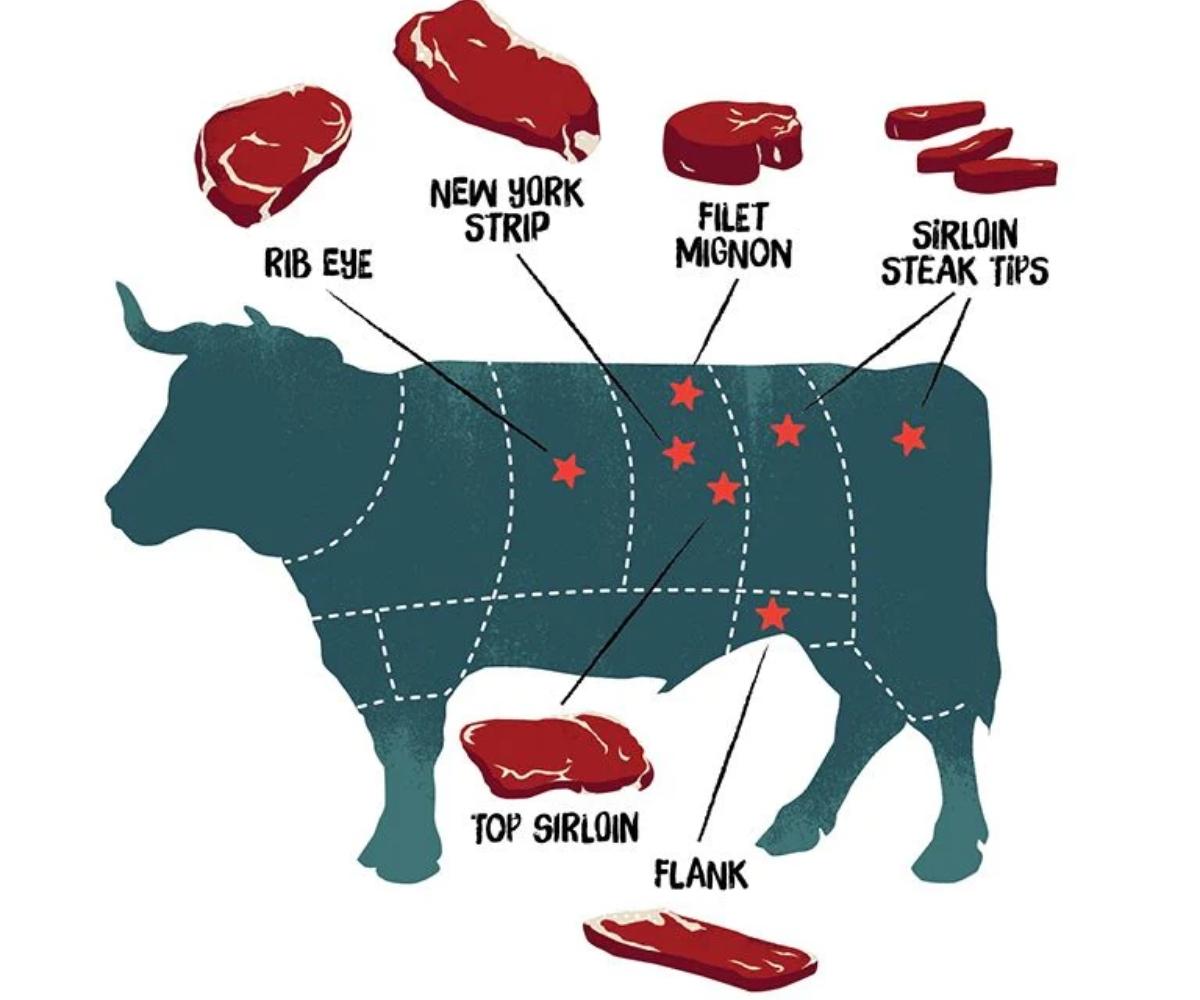
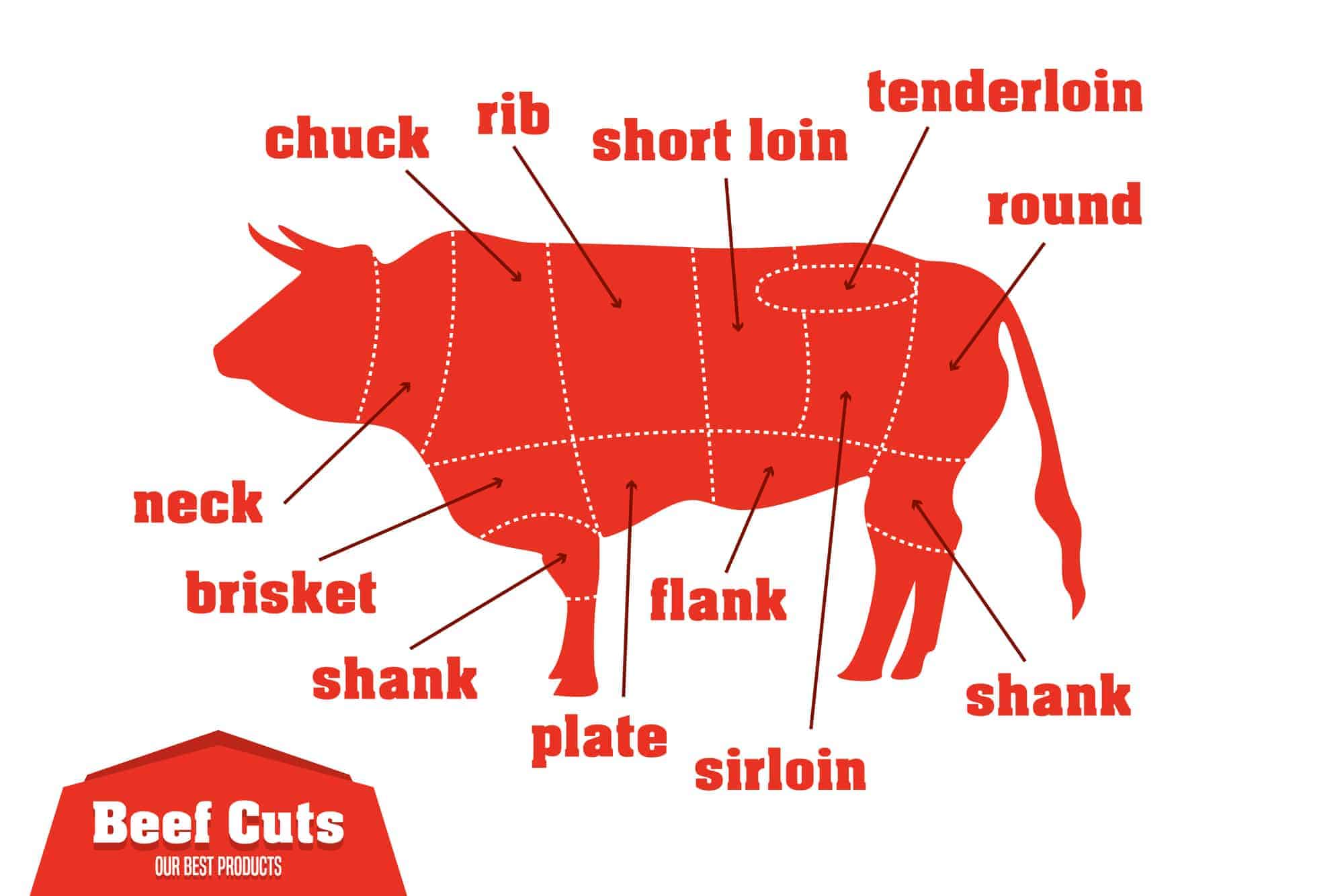
The New York strip steak, also known by several other monikers such as the strip loin, Kansas City strip, or even the hotel cut, is derived from the short loin of the Bovine carcass. This primal cut, located along the spine, is particularly prized for its tenderness and flavor. The short loin is separated into two key subprimals: the tenderloin, which yields the filet mignon, and the strip loin, from which our subject steak is cut.
The Loin and Its Muscles
The muscles of the short loin are not heavily worked by the Bovine. This lack of exertion is a primary reason for the inherent tenderness of the steaks originating from this area. The strip steak specifically comes from the longissimus dorsi muscle, which runs parallel to the spine. This muscle is responsible for extending the back.
Aging: The Secret to Enhanced Flavor and Texture
Once the carcass is broken down and the strip loin is isolated, it undergoes an aging process. This is a crucial step that significantly impacts the quality of the New York strip steak. Aging allows natural enzymes within the meat to break down connective tissues, resulting in a more tender texture. Furthermore, it concentrates the natural flavors of the beef, leading to a richer, more complex taste profile. Two primary methods are employed:
- Dry-aging: In this process, large cuts of beef are hung in a controlled environment with specific temperature, humidity, and air circulation for a period ranging from a few weeks to several months. This method results in a significant loss of moisture, intensifying the beef’s flavor and creating a distinct, nutty aroma. It also contributes to exceptional tenderness.
- Wet-aging: This is a more common and faster method where cuts of beef are vacuum-sealed in plastic bags and allowed to age in their own juices for a shorter duration, typically a few days to a couple of weeks. While it enhances tenderness, it doesn’t develop the same depth of flavor or character as dry-aging.
The Rancher’s Role: From Pasture to Plate
The story of the New York strip steak begins long before it reaches the butcher’s block. It starts with the dedicated work of ranchers, who are the custodians of the land and the caretakers of the cattle. While the steak bears the name of a prominent American city, its origins are deeply intertwined with the agricultural heartlands of the United States.
Cattle Breeds and Rearing Practices
The quality of the New York strip steak is heavily influenced by the breed of cattle and their rearing practices. Breeds such as Angus, Hereford, and Shorthorn are commonly favored for their excellent marbling characteristics, which translate into juicy and flavorful steaks.
- Grass-fed vs. Grain-fed: The diet of the cattle plays a significant role in the flavor and nutritional profile of the beef.
- Grass-fed beef generally has a leaner profile and a more pronounced, sometimes slightly gamey, flavor. It is often richer in certain nutrients like omega-3 fatty acids.
- Grain-fed beef, typically finished on a diet of corn and grains, tends to be more marbled, resulting in a buttery texture and a sweeter, milder flavor that is often preferred for steaks like the New York strip. The increased marbling allows for greater moisture retention during cooking, contributing to juiciness.
The Importance of Humane Practices
Increasingly, consumers are seeking out New York strip steaks from ranches that prioritize humane treatment of animals and sustainable land management. Many ranches in regions like the Great Plains, Texas, and the Midwest are adopting these practices, ensuring that the journey from pasture to plate is as ethical as it is delicious.
The Culinary Journey: From Butcher to Table
Once the cattle have been raised and processed, the strip loin is expertly cut and prepared by skilled butchers. The “new york strip” designation itself speaks to its journey through the culinary landscape.
Butchers and the Art of the Cut
Butchers play a critical role in identifying and separating the strip loin from the larger primal cuts. They then meticulously trim excess fat and connective tissue, ensuring that each New York strip steak is presented for optimal cooking. The typical thickness of a New York strip steak is around 1 to 1.5 inches, allowing for a good sear while maintaining a tender interior. The distinctive “tail” of fat, often found along one edge of the steak, is a hallmark of this cut and contributes to its flavor during cooking.
The Steakhouse Experience
The New York strip steak gained its widespread popularity and name through the iconic steakhouses of New York City. Establishments like Peter Luger Steak House and Keens Steakhouse became synonymous with high-quality beef, and the New York strip was often a star on their menus. These restaurants perfected the art of cooking and seasoning this particular cut, solidifying its place in American culinary history. The “hotel cut” moniker likely arose from its popularity in hotel dining rooms and restaurants catering to travelers.
Regional Variations and Global Appeal
While the New York strip steak is quintessentially American, its appeal transcends borders. The principles of cattle raising and beef processing are shared globally, though specific breeds and aging techniques may vary.
American Steakhouses and Beyond
Across the United States, from coast to coast, New York strip steaks are celebrated. In cities like Chicago, Los Angeles, and even smaller towns, steakhouses pride themselves on sourcing and preparing this beloved cut. The emphasis remains on quality beef, expert preparation, and a classic dining experience.
International Interpretations
In countries with strong beef traditions, such as Argentina or Australia, similar cuts from the short loin are also highly regarded. While they may not always be referred to as a “New York strip,” the underlying principles of tenderness and flavor derived from this specific muscle group are universally appreciated. The global palate has embraced the New York strip steak as a symbol of sophisticated and satisfying dining.
In conclusion, the journey of the New York strip steak is a testament to the synergy between nature, agriculture, and culinary artistry. From the vast ranches where cattle graze to the skilled hands of butchers and chefs, each step contributes to the exquisite experience of savoring this iconic cut of beef. Its name may evoke the bustling streets of New York City, but its roots are deeply embedded in the rich soil and traditions of American food culture.
LifeOutOfTheBox is a participant in the Amazon Services LLC Associates Program, an affiliate advertising program designed to provide a means for sites to earn advertising fees by advertising and linking to Amazon.com. Amazon, the Amazon logo, AmazonSupply, and the AmazonSupply logo are trademarks of Amazon.com, Inc. or its affiliates. As an Amazon Associate we earn affiliate commissions from qualifying purchases.