
Navigating the expansive landscape of Southern California often involves understanding the distances and travel times between its myriad cities. One common query for both residents and visitors alike revolves around the proximity of Ontario, California to the sprawling metropolis of Los Angeles. While geographically distinct, these two significant urban centers are intricately connected by an extensive network of freeways, making the journey between them a routine commute for many and a strategic travel leg for others. Understanding this distance, the time it takes, and the various modes of transport available is crucial for effective travel planning in the region.

Understanding the Geographic Relationship and Core Distance
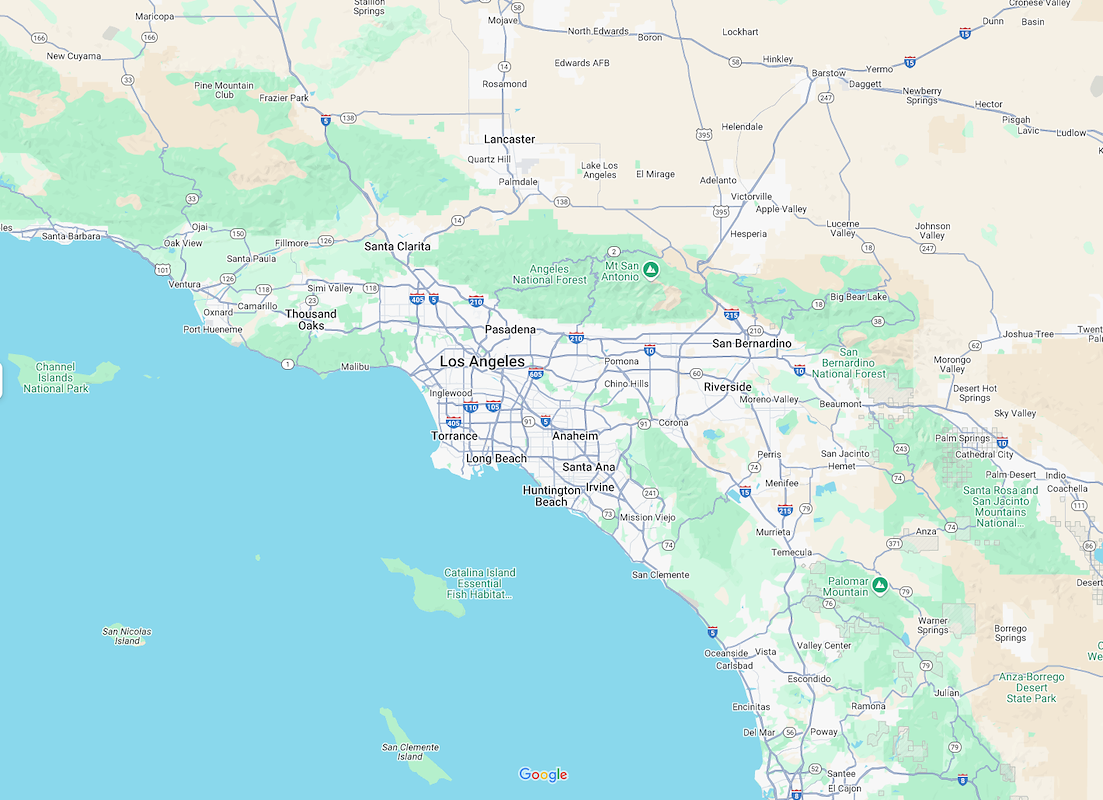
Ontario is a prominent city situated within the western part of San Bernardino County, acting as a primary hub for the Inland Empire region. It is perhaps best known for hosting Ontario International Airport (ONT), a critical gateway for air travel in Southern California, often serving as an alternative to the busier Los Angeles International Airport (LAX). Los Angeles, on the other hand, is the quintessential global city, a cultural and economic powerhouse nestled in Los Angeles County, stretching from the Pacific coast inland.
The direct distance between central Ontario and central Los Angeles typically ranges from 35 to 40 miles, depending on the specific starting and ending points within each city. For instance, traveling from the vicinity of Ontario International Airport (ONT) to Downtown LA covers approximately 38-40 miles. This seemingly manageable distance, however, is notoriously influenced by the unique traffic patterns that define Southern California travel. Under optimal, traffic-free conditions, this drive could theoretically be completed in as little as 45 minutes. Realistically, travelers should anticipate a significantly longer journey, often exceeding an hour, especially during peak travel times.
Calculating Travel Time Across Various Transportation Modes
The choice of transportation method significantly dictates the duration and experience of your journey from Ontario to Los Angeles. Each option presents its own set of advantages and challenges, from the flexibility of driving to the cost-effectiveness of public transit.
By Car: The Most Common Method
Driving remains the most popular way to travel between Ontario and Los Angeles due to the convenience and freedom it offers. Several major freeways connect the two cities, providing multiple route options:
- I-10 (Interstate 10): This is arguably the most direct and widely used route. It runs east-west, seamlessly connecting Ontario through the San Gabriel Valley directly into Downtown LA. The journey along I-10 is typically around 38 miles to Downtown LA.
- CA-60 (State Route 60): Running parallel to I-10 for a significant portion, CA-60 offers an alternative, particularly if your destination in Los Angeles is more southerly or if I-10 experiences heavy congestion. CA-60 eventually merges with or runs alongside I-10 as it approaches the city center.
- I-605 (Interstate 605): For those heading towards the western or southern parts of Los Angeles County (like Long Beach or Orange County adjacent areas), I-605 can be used as a connector from I-10 or CA-60.
Under ideal traffic conditions, the drive can take approximately 45 minutes to 1 hour. However, the notorious Los Angeles traffic can easily stretch this to 1.5 to 2.5 hours, particularly during weekday rush hours (6 AM to 10 AM and 3 PM to 7 PM). Weekend traffic can also be unpredictable, especially around major events or popular coastal destinations like Santa Monica.
Public Transportation: A Viable Alternative
While often slower, public transportation offers a stress-free alternative to driving, eliminating the need to navigate traffic and find parking.
- Metrolink Commuter Rail: This is the primary public transit option for intercity travel. Travelers can board a Metrolink train from stations in or near Ontario (such as Ontario-East or Rancho Cucamonga) and take the San Bernardino Line directly to Los Angeles Union Station in Downtown LA. The train ride itself typically takes between 1 hour and 1 hour 15 minutes. From Union Station, passengers can connect to Metro Rail (subway and light rail) lines or numerous bus routes to reach their final destination within Los Angeles.
- Bus Services: While there isn’t a direct express bus route covering the entire distance, a combination of local bus services like Omnitrans in the Inland Empire and Foothill Transit or Metro Bus within Los Angeles County can be used. However, this often involves multiple transfers and can extend travel time significantly, often taking 2.5 to 3.5 hours or even more, making it less practical for direct travel.
Ride-Sharing and Taxis
Services like Uber and Lyft offer on-demand convenience similar to taxis. The travel time will be comparable to driving a personal car, subject to traffic conditions. The cost, however, can fluctuate dramatically based on demand (surge pricing) and distance, potentially ranging from $50 to $100 or more, making it a more expensive option than public transit or even driving if factoring in gas and parking. These services are particularly popular for travelers connecting between Ontario International Airport (ONT) and destinations in Los Angeles.
Navigating the Journey: Key Considerations for Travelers

Successful travel between Ontario and Los Angeles hinges on a few critical considerations that every traveler should be aware of.
The Unpredictable Los Angeles Traffic
The single most significant factor impacting travel time is Los Angeles’ legendary traffic congestion. It’s not just limited to peak hours; construction, accidents, and special events can cause delays at any time.
- Peak Hours: Avoid driving between 6 AM – 10 AM and 3 PM – 7 PM on weekdays whenever possible. Travel outside these windows will significantly reduce your journey time.
- Real-time Navigation: Always use real-time navigation apps such as Google Maps or Waze. These tools provide the most current traffic conditions, suggest alternative routes to bypass congestion, and offer accurate estimated arrival times. They can be invaluable in saving time and frustration.
- Weekends and Events: While generally better than weekdays, weekend traffic can still be heavy, especially when traveling to popular attractions, beaches, or during major sporting events or concerts. Always check event schedules if your destination is near a large venue.
Parking in Los Angeles
If driving, consider the parking situation at your Los Angeles destination. Parking can be scarce and expensive, particularly in popular areas like Downtown LA, Hollywood, Beverly Hills, or Santa Monica.
- Cost: Daily parking rates in downtown areas can easily exceed $20-$30, sometimes more. Metered street parking is available but often has time limits.
- Availability: Finding a spot, especially during busy times, can be a challenge. Consider parking garages or lots, and be sure to check their hours of operation.
- Public Transit Integration: If driving is necessary for part of your journey, consider parking at a Metrolink station (many offer free parking) and taking the train the rest of the way into Los Angeles, then using Metro Rail for local travel. This strategy can save both time and money on parking.
Travel Purposes and Their Implications
The reason for your travel will also influence your planning.
- Airport Connection: If you’re traveling to or from Ontario International Airport (ONT) to connect to a flight, build in a generous buffer for travel time, especially during peak hours. Delays can be costly for flight connections.
- Business Travel: Punctuality is key for business. Factor in extra time and consider flexible options like ride-sharing for direct door-to-door service if time is of the essence.
- Leisure/Day Trips: If you’re visiting Los Angeles for a day trip from Ontario, plan your itinerary to minimize travel during heavy traffic. Consider heading out early and staying late, or utilizing Metrolink for a relaxed journey into the city.
Making the Most of Your Trip
To ensure a smooth and enjoyable journey between Ontario and Los Angeles, strategic planning is paramount.
Best Times to Travel
- Weekdays: The sweet spot for driving is typically between 10 AM and 2 PM, or after 7 PM. Morning commutes clear up after 10 AM, and the evening rush subsides significantly after 7 PM.
- Weekends: Early mornings (before 9 AM) or late evenings (after 8 PM) are generally the best times to avoid congestion. Mid-day and early evening on weekends can see significant traffic, especially on routes leading to popular attractions or coastal areas.
Essential Travel Tips
- Always Check Traffic: Before you leave, check current traffic conditions using a reliable navigation app. This allows you to choose the best route or adjust your departure time.
- Consider Carpooling or Ridesharing: If traveling with others, carpooling can save on fuel and potentially allow access to carpool lanes (HOV lanes), which can sometimes offer a quicker journey.
- Pack Essentials: Especially for longer drives, ensure you have water, snacks, and a fully charged phone. Breakdowns or unexpected delays are less stressful when prepared.
- Embrace Public Transit for Specific Needs: If your destination is near a Metro Rail station in Los Angeles, taking Metrolink can be an excellent strategy. It eliminates parking hassles and allows you to relax or work during your commute.
In conclusion, while Ontario, California and Los Angeles are geographically close, the practical reality of travel between them is highly dependent on timing, transportation choice, and awareness of Southern California’s unique traffic dynamics. By planning ahead and leveraging available tools and public transit options, travelers can efficiently navigate this busy corridor and make the most of their journey across the diverse landscape of the region.
LifeOutOfTheBox is a participant in the Amazon Services LLC Associates Program, an affiliate advertising program designed to provide a means for sites to earn advertising fees by advertising and linking to Amazon.com. Amazon, the Amazon logo, AmazonSupply, and the AmazonSupply logo are trademarks of Amazon.com, Inc. or its affiliates. As an Amazon Associate we earn affiliate commissions from qualifying purchases.