
The journey between California’s state capital, Sacramento, and its iconic Bay Area metropolis, San Francisco, is a frequently traveled route, central to both regional commuting and leisure exploration. Understanding the distance and various travel options is key for anyone planning to navigate this vibrant corridor. While seemingly straightforward, the actual travel experience can vary greatly depending on the chosen mode of transport, time of day, and desired detours. This article delves into the specifics of this connection, offering insights for a smooth and enjoyable passage.
The Geographic Connection: Distance and Driving Time
The direct line distance between Sacramento and San Francisco doesn’t fully capture the road travel experience. The practical driving distance is typically around 85 to 90 miles (approximately 137 to 145 kilometers), depending on the specific starting and ending points within each city. This proximity makes day trips or weekend excursions between the two destinations highly feasible.

Direct Route: The I-80 Corridor
The primary artery connecting Sacramento and San Francisco is Interstate 80 (I-80). This major freeway efficiently links the Central Valley with the Bay Area, traversing through a mix of agricultural landscapes, suburban towns, and industrial zones before offering panoramic views as it approaches the San Francisco Bay. Under ideal traffic conditions, a drive along I-80 would typically take between 1 hour and 30 minutes to 2 hours.
Factors Affecting Travel Time
Several elements can significantly impact the actual travel time:
- Traffic Congestion: The most significant factor is traffic. During peak commute hours (roughly 6 AM to 9 AM and 3 PM to 6 PM on weekdays), especially approaching and departing the Bay Area bridges (like the Bay Bridge or the Carquinez Bridge), travel times can easily extend to 2.5 to 3 hours, or even longer in severe cases. Weekends generally see lighter traffic, but special events in either city can also lead to delays.
- Construction: Road maintenance and improvement projects on I-80 are common, especially around major interchanges or bridge approaches. These can cause lane closures and slowdowns.
- Weather Conditions: While California is known for its sunshine, fog in the Bay Area or heavy rain can reduce visibility and necessitate slower speeds, adding to travel time.
- Tolls: While not affecting time directly, it’s important to note that tolls are collected when entering San Francisco via the Bay Bridge. This is typically an electronic toll (e.g., FasTrak), so cash is often not an option.
Navigating the Route: Transportation Options
Travelers have a diverse array of options for journeying between Sacramento and San Francisco, each offering distinct advantages in terms of cost, convenience, and experience.
Driving: Flexibility and Scenic Views
Driving remains the most popular choice for many, primarily due to the flexibility it offers. Having a personal vehicle allows for spontaneous stops, detours, and the ability to explore destinations beyond the immediate city centers. Renting a car is also a viable option for those flying into Sacramento International Airport or San Francisco International Airport. The route itself, particularly as it approaches the Bay Area, can offer impressive vistas of the water and urban skyline.
Public Transportation: Train and Bus Services
For those preferring not to drive, or who want to avoid traffic and parking hassles, public transportation presents excellent alternatives.
- Train (Amtrak Capitol Corridor): The Amtrak Capitol Corridor service is a highly recommended option. Trains run frequently throughout the day, offering a comfortable and scenic journey. The train ride typically takes around 2 hours and 30 minutes to 3 hours from Sacramento Valley Station to the Emeryville station. From Emeryville, Amtrak provides dedicated Thruway Bus connections directly into various points in San Francisco, including the Salesforce Transit Center and Fisherman’s Wharf. This combination offers a seamless door-to-door experience, allowing travelers to relax, work, or enjoy the views without the stress of driving.
- Bus Services: Several intercity bus companies, such as Greyhound and FlixBus, operate routes between Sacramento and San Francisco. These services are often more budget-friendly than train travel, with journey times comparable to driving, subject to traffic. Bus stops are typically centrally located in both cities, making them convenient for local access.
Rideshares and Private Shuttles
For those seeking convenience without the commitment of renting a car, rideshare services like Uber and Lyft are readily available. While more expensive than public transport, they offer direct, on-demand travel. Private shuttle services also cater to groups or individuals looking for a more personalized or luxurious transfer experience. It’s advisable to book these in advance, especially for specific times.
Flying: A Less Common but Faster Option
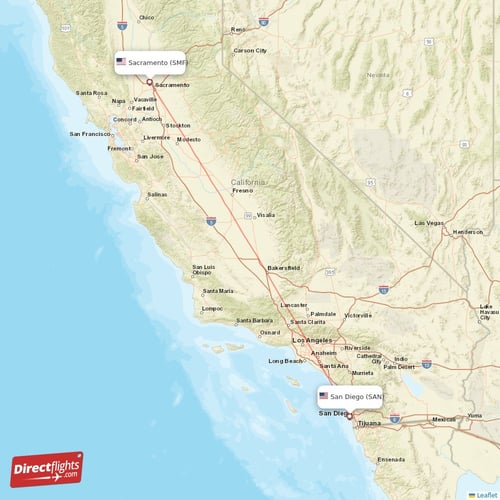
While both cities have airports (Sacramento International Airport (SMF) and San Francisco International Airport (SFO)), direct flights between Sacramento and San Francisco are rare, as the ground distance is relatively short. Typically, flying would involve connecting flights, making it a much longer and more expensive option than ground transportation for this specific route. It is generally only considered if one is connecting to a longer flight originating from SFO.
Exploring the Journey: Stopovers and Scenic Detours
The route from Sacramento to San Francisco offers several opportunities for interesting stopovers, transforming a simple drive into a mini-exploration of Northern California.
Davis: A University Town Gem
Just west of Sacramento lies the charming city of Davis, home to the University of California, Davis. Known for its bicycle-friendly culture and vibrant downtown, Davis is an excellent spot for a quick break. Enjoy a coffee at a local café, stroll through the arboretum on the UC Davis campus, or visit the Explorit Science Center.
Fairfield and Vacaville: Wine Country Gateway
Further along I-80, cities like Fairfield and Vacaville serve as gateways to the broader Northern California wine regions. While not as famous as Napa Valley or Sonoma Valley, these areas offer their own wineries and tasting rooms, providing a pleasant detour for wine enthusiasts. Fairfield is also home to the Jelly Belly Factory, a fun stop for families.
The Carquinez Strait and Benicia: Historic Waterfronts
As you cross the Carquinez Strait via its impressive bridges, consider a slight detour to the historic city of Benicia. Once a state capital itself, Benicia boasts a charming waterfront, historic architecture, and unique shops and art galleries. It’s a peaceful contrast to the bustling freeway.
The Bay Area Approach: Views of the Skyline
Approaching San Francisco from the east offers some of the most breathtaking views. As you traverse the Oakland and Berkeley areas, the iconic San Francisco skyline slowly emerges across the Bay, with the majestic Bay Bridge leading the way. Timing your drive to coincide with sunset can provide a truly unforgettable experience as the city lights begin to twinkle.
Beyond the Drive: Why Travel Between Sacramento and San Francisco?
The enduring appeal of travel between these two California hubs stems from their distinct characteristics and complementary attractions. Whether for business, leisure, or family visits, the journey is often more than just getting from point A to point B; it’s about connecting with the diverse fabric of the state.
Sacramento: The State Capital’s Charms
Sacramento offers a rich historical experience, centered around Old Sacramento Waterfront and the California State Capitol Museum. Its burgeoning farm-to-fork dining scene, vibrant arts community, and proximity to the Gold Country and Lake Tahoe make it a destination in its own right. Travelers from the Bay Area often head to Sacramento for its more laid-back pace, affordable attractions, and access to outdoor adventures along the American River.
San Francisco: Iconic Urban Exploration
San Francisco is a world-renowned city, famous for its rolling hills, cable cars, the Golden Gate Bridge, and unique neighborhoods like Chinatown and Haight-Ashbury. Its vibrant culinary scene, diverse cultural institutions, and iconic landmarks such as Alcatraz Island, Fisherman’s Wharf, and Golden Gate Park draw millions of tourists annually. For Sacramento residents, San Francisco provides an unparalleled urban escape, offering world-class entertainment, shopping, and dining experiences that are just a short trip away.

Commuting and Regional Connectivity
Beyond tourism, the corridor serves as a vital link for commuters, students, and business travelers. Many individuals live in one area and work in the other, taking advantage of more affordable housing in the Central Valley while accessing job opportunities in the Bay Area. This constant flow highlights the intrinsic connection between these two pivotal California cities, making the question of “how far” not just about distance, but about bridging two distinct but interconnected regions. Understanding the travel logistics allows for efficient planning, whether embarking on a daily commute or a memorable weekend getaway.
LifeOutOfTheBox is a participant in the Amazon Services LLC Associates Program, an affiliate advertising program designed to provide a means for sites to earn advertising fees by advertising and linking to Amazon.com. Amazon, the Amazon logo, AmazonSupply, and the AmazonSupply logo are trademarks of Amazon.com, Inc. or its affiliates. As an Amazon Associate we earn affiliate commissions from qualifying purchases.