
Embarking on a journey from the sun-kissed coasts of California to the vast expanses of Texas involves traversing a significant portion of the North American continent. The exact duration of your flight is not a single, fixed number but rather a dynamic estimate influenced by a variety of factors. Understanding these elements is key to planning an efficient and comfortable travel experience, whether your trip is for business, leisure, or family visits. This comprehensive guide delves into what determines flight times between these two major states, offering insights to help you prepare for your aerial adventure.

Understanding Flight Duration Factors
The perceived simplicity of a flight from point A to point B belies a complex interplay of variables that dictate how long you’ll actually spend in the air. For a route as popular and geographically extensive as California to Texas, these factors become particularly significant.
Geographical Span and Origin/Destination Cities
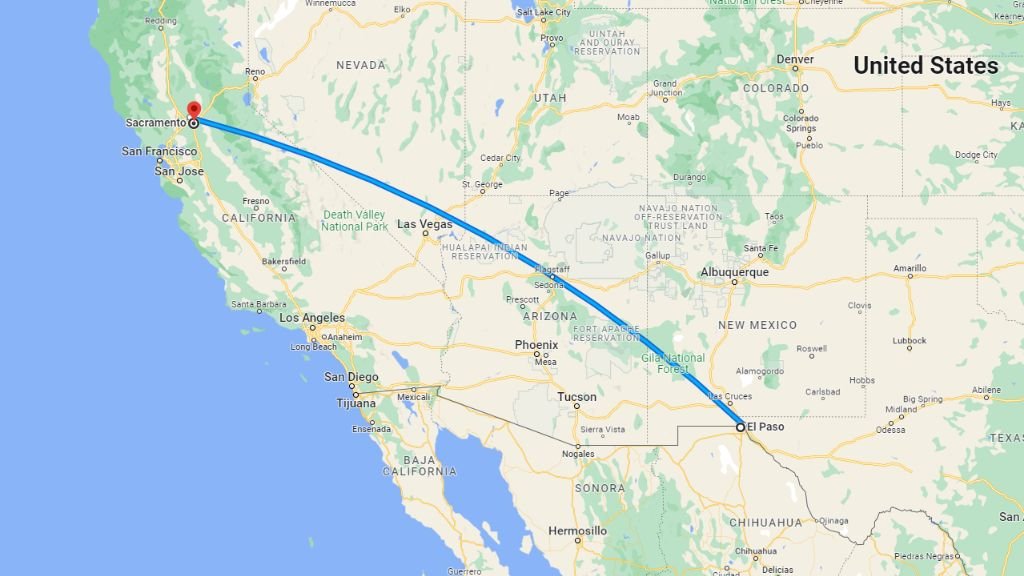
California and Texas are two of the largest states in the U.S. by both area and population, meaning there’s a considerable distance even within each state. The specific cities of departure and arrival play the most crucial role in determining flight length. For instance, a flight from San Diego in Southern California to El Paso in West Texas will be considerably shorter than one from San Francisco in Northern California to Houston in Southeast Texas. The direct distance, also known as great-circle distance, is the primary baseline for flight time calculations.
Type of Flight: Non-stop vs. Connecting
This is perhaps the most impactful factor on your overall travel time.
- Non-stop flights offer the most direct route, taking passengers from their origin to destination without any intermediate stops. These flights are generally the quickest way to travel between California and Texas.
- Connecting flights, on the other hand, involve one or more layovers at an intermediate airport. While often more budget-friendly, connecting flights significantly extend total travel time. The layover duration can range from less than an hour to several hours, sometimes even overnight, adding substantial time to the journey. A flight that might take 2.5-3 hours non-stop could easily become a 6-10 hour travel day with a single layover, and even longer with multiple stops.
Aircraft Speed and Air Traffic
Modern commercial aircraft typically cruise at speeds between 500-600 miles per hour (800-965 km/h). However, the actual time in the air can be affected by the specific aircraft model, as well as air traffic control directives. Busy airspace around major hubs like Los Angeles International Airport (LAX) or Dallas/Fort Worth International Airport (DFW) can lead to holding patterns, delayed takeoffs, or reroutes, adding minutes or even hours to the flight time.
Weather Conditions and Jet Streams
Nature plays an unpredictable role. Headwinds (winds blowing against the direction of travel) can slow an aircraft down, increasing flight time, while tailwinds (winds blowing in the same direction) can offer a boost, shortening the journey. The prevailing jet stream often flows from west to east across the United States. This means flights from California to Texas might occasionally benefit from tailwinds, making the eastbound journey slightly quicker than a comparable westbound flight (though this effect is more pronounced on longer transcontinental routes). Adverse weather conditions like thunderstorms, heavy fog, or strong winds can also necessitate rerouting or delays, further impacting the flight duration.
Typical Flight Times Between Major Cities
To provide a clearer picture, let’s explore common non-stop flight durations between major metropolitan areas in California and Texas. Keep in mind these are approximate air times and do not include boarding, taxiing, or deplaning.
Flights from Southern California to Texas
Southern California is a major travel hub, with Los Angeles and San Diego serving as primary departure points. Texas boasts several large airports, making direct travel widely available.
-
From Los Angeles (LAX, Long Beach Airport (LGB), John Wayne Airport (SNA), Hollywood Burbank Airport (BUR)):
- To Dallas (DFW or Dallas Love Field (DAL)): Approximately 2 hours 45 minutes to 3 hours 15 minutes.
- To Houston (George Bush Intercontinental Airport (IAH) or William P. Hobby Airport (HOU)): Approximately 3 hours to 3 hours 30 minutes.
- To Austin (Austin-Bergstrom International Airport (AUS)): Approximately 3 hours to 3 hours 20 minutes.
- To San Antonio (San Antonio International Airport (SAT)): Approximately 3 hours 5 minutes to 3 hours 25 minutes.
- To El Paso (El Paso International Airport (ELP)): Approximately 1 hour 50 minutes to 2 hours 15 minutes.
-
From San Diego (San Diego International Airport (SAN)):
- To Dallas (DFW or DAL): Approximately 2 hours 40 minutes to 3 hours 10 minutes.
- To Houston (IAH or HOU): Approximately 2 hours 55 minutes to 3 hours 25 minutes.
- To Austin (AUS): Approximately 2 hours 50 minutes to 3 hours 15 minutes.
Flights from Northern California to Texas
Northern California hubs like San Francisco and Oakland serve a broad range of destinations across Texas.
-
From San Francisco (San Francisco International Airport (SFO)):
- To Dallas (DFW or DAL): Approximately 3 hours 5 minutes to 3 hours 35 minutes.
- To Houston (IAH or HOU): Approximately 3 hours 20 minutes to 3 hours 50 minutes.
- To Austin (AUS): Approximately 3 hours 10 minutes to 3 hours 40 minutes.
-
From Oakland (Oakland International Airport (OAK)) or Sacramento (Sacramento International Airport (SMF)):
- Flight times from these airports will be very similar to those from San Francisco, typically ranging from 3 hours 10 minutes to 4 hours depending on the specific Texas city.
Variations for Smaller Airports
While major international airports offer the most direct routes, smaller regional airports in both California and Texas can also be part of your travel plan. Flights to or from these airports are more likely to involve connections, thereby increasing overall travel time. For example, flying from Bakersfield (BFL) to Lubbock (LBB) would almost certainly involve a layover at a major hub like Phoenix or Dallas, easily extending the journey to 5-8 hours.
Maximizing Your Flight Experience
Knowing the potential flight durations allows you to make informed decisions that enhance your travel experience. Strategic planning can save you time and reduce stress.
Choosing the Right Airport Pair
Consider not just the major airports but also smaller, often less congested alternatives. For example, flying into Dallas Love Field (DAL) might be more convenient if your final destination is Downtown Dallas, potentially saving significant ground travel time compared to arriving at DFW. Similarly, in Southern California, opting for Long Beach Airport (LGB) or John Wayne Airport (SNA) can sometimes offer a smoother experience than navigating LAX, depending on your specific departure point. While these smaller airports might have fewer non-stop options, they can sometimes surprisingly offer competitive flight times due to reduced taxiing and security wait times.
Booking Non-stop vs. Considering Layover Benefits
While non-stop flights are unequivocally faster in terms of air time, connecting flights can offer other advantages. They are often more affordable, making them attractive for budget-conscious travelers. Furthermore, a well-timed layover can be an opportunity to stretch your legs, grab a meal, or even briefly explore a new city if the layover is long enough. For travelers who find longer direct flights challenging, a planned stop can break up the journey into more manageable segments. When booking, always compare the total travel time, including layovers, against the cost difference to make the best decision for your needs.
In-flight Comfort and Preparation
For flights of 2.5 to 4 hours, comfort becomes a priority.
- Entertainment: Download movies, TV shows, podcasts, or e-books before you depart. Many airlines offer in-flight entertainment, but having your own ensures options even on shorter flights.
- Comfort items: A neck pillow, eye mask, and noise-canceling headphones can make a world of difference for relaxation. Wear comfortable clothing and layers, as cabin temperatures can vary.
- Hydration and snacks: Bring a reusable water bottle to fill after security and pack some healthy snacks to avoid reliance on expensive airport or in-flight options.
- Stay connected (optional): Many airlines now offer Wi-Fi for purchase, allowing you to stay productive or entertained. However, consider it an opportunity to disconnect and relax.
Beyond the Flight: Travel Planning Considerations
The total “journey time” extends beyond just the wheels-up to wheels-down duration. Several other elements contribute to how long your travel day truly feels.
Airport Arrival and Departure Times
Always factor in ample time for airport procedures. For domestic flights, arriving 1.5 to 2 hours before your scheduled departure is a standard recommendation to account for check-in, security screening, and potential delays. Arriving at your destination involves deplaning, retrieving luggage, and navigating ground transportation. These processes can easily add another 30-60 minutes or more to your overall travel experience.
Time Zone Changes
When flying from California (Pacific Time Zone) to Texas (Central Time Zone), you will gain two hours. This means if you depart Los Angeles at 9:00 AM PST on a 3-hour flight, you will arrive in Dallas around 2:00 PM CST (9 AM + 3 hours flight + 2 hours time change = 2 PM). This time difference can affect immediate plans upon arrival and might require a slight adjustment to avoid jet lag, though it’s typically less severe than transcontinental or international travel.
Ground Transportation at Your Destination
Once your flight lands, the journey isn’t over. Consider how much time it will take to get from the airport to your final destination. Research public transportation options, ride-sharing services, or rental car arrangements in advance. Traffic conditions, especially in sprawling cities like Dallas, Houston, or Los Angeles, can significantly add to your post-flight travel time.
In conclusion, a non-stop flight from California to Texas typically ranges from 2.5 to 4 hours in the air, depending on the specific origin and destination cities. However, the comprehensive travel experience, from leaving your home to arriving at your final stop, will encompass many more variables, making careful planning essential for a smooth and enjoyable trip.
LifeOutOfTheBox is a participant in the Amazon Services LLC Associates Program, an affiliate advertising program designed to provide a means for sites to earn advertising fees by advertising and linking to Amazon.com. Amazon, the Amazon logo, AmazonSupply, and the AmazonSupply logo are trademarks of Amazon.com, Inc. or its affiliates. As an Amazon Associate we earn affiliate commissions from qualifying purchases.