
Understanding the Aerial Span Between Two Giants
The United States is a vast country, spanning thousands of miles from coast to coast, encompassing diverse landscapes, climates, and cultures. Two of its most prominent states, Texas and California, represent distinct American experiences, from the expansive deserts and bustling metropolises of the Southwest to the iconic beaches, tech hubs, and majestic mountains of the West Coast. While a road trip between these two titans could take days, air travel offers a dramatically faster alternative, transforming what once seemed like an insurmountable journey into a comfortable few hours. For travelers planning to cross this significant geographical divide, understanding the precise aerial distance and typical flight durations is crucial for efficient trip planning.

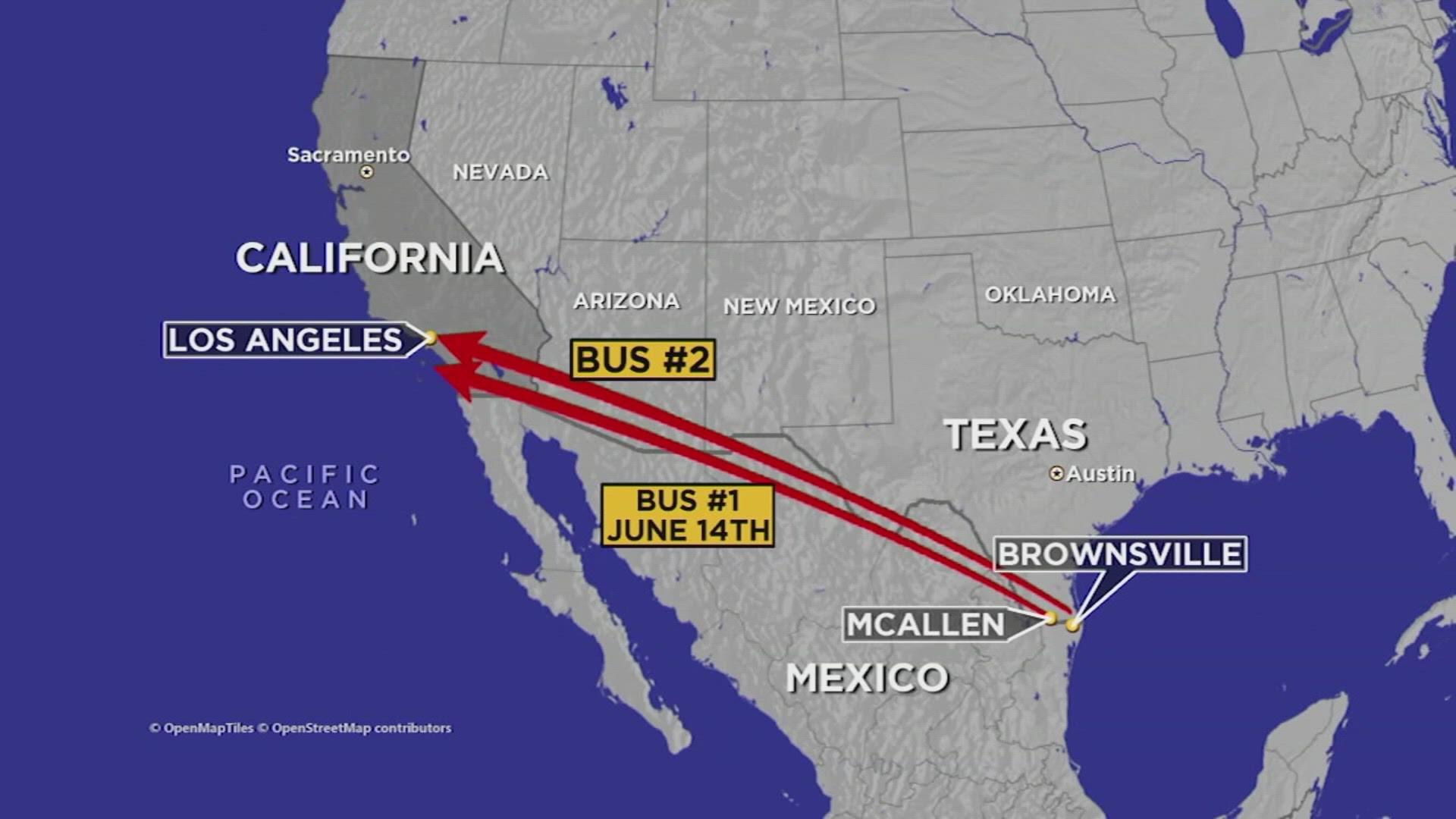
The sheer size of both states contributes to the considerable distance. Texas is the second-largest state by area and population, stretching from its eastern border with Louisiana to its western border with New Mexico. California, while smaller in area, is the most populous state, running along the entire length of the Pacific coastline. This extensive geographical spread means that the exact flight distance and time can vary significantly depending on the specific departure and arrival cities chosen within each state. However, the general consensus places the flight time for non-stop journeys somewhere between three to four hours, covering an air distance ranging from approximately 1,200 to 1,600 miles. This journey effectively connects the heart of the American South-Central region with the vibrant Pacific rim.
Typical Flight Durations and Distances
When considering air travel between Texas and California, the primary concern for most travelers is the duration of the flight. This largely depends on whether the flight is non-stop or includes connections, and the specific airports involved.
Non-stop Flights: The Quickest Path
Non-stop flights offer the most direct and efficient way to travel between Texas and California. These routes are typically operated between major metropolitan hubs in both states, connecting large population centers and business districts.
For instance, a non-stop flight from Dallas/Fort Worth International Airport (DFW) or George Bush Intercontinental Airport (IAH) in Houston to Los Angeles International Airport (LAX) in California usually takes approximately 3 hours to 3 hours and 30 minutes. The aerial distance for such a route is around 1,200 to 1,400 miles (approximately 1,930 to 2,250 kilometers).
Similarly, flying from major Texas airports to San Francisco International Airport (SFO) or Norman Y. Mineta San José International Airport (SJC) in the Bay Area tends to be slightly longer, often ranging from 3 hours and 30 minutes to 4 hours. The greater distance to Northern California translates to roughly 1,400 to 1,600 miles (approximately 2,250 to 2,575 kilometers) in air miles.
These times represent the actual airborne duration and do not include the time spent at the airport for check-in, security, boarding, or deplaning.
Connecting Flights: Added Time, Wider Options
While non-stop flights are ideal for speed, connecting flights are a common reality for many travelers. These flights involve a layover at an intermediate airport, which can add significant time to the overall journey. The total travel time for a connecting flight can range anywhere from 5 hours to 8+ hours, depending on the length of the layover and the route taken.
Connecting flights might be necessary for several reasons:
- Cost-effectiveness: Often, flights with one or more layovers are cheaper than direct flights, especially if booked in advance or during off-peak seasons.
- Route availability: For smaller airports in either Texas or California, direct flights to major hubs in the other state might not exist, necessitating a connection.
- Scheduling flexibility: Connecting flights can sometimes offer more convenient departure or arrival times that align better with a traveler’s schedule.
Common connecting hubs for flights between Texas and California often include Phoenix Sky Harbor International Airport (PHX), Denver International Airport (DEN), or Salt Lake City International Airport (SLC).
Factors Influencing Flight Time
Several variables can influence the actual flight time, sometimes adding a few minutes or even an hour to the estimated duration:
- Wind Speed and Direction: The powerful jet stream, a high-altitude air current, generally flows from west to east across the United States. This means flights from California to Texas (eastbound) often benefit from tailwinds, making them slightly shorter, while westbound flights from Texas to California might face headwinds, potentially extending the journey.
- Aircraft Type: Different aircraft models have varying cruising speeds. A newer, more aerodynamic plane might complete the journey slightly faster than an older model, though this difference is usually marginal for short to medium-haul domestic flights.
- Air Traffic Control (ATC) Delays: Congestion at busy airports, especially LAX or DFW, can lead to delays in takeoff or holding patterns before landing, extending the overall trip duration.
- Specific Route Optimization: Airlines adjust flight paths based on weather, air traffic, and fuel efficiency, which can lead to minor variations in the actual flight time.
Major Air Hubs Connecting Texas and California
The vast network of air travel between Texas and California is facilitated by numerous airports, with several standing out as primary gateways due to their size, volume of traffic, and extensive flight offerings.
Key Airports in Texas
- Dallas/Fort Worth International Airport (DFW): Located between Dallas and Fort Worth, DFW is one of the busiest airports in the world and a major hub for American Airlines. It offers an extensive number of daily non-stop flights to various cities in California.
- George Bush Intercontinental Airport (IAH): Serving the metropolitan area of Houston, IAH is a significant hub for United Airlines. It provides numerous direct connections to key California destinations.
- Austin-Bergstrom International Airport (AUS): As the capital city of Texas continues to grow, Austin‘s airport has expanded its services, offering a good selection of direct flights to California, particularly to tech-centric cities like San Jose and San Francisco.
- San Antonio International Airport (SAT): Serving San Antonio, this airport also provides several non-stop options to California cities, albeit with fewer frequencies than DFW or IAH.
Key Airports in California
- Los Angeles International Airport (LAX): LAX is the primary international airport serving Los Angeles and the greater Southern California area. It is a major hub for American Airlines, Delta Air Lines, and United Airlines, offering an extensive array of non-stop flights to all major Texas airports.
- San Francisco International Airport (SFO): Located just south of San Francisco, SFO is a key gateway to the Bay Area and Northern California. It serves as a major hub for United Airlines and Alaska Airlines, with frequent direct flights to Texas hubs.
- San Diego International Airport (SAN): Serving San Diego and its surrounding areas, SAN offers numerous direct connections to Texas, catering to both leisure and business travelers.
- Oakland International Airport (OAK): Located across the bay from San Francisco, OAK is a popular choice for travelers seeking potentially lower fares and often less congestion, especially for Southwest Airlines passengers. It has strong direct routes to Texas.
- Norman Y. Mineta San José International Airport (SJC): Situated in Silicon Valley, SJC is a convenient option for business travelers and residents of the South Bay. It provides direct flights to major Texas cities.
Planning Your Aerial Journey: Tips for Travelers
Efficient travel planning can significantly enhance your experience when flying between Texas and California. Beyond knowing the flight times, a few strategic considerations can make a difference.
Best Time to Book
Airfare prices fluctuate significantly based on demand, seasonality, and how far in advance you book. Generally, booking 2-3 months ahead for domestic flights can yield better prices. Avoid peak travel seasons like major holidays, spring break, or summer if possible, as fares tend to be higher. Mid-week flights (Tuesday-Thursday) are often cheaper than weekend travel. Setting up fare alerts with various airline or travel aggregate websites can help you snag a deal as soon as prices drop.
Airline Choices
Several major airlines operate numerous daily flights between Texas and California, each offering different experiences and price points.
- Full-Service Carriers: American Airlines, United Airlines, and Delta Air Lines offer comprehensive services, including various class options, in-flight entertainment, and loyalty programs. They typically serve the major hubs mentioned previously.
- Low-Cost Carriers: Southwest Airlines is a popular choice for this route, known for its flexible baggage policy (two free checked bags) and no change fees. Alaska Airlines also provides extensive service between the West Coast and Texas. These airlines can offer competitive fares, but travelers should be aware of their specific policies and any additional fees for services.
Consider your priorities—whether it’s cost, convenience, baggage allowance, or specific loyalty program benefits—when selecting an airline.
In-Flight Experience and Preparation
For a typical 3 to 4-hour flight, preparation can ensure a comfortable journey.
- Snacks and Hydration: While some airlines offer complimentary beverages and snacks, bringing your own can save money and cater to specific dietary needs. Staying hydrated is always important during air travel.
- Entertainment: Download movies, TV shows, podcasts, or e-books onto your devices before departure. Although many flights now offer Wi-Fi or seat-back entertainment, having offline options is always a good backup.
- Comfort Items: A neck pillow, eye mask, and noise-canceling headphones can significantly improve your comfort, especially if you plan to rest.
- Time Zone Adjustment: Remember that California operates on Pacific Time, which is two hours behind Central Time in most of Texas. Adjusting your watch or phone upon departure can help you acclimate quickly and plan your activities upon arrival. An evening flight from Texas might mean arriving earlier in the evening in California local time, giving you more evening hours.
Beyond the Flight: Why Travel Between Texas and California?
The ease of air travel between Texas and California facilitates a vibrant exchange for both business and leisure. California entices visitors with its iconic beaches, world-renowned theme parks like Disneyland in Anaheim, the glamour of Hollywood, the innovation of Silicon Valley, and breathtaking national parks such as Yosemite and Joshua Tree. Meanwhile, Texas offers a unique blend of Southern charm and Western grit, with rich history in San Antonio, a burgeoning tech scene in Austin, the bustling energy of Dallas, and the diverse culinary delights of Houston. Whether for professional engagements, family visits, or embarking on a memorable vacation, the aerial connection between these two dynamic states makes exploring the best of the US readily accessible.
LifeOutOfTheBox is a participant in the Amazon Services LLC Associates Program, an affiliate advertising program designed to provide a means for sites to earn advertising fees by advertising and linking to Amazon.com. Amazon, the Amazon logo, AmazonSupply, and the AmazonSupply logo are trademarks of Amazon.com, Inc. or its affiliates. As an Amazon Associate we earn affiliate commissions from qualifying purchases.