
Securing appropriate accommodation in California, whether it’s a vibrant apartment in Los Angeles or a charming home in San Francisco, involves more than just signing a lease. Protecting your belongings and mitigating financial risks associated with your long-term stay is crucial. Renters insurance, often overlooked, provides a vital safety net for individuals renting homes, apartments, or condominiums across the Golden State. It’s an essential component of responsible accommodation, offering peace of mind against unforeseen circumstances that could otherwise lead to significant personal expense.
Understanding Core Protections for Your California Accommodation
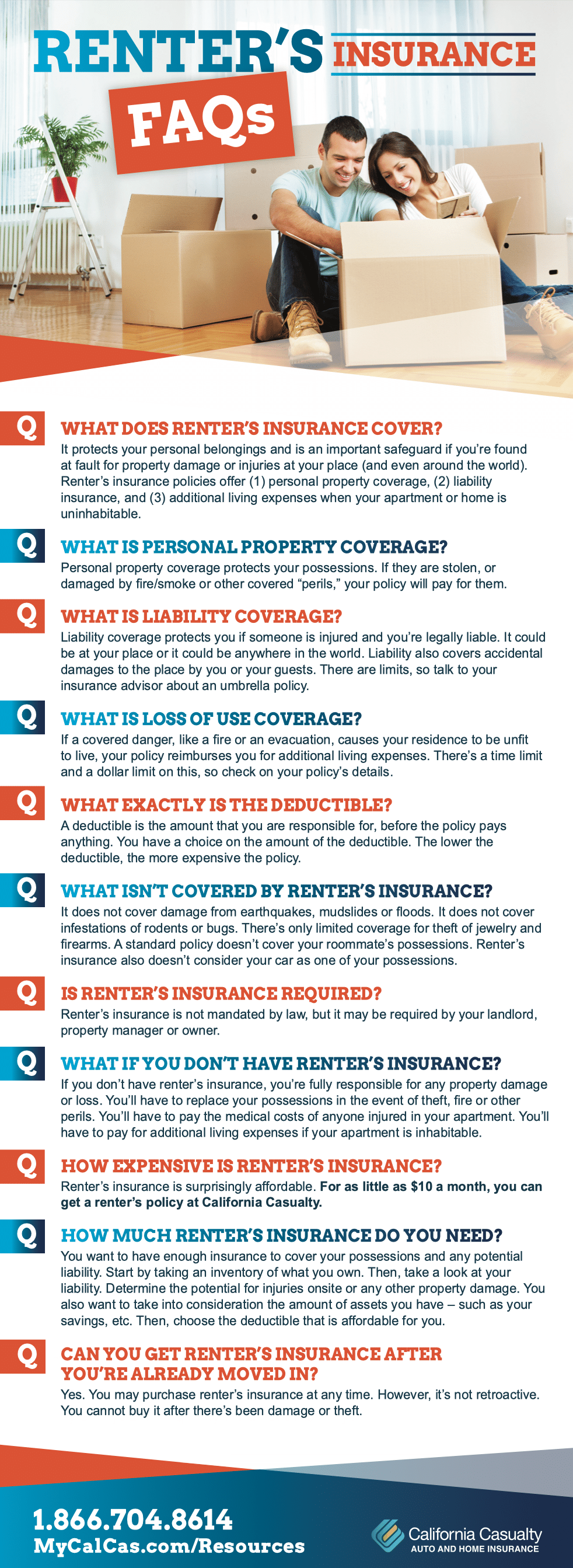
Renters insurance policies in California typically come with several standard coverage types designed to protect you, your possessions, and your financial well-being within your rented space. These core protections are the foundation of any comprehensive policy, safeguarding your chosen accommodation and everything within it.
Personal Property Coverage: Safeguarding Your Belongings
Perhaps the most recognized component of renters insurance, personal property coverage protects your possessions inside your rented dwelling and, in many cases, even when they’re temporarily outside your home. Imagine a fire engulfs your apartment, a burglar breaks in, or your laptop is stolen from your car while parked at your rental property; this coverage steps in to help replace your lost or damaged items.
Policies generally cover losses from a list of “perils,” which commonly include fire, smoke, theft, vandalism, windstorms, and certain types of water damage (like a burst pipe, but not floodwaters). When evaluating personal property coverage, it’s critical to understand the difference between actual cash value (ACV) and replacement cost value (RCV):
- Actual Cash Value (ACV): This pays out the depreciated value of your belongings. For instance, if your five-year-old television is stolen, ACV would cover its current market value, not the cost to buy a new one. This often means a lower premium but also a smaller payout in the event of a claim.
- Replacement Cost Value (RCV): This offers a more comprehensive payout, covering the cost to replace your damaged or stolen items with new ones of similar kind and quality, without deduction for depreciation. While RCV policies usually have higher premiums, they provide better financial protection, allowing you to fully restore your living space after a loss.
Given the diverse range of personal assets tenants accumulate during long-term stays, ensuring adequate personal property coverage, ideally with RCV, is a wise investment for any California renter.
Liability Coverage: Protecting Against the Unexpected
Beyond your personal possessions, renters insurance offers crucial liability protection, which is perhaps the most significant financial safeguard for your accommodation arrangements. This coverage protects you financially if you are found responsible for causing bodily injury to another person or damage to someone else’s property, whether it occurs within your rented home or sometimes even away from it.
Key aspects of liability coverage include:
- Medical Expenses for Guests: If a guest slips and falls in your apartment and sustains an injury, your liability coverage can help pay for their medical bills, preventing you from facing potentially massive out-of-pocket costs.
- Property Damage to Others: Should your child accidentally break a neighbor’s window, or if a kitchen fire originating in your unit causes damage to an adjacent apartment, your liability coverage would help cover the repair or replacement costs.
- Legal Defense Costs: If you are sued as a result of an incident covered by your policy, your renters insurance can also help cover legal fees, court costs, and any judgments or settlements, up to your policy’s limits.
Landlords in California often require tenants to carry a minimum amount of liability coverage, recognizing that it protects not only the tenant but also indirectly mitigates risks to the rental property itself.
Key Additional Coverages Enhancing Your Rental Security
While personal property and liability form the bedrock, renters insurance policies in California often include or allow for the addition of other vital coverages that further enhance the security of your accommodation and lifestyle.
Loss of Use (Additional Living Expenses): When Your Home is Uninhabitable
Should a covered peril, like a fire or significant water damage, render your rented accommodation uninhabitable, Loss of Use coverage, also known as Additional Living Expenses (ALE), steps in. This invaluable protection covers the necessary and reasonable increase in living expenses incurred while your rental unit is being repaired or rebuilt.
This can include:
- Temporary Housing: Costs for hotel stays or short-term rental accommodations.
- Food Expenses: The difference between your normal grocery bill and the cost of eating out.
- Laundry Services: If your temporary accommodation doesn’t have laundry facilities.
- Other Essential Services: Any other necessary expenses you wouldn’t normally incur if you were living in your own home.
For those in California’s often high-cost housing markets, this coverage is paramount. Being forced out of your home without ALE could lead to significant financial strain on top of dealing with property damage.
Medical Payments to Others: Minor Injuries Made Simple
Distinct from liability coverage, Medical Payments to Others coverage provides a smaller, no-fault payment for medical expenses if a guest is injured on your rented property, regardless of who was at fault. This coverage is typically for minor injuries and can often resolve small claims without needing to involve the liability portion of your policy or determine negligence. It’s a convenient way to cover immediate medical treatment for small incidents, preventing them from escalating into larger liability claims.
Scheduled Personal Property: High-Value Items Requiring Special Attention

For renters with high-value items such as expensive jewelry, fine art, collectibles, musical instruments, or designer goods, standard personal property coverage might have limits that are too low. Scheduled Personal Property, or an “endorsement,” allows you to list specific items and insure them for their appraised value, often with broader coverage than standard personal property. This means these items are protected against a wider range of perils and might even include accidental loss. It’s particularly important for renters in California who often accumulate valuable personal effects over the course of their long-term stays.
California-Specific Risks and How Renters Insurance Responds
Renting in California comes with unique environmental considerations. The state is renowned for its diverse climate and natural beauty, but also for specific natural perils that mandate a careful review of any insurance policy.
Earthquake and Flood Exclusions: A Critical California Nuance
One of the most crucial aspects for any California renter to understand is that standard renters insurance policies do not cover damage from earthquakes or floods. Given California’s active seismic zones and vulnerability to coastal and riverine flooding, this is a significant exclusion.
- Earthquake Coverage: To protect your personal property from earthquake damage, you would need to purchase a separate earthquake insurance policy or an endorsement to your renters policy. The California Earthquake Authority (CEA) is a common provider for this specialized coverage.
- Flood Coverage: Similarly, flood damage is excluded from standard policies. Coverage for floods must be purchased separately through the National Flood Insurance Program (NFIP) or a private insurer. Even if your rented property isn’t in a high-risk flood zone, unexpected heavy rains can cause localized flooding, making this a worthwhile consideration.
Understanding these exclusions is vital for comprehensively protecting your accommodation and its contents in California.
Understanding California’s Unique Climate and Risks
Beyond earthquakes and floods, California faces other environmental challenges that impact renters insurance:
- Wildfires: Unlike earthquakes and floods, damage from wildfires is typically covered under the standard perils section of a renters insurance policy. However, living in areas prone to wildfires, particularly in regions like Malibu or Santa Rosa, might lead to higher premiums or specific requirements from insurers. It’s always wise to confirm wildfire coverage with your provider.
- Mudslides/Landslides: These events can be complex. If a mudslide is caused by heavy rain and subsequent flooding, it may fall under flood exclusions. However, if it’s directly caused by an earthquake, it would be excluded from a standard policy. The exact coverage depends on the specific cause of the mudslide, making it important to clarify with your insurer, especially if your rental is in a hilly or coastal area.
Landlord Requirements and Lease Agreements
Many landlords in California now require tenants to carry renters insurance as a condition of their lease agreement. This isn’t just to protect the tenant; it also protects the landlord by ensuring that if a tenant is liable for damages to the property or injuries to others, there’s an insurance policy to cover those costs, rather than the landlord needing to pursue the tenant directly. Always review your lease carefully to understand any minimum coverage requirements for your accommodation.
Selecting and Managing Your Policy for Long-Term California Stays
Choosing the right renters insurance policy is an integral part of securing your long-term accommodation in California. It requires thoughtful consideration of your personal needs, budget, and the specific risks associated with your rental location.
Choosing the Right Deductible and Coverage Limits
A deductible is the amount you pay out-of-pocket before your insurance coverage begins to pay for a claim. Generally, a higher deductible means a lower monthly premium, and vice-versa. When selecting your deductible, consider your financial comfort level in an emergency. Can you comfortably afford a $1,000 deductible if you need to file a claim?
Coverage limits, on the other hand, represent the maximum amount your insurer will pay for a covered loss. For personal property, ensure your limit is high enough to replace all your belongings. For liability, while landlords often specify a minimum (e.g., $100,000), many experts recommend higher limits ($300,000 or even $500,000) for enhanced protection, particularly in a litigious state like California.
How to File a Claim Effectively
Should you need to file a claim, a systematic approach can simplify the process:
- Ensure Safety: First and foremost, address any immediate safety concerns.
- Notify Authorities: For theft or vandalism, contact the police immediately and obtain a report.
- Document Everything: Take photos or videos of all damaged property and the scene. Keep receipts for damaged items if possible.
- Contact Your Insurer: Report the claim to your insurance company as soon as possible. Be prepared to provide detailed information.
- Keep Records: Maintain meticulous records of all communications with your insurer, adjusters, and any repair services.

Tips for California Renters: Inventory, Documentation, and Review
To maximize the effectiveness of your renters insurance for your California accommodation:
- Create a Home Inventory: Before anything happens, make a detailed list of all your possessions, including their estimated value, purchase date, and serial numbers. Take photos or videos of each item. Store this inventory digitally and in a safe place outside your home. This is invaluable for claims.
- Document Valuables: For high-value items, keep appraisals, receipts, and professional photographs. This documentation is critical if you opt for scheduled personal property coverage.
- Regularly Review Your Policy: Your living situation and possessions change over time. Review your policy annually to ensure your coverage limits are still adequate and that you’ve addressed any new risks or acquired new valuable items.
Renters insurance in California is a cornerstone of financial security for anyone choosing to rent. By understanding its comprehensive protections and tailoring them to your specific needs and the unique environment of the state, you can ensure your long-term accommodation is truly a haven, protected against life’s unpredictable events.
LifeOutOfTheBox is a participant in the Amazon Services LLC Associates Program, an affiliate advertising program designed to provide a means for sites to earn advertising fees by advertising and linking to Amazon.com. Amazon, the Amazon logo, AmazonSupply, and the AmazonSupply logo are trademarks of Amazon.com, Inc. or its affiliates. As an Amazon Associate we earn affiliate commissions from qualifying purchases.