
The question “How far is Tijuana from San Diego, California?” transcends a simple measure of distance. While geographically close, the journey between these two vibrant cities on the US–Mexico border represents a unique cross-cultural travel experience, offering diverse transportation options and distinct border crossing considerations. For travelers planning a visit to either city, understanding this proximity and the practicalities of navigating the border is key to a smooth and enriching adventure.
The Proximity: A Binational Experience
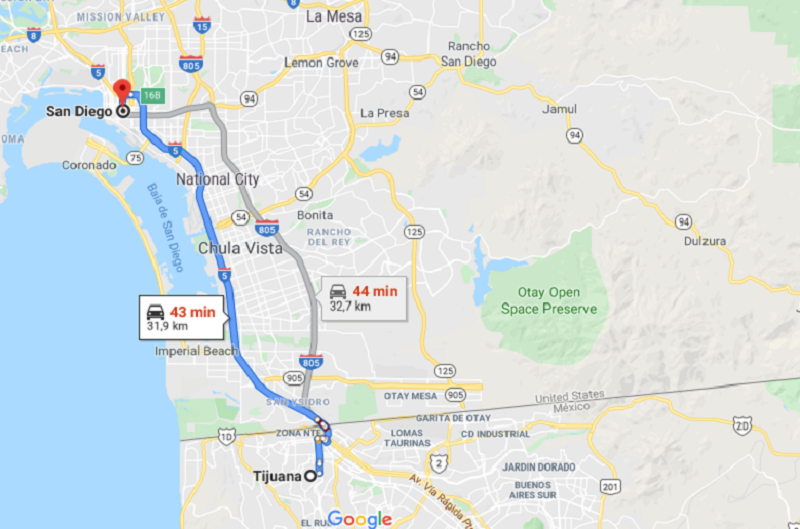
Geographically, Tijuana, Mexico, is directly adjacent to San Diego, California. The most frequently used border crossing, San Ysidro, is essentially an extension of San Diego’s urban fabric, making the actual driving distance from downtown San Diego to the border approximately 15 to 20 miles (24 to 32 kilometers). However, this physical closeness belies the temporal reality of cross-border travel. The “distance” isn’t just about miles; it’s heavily influenced by border wait times, which can fluctuate wildly depending on the day of the week, time of day, and special events.
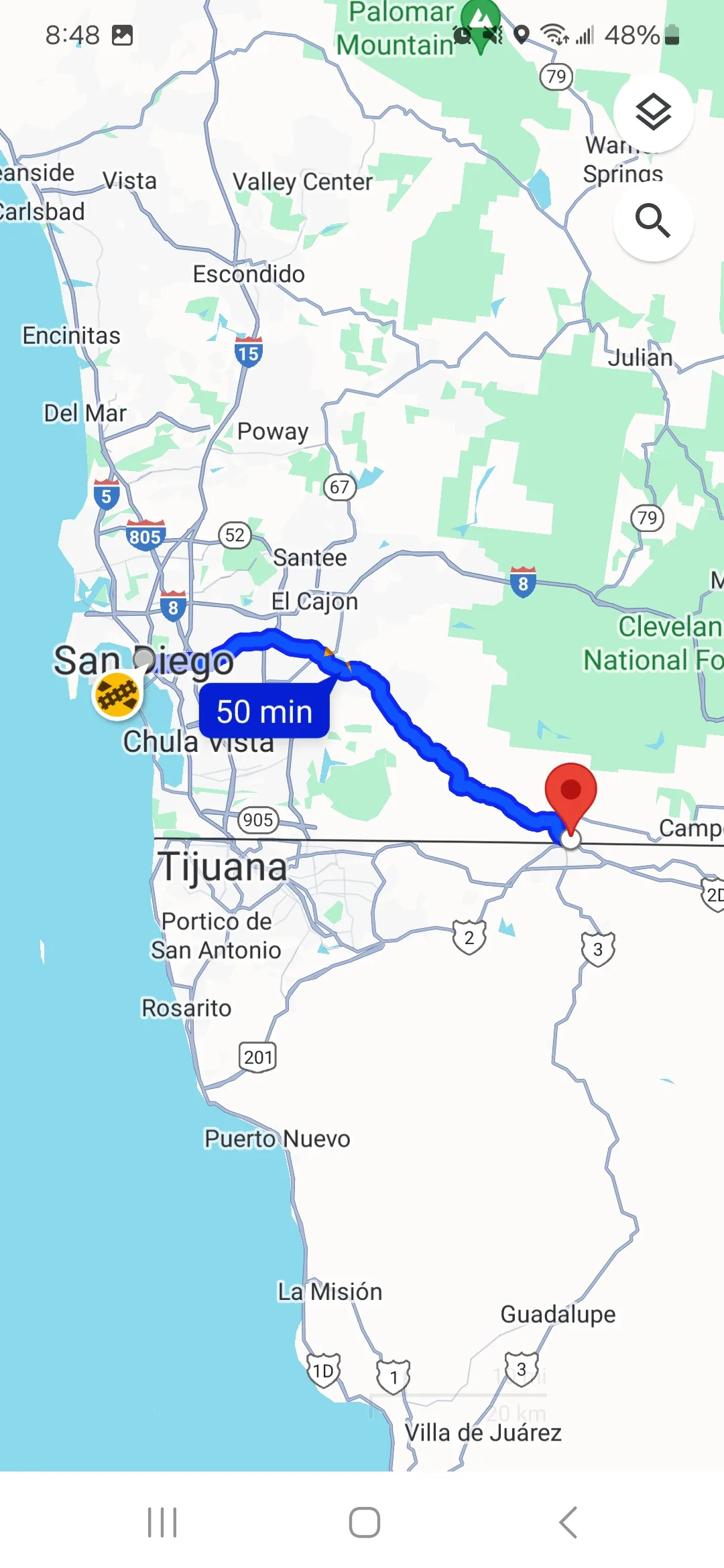
This immediate proximity has fostered a unique binational identity, drawing millions of people to cross the border annually for various purposes: tourism, business, cultural exchange, family visits, and even daily commutes for work or education. For many, a trip to San Diego isn’t complete without a day trip south, and vice versa. Understanding the journey is paramount to experiencing this dynamic border region fully.
Understanding the Journey: Modes of Transportation
Traveling between San Diego and Tijuana offers several distinct modes of transportation, each with its own advantages and considerations.
Driving Across the Border
Driving offers the most flexibility for exploring both cities, particularly if your itinerary includes destinations beyond the immediate border areas of Tijuana.
- Distance and Time: From downtown San Diego to the San Ysidro port of entry, the drive typically takes 20-30 minutes under normal traffic conditions. However, the critical factor is the border crossing itself. Wait times for vehicles entering Mexico are generally shorter than those returning to the US. On return, waits can range from 30 minutes to several hours, especially on weekends, holidays, or during peak commute times. The Otay Mesa port of entry, located further east, can sometimes offer shorter wait times for vehicles but is less convenient for central Tijuana or central San Diego.
- Documentation and Insurance: US citizens will need a valid passport or passport card. For driving in Mexico, it’s highly recommended, and often legally required, to purchase Mexican auto insurance, as US policies are typically not recognized there. This can be arranged online or at kiosks near the border.
- Parking: Many travelers choose to drive to the US side of the border (around San Ysidro) and park in one of the numerous paid lots, then walk across. This avoids long vehicle queues and the complexities of driving in Tijuana.
Pedestrian Crossing
Walking across the border is perhaps the most popular and often the most efficient method for day-trippers.
- Ease and Speed: The pedestrian crossing at San Ysidro is well-organized. You can park on the US side and walk directly into Tijuana. While lines can form, pedestrian wait times are often shorter than vehicle lines, particularly for those returning to the US. The Cross Border Xpress (CBX) at Otay Mesa offers a direct skywalk from a US facility to Tijuana’s airport, primarily serving air travelers.
- Upon Arrival: Once you cross into Tijuana on foot, taxis, rideshare services, and local buses are readily available to take you to your desired destination within the city. The main tourist street, Avenida Revolución, is a short walk or taxi ride from the border.
Public Transportation
For those without a car or who prefer not to drive, public transportation offers a convenient way to reach the border.
- San Diego Trolley: The San Diego Metropolitan Transit System (MTS) operates the Blue Line trolley, which runs directly from downtown San Diego all the way to the San Ysidro Transit Center, just steps from the pedestrian border crossing. The journey takes approximately 45 minutes to an hour from downtown. This is an excellent option for avoiding parking fees and navigating border traffic.
- Mexican Public Transit: Once across the border in Tijuana, a network of local buses (“calafias”) and taxis provides affordable transportation throughout the city.
Rideshares and Taxis
Rideshare services like Uber and Lyft operate efficiently on both sides of the border but typically do not cross it.
- To the Border: You can easily take an Uber or Lyft from anywhere in San Diego directly to the San Ysidro or Otay Mesa pedestrian entrances.
- From the Border: Once you’ve crossed into Tijuana, you can request a Mexican Uber or utilize local taxis, which are plentiful near the border crossing.
Navigating the Border Crossing: Essential Tips
The actual “distance” in time and effort is largely determined by the efficiency of your border crossing. Preparedness is crucial.
Documentation
Always carry valid identification.
- For US Citizens: A valid passport or passport card is required for re-entry into the US by land. A Real ID-compliant driver’s license alone is not sufficient.
- For Non-US Citizens: Check specific visa requirements for both the US and Mexico based on your nationality.
- Trusted Traveler Programs: Enroll in programs like SENTRI or Global Entry if you are a frequent crosser. These programs significantly reduce wait times in dedicated lanes for both vehicles and pedestrians when re-entering the US.
Checking Border Wait Times
Never estimate border wait times. Always check official sources.
- CBP Info App: The official CBP Border Wait Times app provides real-time estimates for all ports of entry.
- Online Resources: Websites like the US Customs and Border Protection (CBP) site and local news outlets often publish current wait times. Plan your crossing during off-peak hours (early mornings or late nights) if possible.
Declarations and Prohibited Items
Be aware of customs regulations for both countries.
- Entering Mexico: You may need to fill out a FMM (Forma Migratoria Múltiple) if staying for more than 7 days or traveling beyond the immediate border zone, though it’s often waived for short visits within the border area.
- Re-entering US: Be prepared to declare all items purchased in Mexico. There are limits on duty-free allowances for alcohol, tobacco, and other goods. Strict prohibitions apply to certain agricultural products, firearms, and illegal substances. Ignorance of the rules is not an excuse.
Currency Exchange
While many businesses in Tijuana’s tourist areas accept US Dollars, paying in Mexican Pesos typically offers a better exchange rate.
- Exchange: You can exchange currency at banks or official exchange houses (“casas de cambio”) on both sides of the border. Avoid street vendors for exchange.
- ATMs: ATMs are widely available in Tijuana and will dispense Mexican Pesos. Inform your bank of your travel plans to avoid card holds.
More Than Just Miles: The Cross-Border Lifestyle
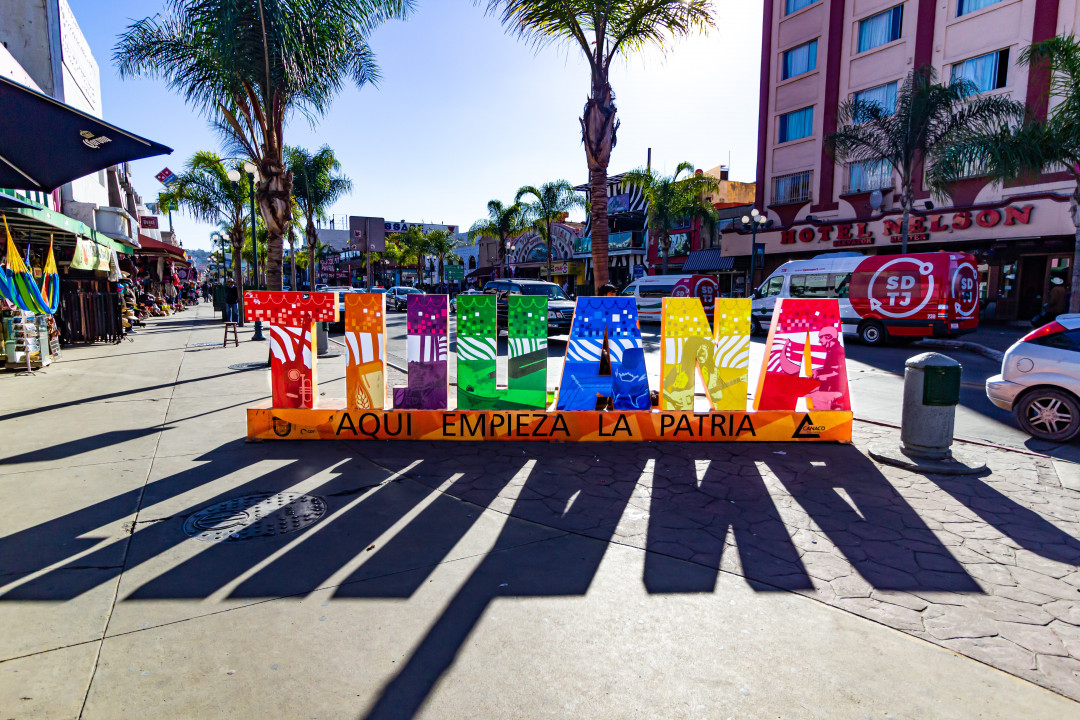
The seemingly short distance between San Diego and Tijuana underpins a dynamic cross-border lifestyle that shapes both cities. From the vibrant culinary scene of Tijuana to its burgeoning arts and craft beer culture, the accessibility from San Diego allows for effortless day trips or extended stays focused on exploring a different culture. Medical and dental tourism are also significant drivers for cross-border travel due to cost differences.
Ultimately, the “how far” between Tijuana and San Diego is not a fixed measurement but a variable experience, depending on preparation and choice of travel. With the right planning, the journey is not an obstacle but an integral part of an exciting binational adventure.
LifeOutOfTheBox is a participant in the Amazon Services LLC Associates Program, an affiliate advertising program designed to provide a means for sites to earn advertising fees by advertising and linking to Amazon.com. Amazon, the Amazon logo, AmazonSupply, and the AmazonSupply logo are trademarks of Amazon.com, Inc. or its affiliates. As an Amazon Associate we earn affiliate commissions from qualifying purchases.