
Embarking on a journey from the bustling hub of Atlanta, Georgia, to the diverse landscapes of California is a common itinerary for both business and leisure travelers. The golden state, stretching from vibrant metropolises to serene national parks, offers an incredible array of experiences. However, the first question for many planning this cross-country adventure is often, “How long will I be in the air?” The answer, as with many aspects of travel, is not a single, simple number, but rather a spectrum influenced by several key factors. Understanding these variables will allow you to plan your trip efficiently, ensuring a smooth and enjoyable transition from the Southeast to the West Coast.

Understanding the Variables: Factors Affecting Flight Duration
The journey from Atlanta to California spans a significant distance, typically ranging from 1,900 to 2,200 miles, depending on the specific destination within the state. This substantial mileage inherently dictates a longer flight time compared to shorter domestic routes. Several critical factors come into play when calculating the actual duration of your airborne experience.
Non-stop vs. Connecting Flights
The most significant determinant of flight duration is whether your itinerary includes a direct, non-stop flight or one or more connections. Non-stop flights offer the most efficient way to travel, cutting down on overall journey time by eliminating layovers. For a route like Atlanta to California, direct flights are readily available to major hubs. Connecting flights, while sometimes offering cost savings, significantly extend travel time, not only due to the additional flight segments but also because of the time spent waiting at intermediate airports.
Destination within California
California is a vast state, stretching over 770 miles from north to south. Naturally, the flight duration will vary depending on whether your final destination is Southern California (e.g., Los Angeles, San Diego) or Northern California (e.g., San Francisco, Sacramento). Flights to southern cities generally entail a slightly shorter travel time compared to those heading further north.
Airline and Aircraft Type
Different airlines operate various aircraft models, which can subtly influence flight times. Larger, more modern aircraft often fly at higher cruising speeds and altitudes, potentially shaving a few minutes off the journey. Additionally, individual airline scheduling and routing strategies can lead to minor variations. For example, Delta Air Lines, which has a major hub in Atlanta, typically offers a wide array of direct flights and can often provide efficient routes.
Weather Conditions and Air Traffic
While not reflected in scheduled flight times, real-world factors like adverse weather conditions (headwinds, thunderstorms) or heavy air traffic at either Hartsfield-Jackson Atlanta International Airport (ATL) or your destination airport in California can cause delays and extend your actual time in the air. Strong headwinds, for instance, can add 15-30 minutes to a transcontinental flight.
Direct Flight Durations from Atlanta to Major California Hubs
For travelers prioritizing speed and efficiency, non-stop flights are the preferred option. Atlanta’s status as a major airline hub ensures frequent direct service to California’s busiest airports. Here’s a breakdown of typical direct flight durations:
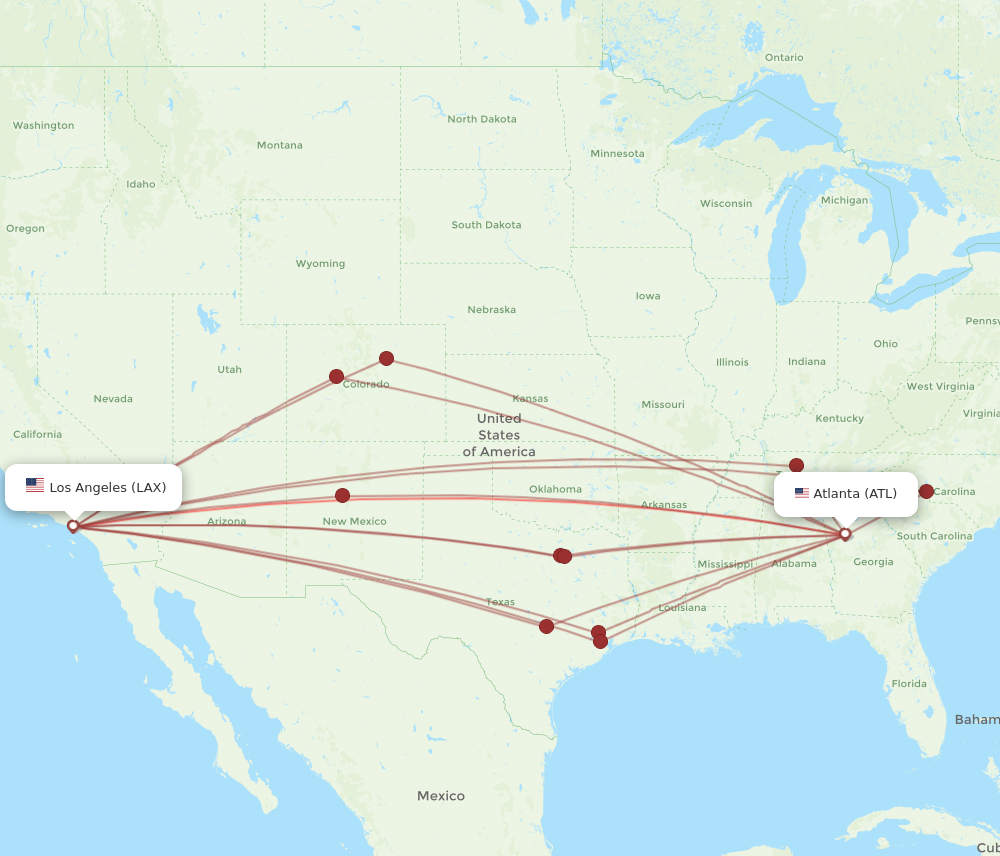
Atlanta to Los Angeles (LAX)
The route from Atlanta to Los Angeles International Airport (LAX) is one of the most popular and boasts numerous daily non-stop flights.
- Typical Duration: Approximately 4 hours and 45 minutes to 5 hours and 15 minutes.
- Airlines: Delta Air Lines, Southwest Airlines, Spirit Airlines, Frontier Airlines, and Alaska Airlines often operate this route directly.
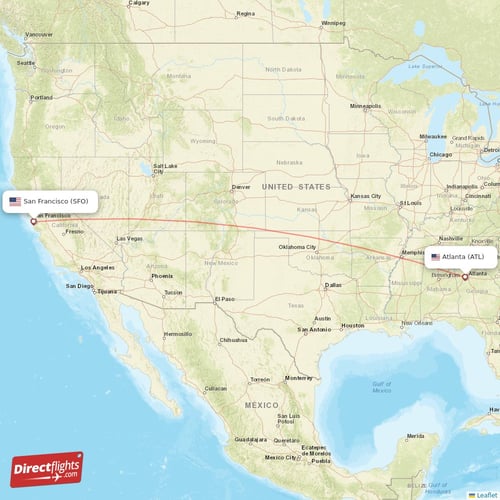
Atlanta to San Francisco (SFO)
Flights to the Bay Area, specifically San Francisco International Airport (SFO), are slightly longer due to the more northerly location.
- Typical Duration: Approximately 5 hours to 5 hours and 30 minutes.
- Airlines: Delta Air Lines, United Airlines, and sometimes Southwest Airlines offer non-stop options.
Atlanta to San Diego (SAN)
San Diego International Airport (SAN) in Southern California also sees regular direct flights from Atlanta.
- Typical Duration: Approximately 4 hours and 50 minutes to 5 hours and 20 minutes.
- Airlines: Delta Air Lines and Southwest Airlines are common carriers for direct service.
Atlanta to Other California Cities
For destinations like Sacramento International Airport (SMF), Oakland International Airport (OAK), or San Jose International Airport (SJC), direct flights from Atlanta are less frequent. While some seasonal or limited direct services might exist, travelers often find themselves taking a connecting flight. When direct flights are available, durations are typically in the range of 5 hours to 5 hours and 45 minutes, similar to SFO depending on the exact location.
Navigating Connecting Flights: When Time Adds Up
While direct flights are ideal for speed, connecting flights are a common reality for many travelers, whether due to cost, schedule, or destination. Adding one or more layovers can significantly increase your total travel time.
Common Layover Hubs
When flying from Atlanta to California with a connection, you’ll typically transit through other major U.S. airports. Common layover hubs include:
- Chicago O’Hare International Airport (ORD)
- Dallas/Fort Worth International Airport (DFW)
- Denver International Airport (DEN)
- Phoenix Sky Harbor International Airport (PHX)
- Salt Lake City International Airport (SLC)
- Houston George Bush Intercontinental Airport (IAH)
The duration of the individual flight segments to and from these hubs will vary, but the cumulative flight time itself is usually similar to a direct flight. The crucial difference lies in the added layover time.
Impact of Layover Duration
The total time spent on connecting flights can range from 7-8 hours for a quick, efficient single layover, to 10-15+ hours for itineraries with longer waits or multiple connections. A short layover (e.g., 45 minutes to 1 hour 30 minutes) can be efficient but carries a higher risk of missing your connection if the first flight is delayed. Longer layovers (2-4 hours) offer more buffer but extend your total travel day. Strategically choosing itineraries with reasonable layover times is key to managing your overall journey.
Planning for Optimal Connections
When booking connecting flights, consider the minimum connection time (MCT) recommended by the airport and airline. Always factor in potential delays and the need to navigate large airports. Using an airline like Delta Air Lines or American Airlines that operates out of a single terminal or adjacent terminals at their hub airports can simplify transfers and reduce the stress of tight connections.
Maximizing Your Journey: Tips for a Smoother Flight
Beyond understanding flight durations, several strategies can enhance your overall travel experience from Atlanta to California.
Best Time to Book
Flight prices and availability fluctuate, influencing your options for direct versus connecting flights. Generally, booking 2-3 months in advance for domestic travel can yield better deals and a wider selection of preferred flight times. Prices tend to surge closer to the departure date, especially during peak travel seasons like holidays or summer.
Choosing the Right Airline
While Delta Air Lines offers extensive service from its Atlanta hub, competitive options from Southwest Airlines, United Airlines, and American Airlines are also available. Consider factors such as baggage allowances, in-flight amenities (Wi-Fi, entertainment), seat comfort, and loyalty programs when making your choice. For some, a slight increase in flight time for a more comfortable experience might be worth it.
In-Flight Comfort and Entertainment
A 5-hour flight is long enough to warrant some planning for comfort. Bring noise-canceling headphones, a good book or e-reader, downloaded movies or TV shows, and comfortable clothing. Most major airlines on transcontinental routes offer in-seat entertainment systems, but having your own options provides greater flexibility and ensures you’re never bored. Stay hydrated and move around the cabin when permitted to minimize fatigue.
Managing Time Zone Changes
Flying from the Eastern Time Zone to the Pacific Time Zone involves a three-hour time difference. This can lead to jet lag. To mitigate its effects, try to adjust your sleep schedule a few days before your flight, stay hydrated, avoid excessive caffeine and alcohol, and expose yourself to natural light upon arrival in California to help reset your body clock.
Beyond the Flight: What Awaits You in California
Once your flight from Atlanta lands in California, a world of diverse experiences awaits. Whether you’re arriving at LAX for the glitz of Hollywood, touching down at SFO to explore the iconic Golden Gate Bridge, or landing in San Diego for its pristine beaches, the journey is just the beginning.
Coastal Escapes and National Parks
California boasts an unparalleled coastline, from the dramatic cliffs of Big Sur to the surf-friendly beaches of Orange County. Inland, the state is home to magnificent natural wonders, including Yosemite National Park, Sequoia National Park, and Death Valley National Park, offering hiking, camping, and breathtaking scenery.
Urban Adventures and Cultural Richness
California’s cities are melting pots of culture, innovation, and entertainment. Los Angeles is synonymous with film, fashion, and sprawling urban exploration, while San Francisco charms with its historic neighborhoods, tech innovation, and culinary scene. San Diego offers a relaxed pace with its craft breweries, famous zoo, and vibrant Gaslamp Quarter. Families often flock to Anaheim for the magic of Disneyland Resort. Each region presents a unique facet of the California dream, making the journey across the country a truly rewarding experience.
LifeOutOfTheBox is a participant in the Amazon Services LLC Associates Program, an affiliate advertising program designed to provide a means for sites to earn advertising fees by advertising and linking to Amazon.com. Amazon, the Amazon logo, AmazonSupply, and the AmazonSupply logo are trademarks of Amazon.com, Inc. or its affiliates. As an Amazon Associate we earn affiliate commissions from qualifying purchases.