
Traveling from the sunny shores of Florida to the golden coast of California involves traversing a significant portion of the North American continent. This transcontinental journey spans thousands of miles, making flight duration a primary concern for any traveler planning such a trip. While a straightforward answer might seem elusive due to various influencing factors, understanding the typical flight times, routes, and variables can help travelers set accurate expectations and plan their journeys more effectively. Generally, a direct flight between major hubs in these two states will take approximately five to six hours in the air, but the total travel time can extend significantly with layovers or specific route choices.
Understanding the Transcontinental Journey
The distance between Florida and California is immense, typically ranging from 2,000 to 2,500 miles (approximately 3,200 to 4,000 kilometers) depending on the specific departure and arrival cities. This vast expanse necessitates careful consideration of flight logistics. The shortest distance between, for instance, Miami and Los Angeles is roughly 2,340 miles, while a route from Orlando to San Francisco is closer to 2,440 miles. These distances are the foundation for any flight duration estimation.
Several key factors actively influence how long your flight will take. Firstly, distance is paramount; longer routes inherently demand more flight time. Secondly, wind conditions play a significant role. Flights traveling eastbound generally benefit from prevailing tailwinds, shortening the journey, while westbound flights (like those from Florida to California) often contend with headwinds, which can add 30 minutes to an hour to the flight time. Thirdly, the type of aircraft used by the airline impacts speed. Modern jetliners like the Boeing 737, Airbus A320, or larger wide-body planes like the Boeing 787 have different cruising speeds, with larger, more advanced aircraft sometimes offering slightly faster travel times over long distances, though the difference is often marginal for domestic routes. Lastly, air traffic control (ATC) restrictions and flight path optimization can also cause minor variations. Given these variables, the average non-stop flight from a major Florida city to a major California city typically falls within the 5-hour 15-minute to 6-hour range.
Dissecting Non-Stop vs. Connecting Flights
The choice between a non-stop flight and a connecting flight is the single most significant determinant of your total travel time. While non-stop options offer unparalleled efficiency, they are not always available or the most economical choice.
Non-Stop Flight Durations
For travelers prioritizing speed and convenience, non-stop flights are the ideal solution. These flights eliminate layovers, allowing passengers to move directly from their departure gate in Florida to their arrival gate in California.
- Miami to Los Angeles: This is one of the most common non-stop routes. Direct flights typically range from 5 hours 15 minutes to 5 hours 45 minutes.
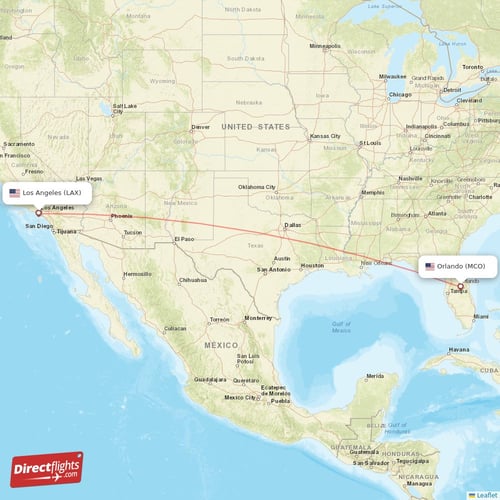
- Orlando to Los Angeles: Similar to Miami, flights from Orlando to LAX generally take between 5 hours 20 minutes and 5 hours 50 minutes.
- Orlando to San Francisco: This route covers a slightly longer distance, resulting in flight times of approximately 5 hours 45 minutes to 6 hours 15 minutes.
- Tampa to Los Angeles: Non-stop services, when available, generally clock in around 5 hours 30 minutes to 6 hours.
- Fort Lauderdale to San Diego: This route can be slightly longer, often taking 5 hours 45 minutes to 6 hours 15 minutes for direct options.
It’s important to note that specific flight times can vary slightly by airline and even by the day of the week, reflecting optimized flight paths and anticipated air traffic. These durations represent the actual time spent in the air, not including taxiing, takeoff, and landing procedures, which can add another 20-40 minutes to the door-to-door experience.
The Reality of Connecting Flights
While non-stop options are convenient, connecting flights are often more abundant, potentially cheaper, and sometimes the only option for travelers flying from smaller airports or to less-frequented destinations. The total travel time for a connecting flight encompasses the initial flight segment, the layover duration, and the subsequent flight segment.
Common layover cities for Florida to California routes include major airline hubs in the central and southern United States:
- Dallas/Fort Worth International Airport (DFW)
- George Bush Intercontinental Airport (IAH) in Houston
- Hartsfield-Jackson Atlanta International Airport (ATL)
- Denver International Airport (DEN)
- Charlotte Douglas International Airport (CLT)
- Phoenix Sky Harbor International Airport (PHX)
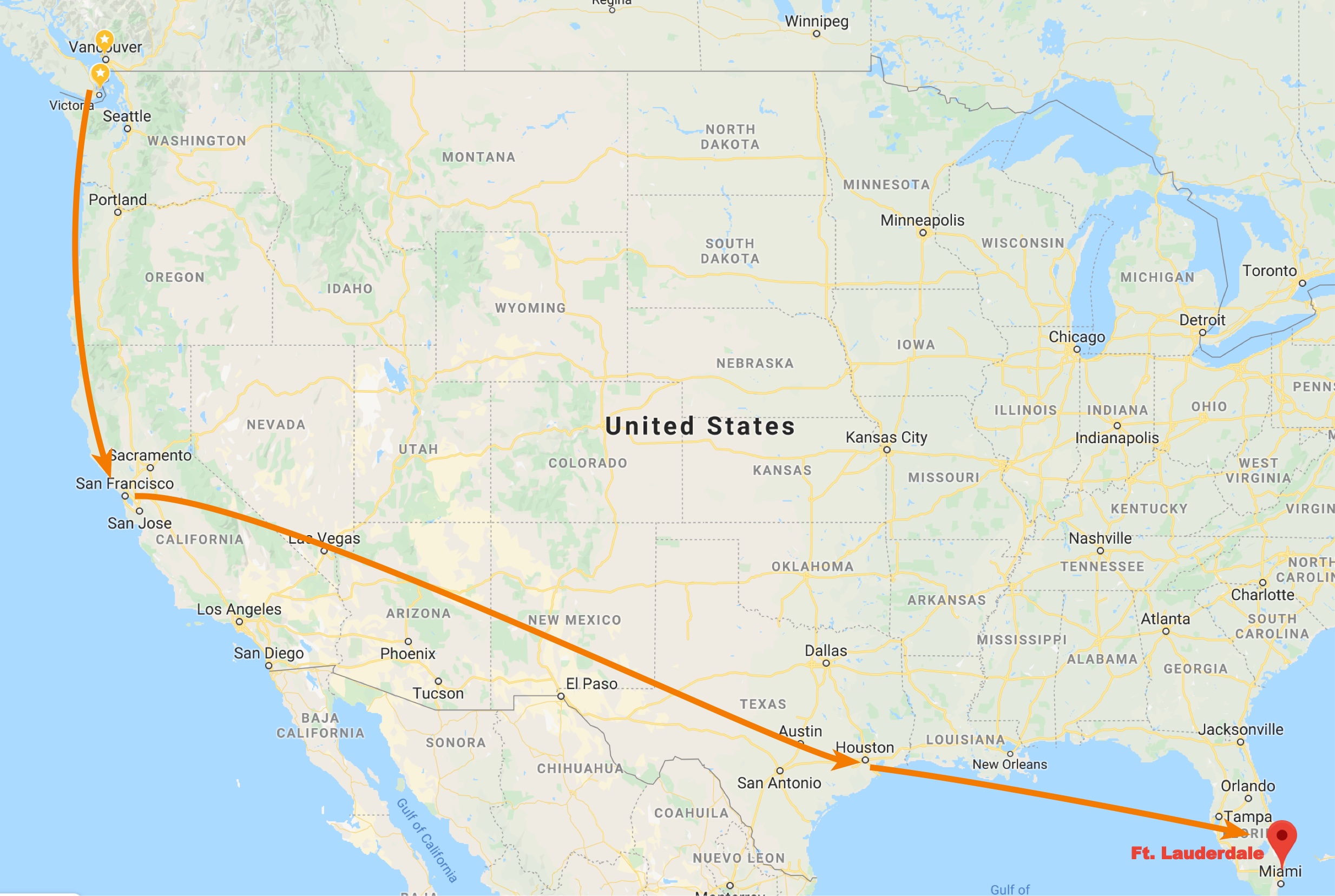
The impact of layover duration on total travel time can be substantial. A typical layover can range from 1 hour to 4 hours, though longer layovers are not uncommon. Therefore, a flight that would be 5.5 hours non-stop could easily become an 8-hour to 12-hour journey with one connection. For example, a flight from Orlando to San Francisco with a 2-hour layover in Dallas might break down as: 3 hours (Orlando to Dallas) + 2 hours (layover) + 3 hours (Dallas to San Francisco) = 8 hours total travel time.
When choosing connecting flights, strategies for minimizing total travel time include selecting flights with the shortest possible layovers, ideally between 1.5 to 2 hours, to allow enough time for connections without excessive waiting. Considering preferred airline hubs can also streamline the process, as familiarity with a particular airport can reduce stress and navigation time.
Key Factors Influencing Your Travel Time
Beyond the basic distinction between non-stop and connecting flights, several other nuances can significantly affect the overall duration and experience of your journey.
Departure and Arrival Airports
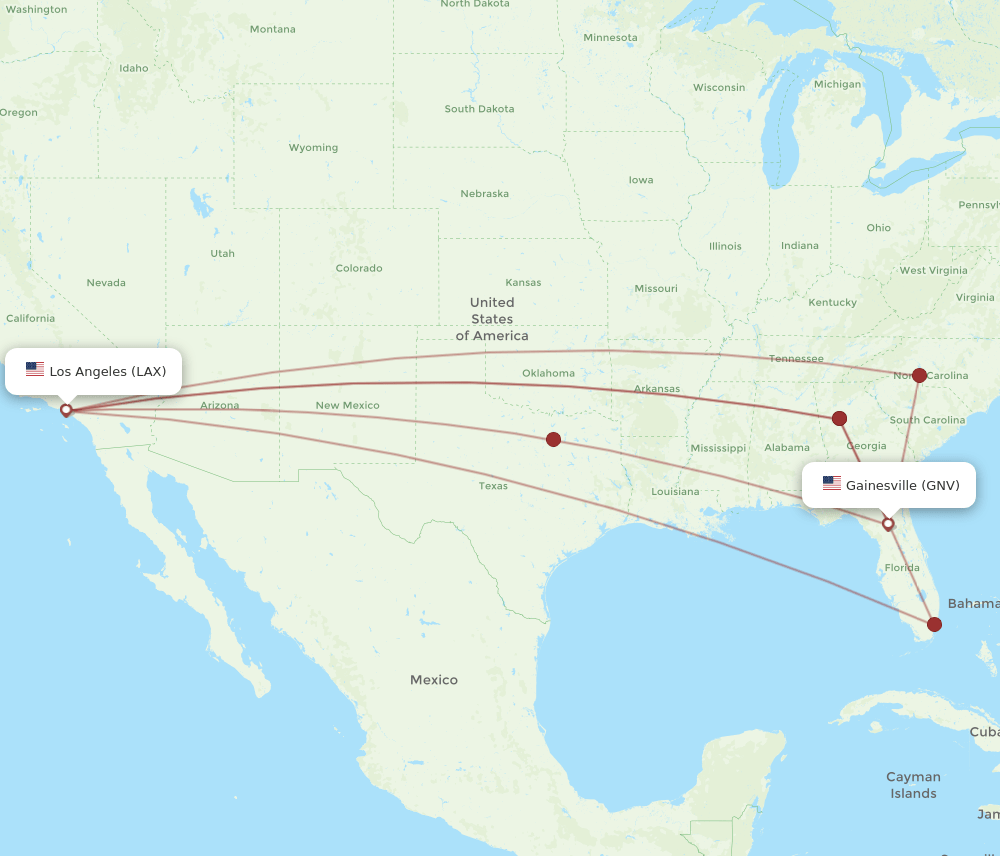
The specific airports you choose in Florida and California can influence both the availability of direct flights and the total travel time. Major international hubs like Miami International Airport (MIA) and Orlando International Airport (MCO) in Florida offer the widest selection of direct flights to key California airports such as Los Angeles International Airport (LAX) and San Francisco International Airport (SFO).
However, opting for smaller regional airports, such as Fort Lauderdale-Hollywood International Airport (FLL) or Tampa International Airport (TPA) in Florida, or John Wayne Airport (SNA) or San Jose International Airport (SJC) in California, might limit direct options, often necessitating a connecting flight and adding to your overall travel time. While these smaller airports can sometimes offer a smoother pre-flight experience, the added flight segment usually negates any time savings.
Airline and Aircraft Type
Different airlines operate various fleets, and while modern commercial jets fly at similar cruising speeds, minor differences exist. For example, a newer, more fuel-efficient aircraft might be scheduled for a slightly shorter flight time due to its optimized performance. Furthermore, airline scheduling and route planning can affect the perceived duration. Some airlines may build in more buffer time to ensure on-time arrivals, making their published flight times appear longer, even if the actual flight duration is comparable. Passengers often won’t notice significant variations based on aircraft type alone for domestic flights, but it’s a factor in the overall calculations.
Weather Conditions and Air Traffic Control
Nature’s elements and the complexities of air traffic management can be significant wildcards. As mentioned, headwinds against a westward flight path can easily add 30-60 minutes to an advertised flight time. Conversely, strong tailwinds can shave time off. Severe weather systems, such as thunderstorms or fog at either departure or arrival airports, can cause delays, diversions, or even cancellations, completely disrupting schedules. Additionally, heavy air traffic congestion at busy hubs, particularly during peak travel times, can lead to holding patterns in the air or extended taxi times on the ground, incrementally increasing your overall journey.
Time Zone Changes and Jet Lag
While not strictly a “flight duration” factor, the three-hour time zone difference between Florida (predominantly Eastern Time) and California (Pacific Time) is crucial for planning your arrival and subsequent activities. A 5.5-hour flight departing Miami at 9:00 AM Eastern Time will land in Los Angeles around 2:30 PM Pacific Time. This means you “lose” three hours in the day, potentially leading to jet lag for some travelers. Understanding this shift is vital for scheduling meetings, tours, or simply managing your energy levels upon arrival.
Optimizing Your Flight Experience
Maximizing comfort and efficiency for a long transcontinental flight requires thoughtful planning, extending beyond just the flight duration itself.
Booking Strategies for Efficiency
Booking your flight strategically can save both time and money. Generally, purchasing tickets well in advance (2-3 months out) can secure better fares and provide more options for direct flights. Using flight comparison websites like Google Flights, Skyscanner, or Kayak allows you to compare routes, durations, and prices across multiple airlines simultaneously. Look for flights departing early in the morning, as these tend to have better on-time performance and are less likely to be affected by cascading delays later in the day. Sometimes, a “red-eye” flight (overnight) can be an efficient option, allowing you to arrive early in California and potentially hit the ground running, though it may impact your sleep.
In-Flight Comfort and Productivity
Even a 5.5-hour flight can feel long without proper preparation. Choosing your seat wisely can make a big difference: an aisle seat offers more freedom to move, while a window seat provides views and a surface to lean against. Many modern aircraft offer in-flight entertainment systems with movies, TV shows, and games, but bringing your own loaded tablet or book is always a good backup. Staying hydrated by drinking plenty of water and avoiding excessive alcohol or caffeine can mitigate the effects of cabin pressure and dryness. Periodically stretching or walking the aisle (when safe to do so) helps maintain circulation and reduces stiffness. If you plan to work, ensure your devices are fully charged and consider a portable power bank.
Navigating Airport Logistics
The actual flight time is only one component of your overall journey. Airport logistics can add significant time and stress. Arrive at the airport well in advance of your scheduled departure, typically 2-3 hours for domestic flights, especially at large hubs, to account for check-in, security lines, and potential gate changes. Expedited security programs like TSA PreCheck or Global Entry can drastically reduce time spent in security queues, making the pre-flight experience much smoother. During layovers, check terminal maps in advance to know your connection gates and consider downloading the airport’s app for real-time updates. Utilize airport amenities such as lounges, restaurants, or quiet areas to relax and recharge between flights. Thoughtful planning of your airport experience can transform a potentially grueling travel day into a manageable and even enjoyable one.
LifeOutOfTheBox is a participant in the Amazon Services LLC Associates Program, an affiliate advertising program designed to provide a means for sites to earn advertising fees by advertising and linking to Amazon.com. Amazon, the Amazon logo, AmazonSupply, and the AmazonSupply logo are trademarks of Amazon.com, Inc. or its affiliates. As an Amazon Associate we earn affiliate commissions from qualifying purchases.