
California, a state renowned for its breathtaking landscapes, vibrant cities, and diverse lifestyle offerings, also stands out for its comprehensive and often complex firearm regulations. For residents and those considering a long-term stay or even a specific travel purpose that might involve firearms, understanding how to navigate the permit process is crucial. Whether your interest stems from a commitment to personal safety, participation in sport shooting, or a desire to understand the laws that shape the California experience, acquiring a gun permit here involves a detailed and specific journey.
This guide aims to demystify the process of obtaining a firearm permit in the Golden State, primarily focusing on the Concealed Carry Weapon (CCW) permit, which is often the most sought-after and complex. While California does not generally require a “permit” to simply own a handgun or rifle (provided it’s legally acquired and registered), carrying a firearm, especially concealed, requires explicit authorization. For anyone settling into a new California community or looking to responsibly integrate this aspect into their lifestyle, grasping these regulations is as important as exploring the local culture or finding the best accommodation for their needs.
Understanding California’s Approach to Firearm Ownership
California maintains some of the nation’s strictest gun control laws, a reflection of its commitment to public safety within its densely populated urban centers and cherished natural attractions. For many, the allure of California’s diverse environment, from the bustling streets of Los Angeles to the serene redwood forests, makes it an ideal place to live or visit. However, this diversity also means a wide range of local ordinances can complement or further restrict state laws, making due diligence paramount for anyone seeking a gun permit. The state’s approach is generally prescriptive, outlining what is permitted rather than what is prohibited, and this philosophy underpins the permit application process.
The Landscape of Gun Control in the Golden State
California’s robust framework for gun control covers everything from the sale and transfer of firearms to their storage and carrying. Unlike some other states where a permit might be issued for simple self-defense without further justification, California has historically implemented a “good cause” requirement for CCW permits. This means applicants must articulate a specific, compelling reason beyond general self-defense to be granted a permit. While recent legal developments have impacted the interpretation and application of “good cause,” understanding its historical significance and current standing is essential for any applicant. The state also heavily regulates firearm types, magazine capacities, and ammunition sales, creating a unique regulatory environment that prospective permit holders must navigate carefully. This stringent regulatory backdrop highlights the state’s distinct approach to public safety and reflects a particular facet of the California lifestyle where communal safety is prioritized through legislative means.
Different Types of Permits and What They Entail
While various licenses exist for firearm dealers, instructors, and security personnel, the “gun permit” most individuals refer to for personal use is the Concealed Carry Weapon (CCW) permit. This permit allows an individual to carry a loaded, concealed firearm in public, under specific conditions. It’s crucial to understand that a CCW permit is not a blanket authorization; it comes with significant responsibilities and geographical restrictions. For instance, even with a CCW permit, firearms are generally prohibited in “gun-free zones” like schools, government buildings, and airports, regardless of whether you’re a tourist exploring San Francisco or a long-term resident.
Other forms of “permits” or licenses relate more to the acquisition of firearms. For example, California requires a Firearm Safety Certificate (FSC) to purchase or receive most firearms. This is a basic safety knowledge test. However, the FSC is not a permit to carry, nor does it grant any special privileges beyond facilitating the legal acquisition of a firearm. Our primary focus will remain on the CCW permit, given its significant implications for personal conduct and mobility within the state, impacting how one might integrate firearm ownership into their day-to-day or travel-related lifestyle.
The Step-by-Step Process for Obtaining a Permit
Acquiring a CCW permit in California is a multi-stage process that demands patience, meticulous attention to detail, and a thorough understanding of local and state laws. It’s not uncommon for the entire process, from application submission to permit issuance, to take several months, sometimes even longer, depending on the county or issuing agency. For those considering making California their new home or planning an extended stay, factoring this timeline into their relocation or lifestyle adjustments is essential.
Eligibility Requirements: Who Can Apply?
Before embarking on the application journey, prospective applicants must meet several fundamental eligibility criteria. These are typically consistent across California but may have slight variations in interpretation or documentation requirements at the local level.
- Residency: You must be a resident of the county (or city, if applying to a police department) where you are applying. Proof of residency is mandatory and often includes utility bills, driver’s licenses, or property deeds. This immediately establishes a critical link between your permanent location and your ability to apply for a permit, distinguishing it from permits or licenses available to transient visitors.
- Age: Applicants must be at least 21 years old.
- Good Moral Character: This is a subjective but critical criterion. Issuing authorities assess an applicant’s “good moral character” through background checks, personal interviews, and sometimes character references. Factors like criminal history (even minor offenses), history of violence, substance abuse, or patterns of irresponsible behavior can disqualify an applicant. This emphasizes the state’s intent to only authorize individuals who demonstrate a high degree of responsibility and adherence to societal norms, reflecting a particular aspect of the desired lifestyle for permit holders.
- Absence of Prohibiting Factors: California law, in conjunction with federal law, prohibits certain individuals from owning or possessing firearms. This includes convicted felons, individuals with certain misdemeanor convictions (e.g., domestic violence offenses), those subject to restraining orders, and individuals deemed mentally unstable or dangerous. A comprehensive background check will verify these factors.
- Completion of Training: Successful completion of a state-approved firearm safety course is a prerequisite for receiving a permit.
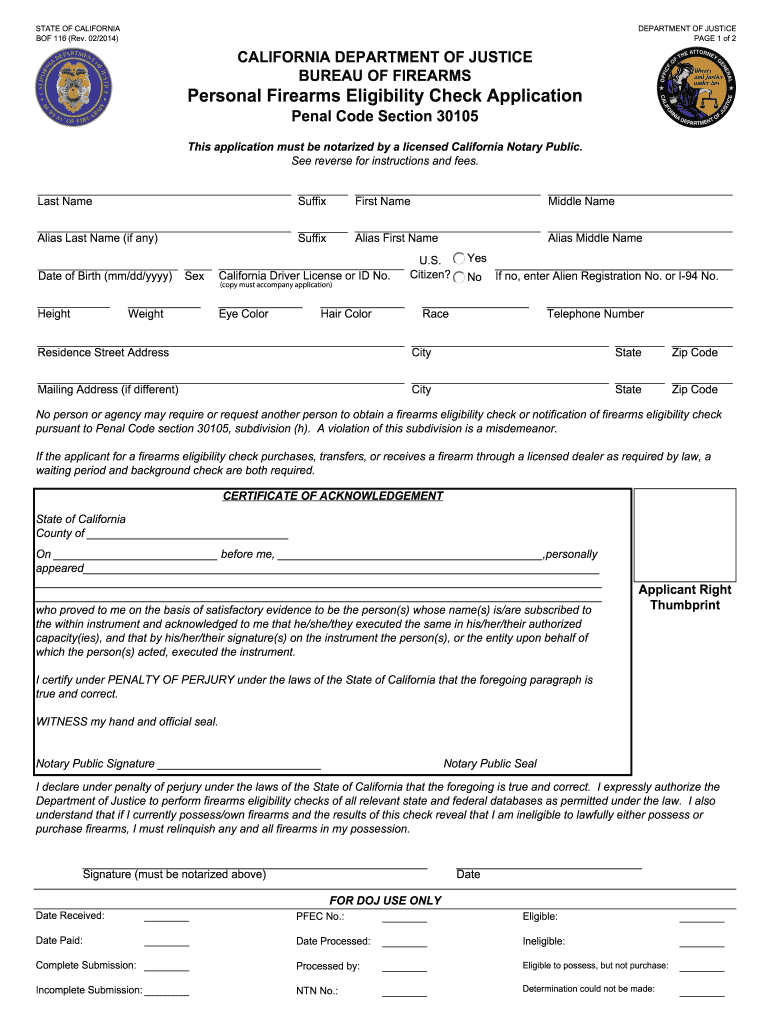
Navigating the Application Journey
Once eligibility is confirmed, the practical steps of applying begin. The process is administered by the local sheriff’s department for county residents or the chief of police for city residents.
- Initial Application: The first step typically involves submitting an application form, often available online through the sheriff’s or police department website. This form will request extensive personal information, details about firearms you own, and your employment history.
- Fingerprinting and Background Check: After initial submission, applicants will be directed to undergo Live Scan fingerprinting. These fingerprints are submitted to the California Department of Justice (DOJ) and the FBI for a comprehensive criminal background check. This is a critical and non-negotiable step to ensure compliance with all state and federal prohibitions.
- Personal Interview: Most issuing agencies require a personal interview. This is an opportunity for the applicant to discuss their reasons for seeking a CCW permit, elaborate on their “good cause” statement, and demonstrate their understanding of responsible firearm ownership. The interview also allows the agency to assess the applicant’s “good moral character” firsthand.
- “Good Cause” Statement: Historically, and still relevant in some contexts, the “good cause” statement is a narrative detailing why you specifically need a CCW permit beyond general self-defense. This might include threats to your life or business, carrying large sums of money, or working in dangerous professions. While recent legal challenges have somewhat loosened this requirement, particularly after the Bruen decision, many agencies still ask for a statement, perhaps framed as “personal safety justification.” It is advisable to consult with the specific issuing agency for their current interpretation and requirements.
- Psychological Evaluation (Optional): Some counties may require a psychological evaluation as part of the “good moral character” assessment. This is not universal but can be a component of the process.
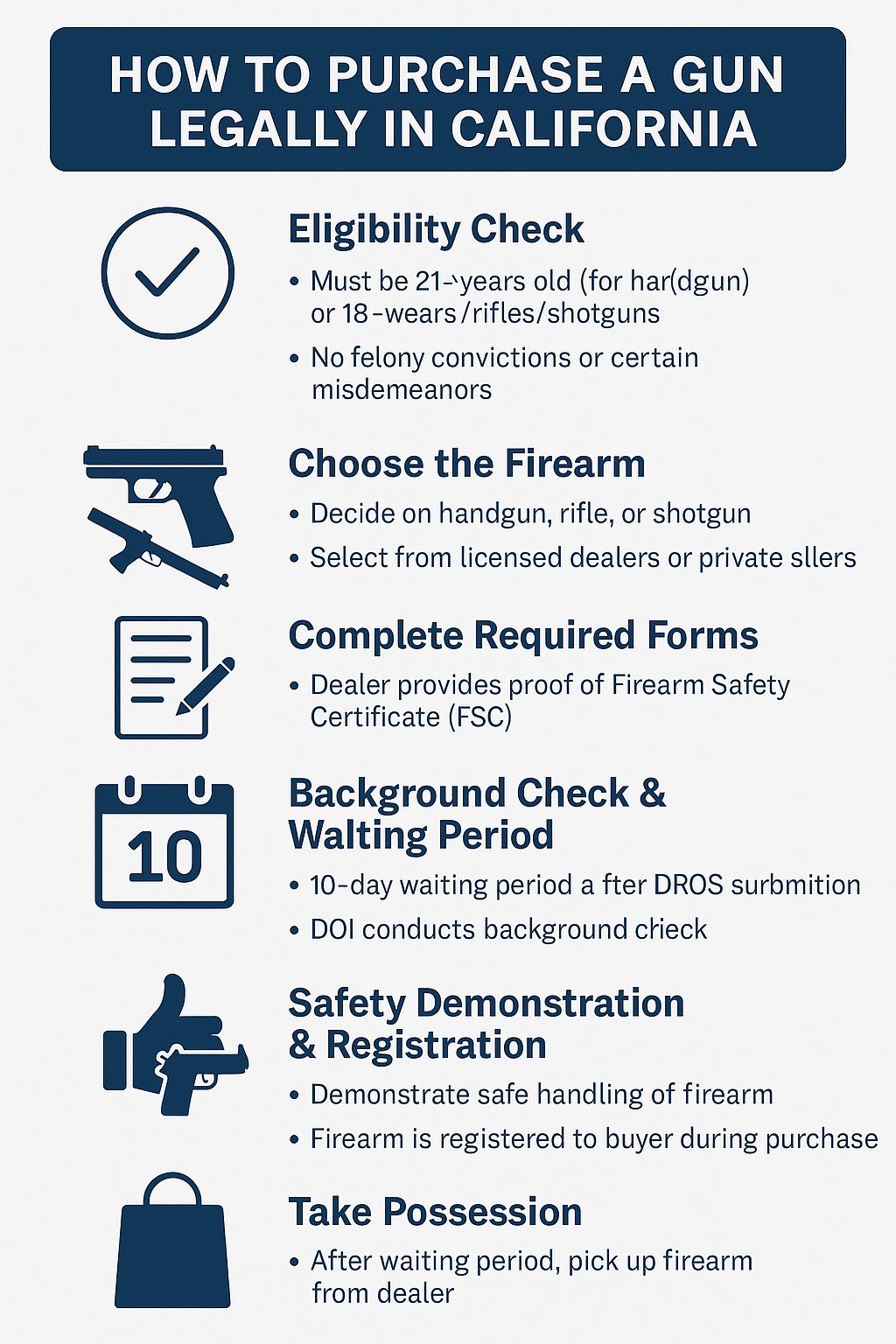
This rigorous application journey emphasizes the serious nature of firearm permits in California, reflecting a societal emphasis on public safety and controlled access, a key facet of the state’s lifestyle.
Training, Fees, and Waiting Periods
The journey to obtaining a CCW permit in California also involves financial commitments and a significant time investment. These factors are important considerations for anyone planning their finances or timeline, whether they are new residents or long-term members of the community.
Mandatory Training and Safety Courses
A cornerstone of California’s firearm regulations is the mandatory training requirement. Before a CCW permit can be issued, applicants must successfully complete a firearm safety course approved by the issuing agency. These courses typically cover:
- Firearm Safety: Fundamental rules of safe gun handling, storage, and transport.
- Safe Loading and Unloading: Practical skills for managing different types of firearms.
- Shooting Proficiency: Demonstrating competence with the specific firearms listed on the permit.
- Legal Responsibilities: In-depth review of California laws pertaining to self-defense, use of force, prohibited places, and proper carrying methods.
The length of these courses can vary, usually ranging from 8 to 16 hours for initial permits and a shorter duration for renewals. This emphasis on training reflects a commitment to responsible firearm ownership, integrating safety education as a crucial component of the lifestyle for permit holders. For individuals passionate about competitive shooting or hunting, this training is a foundational element, ensuring that their pursuit of these activities aligns with the state’s stringent safety standards. Many tourism and travel guides to California often highlight outdoor activities; for those considering shooting sports, understanding these training requirements is paramount.
Costs Involved and Anticipated Timelines
Obtaining a CCW permit in California is not without its costs, which can vary significantly depending on the county. These typically include:
- Application Fees: Non-refundable fees paid to the issuing agency to cover administrative costs, background checks, and processing. These can range from a few hundred dollars to more, depending on the county.
- Live Scan Fingerprinting Fees: A separate fee paid to the Live Scan operator, covering state and federal background check costs.
- Training Course Fees: Fees for the mandatory firearm safety and proficiency course, which can range from $150 to $400 or more, depending on the instructor and course length.
- Ammunition and Range Fees: Costs associated with qualifying with your firearms at a shooting range during your training.
Beyond the financial investment, the timeline for permit issuance can be substantial. State law mandates that issuing authorities approve or deny an application within 90 days of receiving the application, or within 30 days of receiving the results of the background investigation, whichever is later. However, this statutory period often applies to the initial review, and the entire process, including interviews, background checks, and training completion, can realistically take anywhere from 4 to 12 months, or even longer in some high-volume counties like San Bernardino County or Riverside County. Patience is undoubtedly a virtue for California CCW applicants.
Maintaining Your Permit and Staying Compliant
Receiving a CCW permit in California is not the end of the journey; it marks the beginning of a sustained commitment to legal compliance and responsible conduct. Permit holders become ambassadors of responsible firearm ownership, and their actions can have significant consequences. For residents who have chosen California as their home, integrating this responsibility into their daily lifestyle is crucial.
Renewals and Ongoing Responsibilities
CCW permits in California are not permanent; they typically expire after two years for judicial officers and after two to four years for most other applicants, depending on the issuing agency. Renewal involves a process similar to the initial application, though often streamlined. This usually includes:
- Reapplication: Submitting an updated application form.
- Background Check: Another round of background checks.
- Renewal Training: Completion of a shorter, state-approved refresher training course, typically 4-8 hours, to ensure continued proficiency and knowledge of current laws.
- Interview: Some agencies may require a renewal interview, especially if there have been changes in circumstances or new legal interpretations.
Beyond renewals, permit holders have ongoing responsibilities. They must immediately notify the issuing agency of any change of address, arrest, or other disqualifying events. Failure to do so can result in permit revocation and potential legal penalties. Adhering to these ongoing requirements is a critical part of maintaining the privilege of carrying a concealed firearm, reflecting a commitment to a responsible and law-abiding lifestyle.
Important Legal Considerations for Residents and Visitors
Both residents and visitors to California must be acutely aware of the state’s complex firearm laws, even those without a CCW permit. For those exploring California’s myriad attractions or traveling for business, understanding how firearms are transported is crucial. Without a CCW permit, firearms must generally be transported unloaded in a locked container, separate from ammunition, and not readily accessible, particularly within a vehicle. This applies whether you’re driving through Yosemite National Park or visiting Disneyland.
For CCW permit holders, it’s vital to remember that the permit is only valid within California and does not grant reciprocity in other states. Furthermore, even with a permit, there are numerous “gun-free zones” where carrying is strictly prohibited, including:
- Schools and Universities: All K-12 schools and university campuses.
- Government Buildings: Courthouses, administrative offices, and legislative buildings.
- Airports: Sterile areas of airports.
- Polling Places: During elections.
- Public Gatherings: Many large public assemblies or demonstrations.
- Private Businesses: Any private business that conspicuously posts signs prohibiting firearms.
Navigating these restrictions is part of the daily reality for permit holders and a key aspect of responsible lifestyle integration in California. For a traveler who might be accustomed to different regulations in their home state or country, these nuances are critical to avoid legal complications during their California experience. Understanding these laws contributes to a safer and more enjoyable environment for all who visit or call this diverse state home.
In conclusion, obtaining a gun permit in California is a rigorous and extensive undertaking, reflecting the state’s unique legislative landscape and its commitment to public safety. While the process may seem daunting, for those who choose to integrate responsible firearm ownership into their California lifestyle, diligent adherence to the application procedures, training requirements, and ongoing legal responsibilities is paramount. Whether you’re planning a permanent move, embarking on an extended stay, or simply seeking to understand the regulations of the Golden State, an informed approach is the first step toward successful navigation of California’s firearm permit system.
LifeOutOfTheBox is a participant in the Amazon Services LLC Associates Program, an affiliate advertising program designed to provide a means for sites to earn advertising fees by advertising and linking to Amazon.com. Amazon, the Amazon logo, AmazonSupply, and the AmazonSupply logo are trademarks of Amazon.com, Inc. or its affiliates. As an Amazon Associate we earn affiliate commissions from qualifying purchases.