
Understanding the duration of jury duty in California is a key aspect of managing one’s civic responsibilities and overall lifestyle within the Golden State. For residents, long-term visitors, or those considering a move, knowing what to expect from this essential civic service can significantly influence personal planning, professional commitments, and the rhythm of daily life. Unlike some states with longer, fixed terms, California employs a distinctive “one day or one trial” system, designed to minimize disruption while upholding the integrity of its judicial process. This approach is central to how jury service integrates into the multifaceted lifestyles of Californians.

Navigating the “One Day or One Trial” System
The cornerstone of jury service in California is its “one day or one trial” rule. This system reflects an innovative approach to civic duty, aiming to make participation more accessible and less burdensome for citizens. Essentially, once you report for jury service, your obligation typically concludes after either one day of attendance at the courthouse, or if you are selected to serve on a jury, at the conclusion of that specific trial, regardless of its length. This policy stands in stark contrast to models in other jurisdictions that might require service for a full week, two weeks, or even longer without a trial assignment.
The Standard Service Day Explained
When summoned for jury duty, your initial commitment is to appear at the designated Superior Court on the specified date. For many, the service experience begins and ends on this very first day. Upon arrival, you will typically check in and be directed to a jury assembly room. Here, prospective jurors await assignment to a courtroom for jury selection. If, by the end of the day, you have not been assigned to a courtroom for selection, or if you have been assigned but not selected for a trial and have been released by the court, your jury service obligation is fulfilled. This efficiency means a significant portion of summoned individuals complete their duty within a single day, allowing them to swiftly return to their regular lifestyle routines without prolonged interruption. The exact timing of release can vary depending on the court’s schedule and the number of cases requiring jurors, but the principle remains: one full day of availability often suffices.
From Summons to Selection: The Voir Dire Process
If you are assigned to a courtroom, the next step is the jury selection process, known as “voir dire.” This involves a series of questions posed by the judge and attorneys to assess potential jurors’ impartiality and suitability for the specific case. The duration of voir dire can vary significantly, ranging from a few hours to several days, depending on the complexity of the case, the number of prospective jurors, and the procedures of the particular court. During this phase, you are still considered “on call” for service. Should you be selected to serve on a jury, your commitment extends to the full length of the trial. If, however, you are not selected and are dismissed from the courtroom, your service concludes, often satisfying the “one day” component even if it extends slightly beyond the initial 8-hour period. This flexibility in the voir dire process is a critical element in determining the actual length of your jury duty beyond the initial reporting day.
Extended Engagements: When a Trial Calls
While many complete their jury duty in a day, being selected for a trial means committing to the full duration of that trial. This is where the “one trial” aspect of California’s system comes into play, and it can introduce a different dimension to one’s lifestyle planning.
Typical Trial Durations and Their Impact
The length of a trial in California can range widely. Most civil and criminal trials are relatively short, often concluding within a few days to a week. However, more complex cases, particularly high-profile criminal trials or intricate civil disputes, can extend for several weeks, or occasionally, even months. For individuals accustomed to predictable daily routines, a prolonged trial can significantly impact their lifestyle. This includes adjustments to work schedules, family responsibilities, and personal commitments. Understanding the potential for such an extended commitment is crucial for anyone planning to live and work in California. While the court system strives for efficiency, the pursuit of justice can sometimes demand a substantial investment of a juror’s time.
Financial and Professional Considerations
Serving on a longer trial brings specific financial and professional considerations for jurors. California law provides certain protections and benefits for jurors, though these may not fully offset the financial impact. Employers are generally prohibited from firing or discriminating against an employee for taking time off for jury duty. However, many employers are not legally required to pay an employee’s salary during jury service, meaning some individuals may face a temporary reduction in income. The state offers a nominal per diem (currently $15 per day after the first day, plus mileage) to help cover basic expenses, but this is rarely a substitute for regular wages. For self-employed individuals, small business owners, or those in commission-based roles, an extended trial can pose significant economic challenges. Therefore, understanding these potential impacts is an important part of managing one’s financial lifestyle when living in California.
Strategies for Managing Jury Duty within Your Lifestyle
Given the potential for both short and longer service, developing strategies to integrate jury duty into your life is a practical aspect of residency in California. Proactive planning and awareness can help mitigate potential disruptions.
Planning for the Unpredictable
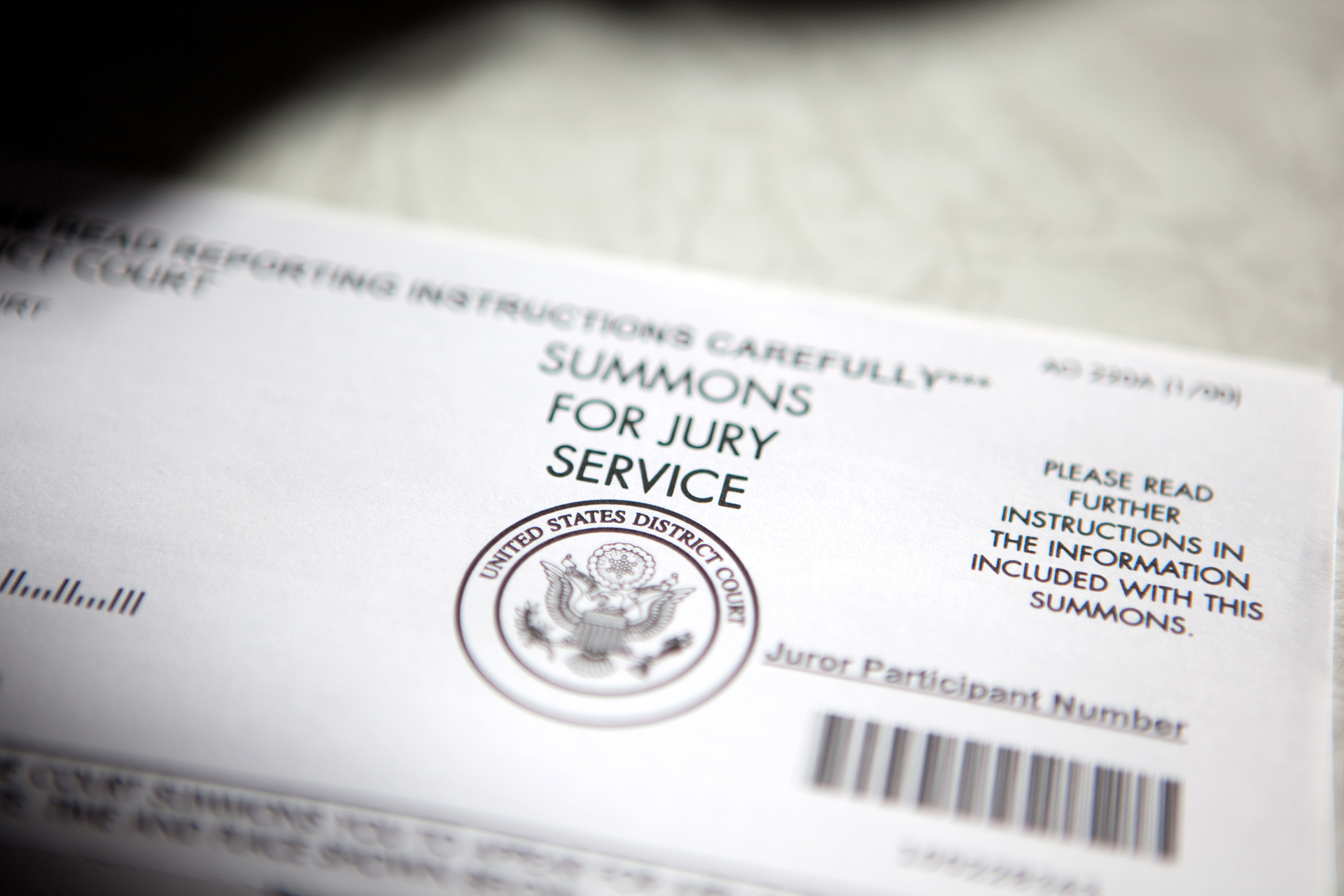
While you cannot predict when you will be summoned, you can be prepared. If you are summoned, review the summons carefully for details specific to your county’s Superior Court, as procedures can vary slightly. Inform your employer immediately upon receiving a summons, discussing their policy regarding jury duty leave and pay. For those with family responsibilities, especially childcare or elder care, having contingency plans in place for potential absence is advisable. Similarly, if you have important appointments, travel plans, or business obligations, most courts offer limited opportunities for postponement, which can be crucial for managing significant lifestyle events. These postponements typically require justification and are granted at the court’s discretion, so it’s essential to communicate proactively and honestly.
Employer Obligations and Employee Rights
California labor laws are generally supportive of employees fulfilling their civic duty. Employers are prohibited from retaliating against an employee summoned for jury service. This includes protection against dismissal, threats, or coercion. While paid jury leave is not mandated by state law for private employers, many companies, as part of their benefits package, do offer some form of compensation or paid leave for a certain number of days. It is always wise to check your company’s policy well in advance. Understanding these rights and obligations helps individuals navigate the professional aspects of jury service, ensuring their job security is protected while they contribute to the judicial system. This legal framework forms an important part of the professional lifestyle fabric in California.

The Broader Impact on Community and Civic Life
Beyond the personal implications, jury duty is a fundamental component of the democratic lifestyle in California. Participation ensures that justice is administered by a cross-section of the community, reflecting diverse perspectives and experiences. This active engagement strengthens the judicial system and upholds the principle of a fair trial by one’s peers.
While seemingly a temporary interruption, fulfilling jury duty is a direct contribution to the health and functioning of society. It fosters an understanding of the legal system, encourages civic responsibility, and reinforces the idea that an engaged citizenry is vital for a thriving community. For those embracing the California lifestyle, whether as long-term residents or new arrivals, jury service is more than just a legal obligation; it’s an opportunity to actively participate in the governance and social contract that define life in this dynamic state. It is an experience that, regardless of its duration, leaves a lasting impression on one’s understanding of justice and community.
LifeOutOfTheBox is a participant in the Amazon Services LLC Associates Program, an affiliate advertising program designed to provide a means for sites to earn advertising fees by advertising and linking to Amazon.com. Amazon, the Amazon logo, AmazonSupply, and the AmazonSupply logo are trademarks of Amazon.com, Inc. or its affiliates. As an Amazon Associate we earn affiliate commissions from qualifying purchases.