
Exploring new culinary landscapes is an integral part of any travel experience, offering a sensory journey that complements the visual and historical wonders of a destination. Among the myriad global dishes that have captivated palates worldwide, sushi stands out as a universally beloved option. Specifically, the California Roll has achieved iconic status, particularly among those new to Japanese cuisine or travelers seeking a familiar, yet exotic, taste. For the health-conscious tourist, understanding the nutritional profile of such popular dishes is key to maintaining balance and enjoying guilt-free gastronomic adventures. This deep dive will unravel the caloric content and nutritional nuances of a typical California Roll, providing invaluable insights for your next culinary exploration.

Understanding the California Roll: A Tourist’s Delight
The California Roll is more than just a meal; it’s a testament to culinary innovation and global fusion. Its widespread appeal makes it a ubiquitous offering in sushi restaurants from Tokyo to New York, and understanding its components is the first step to appreciating its place in your travel diet.
Origins and Popularity
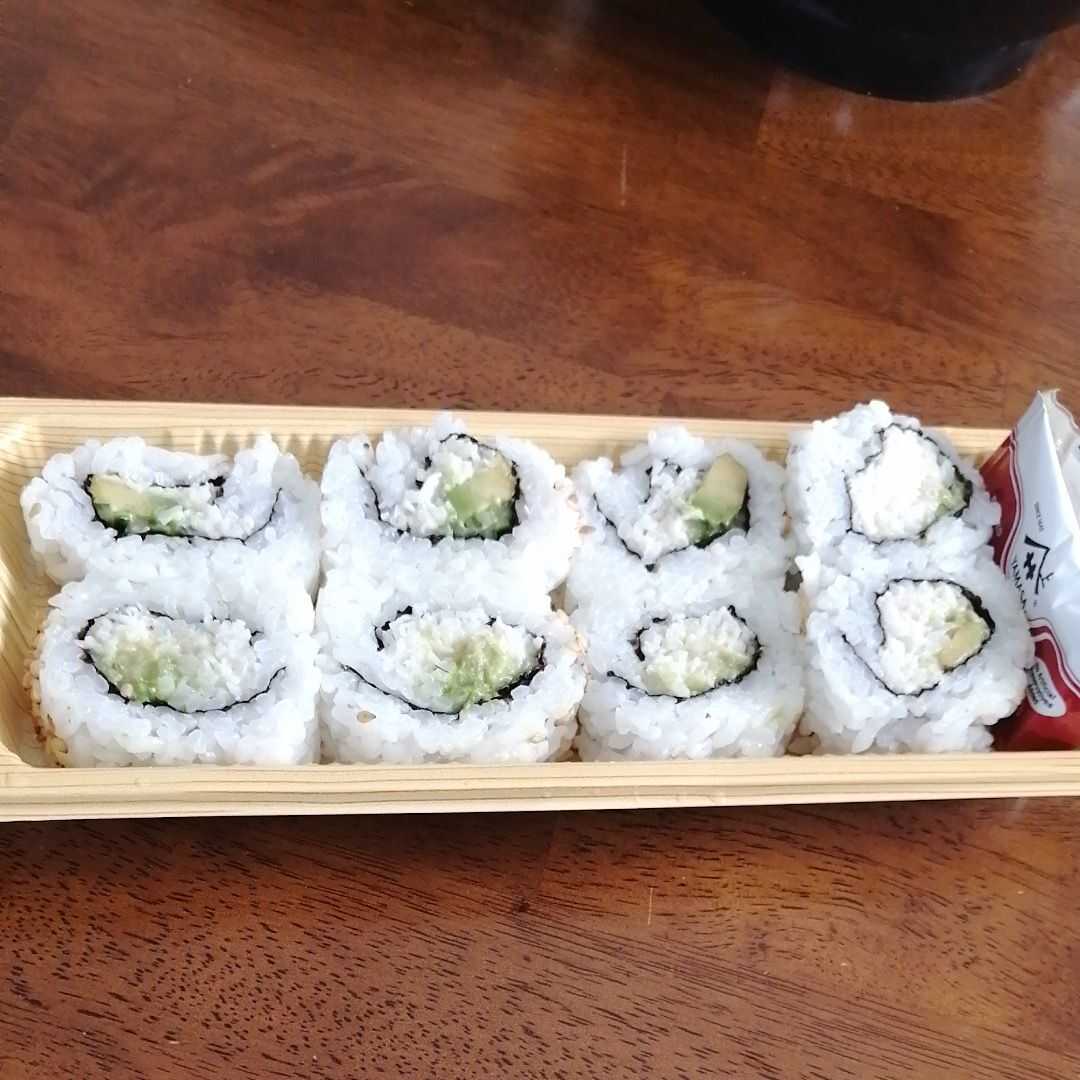
The California Roll’s story is a fascinating blend of culinary adaptation. While sushi originated in Japan, the California Roll is widely credited as a North American invention, specifically from California in the late 1960s or early 1970s. It was designed to appeal to Western palates, often wary of raw fish and the visible seaweed wrapping of traditional maki. By placing the nori (seaweed) on the inside (an “uramaki” style) and featuring cooked or mild ingredients like imitation crab meat, avocado, and cucumber, it quickly became a gateway sushi for many.
Its popularity skyrocketed, making it a staple on menus across the United States and eventually around the globe. For tourists, this means the California Roll is often a safe and delicious bet, offering a familiar taste even in unfamiliar surroundings. It’s an accessible entry point to the broader world of sushi, whether you’re dining in a bustling food market in London or a sophisticated eatery in Sydney.
Key Ingredients and Their Contribution
The standard California Roll typically includes several core ingredients, each contributing to its unique flavor profile and nutritional content:
- Sushi Rice: The foundation of the roll, usually seasoned with rice vinegar, sugar, and salt. It provides carbohydrates for energy.
- Imitation Crab (Krab Stick): Often made from surimi, a paste made from white fish. It offers a mild, slightly sweet flavor and a source of lean protein.
- Avocado: Adds a creamy texture and a dose of healthy monounsaturated fats, along with fiber and vitamins.
- Cucumber: Provides a refreshing crunch and minimal calories, primarily water and some fiber.
- Nori (Seaweed): The edible seaweed wrapper, rich in minerals like iodine and some vitamins.
- Sesame Seeds: Often sprinkled on the outside for texture and a nutty flavor, adding healthy fats and minerals.
Some variations might include a touch of mayonnaise or other sauces, which can significantly alter the calorie count. Awareness of these components is crucial for making informed choices while traveling, especially when dining out regularly.
Deciphering the Caloric Count
Understanding the caloric content of a California Roll requires looking at its standard size and average composition. It’s important to remember that exact figures can vary based on preparation methods and portion sizes in different establishments.
Average Nutritional Breakdown
A typical California Roll consists of 6-8 pieces. For a standard 6-piece roll, you can expect an average caloric range:
- Calories: Approximately 250-350 calories.
- Carbohydrates: Around 40-50 grams, primarily from the sushi rice.
- Protein: Roughly 6-10 grams, mainly from the imitation crab.
- Fat: Typically 7-12 grams, largely from the avocado and sesame seeds, with some saturated fat from added mayonnaise if used.
- Fiber: Around 2-4 grams, from avocado, cucumber, and nori.
- Sodium: Can be high, especially if soy sauce is used liberally. A single roll might contain 500-700 mg of sodium before any dipping.
These figures represent a relatively balanced snack or a light meal, especially when compared to other popular travel food options like burgers or pasta dishes. For a tourist on the go, this makes the California Roll an attractive choice for managing energy levels without overindulging.
Factors Influencing Calorie Variation
Not all California Rolls are created equal. Several factors can influence their caloric and nutritional content:
- Rice Quantity: Some restaurants use more rice per roll, increasing carbohydrate and calorie counts. Opting for “light rice” options if available can reduce this.
- Avocado Portion: While healthy, avocado is calorie-dense. A generous serving will push the calorie count higher.
- Added Sauces: Spicy mayonnaise, eel sauce, or other creamy dressings can significantly add calories and fat. Always inquire about sauces or request them on the side.
- Tempura Additions: Some variations might include tempura flakes or even tempura-fried crab, which are deep-fried and add a substantial amount of fat and calories.
- Size of the Roll: Larger, thicker rolls will naturally contain more ingredients and thus more calories.
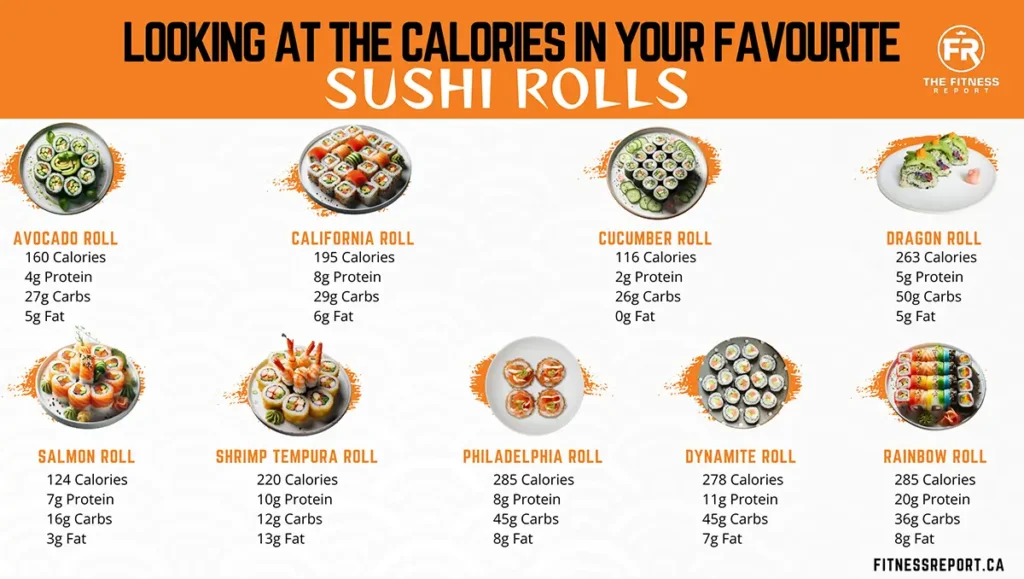
When traveling, it’s wise to observe the portion sizes and inquire about ingredients, especially in unfamiliar eateries. This proactive approach ensures you’re making choices that align with your dietary goals.
California Rolls in Your Travel Diet
Integrating the California Roll into your travel diet can be a strategic move for maintaining energy and wellness while exploring new destinations. Its convenience and nutritional profile make it a compelling option.
A Balanced Choice for Explorers
For tourists who spend their days walking, sightseeing, and immersing themselves in local culture, a California Roll offers several advantages:
- Portability: Many sushi establishments offer rolls for takeout, making them a perfect on-the-go meal to enjoy at a park, by a landmark, or during transit.
- Energy Boost: The rice provides readily available carbohydrates, fueling your adventures without leading to a heavy, sluggish feeling.
- Lean Protein: The imitation crab offers protein for muscle maintenance and satiety, crucial for long days of exploration.
- Healthy Fats: Avocado contributes beneficial fats that support overall health and keep you feeling full longer.
- Hydration: Cucumber and the inherent moisture in sushi rice contribute to your daily water intake.
Compared to fried street food or heavy restaurant meals, a California Roll can be a lighter, more refreshing alternative, allowing you to stay agile and energetic for your travel itinerary.
Pairing for Optimal Wellness
To maximize the benefits of a California Roll within your travel diet, consider strategic pairings:
- Miso Soup: A light and flavorful traditional Japanese soup, often served with sushi. It’s low in calories and provides probiotics and warmth, especially comforting during cooler travel.
- Edamame: Steamed soybeans are an excellent source of plant-based protein and fiber, complementing the roll without adding excessive calories.
- Seaweed Salad: Another nutritious side, offering vitamins, minerals, and a unique texture.
- Green Tea: A natural beverage choice, rich in antioxidants and calorie-free.
- Fresh Fruit: Follow your sushi with a piece of local fruit for a refreshing dessert, avoiding calorie-dense sweet treats.
By thoughtfully combining your California Roll with these healthier options, you can create a satisfying and nutritionally sound meal that supports your well-being throughout your travels.
Savvy Sushi Choices While Traveling
Beyond the California Roll, the world of sushi offers a vast array of choices. Knowing how to navigate these options can empower you to make healthy decisions regardless of your destination.
Tips for Health-Conscious Tourists
When exploring sushi options in a new city, keep these tips in mind:
- Opt for Sashimi or Nigiri: If you’re comfortable with raw fish, sashimi (slices of raw fish without rice) and nigiri (fish over a small ball of rice) typically have fewer calories and carbohydrates than rolls, provided you stick to a reasonable number of pieces.
- Limit Sauces and Tempura: Be mindful of rolls with excessive creamy sauces, deep-fried ingredients (like shrimp tempura), or those topped with generous amounts of mayonnaise or sweet glazes. These are calorie and fat traps.
- Go for Vegetable Rolls: Cucumber rolls (kappa maki) or avocado rolls are generally lower in calories and rich in fiber.
- Watch the Soy Sauce: While a standard accompaniment, soy sauce is very high in sodium. Use it sparingly or opt for low-sodium versions if available, especially if you’re sensitive to salt or concerned about bloating during travel.
- Hydrate Adequately: Counteract the sodium by drinking plenty of water throughout the day, particularly when consuming meals that might be higher in salt.
These simple adjustments can make a significant difference in your overall caloric and sodium intake, allowing you to enjoy the diverse offerings of sushi without compromising your health goals.
Beyond the California Roll
While the California Roll is a safe and satisfying choice, don’t be afraid to venture further into the world of sushi as your palate expands. Many traditional and regional sushi varieties offer unique flavors and textures. In Japan, for instance, you’ll find an emphasis on fresh, high-quality fish and a minimalist approach to ingredients, often resulting in lighter, purer flavors. Even in Western cities like Vancouver or Paris, diverse sushi options abound, from spicy tuna rolls to exotic fish nigiri and inventive chef’s specials.
Exploring these options is part of the joy of travel. By understanding the basics of nutritional content, you can approach any sushi menu with confidence, making choices that align with both your adventurous spirit and your commitment to well-being. The California Roll is a fantastic starting point, offering a delightful balance of flavor and moderate calories, making it an excellent companion for any tourist’s culinary journey.
LifeOutOfTheBox is a participant in the Amazon Services LLC Associates Program, an affiliate advertising program designed to provide a means for sites to earn advertising fees by advertising and linking to Amazon.com. Amazon, the Amazon logo, AmazonSupply, and the AmazonSupply logo are trademarks of Amazon.com, Inc. or its affiliates. As an Amazon Associate we earn affiliate commissions from qualifying purchases.