
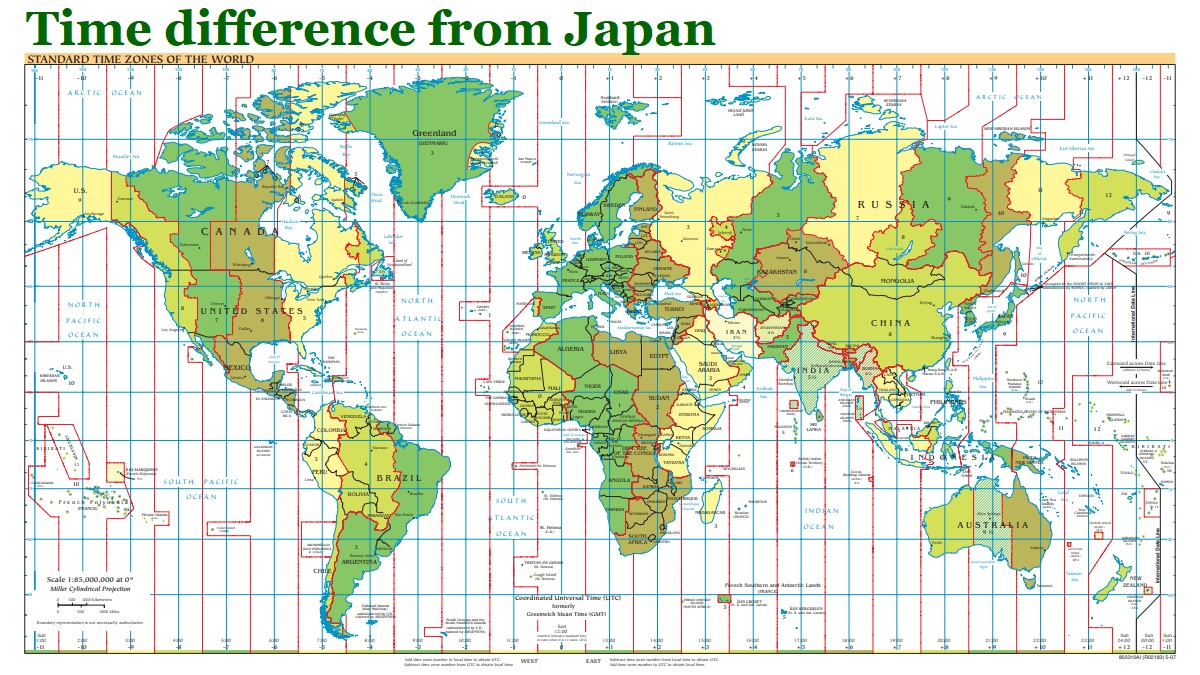
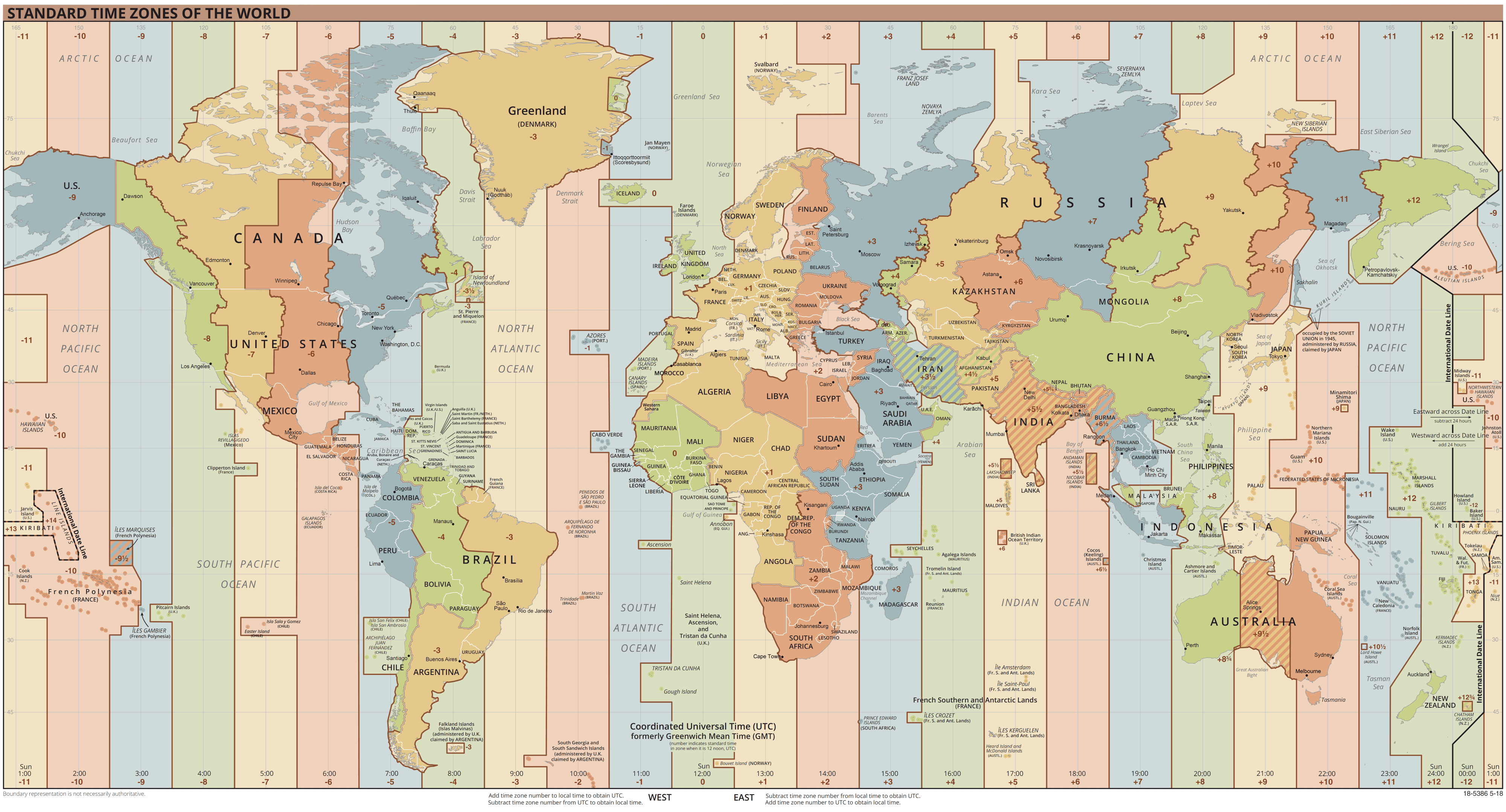
Traveling from California to Japan is an exciting prospect, promising a rich tapestry of culture, history, and modernity. However, one of the most significant initial considerations for any traveler is the substantial time zone difference. Understanding this gap is crucial not only for practical travel planning but also for managing the inevitable jet lag and staying connected with home. Japan operates on Japan Standard Time (JST), which is Coordinated Universal Time plus nine hours (UTC+9). California, on the other hand, observes Pacific Standard Time (PST) during winter, which is UTC-8, and Pacific Daylight Time (PDT) during summer, which is UTC-7. This fundamental disparity means a significant jump forward in time, crossing the International Date Line in the process.
Understanding the Substantial Time Shift
The precise number of hours Japan is ahead of California depends on whether California is observing Daylight Saving Time. Japan does not observe Daylight Saving Time, maintaining JST year-round.
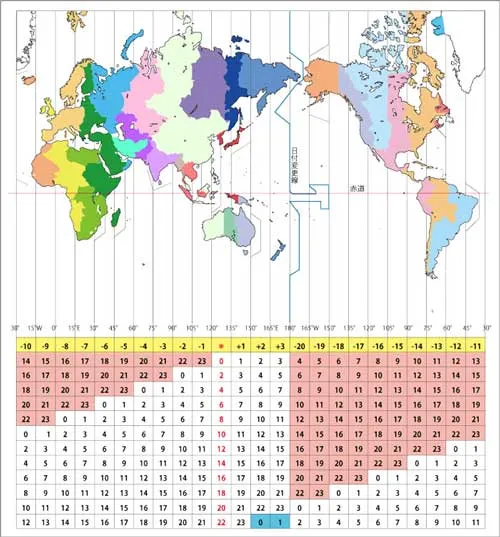
- During Pacific Standard Time (PST): From early November to mid-March, California is UTC-8. The difference is therefore 9 hours (for Japan) – (-8 hours for California) = 17 hours. So, Japan is 17 hours ahead of California during this period.
- During Pacific Daylight Time (PDT): From mid-March to early November, California shifts to PDT, making it UTC-7. The difference becomes 9 hours – (-7 hours) = 16 hours. Thus, Japan is 16 hours ahead of California when Daylight Saving Time is in effect.
To illustrate, if it’s 10:00 AM on Monday in Los Angeles during PST, you would add 17 hours to find the time in Tokyo. This takes you past midnight, meaning it would be 3:00 AM on Tuesday in Tokyo. Essentially, you ‘lose’ a day when traveling from California to Japan by crossing the International Date Line. When you fly back, you’ll gain that day, often arriving back in California on the same calendar day you departed Japan.
Strategic Travel Planning: Maximizing Your Arrival
The significant time difference from California to Japan necessitates careful planning to ensure a smooth transition and make the most of your trip.
Flight Selection and Itinerary Building
When booking flights from major California hubs like San Francisco International Airport or Los Angeles International Airport to Narita International Airport near Tokyo or Kansai International Airport serving Osaka, pay close attention to the arrival time. A flight departing California on a Monday afternoon might land in Japan on a Tuesday evening. Factor in this “lost day” when calculating your total trip duration and booking accommodation or activities. Arriving in Japan in the late afternoon or early evening can be beneficial, as it allows you to have dinner and head to bed at a reasonable local hour, initiating the adjustment process. Avoid early morning arrivals if possible, as it can be challenging to power through an entire day after a long flight and massive time shift.
Booking Activities and Reservations
For your first few days in Japan, consider a lighter itinerary. While the allure of immediate exploration is strong, over-scheduling can exacerbate jet lag. Schedule demanding activities like hiking Mount Fuji or extensive museum visits in Kyoto for later in your trip. Early reservations for popular attractions like a Ghibli Museum slot or a Michelin-starred restaurant in Ginza should be made with the new time in mind. Double-check all appointment times relative to your departure point. Using a world clock app on your smartphone can be invaluable for quickly converting times.
Conquering Jet Lag: Strategies for a Seamless Transition
Jet lag is arguably the biggest challenge when traveling from California to Japan. Shifting your internal clock by 16 or 17 hours is no small feat. However, with preparation and adherence to certain strategies, you can significantly mitigate its effects.
Pre-Trip Adjustments
Start adjusting your sleep schedule a few days before your departure. Gradually shift your bedtime earlier by an hour or two each night, if practical. Hydration is key; begin increasing your water intake and reducing caffeine and alcohol consumption before you even leave California. This prepares your body for the long flight and helps combat dehydration, which can worsen jet lag symptoms.
In-Flight Tactics
During your flight across the Pacific Ocean, immediately adjust your watch to Japan Standard Time. Try to eat and sleep according to your destination’s schedule, not the departure point’s. Stay hydrated with water throughout the flight and avoid excessive alcohol or caffeine, which can disrupt sleep and lead to dehydration. If you plan to sleep, use an eye mask and earplugs. Getting up and moving around the cabin regularly helps with circulation.
On-Arrival Acclimatization
Upon arrival in Japan, immerse yourself in the local time as quickly as possible.
- Sunlight Exposure: Seek out natural light, especially in the morning. This helps reset your body’s circadian rhythm. A walk through a park in Shinjuku or along the Dotonbori canal in Osaka can be highly beneficial.
- Meal Times: Eat meals at local times, even if you’re not particularly hungry. This sends strong signals to your body about the new schedule.
- Strategic Napping: If you absolutely need a nap, keep it short (20-30 minutes) and take it in the early afternoon. Long naps can make it harder to sleep at night.
- Stay Active: Gentle activity, like walking around your neighborhood or visiting a local temple in Nara, can help keep you awake and active during the day.
- Resist Early Bedtime: Even if you feel exhausted, try to stay awake until a reasonable local bedtime (e.g., 9:00 PM or 10:00 PM). This is perhaps the most critical step in resetting your internal clock.
Bridging the Gap: Staying Connected with Home
While immersing yourself in the wonders of Japan, you might also need to connect with family, friends, or colleagues back in California. The significant time difference demands thoughtful communication strategies.
Personal Communication
Coordinating calls with loved ones requires a bit of math. If it’s morning in Japan, it’s likely late afternoon or evening the previous day in California. Conversely, if it’s late evening in Japan, it’s still early morning in California. A good strategy is to schedule calls for your late evening in Japan, which would be mid-morning to early afternoon in California, a more convenient time for both parties. Utilize messaging apps like WhatsApp or LINE for asynchronous communication, allowing messages to be sent and received without immediate real-time coordination.
Business Communications
For business travelers, managing the time difference for work can be more complex. Scheduled video conferences or phone calls will require one party to participate outside typical working hours. If you’re in Japan, expect to take early morning or late evening calls to align with California’s business day. Set clear expectations with your team about your availability and response times. Leverage email and collaborative documents for tasks that don’t require immediate live interaction.
Maximizing Your Travel Experience in Japan
Despite the initial hurdle of the time difference, Japan offers an unparalleled travel experience that makes the journey more than worthwhile. From the bustling streets of Shibuya to the tranquil temples of Kyoto, every moment is an opportunity for discovery.
During your initial days, embrace activities that are less time-sensitive. Stroll through the beautiful gardens like Shinjuku Gyoen National Garden, explore vibrant districts such as Harajuku, or discover local eateries. These relaxed activities allow your body to adjust naturally while still soaking in the atmosphere. Remember that the challenge of the time shift is a small price to pay for the incredible memories you’ll create. With thoughtful planning and mindful adjustment, your journey from California to Japan will be a truly enriching adventure.
LifeOutOfTheBox is a participant in the Amazon Services LLC Associates Program, an affiliate advertising program designed to provide a means for sites to earn advertising fees by advertising and linking to Amazon.com. Amazon, the Amazon logo, AmazonSupply, and the AmazonSupply logo are trademarks of Amazon.com, Inc. or its affiliates. As an Amazon Associate we earn affiliate commissions from qualifying purchases.