
Understanding the definition of full-time employment in California is more than a mere legal formality; it’s a cornerstone for building a sustainable and balanced lifestyle in the Golden State. For individuals contemplating a move to California, current residents navigating career changes, or anyone seeking to optimize their work-life balance, grasping these regulations is paramount. The hours one dedicates to work directly influence financial stability, access to crucial benefits, and the precious time available for leisure, family, and personal pursuits—all vital components of a fulfilling life.
Defining Full-Time Employment in the Golden State
At its core, the concept of full-time employment in California largely aligns with federal standards, yet it boasts unique nuances that significantly impact an individual’s working life.

The Federal Benchmark vs. California’s Nuances
Federally, the Fair Labor Standards Act (FLSA) does not explicitly define “full-time” or “part-time” employment. Instead, this determination is generally left to employers and is often dictated by company policies, industry standards, or collective bargaining agreements. However, for many purposes, including eligibility for certain federal benefits, 40 hours per week is widely accepted as the standard for full-time work.
California generally mirrors this 40-hour per week benchmark for non-exempt employees. What makes California distinct are its robust labor laws that expand upon federal requirements, particularly concerning overtime, meal and rest breaks, and the conditions under which an employee qualifies for specific employer-provided benefits. While 40 hours per week (or 8 hours per day) is the de facto standard, it’s crucial to understand that employers have some discretion in defining full-time for internal purposes, especially when it comes to benefit eligibility. Nevertheless, for the purposes of state labor law, particularly regarding overtime, the 40-hour threshold is critical.
Legal Implications for Benefits and Security
The designation of “full-time” carries substantial implications for an individual’s lifestyle, primarily through access to benefits and job security. A full-time employee in California is typically eligible for a comprehensive suite of benefits that are often unavailable or significantly limited for part-time workers. These can include:
- Health Insurance: Access to employer-sponsored health, dental, and vision insurance plans is often contingent on full-time status. Given the high cost of healthcare, this is a critical component of financial and personal well-being.
- Paid Time Off (PTO): Full-time employees typically accrue vacation time, sick leave, and paid holidays, providing essential opportunities for rest, recovery, and leisure without sacrificing income. This directly impacts the ability to plan trips, attend to personal matters, and maintain mental health.
- Retirement Plans: Eligibility for 401(k) plans, pension plans, or other retirement savings vehicles, often with employer contributions, is a significant advantage for long-term financial planning and future lifestyle goals.
- Life and Disability Insurance: Many employers offer these critical protections to their full-time workforce, providing a safety net for unforeseen circumstances.
- Job Security and Career Advancement: While not legally guaranteed, full-time roles often come with greater job stability, clearer career paths, and more opportunities for professional development, contributing to a more secure and predictable lifestyle.
For someone building a life in California, these benefits are not merely perks; they are fundamental elements that contribute to overall quality of life, financial resilience, and the capacity to enjoy the diverse offerings of the state.
The Impact of Full-Time Status on Your California Lifestyle
The distinction between full-time and part-time employment profoundly shapes the day-to-day realities and long-term aspirations of individuals living and working in California.
Financial Stability in a High-Cost State
California is renowned for its vibrant economy but also its high cost of living, particularly in major metropolitan areas like Los Angeles, San Francisco, and San Diego. Full-time employment is often a prerequisite for achieving financial stability in this environment. A consistent 40-hour work week generally translates to a more predictable and robust income stream, which is crucial for covering essential expenses such as housing, transportation, and groceries. Moreover, the stability of full-time wages allows for better financial planning, enabling residents to save for a down payment, invest, or build an emergency fund. This financial bedrock empowers individuals to participate more fully in the California lifestyle, from dining out to exploring the state’s natural wonders.
Work-Life Balance and Leisure Opportunities
While the prospect of working 40 hours a week might seem demanding, statutory full-time hours, coupled with California’s protective labor laws, are designed to preserve a reasonable work-life balance. For non-exempt employees, the requirement to pay overtime after 8 hours in a day or 40 hours in a week acts as a disincentive for employers to overwork their staff excessively. This structure ideally leaves ample time for personal pursuits, family engagements, and leisure activities.
A balanced lifestyle in California often involves weekend trips to the coast, hiking in national parks, exploring urban cultural scenes, or simply enjoying time with loved ones. Full-time employment, especially when employers adhere to healthy work-life boundaries, provides the consistency and financial means to pursue these enriching experiences, preventing burnout and fostering overall well-being. The ability to plan vacations with accrued PTO is a significant contributor to mental and physical health, allowing individuals to truly disconnect and recharge.
Beyond the 40-Hour Week: Overtime and Exemptions
While 40 hours is the standard, the actual hours worked and the compensation received can vary significantly based on California’s intricate labor laws regarding overtime and employee exemptions.
California’s Strict Overtime Regulations
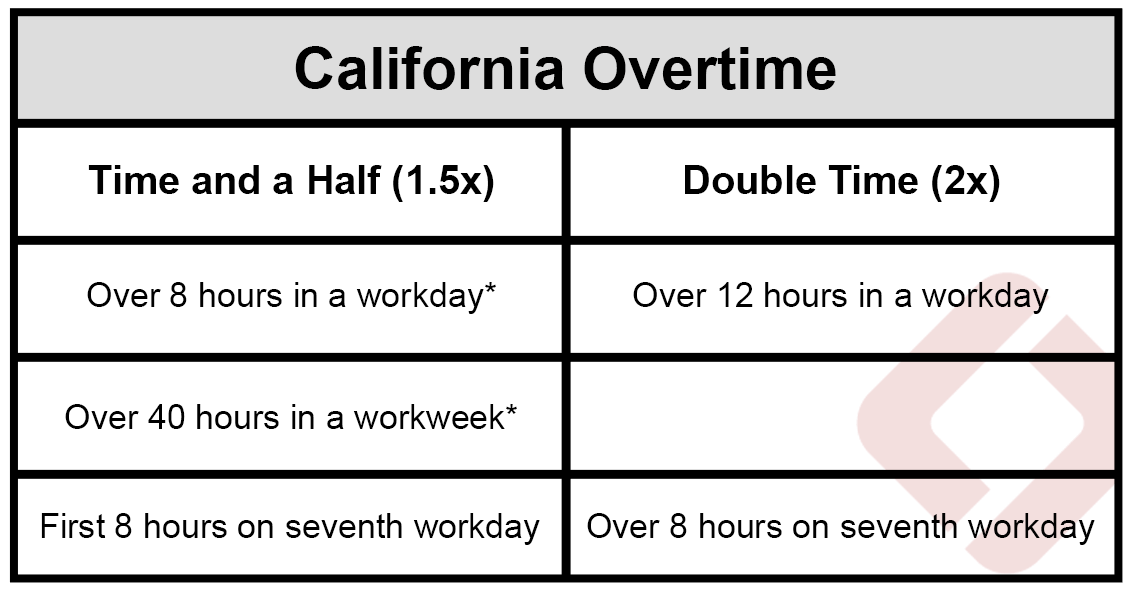
California has some of the most protective overtime laws in the nation. For non-exempt employees, employers must pay:
- Time-and-a-half (1.5 times the regular rate of pay): For all hours worked over 8 hours in a workday, over 40 hours in a workweek, and for the first 8 hours worked on the seventh consecutive day of work in a workweek.
- Double time (2 times the regular rate of pay): For all hours worked over 12 hours in any workday, and for any hours worked over 8 on the seventh consecutive day of work in a workweek.
These regulations significantly influence the lifestyle of many workers. While they offer the potential for higher earnings through additional hours, they also ensure that employees are fairly compensated for time spent beyond the standard workweek, discouraging employers from demanding excessive hours without justification. For employees, this means that working more than 40 hours doesn’t just mean more work; it means a significantly increased hourly wage, which can greatly impact one’s financial capacity to enjoy the California lifestyle.
Exempt vs. Non-Exempt Employees
A crucial distinction in California labor law is between “exempt” and “non-exempt” employees. This classification determines who is eligible for overtime pay and other protections.
- Non-exempt employees: These are typically hourly workers who are entitled to minimum wage, overtime pay, and specific meal and rest breaks. The majority of the workforce falls into this category, and for them, the 40-hour week is a strict benchmark for standard pay.
- Exempt employees: These are typically salaried employees who are exempt from overtime laws, meal, and rest break requirements. To qualify as exempt, an employee must meet specific criteria, including:
- Salary Basis Test: Earn a salary of at least twice the state minimum wage for full-time employment (which means the salary threshold changes with minimum wage increases).
- Duties Test: Primarily perform executive, administrative, or professional duties, exercising discretion and independent judgment.
For exempt employees, the concept of a “full-time” workweek often extends well beyond 40 hours without additional compensation. Many professionals in fields like technology in Silicon Valley or creative industries in Los Angeles routinely work 50, 60, or more hours per week. While these roles often come with higher base salaries and greater autonomy, the extended hours can significantly impact work-life balance and personal time, presenting a different “lifestyle” challenge compared to their non-exempt counterparts. Understanding this distinction is vital for managing expectations regarding actual working hours and available leisure time.
Meal and Rest Breaks
California’s comprehensive labor laws also mandate specific meal and rest breaks for non-exempt employees. Generally, employees are entitled to a paid 10-minute rest break for every four hours worked (or major fraction thereof) and an unpaid 30-minute meal period for shifts longer than five hours. These mandated breaks are integral to maintaining employee well-being and productivity throughout the workday, directly influencing the daily quality of life during working hours.
Navigating Full-Time Work in California’s Diverse Economy
California’s economy is vast and varied, spanning high-tech, agriculture, tourism, entertainment, and more. This diversity means that while the legal definition of full-time remains consistent, the practical experience of full-time work can differ significantly across industries and regions.
Industry Variations and Expectations
In sectors like tech in Silicon Valley, a “full-time” role for an exempt employee might routinely entail long hours, intense pressure, and a culture of continuous work, sometimes offset by perks and high salaries. Conversely, in the hospitality industry in tourist hubs, or agriculture in the Central Valley, a non-exempt full-time employee’s schedule might be more strictly aligned with the 40-hour week, with overtime closely monitored due to stringent labor laws. Understanding these industry-specific expectations is crucial when planning a career and considering the kind of lifestyle a specific job might afford.
Remote Work and Flexible Schedules
The rise of remote work has introduced new dynamics to the concept of full-time employment. Many California companies, particularly in tech and professional services, now offer remote or hybrid full-time positions. While the legal definition of 40 hours a week for non-exempt employees still applies, the flexibility of working from home can profoundly alter one’s daily lifestyle, reducing commute times and allowing for greater integration of personal and professional life. However, it also demands strong self-discipline to maintain boundaries and prevent work from encroaching too much on personal time.

Considerations for Relocation
For those considering moving to California, understanding these nuances of full-time employment is not just about finding a job; it’s about planning a life. Researching average salaries, cost of living, typical working hours for specific roles, and the prevalence of benefits across different industries and regions is essential. A full-time salary that might be comfortable in other states could be stretched thin in California’s urban centers. Conversely, the robust worker protections and opportunities for overtime pay can provide significant financial advantages. Thoughtful consideration of these factors will help ensure that a full-time role in California truly supports the desired lifestyle.
LifeOutOfTheBox is a participant in the Amazon Services LLC Associates Program, an affiliate advertising program designed to provide a means for sites to earn advertising fees by advertising and linking to Amazon.com. Amazon, the Amazon logo, AmazonSupply, and the AmazonSupply logo are trademarks of Amazon.com, Inc. or its affiliates. As an Amazon Associate we earn affiliate commissions from qualifying purchases.