
The Financial Landscape for California Law Enforcement Professionals
Understanding the compensation for law enforcement officers in California is crucial for anyone considering a career in the state’s police departments, or simply seeking insight into the economic realities of a demanding public service profession. California, known for its vibrant economy and high cost of living, presents a unique financial landscape for its police force. The salaries, benefits, and overall financial packages offered to police officers are designed to attract and retain skilled professionals in a competitive environment, but they also significantly shape the lifestyle choices available to these individuals and their families.

The base salary for a police officer in California can vary dramatically based on a multitude of factors, including the specific agency (municipal police department, county sheriff’s office, state agencies like the California Highway Patrol), years of experience, rank, and the geographical location within the state. Larger, more urbanized areas with higher costs of living typically offer more competitive salaries than smaller, rural communities. This regional disparity is a key factor influencing the lifestyle an officer can maintain.
Base Salaries Across Diverse Regions
In metropolitan hubs like Los Angeles, San Francisco, and San Diego, entry-level police officers might start with a base salary ranging from approximately $70,000 to $90,000 annually. However, this figure can quickly rise with experience. A seasoned officer with five to ten years on the force in these areas could see their base salary climb to $100,000 to $130,000 or even higher, excluding overtime and benefits. For example, the Los Angeles Police Department and the San Francisco Police Department are among the agencies offering some of the highest starting and top-end salaries to help offset the exorbitant housing costs and general expenses in their respective cities.
Contrast this with mid-sized cities such as Sacramento, Fresno, or Long Beach, where starting salaries might be in the $60,000 to $80,000 range, potentially reaching $90,000 to $110,000 for experienced officers. While these figures are still respectable, they reflect a different cost of living dynamic, allowing for a potentially different quality of life or more disposable income, particularly regarding housing. In more rural or less affluent counties, the starting salaries could be lower, sometimes in the $50,000 to $65,000 range, with top-end salaries for veteran officers possibly reaching $80,000 to $100,000. These regions, however, generally offer a significantly lower cost of living, meaning a proportionally higher purchasing power for officers stationed there.
The Impact of Experience and Rank on Earning Potential
A police officer’s career progression in California is directly tied to their earning potential and, consequently, their lifestyle. Entry-level officers, often referred to as probationary officers, earn the lowest base salaries. As they gain experience, demonstrate competence, and complete additional training, they become eligible for annual raises and step increases.
Advancement in rank, from officer to sergeant, lieutenant, captain, and even chief, brings substantial increases in salary. A police sergeant in a major California city, for instance, could earn a base salary upwards of $130,000 to $160,000, while lieutenants and captains can command even higher figures, often exceeding $180,000 to $200,000 in larger departments. These higher ranks also come with increased responsibilities and often require extensive leadership experience and specialized training. The pursuit of higher ranks is not just about professional development; it’s a strategic move to secure a more comfortable financial lifestyle, enabling greater stability, better housing options, and enhanced leisure opportunities within California’s expensive landscape.
Beyond the Base: Benefits and Overtime in Shaping Lifestyles
The true financial picture for police officers in California extends well beyond their base salary. A comprehensive benefits package and the opportunity for overtime pay significantly augment an officer’s total compensation, playing a critical role in their overall lifestyle and financial well-being.
Comprehensive Benefits Packages
Most California police departments offer robust benefits packages that are highly valuable, often adding tens of thousands of dollars to an officer’s total annual compensation in terms of value. These typically include:
- Health and Dental Insurance: High-quality medical, dental, and vision plans are standard, covering officers and often their families. Given the rising cost of healthcare, this is an invaluable benefit, providing peace of mind and substantial savings that directly contribute to family financial stability and health-focused lifestyles.
- Retirement Plans: Police officers in California are generally enrolled in defined-benefit pension plans, which are becoming increasingly rare in other sectors. These plans promise a guaranteed income stream in retirement, often based on years of service and final average salary. This long-term financial security allows officers to plan for a comfortable post-career lifestyle, perhaps involving travel or relocating to a preferred retirement destination. Some agencies also offer deferred compensation plans (e.g., 457b or 401a), allowing officers to save additional funds for retirement on a tax-deferred basis.
- Paid Time Off: This includes generous vacation time, sick leave, and holidays, crucial for maintaining work-life balance and enabling leisure activities, family vacations, or simply managing personal affairs. The ability to take extended breaks is a significant lifestyle enhancement.
- Life Insurance and Disability Benefits: These provide crucial financial protection for officers and their families in unforeseen circumstances, offering an essential safety net that underpins overall financial security.
- Education and Training Opportunities: Many departments offer tuition reimbursement or access to specialized training programs, supporting continuous professional development and opening doors to higher-paying specialized roles or promotional opportunities, thereby enhancing an officer’s future earning potential and lifestyle.
Overtime and Special Assignments
Overtime is a significant component of many officers’ take-home pay, particularly in busy urban departments or during major events, emergencies, or staffing shortages. Officers often have opportunities to work additional hours, respond to critical incidents, or provide security for special events, which are typically compensated at time-and-a-half or double-time rates. It is not uncommon for officers to add $10,000 to $30,000 or even more to their annual income through overtime.
Special assignments, such as joining SWAT teams, K9 units, detective bureaus, or specialized traffic enforcement units, often come with additional stipends or “hazard pay.” These roles not only offer professional growth but also provide financial incentives. While overtime and special assignments boost income, they also require significant commitment, often impacting an officer’s work-life balance and time available for personal pursuits or family. The choice to pursue these additional earnings is a direct lifestyle decision, balancing immediate financial gain against personal time.
Navigating California’s High Cost of Living on a Police Salary
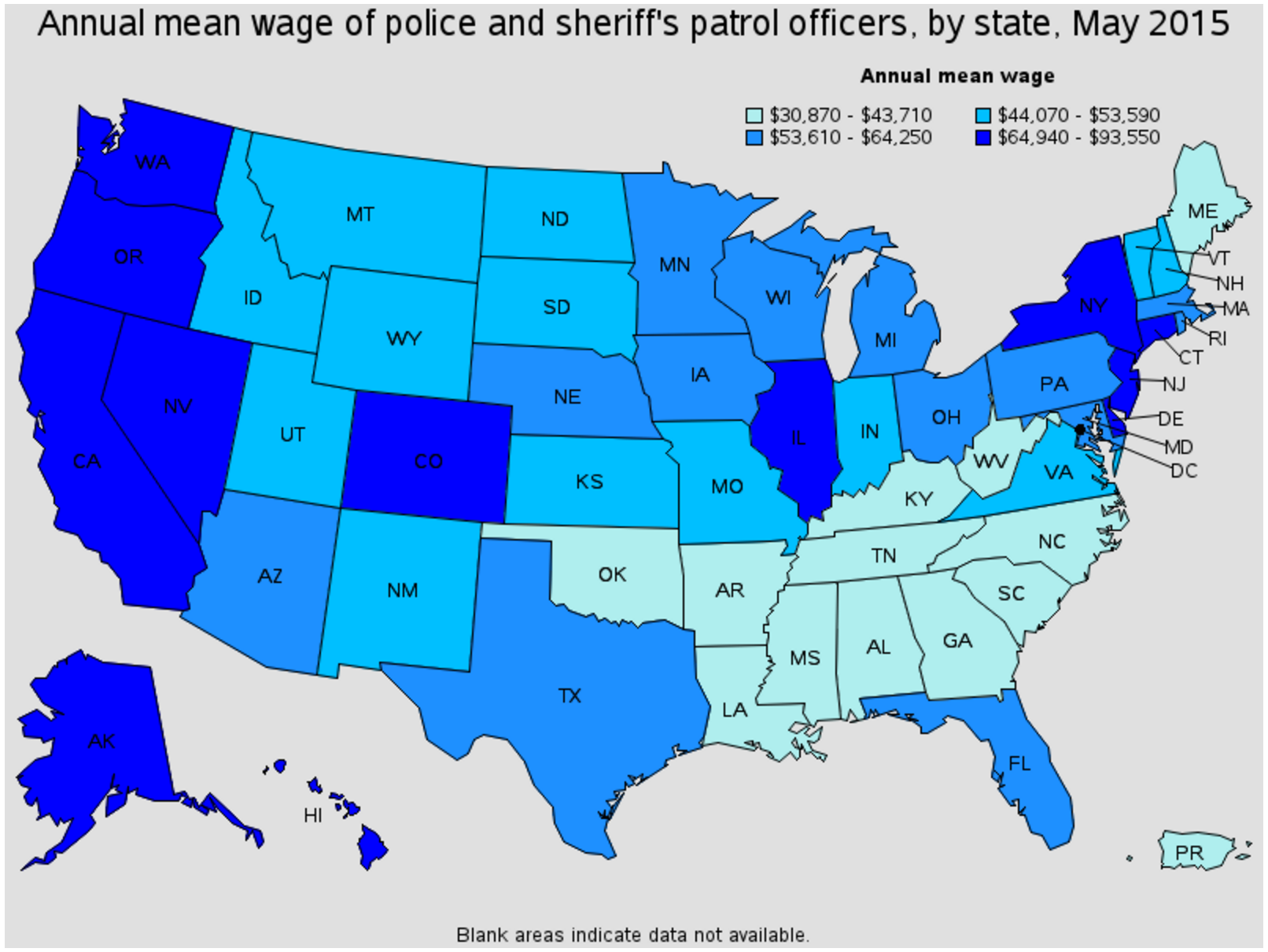
While police salaries in California are generally higher than the national average for law enforcement, they must be viewed through the lens of the state’s notoriously high cost of living. This reality significantly impacts the lifestyle officers can afford, particularly concerning housing, daily expenses, and discretionary spending.
Housing Affordability Challenges
Housing is arguably the single largest financial challenge for police officers in many parts of California. In areas like the San Francisco Bay Area, Orange County, and coastal Los Angeles County, median home prices can easily exceed $1 million, with rental costs for even modest apartments often ranging from $2,500 to $4,000 per month. Even in more moderately priced areas, housing remains significantly above the national average.
This high cost forces many officers to make challenging lifestyle decisions:
- Longer Commutes: Many officers choose to live in more affordable communities further from their workplaces, enduring long daily commutes. While this saves on housing costs, it reduces personal time, impacts work-life balance, and adds expenses for fuel and vehicle maintenance.
- Smaller Living Spaces: Others might opt for smaller homes or apartments than they would prefer or could afford in other states, or they might live with roommates longer into their careers.
- Dual-Income Households: For many officers, a second income from a spouse or partner is essential to maintain a comfortable family lifestyle, especially if they wish to own a home in desirable areas.
These housing pressures mean that even a six-figure salary, which might seem substantial elsewhere, offers a more modest lifestyle when factoring in California’s real estate market.
Daily Expenses and Disposable Income
Beyond housing, the cost of everyday goods and services in California is also higher than the national average. Groceries, utilities, transportation, and childcare all consume a larger portion of an officer’s income. This leaves a variable amount of disposable income for leisure activities, hobbies, travel, and savings, which are critical components of a balanced lifestyle.
For an officer making $100,000 in a high-cost area, after taxes, retirement contributions, and essential living expenses (especially housing), the remaining disposable income might be surprisingly limited compared to what a similar salary would afford in a lower-cost state. This necessitates careful budgeting and financial planning to ensure a desired quality of life, including opportunities for family vacations, dining out, or pursuing personal interests.
Lifestyle Implications: From Budgeting to Travel Opportunities
The combination of competitive salaries, comprehensive benefits, and the high cost of living in California profoundly shapes the lifestyles of its law enforcement officers. These financial realities dictate how officers manage their money, plan for the future, and ultimately, how they experience life in the Golden State.
Budgeting Strategies for California Officers
Effective budgeting is not just advisable but often essential for California police officers to maintain financial stability and achieve lifestyle goals. Many officers employ disciplined financial strategies to navigate the high cost of living:
- Prioritizing Housing: A significant portion of income is often allocated to housing, making strategic choices about location and property type crucial.
- Aggressive Savings: Despite high expenses, many aim to save for emergencies, retirement, and future investments, often leveraging departmental deferred compensation plans.
- Utilizing Benefits: Maximizing health benefits, taking advantage of wellness programs, and understanding retirement plan intricacies helps optimize their overall financial picture.
- Secondary Income: While many rely on overtime, some officers or their spouses pursue part-time work or side hustles to supplement income and improve their lifestyle flexibility.
These strategies allow officers to build equity, create safety nets, and ensure they are not living paycheck to paycheck, even in expensive markets.
Travel and Leisure for Law Enforcement Families
The ability to travel and enjoy leisure activities is a significant aspect of a well-rounded lifestyle. For California police officers, their income levels, coupled with generous paid time off, often enable them to explore the state’s numerous attractions or even venture further afield.
- Local Exploration: With access to stunning natural parks, diverse cities, and beautiful coastlines, many officers and their families enjoy weekend getaways to places like Yosemite National Park, Lake Tahoe, or Disneyland. The proximity to these destinations makes them accessible for short, budget-friendly trips.
- Domestic and International Travel: For experienced officers with higher salaries and substantial savings, longer domestic vacations (e.g., to Hawaii or the East Coast) or even international travel are within reach, particularly during longer breaks or off-peak seasons. The planning for such trips often involves careful budgeting throughout the year.
- Work-Life Balance: The critical factor here is not just income, but also the ability to take time off. Departments generally recognize the importance of mental health and family time, providing policies that support officers in taking well-deserved breaks.
Ultimately, while the financial landscape in California is demanding, a career in law enforcement offers competitive compensation that, with astute financial management, can support a fulfilling lifestyle, including opportunities for travel and leisure, both within the Golden State and beyond.

Long-Term Financial Planning and Retirement Lifestyle
The robust pension systems available to California law enforcement officers provide a strong foundation for a comfortable retirement lifestyle. This long-term financial security is a major draw for the profession and a key element of an officer’s overall lifestyle planning. Officers can retire with a significant portion of their final salary, often after 20-30 years of service, allowing them to pursue new interests, travel extensively, or even relocate to a more affordable area during their post-career years. The assurance of a stable retirement income contributes significantly to an officer’s peace of mind throughout their career, influencing current lifestyle decisions and allowing for strategic planning towards future endeavors, free from the immediate financial pressures of active duty.
LifeOutOfTheBox is a participant in the Amazon Services LLC Associates Program, an affiliate advertising program designed to provide a means for sites to earn advertising fees by advertising and linking to Amazon.com. Amazon, the Amazon logo, AmazonSupply, and the AmazonSupply logo are trademarks of Amazon.com, Inc. or its affiliates. As an Amazon Associate we earn affiliate commissions from qualifying purchases.