
For any traveler exploring the vibrant culinary scene of California, understanding the economics of the service industry, particularly what waiters earn, offers valuable insight. This isn’t just about curiosity; it informs tipping practices, budgeting for meals, and appreciating the local culture surrounding food and service. In a state renowned for its diverse gastronomy, from bustling street food markets in Los Angeles to world-class fine dining in San Francisco and Napa Valley, the livelihood of those serving these culinary delights is intrinsically linked to the overall dining experience and the local economy.
The Golden State’s Service Economy: A Tourist’s Perspective
California stands out in the United States for its generally higher cost of living and, consequently, its higher minimum wage compared to many other states. This economic reality significantly impacts the service industry. For tourists, understanding the financial landscape faced by waiters can help contextualize menu prices and guide tipping decisions, which are a crucial component of a waiter’s income in America.
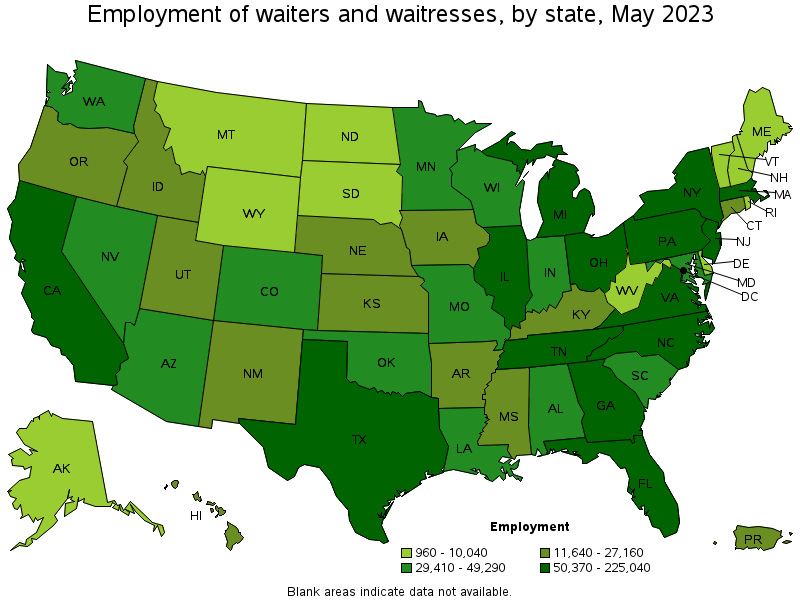
Unlike some countries where service charges are often integrated directly into menu prices or considered a standard part of staff wages, the United States largely operates on a tipping system. This means that while waiters receive a base hourly wage, a substantial portion—often the majority—of their take-home pay comes from tips.
In California, the state minimum wage is among the highest in the nation, applying equally to tipped and non-tipped employees. This means waiters earn at least the state minimum wage before tips, a significant difference from many other states that allow employers to pay a much lower “tipped minimum wage.” Beyond the state minimum, many cities and counties within California have their own, even higher, local minimum wages. For instance, in major tourist hubs like San Francisco, Los Angeles, San Diego, and San Jose, the minimum wage can be several dollars an hour higher than the state minimum. This baseline provides a degree of financial stability, but it’s the tips that truly differentiate earnings and allow waiters to cope with California’s often exorbitant cost of living, especially in urban centers.
On average, a waiter’s gross earnings in California, combining their hourly wage and tips, can range significantly. While specific figures fluctuate based on location, establishment type, and individual performance, many full-time waiters can expect to earn anywhere from $30,000 to over $70,000 annually, with top performers in high-end establishments in prime locations potentially exceeding this range. For tourists, this insight underscores the importance of tipping as a direct contribution to the livelihood of the service staff.
Decoding Tipping Culture in California for Visitors
Tipping is an integral part of the dining experience in California, and indeed across the United States. For international visitors, especially those from cultures where tipping is not customary or is handled differently, understanding these norms is essential for a smooth and respectful dining experience.
The standard tipping percentage in California for good service generally falls between 15% and 20% of the pre-tax bill. Due to the high cost of living and the expectation of high-quality service, many patrons in California tend to tip towards the higher end of this spectrum, often aiming for 18% to 20%. For truly exceptional service, a tip exceeding 20% is a generous and appreciated gesture.
How Tips Are Shared
It’s also worth noting that the tips you leave do not always go entirely to your server. Many restaurants implement “tip pooling” or “tipping out” systems, where a portion of the waiter’s tips is shared with other staff members who contribute to your dining experience, such as bussers, food runners, bartenders, and sometimes even kitchen staff. This practice is common and helps ensure a fairer distribution of income among the entire service team.
Service Charges vs. Tips
Tourists should be aware of a growing trend in some California restaurants, particularly in metropolitan areas like San Francisco or Los Angeles, to add a “service charge” to the bill. These charges, which can range from 3% to 20%, are often intended to cover various operational costs, provide staff benefits, or supplement staff wages, sometimes in lieu of traditional tips or in combination with them.
If a service charge is included, the restaurant is legally required to disclose this clearly on the menu. It’s important to read the menu and your bill carefully. If a service charge is present, it’s typically optional to leave an additional tip, though some patrons still choose to do so if they feel the service warrants it and the service charge did not explicitly state it fully covers gratuity. When in doubt, it’s perfectly acceptable to politely ask your server or the host about the restaurant’s policy regarding service charges and additional tipping.
Factors Shaping Waiter Earnings Across California’s Diverse Regions
A waiter’s income in California is far from uniform. Several critical factors influence how much an individual can expect to make, offering tourists insight into the varying dynamics of the service industry across the state.
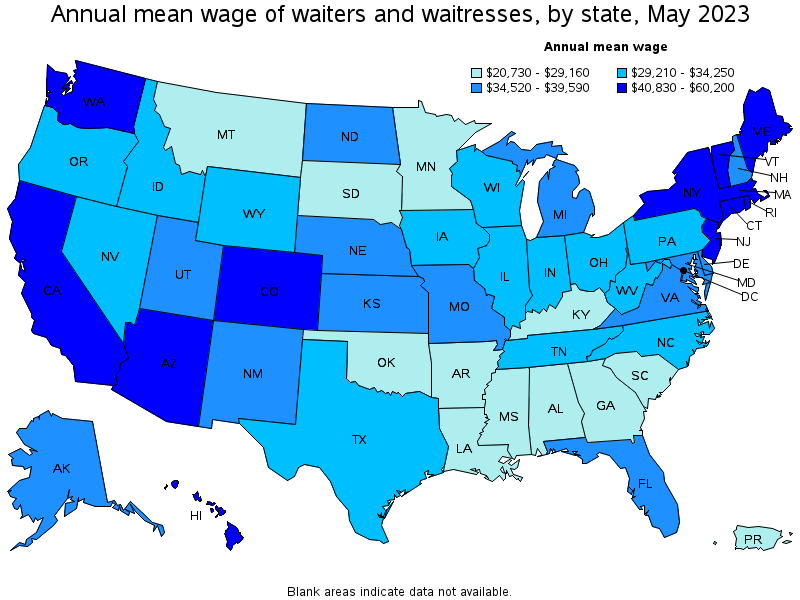
Fine Dining vs. Casual Establishments
The type of restaurant significantly impacts potential earnings. Waiters in high-end, fine-dining establishments, such as Michelin-starred restaurants in Napa Valley or exclusive eateries in Beverly Hills, typically command higher earnings. This is due to several reasons: higher average check prices mean higher tip percentages translate into larger absolute tip amounts, and these establishments often attract a clientele accustomed to tipping generously for superior service. In contrast, waiters in casual diners, fast-casual restaurants, or cafes will generally have lower check averages and thus, lower tip earnings, relying more heavily on their base hourly wage.
Geographic Location
California is a vast state with diverse economies. Earnings for waiters can vary dramatically between bustling tourist hubs and quieter, less populated regions.
- Major Metropolitan Areas: Cities like San Francisco, Los Angeles, and San Diego boast higher minimum wages, a higher volume of tourists, and a greater concentration of upscale dining options, leading to higher earning potential. The sheer number of visitors ensures consistent business.
- Tourist Destinations: Regions centered around specific attractions, such as Anaheim (home to Disneyland), Santa Barbara, or Palm Springs, also see elevated earnings during peak seasons due to increased visitor traffic.
- Rural or Less Tourist-Dependent Areas: In cities like Fresno or Bakersfield, where tourism is less prominent and the cost of living is lower, waiter incomes typically reflect these different economic realities.
Seasonality and Special Events
Tourism in California is often seasonal, impacting waiter earnings. Summer months, major holidays (like Christmas, New Year’s, and Thanksgiving), and local events (such as film festivals, music festivals, or large conventions in places like Anaheim or Long Beach) can significantly boost a waiter’s income due to increased customer volume and higher spending. Conversely, off-peak seasons might see a dip in earnings.
Experience and Skill
An experienced waiter who is knowledgeable about the menu, wine pairings, and local specialties, and who can provide exceptional, personalized service, is more likely to receive higher tips. Their ability to manage multiple tables efficiently, upsell appropriately, and resolve issues discreetly directly contributes to customer satisfaction and, by extension, their gratuities.
The Waiter’s Role: Enhancing Your California Dining Experience
Beyond the financial aspects, it’s crucial for tourists to recognize the significant role waiters play in shaping their dining experience and, by extension, their overall visit to California. A good waiter is much more than just someone who takes orders and delivers food; they are often the face of the restaurant and a direct point of contact with local culture.
Waiters can be invaluable resources for tourists. They possess intimate knowledge of the menu, can offer recommendations tailored to dietary restrictions or preferences, suggest perfect wine pairings from California’s renowned vineyards, and even provide insights into local attractions or cultural nuances. A knowledgeable and attentive waiter can transform a simple meal into a memorable culinary journey, providing a richer, more authentic taste of the Golden State.
Their ability to anticipate needs, address concerns promptly, and maintain a friendly demeanor contributes directly to a positive dining atmosphere. This dedication to service excellence is often the driving force behind generous tipping, creating a symbiotic relationship where exceptional effort is rewarded, reinforcing the high standards of California’s hospitality industry. As a tourist, appreciating this human element of service enhances not just your meal, but your understanding of the local economy and the people who make it thrive.
Budgeting for Dining and Tipping as a California Tourist
As you plan your gastronomic adventures across California, it’s wise to factor in the cost of dining, including tips, to ensure a comfortable and stress-free trip. Given the insights into waiter earnings and tipping culture, here’s how tourists can budget effectively:
Account for Tipping
Always budget an additional 18-20% for tips on top of the menu prices. If your meal costs $100, plan for an extra $18-$20 for gratuity. This seemingly small addition can significantly impact your daily budget if overlooked, especially when dining out frequently.
Choose Your Dining Tier Wisely
California offers an incredible spectrum of dining experiences.
- Fine Dining: For upscale restaurants, expect higher prices and plan for the higher end of the tipping scale (20% or more). These experiences, often found in culinary hotspots like Yountville or Santa Monica, are often worth the splurge for a truly special occasion.
- Mid-Range Restaurants: These offer a balance of quality and cost, and your 18-20% tip will be well received. This category is typical for many tourist-friendly restaurants in cities like Sacramento or Pasadena.
- Casual Dining/Food Trucks: While some casual eateries might not involve table service (e.g., counter service), many still have tip jars or options to add a tip when paying by card. It’s polite to leave a small tip ($1-2 per person or 10-15%) for any service rendered, especially if staff bring food to your table or provide extra assistance.
Be Aware of Service Charges
Always review your bill before paying to identify any pre-added service charges. If one is present, understand what it covers and adjust your additional tip, if any, accordingly. Most menus will clearly state their policy.

Support Local Economies
By understanding and participating in the local tipping culture, tourists directly contribute to the livelihoods of service workers in California. Your tips help these individuals afford the high cost of living in the state and continue to provide the excellent service that enhances California’s reputation as a premier tourist destination.
In essence, a waiter’s earnings in California are a complex blend of a competitive minimum wage and significant tip income, shaped by location, establishment type, and individual skill. For the discerning tourist, this knowledge enriches the travel experience, fostering greater appreciation for the dedicated individuals who make California’s diverse culinary landscape so enjoyable.
LifeOutOfTheBox is a participant in the Amazon Services LLC Associates Program, an affiliate advertising program designed to provide a means for sites to earn advertising fees by advertising and linking to Amazon.com. Amazon, the Amazon logo, AmazonSupply, and the AmazonSupply logo are trademarks of Amazon.com, Inc. or its affiliates. As an Amazon Associate we earn affiliate commissions from qualifying purchases.