
As a premier destination for both adventure seekers and those simply looking for a vibrant urban experience, Colorado offers a plethora of activities. Among these, the realm of online sports betting and casino gaming has seen significant growth, particularly since the state legalized sports wagering in 2020. This shift has led many, especially tourists and new residents, to question the legality of various platforms, specifically offshore sites like Bovada. Understanding the nuances of Colorado’s regulated market versus the operations of offshore entities is crucial for anyone engaging in online betting activities within the state. For those exploring the local culture and activities, distinguishing between legal, regulated options and those operating in a grey area is an essential tip for responsible engagement.
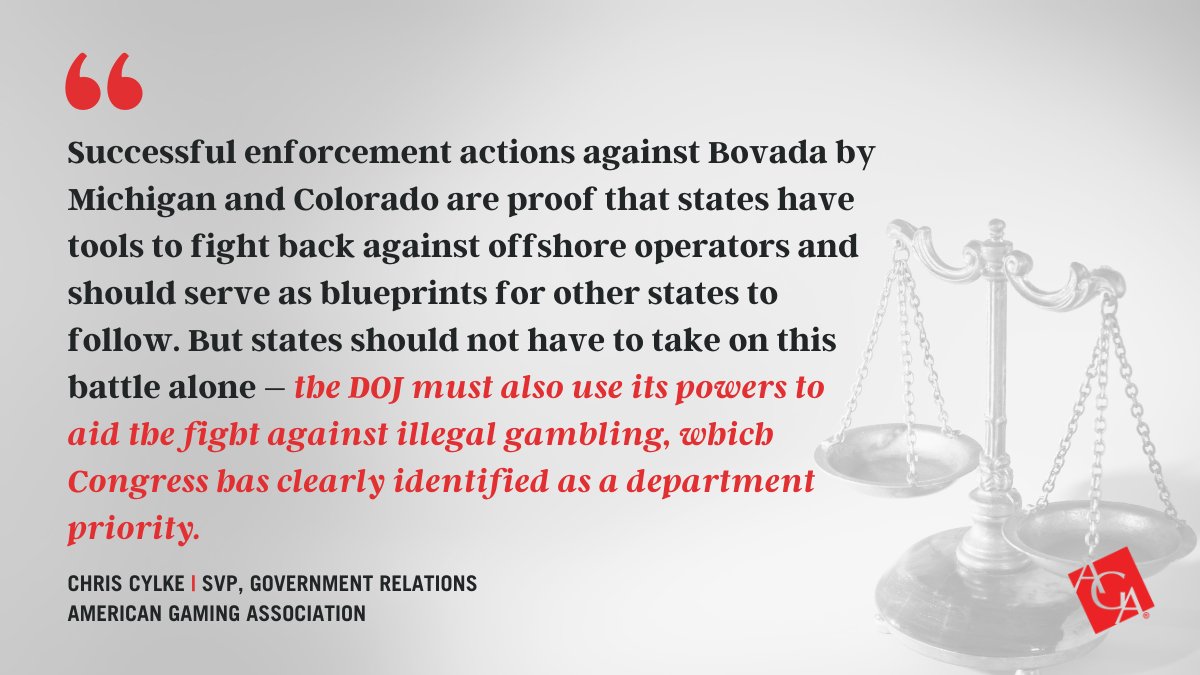
Understanding Colorado’s Stance on Online Wagering
Colorado has embraced a progressive approach to sports betting, making it one of the most robust regulated markets in the United States. Following the passage of Proposition DD in November 2019, the state officially launched its legal sports betting market in May 2020. This move was a significant step, allowing licensed operators to offer both online and retail sports wagering to individuals within state lines. The primary goal of this regulation was to provide a safe, secure, and taxable environment for sports betting, protecting consumers and generating revenue for state services, particularly for water conservation projects.
The Regulated Market vs. Offshore Platforms
The key distinction lies between licensed operators within Colorado and offshore platforms like Bovada. Colorado’s legal framework explicitly states that only sportsbooks licensed by the Colorado Division of Gaming are permitted to accept wagers from individuals located in the state. These licensed operators adhere to strict regulatory guidelines concerning responsible gaming, fair play, data security, and financial transparency. They employ geo-location technology to ensure that users are physically present within Colorado borders when placing bets.
Offshore platforms, conversely, are not licensed by the Colorado Division of Gaming or any other U.S. state regulatory body. They operate outside U.S. jurisdiction, typically from countries where online gambling laws are more lenient or non-existent. While they may accept customers from Colorado (and other U.S. states), they do so without legal authorization from the state. This distinction is paramount when considering the legality and safety of your betting activities.
Licensing and Consumer Protections
For licensed sportsbooks in Colorado, the licensing process is rigorous. Operators must demonstrate financial stability, adhere to strict operational standards, and implement robust consumer protection measures. These measures include self-exclusion programs for problem gamblers, limits on deposits and wagers, transparent terms and conditions, and clear dispute resolution processes. Furthermore, player funds held by licensed operators are typically segregated from operational funds, providing a layer of security in case of financial distress.
Offshore sites offer none of these protections under Colorado law. Should a dispute arise with an offshore platform, or if an operator defaults on payouts, individuals have no recourse through the Colorado Division of Gaming or the U.S. legal system. This lack of oversight and consumer protection is a significant concern for tourists and residents alike who might be exploring gambling activities in the state.
The Nature of Bovada and Its Operations
Bovada is a well-known name in the world of online gambling, offering a range of services including sports betting, casino games, and poker. However, its operational model positions it distinctly outside the legal framework of regulated U.S. states like Colorado.
What is an Offshore Betting Site?
An offshore betting site is an online gambling platform that is licensed and operates in a jurisdiction outside of the United States. Common jurisdictions for such sites include Costa Rica, Curacao, Panama, and Antigua and Barbuda. While these sites may possess valid licenses in their home countries, these licenses do not grant them legal authority to operate in U.S. states where online gambling is regulated on a state-by-state basis. They operate in a legal “grey area” from the perspective of U.S. federal and state laws, as federal laws like the Unlawful Internet Gambling Enforcement Act (UIGEA) primarily target the financial transactions of providers rather than individual bettors.
Bovada’s Operational Model
Bovada does not possess a license from the Colorado Division of Gaming or any other U.S. state. It operates by accepting customers from various U.S. states where it is not legally licensed, relying on the fact that individual bettors are generally not prosecuted for placing bets with offshore sites. The primary legal risk typically falls on the operators themselves and the financial institutions that facilitate transactions with these unregulated entities. Bovada facilitates deposits and withdrawals through various methods, sometimes utilizing intermediaries to circumvent direct financial institution blocks that might arise due to UIGEA. For a tourist or resident in Colorado, engaging with Bovada means interacting with an entity that exists outside the state’s legal and regulatory framework for gambling.
The Legal Nuances for Individuals in Colorado

The critical question for many is whether an individual user in Colorado is breaking the law by placing a bet on Bovada. While Colorado law prohibits unlicensed operators from accepting wagers within the state, it does not explicitly criminalize the act of an individual placing a bet on an offshore site.
State vs. Federal Laws
At the federal level, the UIGEA targets financial transactions related to unlawful internet gambling businesses, making it illegal for gambling businesses to knowingly accept payments in connection with unlawful internet gambling. It does not target individual bettors. In Colorado, the focus of the state’s gambling laws is on regulating the providers of gambling services. The state wants to ensure that any entity offering sports betting or casino games within its borders is properly licensed, pays taxes, and adheres to consumer protection standards.
While it is illegal for Bovada to operate in Colorado without a license, the laws are not typically structured to prosecute individual residents or tourists for placing bets on such platforms. There is virtually no precedent in the U.S. for individuals being arrested or charged for simply betting on an offshore website from their home or a hotel room. This creates a de facto “grey area” where the act of betting might not be explicitly illegal for the individual, even if the service provider is operating illegally in the state’s eyes.
Enforcement and Precedent
Enforcement efforts in states with regulated markets like Colorado are overwhelmingly directed at the unlicensed operators themselves, and the financial institutions that facilitate their operations. Regulators are primarily concerned with upholding the integrity of the state’s legal gambling market and ensuring tax revenues are collected. For a tourist visiting Denver or a local enjoying the Rocky Mountains, the practical reality is that the legal risk to them for using an offshore site like Bovada is extremely low. However, this does not equate to legality or safety.
Why Colorado Tourists and Residents Should Be Aware
Even if the immediate legal repercussions for individuals are minimal, there are significant practical reasons why both tourists and permanent residents in Colorado should opt for state-licensed operators over offshore sites like Bovada. This advice forms a crucial tip for anyone participating in online activities in the Centennial State.
Risks Associated with Unregulated Platforms
The primary risks of using offshore sites stem from their lack of regulation within the U.S. and specifically within Colorado.
- No Consumer Protection: If a dispute arises regarding payouts, account closures, or unfair practices, you have no legal recourse through U.S. or Colorado authorities. You are at the mercy of the offshore site’s own terms and conditions and its internal dispute resolution process, which may not be transparent or fair.
- Security of Funds: There is no guarantee that your deposits are held securely or segregated from the operator’s funds. If the offshore site faces financial difficulties or goes out of business, your money could be lost without any possibility of recovery.
- Data Security: Offshore sites may not adhere to the same stringent data privacy and security standards as regulated U.S. operators, potentially exposing your personal and financial information to greater risks.
- Fairness of Games: While reputable offshore sites may use certified random number generators, the absence of independent U.S. regulatory audits means there’s less assurance regarding the fairness and integrity of the games offered.
For someone visiting Colorado and looking to enjoy the local activities, these risks can turn an otherwise enjoyable pastime into a stressful ordeal.
Safe and Legal Alternatives for Wagering
Colorado’s regulated market offers numerous safe and legal alternatives for sports betting. Many reputable and well-known brands operate under license from the Colorado Division of Gaming, providing robust platforms for sports wagering. These include major national brands that adhere to strict regulatory standards, offer secure payment methods, and provide comprehensive customer support.
For anyone in [Colorado](https://lifeoutofthebox.com/colorado], whether a tourist exploring the cultural landmarks or a local enjoying the outdoor adventures, choosing a licensed operator ensures peace of mind. You are protected by state law, have avenues for dispute resolution, and can be confident that your funds and personal information are handled responsibly. Always look for the Colorado Division of Gaming logo or mention of state licensing on any betting platform you consider using.

Responsible Gaming for Visitors and Locals Alike
Whether you choose a regulated platform or an offshore site (despite the inherent risks), responsible gaming practices are paramount. Colorado’s regulated market places a strong emphasis on responsible gaming, offering resources and tools to help individuals manage their betting habits. Tips for all users include:
- Set Limits: Establish clear deposit, wager, and time limits and stick to them.
- Gamble for Entertainment: View betting as a form of entertainment, not a reliable source of income.
- Avoid Chasing Losses: Do not try to recover lost money by placing more bets.
- Seek Help if Needed: If you feel your gambling is becoming a problem, utilize the resources offered by regulated sites or state-sponsored programs for problem gambling.
Ultimately, while the direct legal threat to an individual using Bovada in Colorado might be minimal, the myriad risks associated with unregulated platforms make them an ill-advised choice. For an optimal and secure experience, tourists and residents alike are strongly encouraged to utilize the fully legal and regulated sports betting options available within Colorado’s borders, ensuring both enjoyment and protection as they engage with the state’s diverse activities.
LifeOutOfTheBox is a participant in the Amazon Services LLC Associates Program, an affiliate advertising program designed to provide a means for sites to earn advertising fees by advertising and linking to Amazon.com. Amazon, the Amazon logo, AmazonSupply, and the AmazonSupply logo are trademarks of Amazon.com, Inc. or its affiliates. As an Amazon Associate we earn affiliate commissions from qualifying purchases.