
Embarking on a quest to catch a Tarpon, often referred to as the “Silver King,” is a quintessential Florida experience, drawing anglers from across the globe to its abundant coastal waters. Understanding when and where these magnificent game fish are most active is paramount to planning a successful and memorable trip. While Tarpon can be found in Florida year-round to some extent, their migratory patterns dictate specific peak seasons, offering prime opportunities for engagement. The allure of a high-flying, acrobatic Tarpon on the end of a line is unmatched, making precise timing a critical factor for any serious angler. This guide delves into the intricate seasonal movements, preferred habitats, and essential considerations for maximizing your chances of encountering these incredible creatures. From the tranquil backcountry of the Everglades to the bustling passes of Southwest Florida, each region offers a unique window into the world of Tarpon fishing, demanding a tailored approach to planning and execution.
The Migratory Patterns of the Silver King
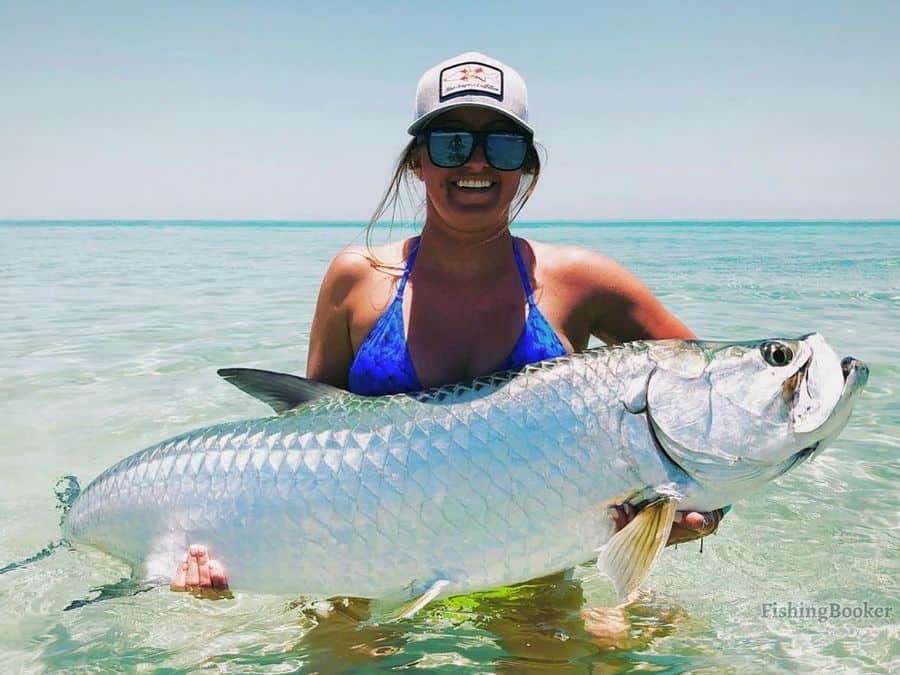
The annual migration of Tarpon through Florida’s waters is a natural spectacle, driven primarily by spawning instincts and the pursuit of favorable water temperatures and abundant food sources. This grand movement dictates the ebb and flow of what anglers consider “tarpon season,” which broadly spans from late spring through early autumn, though with distinct regional variations. Their journey takes them along both the Atlantic Ocean and Gulf of Mexico coasts, creating diverse fishing opportunities for those who understand their path. Early season arrivals and peak season concentrations are key considerations for any travel itinerary centered around this thrilling pursuit.
Southern Florida’s Early Arrivals
The first significant signs of the Tarpon migration typically emerge in the warmer, southern reaches of Florida as early as March. Regions like the Florida Keys and the Everglades National Park become prime hunting grounds. In March and April, these areas serve as critical staging points where large schools of pre-spawn Tarpon gather. The shallow, clear waters of the Keys, particularly around Islamorada and Key West, offer sight-fishing opportunities that are hard to beat. Anglers here can often spot cruising fish in the backcountry or along the oceanside flats, presenting a unique challenge and reward. Similarly, the labyrinthine waterways of the Everglades, including areas near Chokoloskee and the Ten Thousand Islands, see an influx of Tarpon seeking warmer water and baitfish. This early season offers a chance to target fish that are often more aggressive as they prepare for their offshore spawning ritual.
Peak Season in Central and Northern Waters
As the year progresses into May and June, the migration intensifies, and vast numbers of Tarpon move northwards along both coasts. The undisputed epicenter of the Tarpon migration on the Gulf Coast is Boca Grande Pass in Southwest Florida. This natural deep-water channel, connecting Charlotte Harbor to the Gulf of Mexico, becomes a bottleneck for millions of migrating fish. From May through July, the pass is swarming with Tarpon, offering unparalleled angling opportunities for both conventional tackle and fly-fishing enthusiasts. Surrounding areas like Punta Gorda, Port Charlotte, Sarasota, and Fort Myers also experience peak activity during these months.
On the Atlantic Coast, the migration follows a similar trajectory, with peak numbers observed from June through August in central Florida’s inshore lagoons such as Mosquito Lagoon and the Indian River Lagoon. Even the Panhandle, particularly around Port St. Joe and Destin, sees a respectable tarpon presence during the heart of summer. While the fishing can remain strong into August and even September in certain areas, particularly as fish begin their southbound journey, the absolute peak for most of Florida is undeniably from May to July. This period offers the highest concentration of fish, the most consistent weather, and the greatest chance for a trophy catch.
Understanding Tarpon Behavior and Habitats
Successfully targeting Tarpon hinges not just on timing your visit, but also on understanding their specific behaviors and preferred habitats during different stages of their life cycle and migratory journey. These highly adaptable fish can be found in a variety of environments, from shallow grass flats and mangrove estuaries to deep channels and nearshore reefs. Recognizing these nuances allows anglers to fine-tune their approach and increase their odds of a thrilling hook-up. Their feeding habits and reactions to environmental factors like tides and water temperature are key determinants of their catchability.
Inshore vs. Offshore Encounters
Throughout their migratory cycle, Tarpon utilize both inshore and nearshore/offshore environments. Inshore Tarpon are typically found in shallow-water flats, backcountry bays, and mangrove estuaries. These areas provide abundant baitfish, crabs, and shrimp, making them prime feeding grounds. Sight-fishing for Tarpon in these clear, shallow waters is a unique and challenging experience, often requiring stealth and precise casting. The Florida Keys, the Everglades, and the vast Charlotte Harbor system are renowned for their inshore Tarpon populations. These fish tend to be resident or pre-migratory, offering opportunities outside the main migration peaks in some areas.
Conversely, the large schools of migrating Tarpon that dominate the peak season are often encountered in nearshore waters, particularly around passes, inlets, and along the beaches. These fish are typically larger and more concentrated as they move along the coast or stage for spawning. Boca Grande Pass is the quintessential example of a nearshore Tarpon hot spot, where millions of fish funnel through a narrow channel. Anglers targeting these fish often employ different techniques, such as drifting live baits or casting large artificial lures into the current. Understanding whether you’re chasing inshore or migratory offshore Tarpon will dictate your choice of location, gear, and fishing strategy.
Tidal Influences and Feeding Frenzies
Tides play an incredibly significant role in Tarpon behavior, particularly in their feeding patterns and movements through passes. Strong tidal flows, especially around new and full moons, are often associated with the most active feeding frenzies. As the tide pushes or pulls water through inlets and channels, it concentrates baitfish, creating ideal ambush opportunities for Tarpon. Anglers often find the best action during the last few hours of an incoming tide and the first few hours of an outgoing tide. In areas like Boca Grande Pass, the outgoing tide is particularly famous for producing explosive strikes, as “pass crabs” are flushed out from Charlotte Harbor into the Gulf of Mexico.
Beyond tidal cycles, water temperature is another critical factor. Tarpon prefer warmer waters, typically above 72°F (22°C), which is why their migration coincides with the rising temperatures of late spring and summer. Cold fronts can quickly shut down the bite, making stable, warm weather conditions ideal. Wind also plays a role; light breezes can create a slight chop that conceals anglers, while strong winds can make casting difficult and muddy the waters. Observing these environmental cues and adapting your fishing schedule accordingly will significantly enhance your chances of a successful Tarpon encounter.
Planning Your Ultimate Tarpon Fishing Trip
A successful Tarpon fishing trip in Florida requires meticulous planning, encompassing everything from selecting the ideal time and location to preparing the right gear and engaging experienced professionals. Given the Silver King’s challenging nature, preparation is not just recommended, but essential for a rewarding experience. This planning phase is crucial for optimizing your chances of a memorable encounter with these incredible game fish.

Choosing the Right Time and Location
The most critical decision is pinpointing the best time to visit based on your target region. For the Florida Keys and southern Florida backcountry, March and April offer excellent early-season opportunities. If the goal is to experience the legendary mass migration, then May through July is the prime window, particularly in Southwest Florida around Boca Grande Pass, Charlotte Harbor, Tampa Bay, Anna Maria Island, and Sarasota. Later in the summer, August and September can still produce good fishing, especially as fish move south, and often with fewer crowds.
Consider the specific type of Tarpon fishing experience you desire. Do you prefer sight-casting to individual fish on shallow flats, or do you envision battling massive schools in deep passes? Each scenario dictates a different location and approach. Researching local fishing reports and weather patterns leading up to your trip can also provide invaluable insights into current conditions and fish activity.
Essential Gear and Techniques
Tarpon are powerful fighters, demanding robust tackle. A heavy-duty spinning or conventional rod paired with a high-capacity reel spooled with 50-80 lb braided line is standard. A long, strong leader (60-100 lb fluorocarbon) is crucial to withstand their abrasive mouths and powerful runs. Hook choice depends on bait, but sharp, strong hooks are non-negotiable. Live baits, such as crabs (especially “pass crabs” in Boca Grande Pass), mullet, threadfin herring, or pinfish, are highly effective. Artificial lures, including large soft plastics, swimbaits, and topwater plugs, can also provoke strikes, particularly in calmer conditions. Fly anglers should arm themselves with 10-12 weight fly rods, matching reels, and a variety of large, flashy flies designed to imitate baitfish or crabs. Regardless of the chosen method, mastering proper knot tying and drag settings is essential to avoid losing these acrobatic fish.
Engaging Expert Guides and Charters
For first-time Tarpon anglers or those unfamiliar with Florida’s waters, hiring a reputable fishing guide is arguably the best investment. Experienced guides possess unparalleled local knowledge, knowing precisely where and when the Tarpon are likely to be. They provide all the necessary specialized gear, bait, and most importantly, the expertise to put you on fish and coach you through the intricacies of landing a Silver King. Many guides book up months in advance, especially for peak season dates, so it’s advisable to secure your charter well in advance of your travel dates. This ensures you have access to the best captains and the most productive days on the water.
Conservation and Sustainable Practices
The majestic Tarpon is more than just a prized game fish; it’s a vital part of Florida’s marine ecosystem and a significant economic driver for coastal communities. Recognizing their importance, strict conservation measures are in place to ensure the sustainability of the species for future generations of anglers. Responsible angling practices are paramount when targeting these incredible creatures.
Catch and Release Ethos
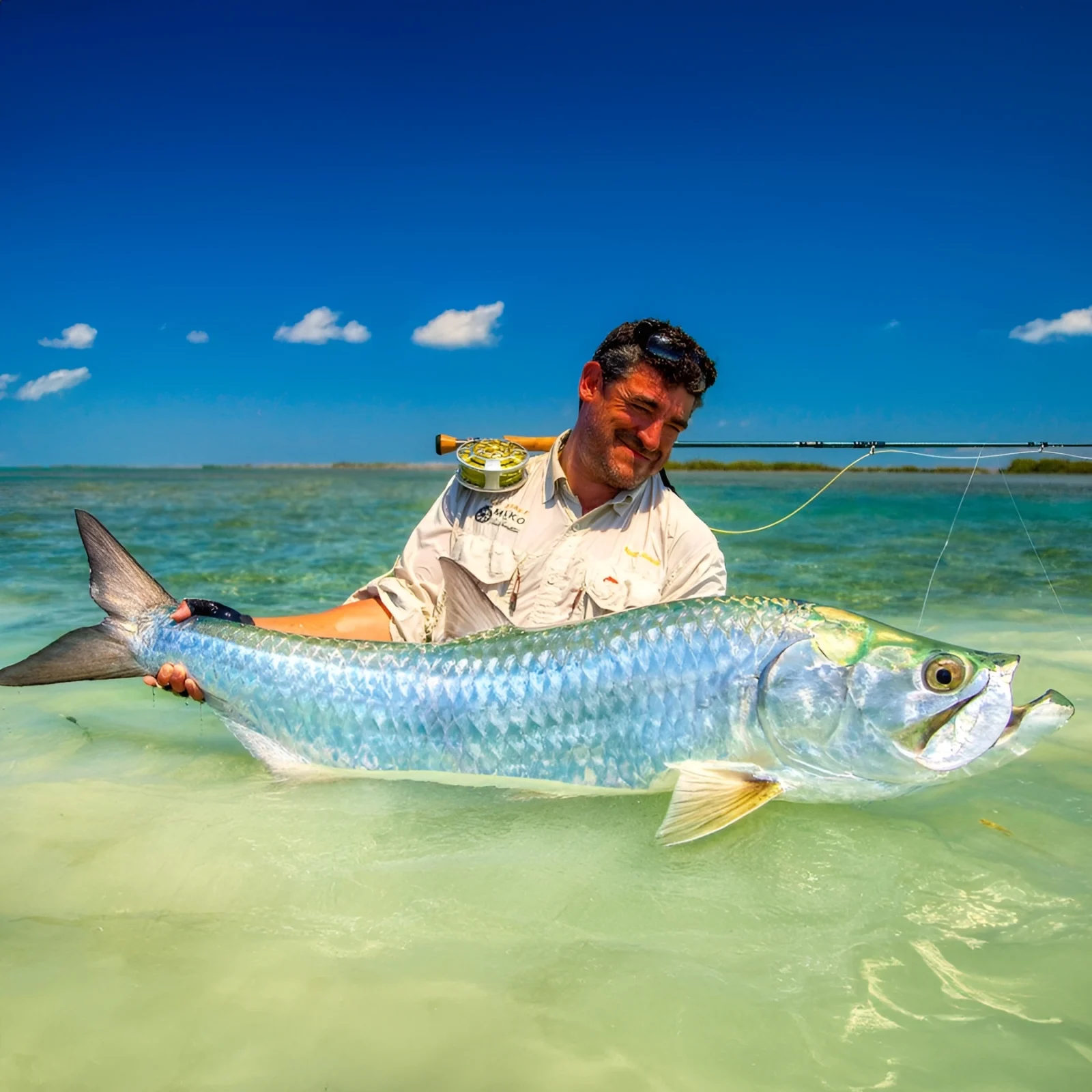
Tarpon are almost exclusively a catch-and-release fishery in Florida. This ethos is central to their conservation, acknowledging their slow growth rates and long lifespans. Anglers are encouraged to minimize fight times, handle fish gently, and ensure proper resuscitation before release. Techniques such as using circle hooks, which typically hook fish in the corner of the mouth, reduce gut-hooking and increase survival rates. Avoid removing large Tarpon from the water, as their body weight can cause internal damage. Instead, revive them boatside and release them quickly. Capturing a memorable photo is possible while the fish remains partially submerged or by carefully supporting its head and tail alongside the boat.
Regulations and Licensing
All anglers fishing for Tarpon in Florida are required to possess a valid Florida saltwater fishing license. Additionally, anyone targeting Tarpon must also purchase a Tarpon tag, even if practicing catch and release. This tag is primarily for researchers to track harvest numbers, though harvesting a Tarpon (which requires the tag to be affixed) is strictly limited to one per person per year and only for fish over 40 inches, under specific circumstances like pursuit of an IGFA world record. It is crucial to be familiar with all current regulations set by the Florida Fish and Wildlife Conservation Commission (FWC) before your trip. These regulations are designed to protect the species and ensure a healthy Tarpon population for years to come.
Beyond the Catch: Experiencing Florida’s Coastal Charms
While the primary focus of a Tarpon fishing trip is undoubtedly the thrill of the catch, Florida’s coastal regions offer a wealth of experiences that complement your angling adventure. Integrating these into your travel itinerary can enrich your overall journey, making it a truly comprehensive Florida getaway. From pristine beaches to vibrant local dining, there’s something for everyone in the family, even for non-anglers.
Accommodations and Local Amenities
Florida’s prime Tarpon fishing destinations boast a diverse range of accommodations, catering to various budgets and preferences. In the Florida Keys, you’ll find charming guesthouses, boutique resorts, and spacious vacation rentals in towns like Islamorada, Marathon, and Key West. Along the Gulf Coast, areas like Boca Grande, Punta Gorda, Sarasota, and Fort Myers offer luxury resorts, family-friendly hotels, and private waterfront homes. Many of these accommodations provide easy access to marinas, boat ramps, and fishing charters. Beyond lodging, you’ll discover excellent dining options, from fresh seafood shacks to upscale restaurants, ensuring you can savor the local culinary scene after a day on the water. Local bait and tackle shops are also readily available, providing any last-minute gear or advice you might need.
Complementary Activities and Attractions
When you’re not battling Tarpon, Florida’s coastal areas offer countless other activities. Explore the white sandy beaches of Anna Maria Island or Sanibel Island, renowned for their shelling opportunities. Consider a snorkeling or diving excursion to discover Florida’s vibrant coral reefs and marine life, particularly around the Keys. Kayaking or paddleboarding through mangrove tunnels provides a tranquil way to experience the unique ecosystem of the Everglades or the Homosassa River and Crystal River, where you might even encounter manatees. Cultural attractions, local art galleries, and nature preserves also offer enriching experiences. For those with a taste for adventure, airboat tours through the wetlands or eco-tours highlighting Florida’s diverse wildlife are popular choices. Planning a multifaceted trip allows everyone to enjoy the Sunshine State’s unique blend of natural beauty and recreational opportunities.
LifeOutOfTheBox is a participant in the Amazon Services LLC Associates Program, an affiliate advertising program designed to provide a means for sites to earn advertising fees by advertising and linking to Amazon.com. Amazon, the Amazon logo, AmazonSupply, and the AmazonSupply logo are trademarks of Amazon.com, Inc. or its affiliates. As an Amazon Associate we earn affiliate commissions from qualifying purchases.