
Understanding the earning potential of a Physical Therapist (PT) in California is crucial for anyone considering this rewarding career path or planning a move to the Golden State. Salary figures are more than just numbers; they directly influence lifestyle choices, from housing and daily expenditures to leisure activities and long-term financial stability. California, known for its diverse landscapes, vibrant culture, and high cost of living, presents a unique economic environment for healthcare professionals. This article delves into the financial realities for PTs, exploring how income shapes the lifestyle one can achieve in this sought-after state.

Understanding the Physical Therapist Salary Landscape in California
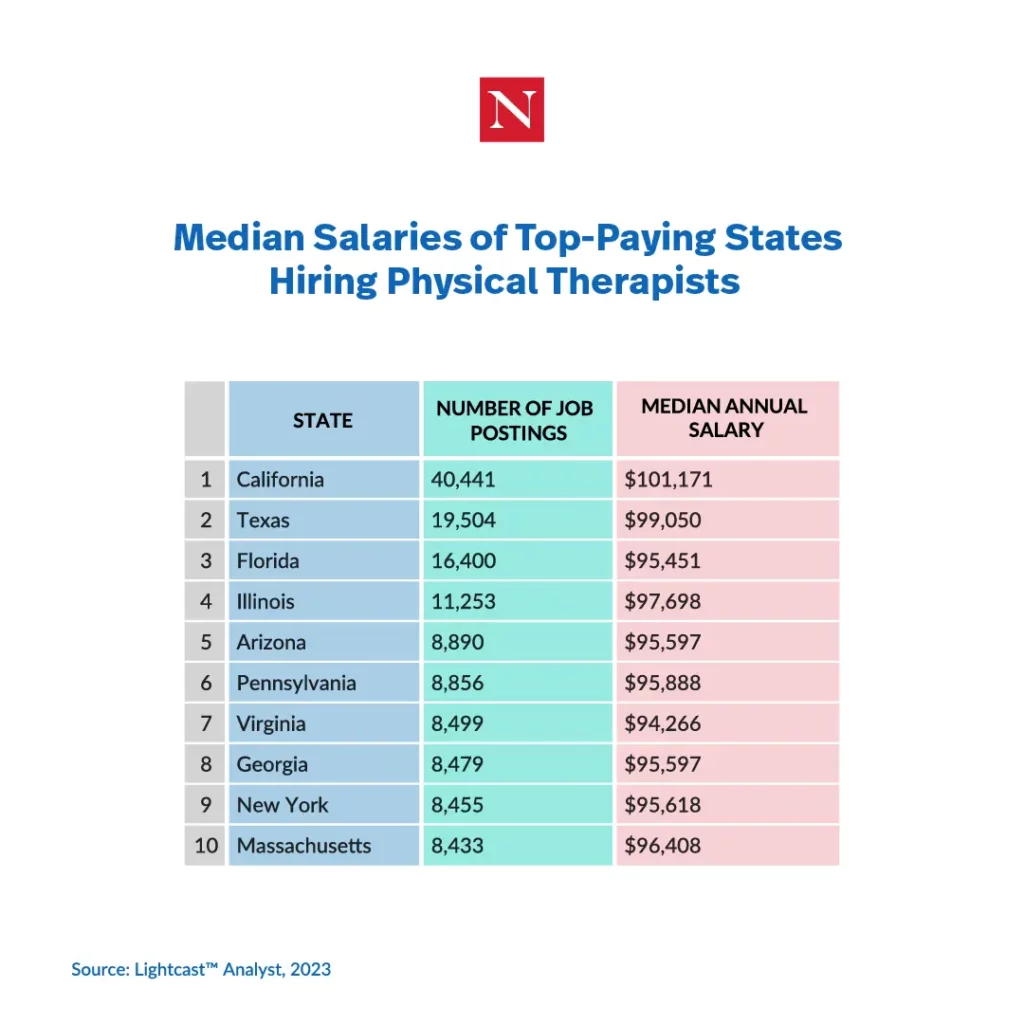
The average annual salary for a Physical Therapist in California is often higher than the national average, reflecting the state’s economic strength and higher cost of living. While specific figures can fluctuate based on various data sources and market conditions, general estimates place the average PT salary in California well into the six figures. This elevated income is a significant factor in enabling a comfortable lifestyle, especially when compared to other states. However, the term “average” masks a wide range of incomes that depend on several critical factors. Entry-level PTs, often with limited experience, might start at a lower end of the spectrum, while seasoned professionals with specialized skills or in leadership roles can command substantially higher salaries.
Averages and Ranges Across the State
Within California, salary averages can vary significantly from one region to another. Major metropolitan areas like Los Angeles, San Francisco, and San Diego typically offer higher compensation packages, often to offset the astronomical cost of living in these urban centers. Conversely, more rural or less densely populated areas might offer slightly lower salaries, though the cost of living there would also generally be more manageable. For instance, a Physical Therapist in San Francisco might earn a higher base salary than one in Sacramento or the Central Valley, but their disposable income could be similar due to housing and other expenses. This regional disparity necessitates a careful consideration of location when evaluating lifestyle potential.
Factors Influencing Earning Potential and Lifestyle
A PT’s salary in California isn’t solely determined by the state average; a multitude of factors play a pivotal role, directly impacting the kind of lifestyle one can afford and maintain. Understanding these variables is key to optimizing earning potential and making informed career choices that align with personal lifestyle aspirations.
Experience and Specialization
Experience is a primary driver of salary growth in the physical therapy field. New graduates typically start with entry-level salaries, which increase steadily with each year of practice. Beyond general experience, specialization can significantly boost earning potential. PTs who pursue advanced certifications in areas like orthopedics, neurology, sports medicine, pediatrics, or geriatrics often command higher salaries due to their specialized expertise and the demand for their skills. These niche areas can lead to roles in specialized clinics, hospitals, or private practices that cater to specific patient populations, thereby allowing for a more affluent lifestyle and greater professional satisfaction.
Work Setting and Location
The environment in which a Physical Therapist works also influences their income. Hospitals, private clinics, skilled nursing facilities, home health agencies, schools, and even sports organizations all have different pay structures. For example, PTs working in large hospital systems or private orthopedic clinics in high-demand urban areas like Orange County might earn more than those in smaller, rural outpatient settings. Home health, though demanding, can sometimes offer competitive per-visit rates, leading to higher overall earnings for those who manage their caseload efficiently. Location, as previously mentioned, is critical. High-cost-of-living cities like San Jose or Santa Monica typically offer higher wages to attract talent, though the net impact on lifestyle often needs to be carefully evaluated against the local cost of living.
Education and Advanced Degrees
While a Doctor of Physical Therapy (DPT) degree is the standard entry-level requirement, pursuing additional education or certifications can enhance earning potential. Post-doctoral fellowships, residencies in specialized areas, or advanced business degrees (like an MBA for those looking to manage clinics or start their own practice) can open doors to higher-paying roles, leadership positions, or entrepreneurial ventures. These investments in education contribute to a more robust skill set and greater market value, directly supporting a more desirable lifestyle.
The California Cost of Living Equation for PTs
California’s allure comes with a well-documented high cost of living, which profoundly impacts how a PT’s salary translates into actual lifestyle. While incomes are often higher, expenses, particularly housing, can consume a significant portion of earnings. Navigating this equation is fundamental to achieving a comfortable and sustainable lifestyle in the state.
Housing and Utilities
Housing is by far the most substantial expenditure for residents in many parts of California. Rent for a modest apartment in cities like San Francisco, Los Angeles, or San Diego can easily exceed half of a PT’s gross monthly income, especially for entry-level professionals. For those aspiring to homeownership, the median home prices in these areas are among the highest in the nation, requiring substantial savings for down payments and significant monthly mortgage payments. Understanding regional differences is crucial; for instance, a PT might achieve a better housing situation and overall quality of life by working in the Inland Empire or Fresno, where housing costs are considerably lower, even if salaries are slightly less. Utilities, including electricity, gas, water, and internet, also tend to be higher than the national average, further eroding disposable income.
Transportation and Daily Expenses
Given California’s sprawling geography, personal transportation is often a necessity, especially outside of dense urban cores with robust public transit. Fuel costs, vehicle insurance, maintenance, and potential parking fees add up quickly. A significant portion of a PT’s budget will also go towards daily expenses such as groceries, dining out, and healthcare. While a PT’s salary typically allows for these expenditures, diligent budgeting and financial planning are essential to avoid feeling financially strained, particularly in higher-cost areas. The ability to save for retirement, invest, or allocate funds for leisure travel directly correlates with how effectively one manages these day-to-day costs.
Career Progression and Long-Term Lifestyle Planning
A career as a Physical Therapist in California offers significant opportunities for growth and advancement, which in turn can lead to an enhanced lifestyle over time. Strategic career planning, including continuing education, networking, and exploring leadership roles or entrepreneurial ventures, is vital for long-term financial success and lifestyle enrichment.
Advanced Roles and Leadership Opportunities
As PTs gain experience, they can transition into advanced roles such as lead therapist, clinical director, or department head. These positions often come with increased salaries, benefits, and management responsibilities. Leadership roles not only offer higher compensation but also provide greater influence over clinic operations, patient care protocols, and staff development, contributing to a more fulfilling professional life. The skills developed in these roles can also be leveraged for consulting or academic positions, broadening career horizons and income streams.
Entrepreneurship and Private Practice
For those with an entrepreneurial spirit, opening a private physical therapy practice in California can be a highly lucrative path, potentially offering the greatest financial rewards and lifestyle flexibility. While starting a practice requires significant investment, business acumen, and marketing effort, successful owners can generate incomes far exceeding those of employed PTs. This path allows for greater control over work-life balance, patient selection, and service offerings, tailoring a professional life that perfectly aligns with personal lifestyle goals, whether that involves more time for family, hobbies, or travel.
Achieving a Fulfilling Lifestyle as a PT in the Golden State
Despite the high cost of living, a Physical Therapist in California can certainly achieve a highly fulfilling and comfortable lifestyle. The key lies in understanding the financial landscape, making informed career decisions, and proactive financial planning. The state offers unparalleled access to natural beauty, cultural experiences, and diverse communities, enhancing the quality of life for those who can afford it.
Balancing Income with Personal Goals
A PT’s salary in California typically allows for a comfortable standard of living, supporting choices like dining at Michelin-star restaurants in San Francisco, weekend trips to Lake Tahoe or Napa Valley, or engaging in outdoor activities like surfing in Malibu or hiking in Yosemite National Park. However, balancing these aspirations with financial realities requires careful budgeting and a clear understanding of personal priorities. For some, a smaller living space in a desirable urban area might be acceptable to prioritize cultural experiences, while others might opt for a larger home in a suburban setting to maximize family life.

Financial Planning and Investment
To truly thrive and build a sustainable lifestyle in California, PTs must engage in robust financial planning. This includes setting aside funds for retirement, investing wisely, managing student loan debt effectively, and building an emergency fund. Given the strong earning potential, PTs have an excellent opportunity to build significant wealth over their careers, which supports not only current lifestyle choices but also long-term goals like early retirement, extensive travel, or supporting family. Understanding the intricacies of California’s tax system and seeking professional financial advice can further optimize financial outcomes, ensuring that a PT’s hard-earned income effectively contributes to their desired lifestyle. The profession offers a stable and growing career with the means to enjoy the unique and vibrant lifestyle that only the Golden State can offer.
LifeOutOfTheBox is a participant in the Amazon Services LLC Associates Program, an affiliate advertising program designed to provide a means for sites to earn advertising fees by advertising and linking to Amazon.com. Amazon, the Amazon logo, AmazonSupply, and the AmazonSupply logo are trademarks of Amazon.com, Inc. or its affiliates. As an Amazon Associate we earn affiliate commissions from qualifying purchases.