
Understanding the costs associated with obtaining a California ID card is a crucial aspect of lifestyle planning, whether you’re a new resident establishing roots, a long-term inhabitant needing renewal, or someone seeking secondary identification. Beyond the simple transaction fee, the process intersects with various facets of daily life, impacting budget, convenience, and access to services within the Golden State. This guide delves into the financial and practical considerations, framing the California ID card as an essential component of an organized and effective lifestyle.
Understanding the Importance of a California ID in Your Lifestyle
A California ID card is far more than just a piece of plastic; it’s a gateway to various aspects of modern life. For many, especially those who do not possess a driver’s license, it serves as the primary form of state-issued identification. Its importance in your lifestyle cannot be overstated, touching upon legal, financial, and social dimensions.
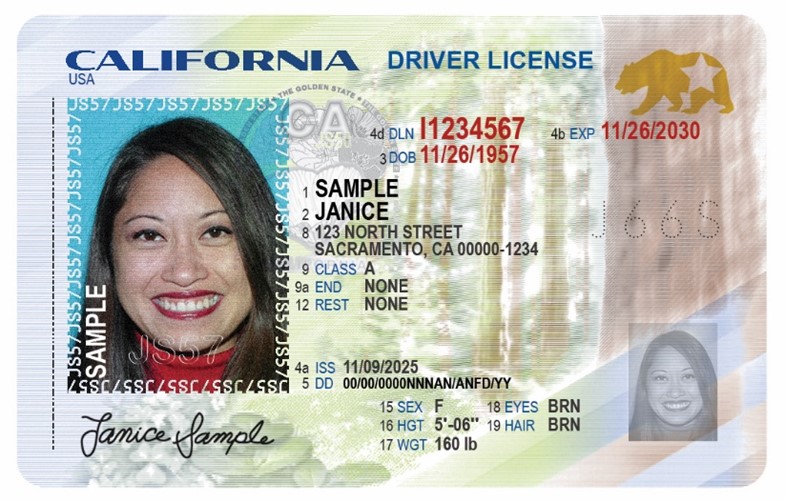
- Legal and Official Identification: At its core, the ID card provides proof of identity and age. This is vital for countless interactions, from law enforcement inquiries to voting in local and state elections. Without it, even simple tasks can become cumbersome, posing a significant hurdle to a smooth lifestyle.
- Access to Services and Opportunities: Many essential services require valid identification. Opening a bank account, applying for a job, accessing government benefits, or even picking up a package from the post office often necessitate a state-issued ID. For new residents, securing a California ID is a foundational step toward integrating into the community and accessing necessary resources.
- Lifestyle Activities and Age Verification: From enjoying California’s vibrant nightlife to purchasing age-restricted items like alcohol or cannabis, a valid ID is indispensable. For those planning specific leisure activities, having a readily accepted form of identification ensures a seamless and enjoyable experience without unnecessary delays or frustrations.
- Proving Residency for Benefits and Discounts: In some cases, a California ID can serve as proof of residency, unlocking access to local perks, discounts, or specific programs. This can be particularly relevant for budget-conscious individuals or families looking to maximize their lifestyle benefits within the state.
Integrating a California ID into your lifestyle means proactively ensuring you meet these everyday requirements, thereby reducing friction and enhancing your overall quality of life in the state.
Navigating the Costs: What to Expect
The financial outlay for a California ID card is generally straightforward, but it’s crucial to understand the nuances, especially when budgeting for this essential document. The fees are set by the California DMV (Department of Motor Vehicles) and are subject to change, though they typically remain consistent for extended periods.
- Standard ID Card Fees:
- Original/Renewal: For most individuals, obtaining an original ID card or renewing an expired one carries a standard fee. As of current guidelines, this fee is typically under $40, making it a relatively minor expense in the grand scheme of lifestyle costs. This fee applies whether you’re getting a standard ID or an enhanced REAL ID-compliant card.
- Duplicate/Replacement: If your ID card is lost, stolen, or damaged, you will need to apply for a duplicate. The fee for a replacement card is usually the same as an original or renewal, emphasizing the importance of safeguarding your ID.
- Reduced Fee and Exemptions: California offers provisions for reduced fees or exemptions for certain populations, reflecting an understanding of diverse lifestyle circumstances.
- Low-Income Applicants: Individuals meeting specific low-income criteria may be eligible for a reduced fee. This typically requires documentation of enrollment in certain public assistance programs. This initiative helps ensure that financial barriers do not prevent residents from obtaining essential identification.
- Homeless Veterans: Recognizing the unique challenges faced by veterans experiencing homelessness, California offers fee waivers for ID cards for eligible individuals. This is a critical support mechanism, enabling access to housing, employment, and benefits.
- Seniors: While not always a direct fee reduction, some programs or specific ID types might offer benefits or different processing for seniors, though the base fee generally remains consistent with standard ID cards.
When budgeting for your California ID, it’s wise to check the latest fee schedule on the official California DMV website, as fees can be periodically updated. Understanding these costs allows for accurate financial planning, seamlessly integrating this necessary expense into your lifestyle budget.
The Application Process: A Lifestyle Imperative
Obtaining a California ID card is a procedural journey that, while manageable, requires attention to detail and planning. For new residents, it’s often one of the first bureaucratic hurdles to overcome, signaling a definitive step into their California lifestyle. For existing residents, renewals are a periodic, but equally important, task.
Essential Documentation
The cornerstone of a successful ID card application is gathering the correct documents. The DMV requires proof of identity, residency, and your Social Security number to comply with federal and state regulations.
- Proof of Identity: This typically involves presenting documents such as a U.S. birth certificate, U.S. passport, foreign passport with a valid visa and I-94 form, or a permanent resident card. The DMV website provides a comprehensive list of acceptable documents, often requiring two forms of identification.
- Proof of Residency: To demonstrate you are a California resident, you’ll need documents like utility bills, rental agreements, mortgage statements, or bank statements, all showing your current California address. This step is critical for new residents establishing their home base.
- Social Security Number (SSN): You will need to provide your SSN. While you typically don’t need to present the physical Social Security card, you must know the number, and the DMV electronically verifies it.
Failing to bring the correct, original documents (photocopies are generally not accepted) will result in a rejected application, forcing a return visit and significant waste of time, impacting your carefully planned lifestyle schedule.
Setting Up an Appointment at the DMV
The California DMV offices can be notoriously busy. Scheduling an appointment in advance is a lifestyle imperative to minimize wait times and streamline your visit. The DMV offers an online appointment system, allowing you to choose a convenient date and time. This proactive approach ensures that your ID card application doesn’t disrupt your work, family, or leisure activities more than necessary.
REAL ID vs. Standard ID: Implications for Travel and Lifestyle
When applying for a California ID, you’ll likely be asked if you want a REAL ID-compliant card or a standard federal non-compliant card. This choice has significant implications for your future lifestyle, particularly regarding domestic air travel.
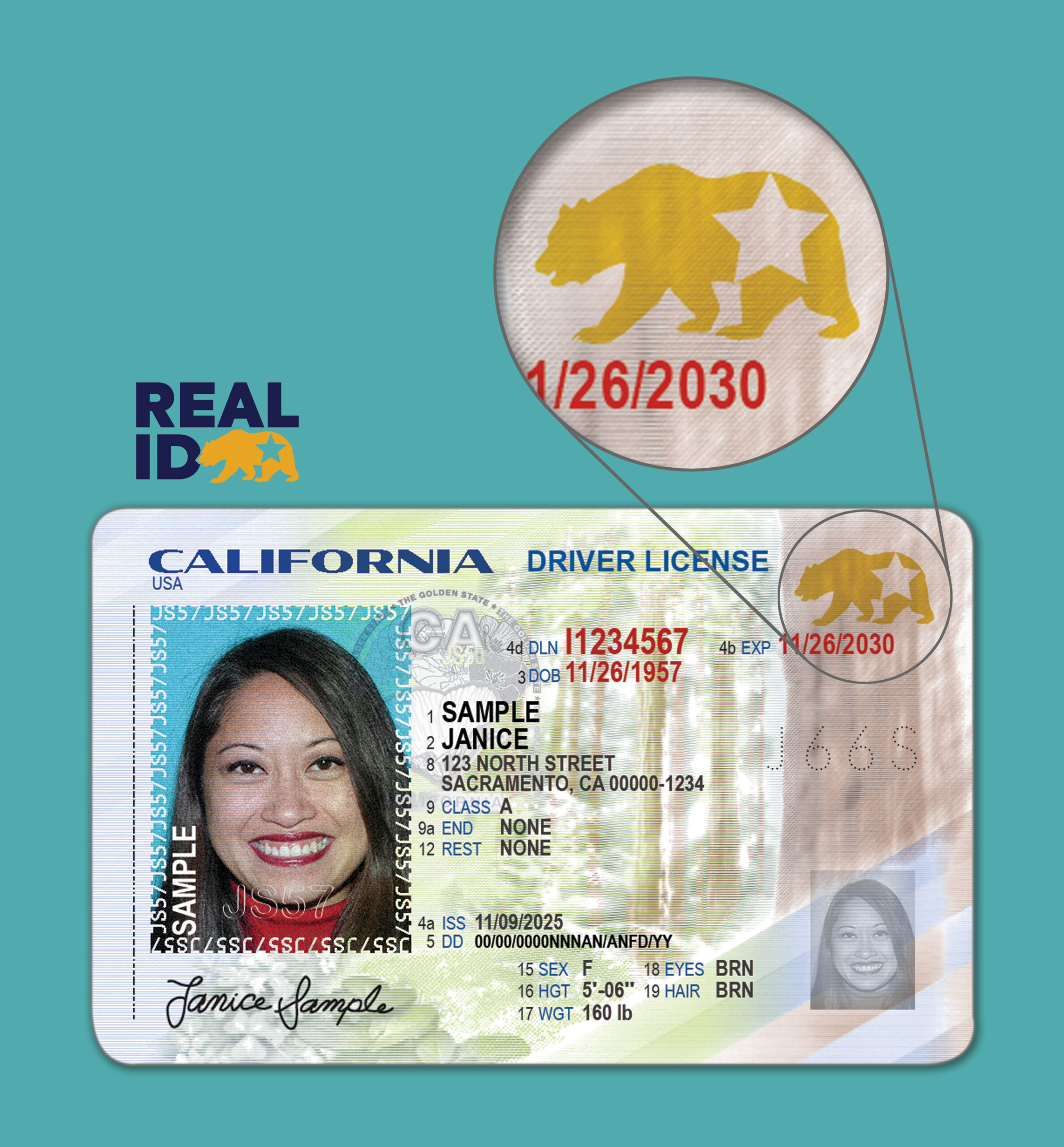
- REAL ID: This card meets federal security standards and is marked with a bear and star. It will be required for boarding domestic flights and accessing certain federal facilities (like military bases) starting in May 2025 (date subject to change). For individuals who travel frequently within the U.S. or foresee needing access to federal buildings, obtaining a REAL ID is a pragmatic lifestyle choice, eliminating the need to carry a U.S. passport for domestic travel.
- Standard ID: A standard California ID card is perfectly valid for driving, voting, and general identification within California. However, for domestic flights or federal facility access post-deadline, you would need to present an alternative, federally accepted form of identification, such as a U.S. passport.
The application process for both is similar, requiring the same documentation. The decision hinges on your individual lifestyle needs and future travel plans. Planning for this choice now can save significant hassle later.
Beyond the Fee: Hidden Lifestyle Costs and Benefits
While the direct fee for a California ID card is a fixed, manageable sum, savvy lifestyle planning accounts for both the indirect costs and invaluable benefits that extend far beyond the transaction.
Time Investment: The Hidden Cost
The most significant hidden cost associated with obtaining a California ID is often time.
- Preparation Time: Gathering all required documents can take several hours, involving locating birth certificates, requesting utility bills, or digging through old rental agreements. For a busy individual, this preparation time is a direct impact on their personal or professional schedule.
- DMV Visit: Even with an appointment, the visit to the DMV office can consume a considerable portion of your day. Travel to the location, waiting in line, the application process itself, and the return journey all contribute to an opportunity cost. This time could have been spent working, caring for family, or engaging in leisure activities.
- Follow-up: In rare cases, if documents are incomplete or there are issues, a follow-up visit might be necessary, compounding the time investment.
When budgeting for a California ID, consider allocating a half-day or even a full day for the entire process, especially if it’s your first time navigating the DMV system.
Peace of Mind & Convenience: The Invaluable Benefits
Conversely, the benefits of possessing a valid California ID card extend far beyond its face value, offering immense lifestyle convenience and peace of mind.
- Seamless Daily Transactions: Having a readily accepted form of identification simplifies countless daily interactions. Whether it’s signing a lease, applying for a loan, picking up a prescription, or even proving your age at a concert, a valid ID smooths the process. This convenience reduces stress and enhances efficiency in your lifestyle.
- Security and Safety: In unexpected situations, such as an emergency or if you are stopped by law enforcement, a valid ID provides clear identification. This can be crucial for your safety and for ensuring proper communication. It also acts as a deterrent against identity theft in some scenarios, as having current, correct identification signals proactive personal management.
- Empowerment: For many new immigrants or those without prior official identification, obtaining a California ID is an empowering step, signifying formal recognition within society and enabling greater participation in civic and economic life. This psychological benefit is a cornerstone of an integrated lifestyle.
Impact on Budget Travel and Local Experiences
For those who enjoy exploring California and beyond, a state ID can subtly impact budget travel and local experiences. While not universally true, some attractions, museums, or local businesses offer resident-only discounts. Presenting your California ID can unlock these savings, which, over time, can add up to a considerable amount, fitting perfectly into a budget-conscious lifestyle. Furthermore, for domestic travel, having a REAL ID-compliant card negates the need for a passport, saving the cost and hassle of obtaining or renewing that document purely for flights within the U.S.

Strategic Planning for Your California Lifestyle
Integrating the acquisition or renewal of a California ID into your overall lifestyle planning is a mark of foresight and efficiency.
- When to Get It:
- New Residents: Make it a priority within your first few weeks or months of moving to California. This immediately facilitates banking, housing, and employment processes.
- Turning 18: For young adults, obtaining an ID card upon turning 18 opens up a world of adult privileges and responsibilities.
- Renewals: Pay close attention to the expiration date. The DMV typically sends renewal notices, but proactive calendar reminders ensure you don’t face an expired ID and its associated inconveniences.
- Budgeting Accurately: Factor in not just the direct fee but also potential costs for transportation to the DMV, and if applicable, lost wages for time taken off work. For those on a tight budget, researching eligibility for reduced fees or waivers is a smart financial move.
- Ensuring Smooth Integration: Consider the implications of a REAL ID versus a standard ID based on your travel habits. For families with children approaching driving age, understanding the ID process helps in guiding them through this significant life transition.
Ultimately, the cost of a California ID card is minimal when weighed against the profound benefits it offers in terms of convenience, access, and peace of mind. By approaching the process strategically and understanding its broader impact, you ensure this essential document seamlessly supports your chosen lifestyle in California.
LifeOutOfTheBox is a participant in the Amazon Services LLC Associates Program, an affiliate advertising program designed to provide a means for sites to earn advertising fees by advertising and linking to Amazon.com. Amazon, the Amazon logo, AmazonSupply, and the AmazonSupply logo are trademarks of Amazon.com, Inc. or its affiliates. As an Amazon Associate we earn affiliate commissions from qualifying purchases.