
Establishing a comfortable and efficient lifestyle in California, whether for a business stay, a prolonged family trip, or full-time residency, often hinges on one crucial element: the ability to drive. Public transportation options exist, particularly in metropolitan hubs like Los Angeles or San Francisco, but the expansive nature of the state means personal vehicle access is frequently essential for daily commuting, exploring attractions, or simply running errands. Understanding the financial commitment involved in acquiring a California driver’s license is a foundational step in budgeting for your life on the West Coast. Beyond the initial application fees, there are several associated costs and requirements that prospective drivers should factor into their lifestyle planning.
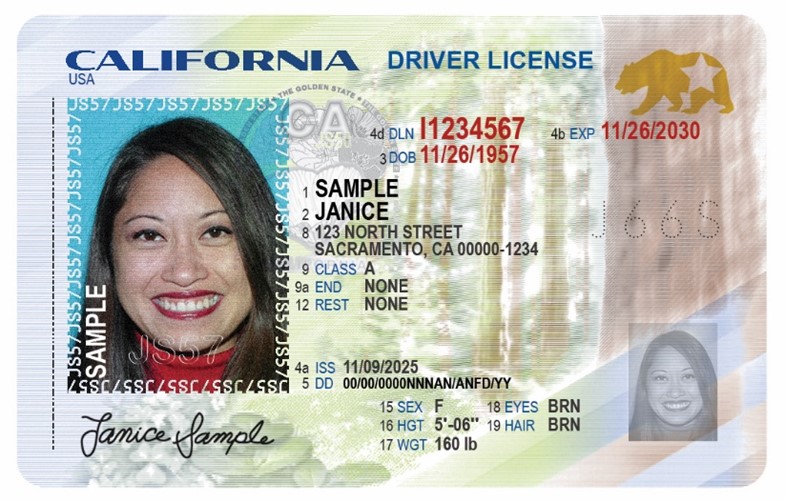
Understanding the California DMV Fees
The core cost of obtaining a driver’s license in California is straightforward, primarily managed through the Department of Motor Vehicles (DMV). These fees are standard across the state, regardless of where you apply, from bustling San Diego to the state capital of Sacramento. However, the type of license you seek will dictate the precise amount.
Standard Class C License Application
For the vast majority of individuals seeking a driver’s license, the Class C non-commercial license is the relevant category. This license permits you to operate most two-axle vehicles, including passenger cars, trucks, and vans, and is sufficient for personal use. As of the current California DMV fee schedule, the application fee for an original Class C driver’s license is typically around $41. This fee covers the cost of processing your application, administering the written knowledge test, and the behind-the-wheel driving test. It’s important to note that this fee is generally non-refundable and must be paid upfront when you submit your application. Should you fail any part of the tests, you may incur additional re-testing fees for subsequent attempts, typically around $8 per re-test for the driving portion. Budgeting for these potential re-test fees is a prudent step, especially for those who may be less familiar with California driving laws or have not driven recently.
Motorcycle and Commercial Licenses
For those whose lifestyle requires specialized driving privileges, the costs will differ. A Class M1 or M2 motorcycle license, which allows you to operate motorcycles, typically has an application fee similar to the Class C license. However, the testing process is distinct, involving specific knowledge and skills tests for two-wheeled vehicles.
Commercial driver’s licenses (CDLs), necessary for operating large vehicles such as tractor-trailers, buses, or hazmat carriers for business purposes, come with a significantly higher fee structure due to the increased training, testing, and regulatory oversight involved. The application fee for an original Class A or Class B CDL can be around $84, with additional endorsements (e.g., for passenger transport, hazardous materials, or double/triple trailers) each incurring separate fees, sometimes around $39 per endorsement. These costs reflect the stringent requirements imposed by state and federal regulations, including those from the Federal Motor Carrier Safety Administration, to ensure the safety of commercial operations. For individuals planning a business stay involving commercial driving, these higher upfront costs are an essential part of the financial calculation.
Renewal and Replacement Costs
Maintaining your driving privilege also involves periodic costs. A standard Class C driver’s license in California is valid for five years. The renewal fee is currently also around $41, similar to the initial application fee. The DMV typically sends out renewal notices, but it remains the driver’s responsibility to ensure their license is renewed on time. Failing to renew can lead to significant inconvenience, including potential fines or the need to re-take tests if the license expires for an extended period.
Should your license be lost, stolen, or damaged, you will need to apply for a duplicate. The fee for a duplicate license is usually around $36. While an unforeseen expense, it’s a necessary one to maintain legal driving status and should be considered part of the long-term budgeting for your California lifestyle.
Beyond the Initial Fees: Hidden Costs and Requirements
While the direct DMV fees are clearly stated, successfully obtaining and maintaining a driver’s license in California often involves other financial outlays that should be budgeted for, especially for those new to driving in the state or new residents.
Driving School and Practice Permit Considerations
For new drivers, particularly teenagers or adults without prior driving experience, enrolling in a professional driving school is often a prerequisite or a highly recommended step. In California, individuals under 18 are required to complete driver education and driver training. Driver education courses can range from $200 to $500, while behind-the-wheel training with a certified instructor can cost an additional $300 to $700 or more, depending on the number of hours and the school’s reputation. Even for adults, private driving lessons can be invaluable for gaining confidence and familiarity with California traffic laws and driving conditions, with hourly rates typically ranging from $50 to $100.
Before taking the driving test, applicants must obtain a provisional instruction permit. The fee for this permit is included in the initial license application fee, but it requires passing the knowledge test. Practicing driving with a licensed adult over 25 is mandatory for permit holders, and this often means utilizing a family member’s or friend’s vehicle, which incurs fuel costs and potential wear and tear.
Vision and Knowledge Test Preparation
While there isn’t a direct fee for vision or knowledge test preparation, the time and resources invested represent an indirect cost. The knowledge test covers California vehicle code, traffic laws, and safe driving practices. Many applicants purchase study guides or utilize online practice tests, some of which may have subscription fees. Investing in these resources can significantly improve your chances of passing the test on the first attempt, saving you from re-testing fees and delays. Vision tests are typically conducted at the DMV office, but if corrective lenses are required, the cost of an eye exam and glasses or contacts should be factored in, an essential health and safety consideration for any driver.
Insurance Requirements
A critical ongoing cost for any driver in California is auto insurance. It is legally mandated that all drivers carry minimum liability insurance. The cost of insurance can vary wildly based on factors such as your age, driving record, vehicle type, where you live in California, and the coverage limits you choose. For new drivers, or those moving from another state or country with no prior California driving history, insurance premiums can be significantly higher. Expect to budget anywhere from $100 to $300 or more per month for basic coverage. For a long-term stay or residency, this will be one of the largest ongoing expenses associated with driving. It’s impossible to obtain vehicle registration without proof of insurance, directly linking this cost to your ability to legally operate a vehicle in the state.
The Application Process for New Residents and Visitors
Navigating the California DMV application process effectively can save both time and money. Understanding the documentation and steps involved is key to a smooth transition to driving in the state.
Required Documentation
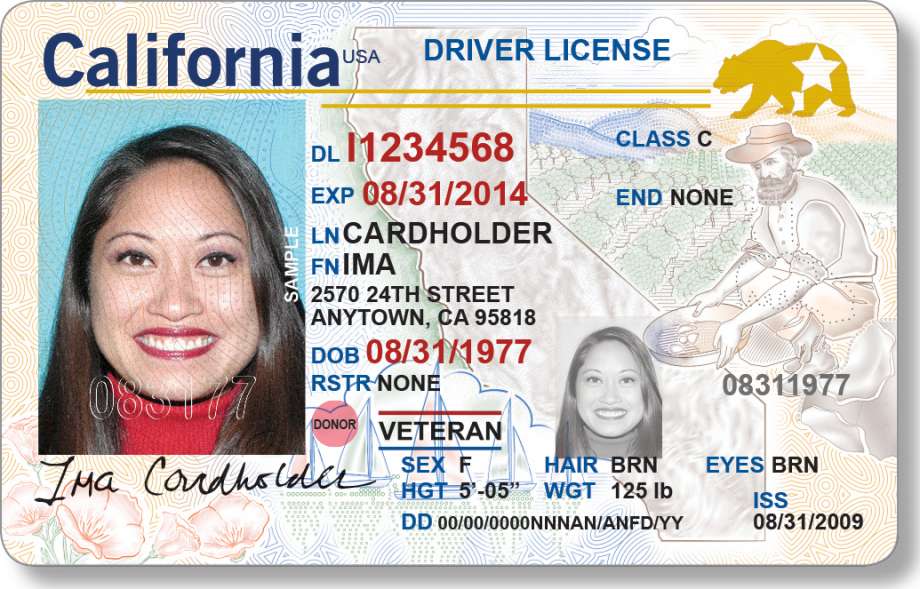
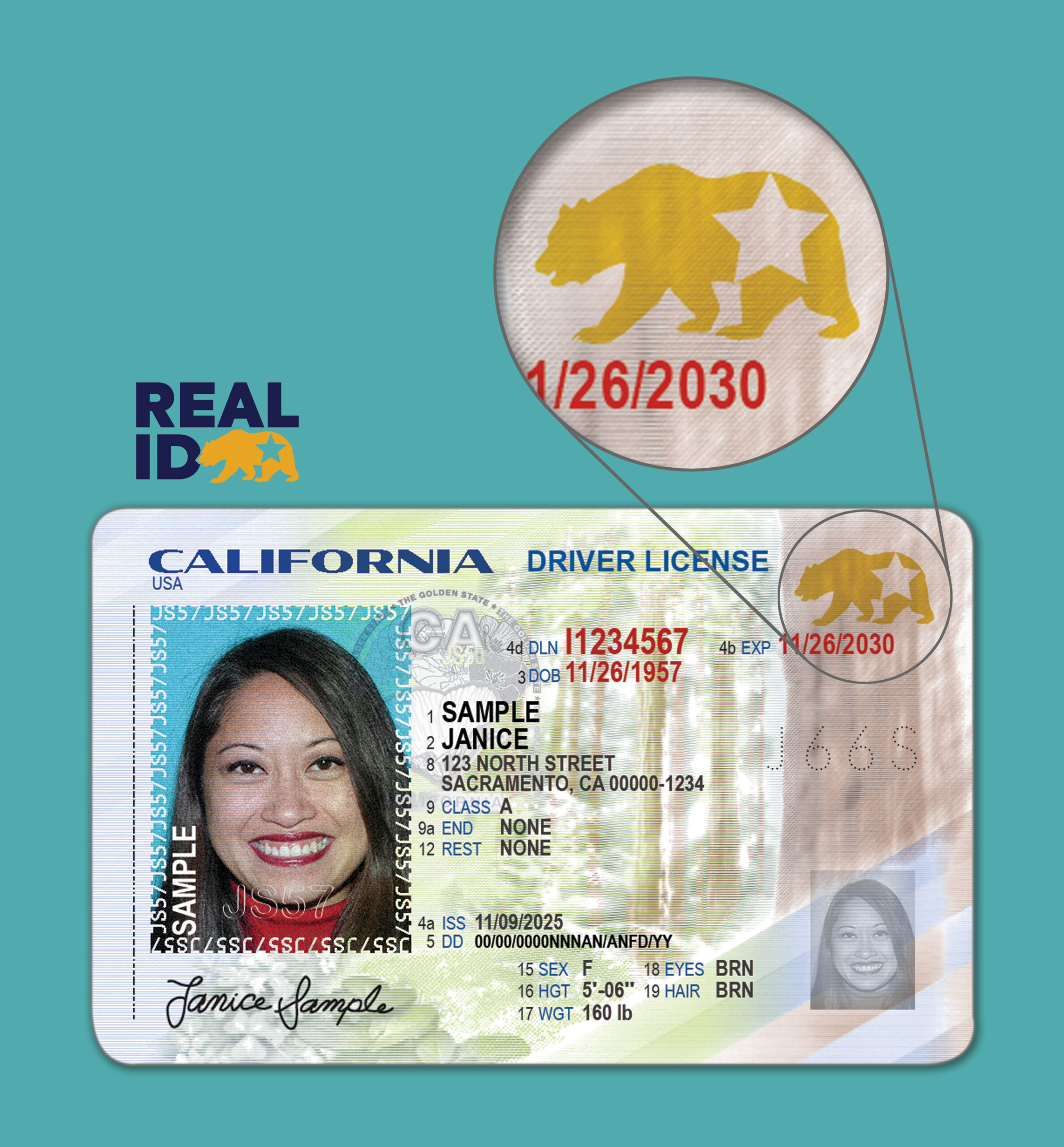
The California DMV requires specific documents to verify your identity, residency, and legal presence. For a Real ID compliant license (which will be necessary for domestic air travel and accessing federal facilities starting in 2025, per Transportation Security Administration guidelines), you’ll need:
- Proof of identity (e.g., U.S. birth certificate, valid U.S. passport, foreign passport with an approved I-94 form and valid visa).
- Proof of Social Security number (e.g., Social Security card, W-2 form).
- Two proofs of California residency (e.g., utility bill, rental agreement, mortgage statement, bank statement).
- Proof of name change (if applicable, e.g., marriage certificate).
Gathering these documents beforehand is crucial to avoid multiple trips to the DMV. Each visit costs time and potentially fuel, impacting your overall lifestyle budget.
Steps to Obtain Your License
The process typically involves:
- Online Application: Start by completing an online driver’s license application on the DMV website. This saves time at the office.
- Appointment: Schedule an appointment at a DMV office. Walk-ins are possible but often involve long wait times.
- Visit DMV: At your appointment, you will submit your documents, pay the application fee, have your thumbprint taken, and your photo captured.
- Vision Test: Pass a vision test.
- Knowledge Test: Pass a written knowledge test.
- Behind-the-Wheel Test: Once you have your permit (after passing the knowledge test) and have completed any required practice hours, schedule and pass the driving test. You must provide a properly registered and insured vehicle for this test.
Each step requires preparation and often travel, contributing to the overall cost and time investment in securing your California driving privileges.
Special Cases: International Drivers and Undocumented Residents
California has specific provisions for international drivers and undocumented residents. Visitors with a valid driver’s license from their home country or state can legally drive in California as long as their license remains valid. However, if they become a resident (e.g., by establishing a home, accepting employment), they must obtain a California license within 10 days. The cost and process are largely the same as for other new residents.
California also issues driver’s licenses to undocumented residents under Assembly Bill AB 60. The fees and testing requirements are identical to a standard Class C license, but the documentation required to prove identity and California residency differs, focusing on documents available to these individuals. This inclusive approach ensures that more people can legally and safely participate in the driving lifestyle of the state.
Long-Term Driving in California: Budgeting for the Road Ahead
Securing your driver’s license is merely the first financial step in integrating driving into your California lifestyle. A comprehensive budget must account for ongoing costs that significantly impact your overall expenses.
Vehicle Registration and Maintenance
If you bring a vehicle from out of state or purchase one in California, you will need to register it with the DMV. Registration fees vary based on the vehicle’s value, weight, and type, and typically include a vehicle license fee, registration fee, and potentially a transportation improvement fee. These can range from a few hundred dollars to well over $500 annually. Additionally, most vehicles require a smog check certification upon initial registration and biennially thereafter, costing around $30 to $80. Regular maintenance (oil changes, tire rotations, brake checks) is also a non-negotiable expense, impacting your vehicle’s longevity and safety on California’s diverse roadways.
Fuel Costs and Environmental Regulations
California consistently has some of the highest gasoline prices in the United States, driven by state taxes and unique environmental regulations requiring special fuel blends. These costs can significantly impact your monthly budget, especially if your daily commute or lifestyle involves extensive driving. For instance, traveling between Los Angeles and San Francisco is a common long-distance trip that quickly adds up in fuel expenses. Planning for these higher fuel prices is essential when calculating the true cost of driving in the state. Exploring options like hybrid or electric vehicles might offer long-term savings, but they come with higher initial purchase costs.
Toll Roads and Parking
While not as prevalent as in some other states, California does have several toll roads, particularly in urban areas like Orange County and parts of San Diego. These are often express lanes or entirely separate toll facilities designed to ease congestion. For those who frequently use these routes, the cost can accumulate. Similarly, parking, especially in major cities, can be a substantial expense. Daily parking rates in downtown San Francisco or Los Angeles can easily exceed $20-$40, while monthly parking passes can run into hundreds of dollars. Integrating these potential costs into your budget is crucial for a realistic understanding of the financial demands of driving as part of your California lifestyle.
LifeOutOfTheBox is a participant in the Amazon Services LLC Associates Program, an affiliate advertising program designed to provide a means for sites to earn advertising fees by advertising and linking to Amazon.com. Amazon, the Amazon logo, AmazonSupply, and the AmazonSupply logo are trademarks of Amazon.com, Inc. or its affiliates. As an Amazon Associate we earn affiliate commissions from qualifying purchases.